Are Industrial Plug Socket Connector Installations Safer for Heavy-Duty Worksites
 Home / News / Industry News / Are Industrial Plug Socket Connector Installations Safer for Heavy-Duty Worksites
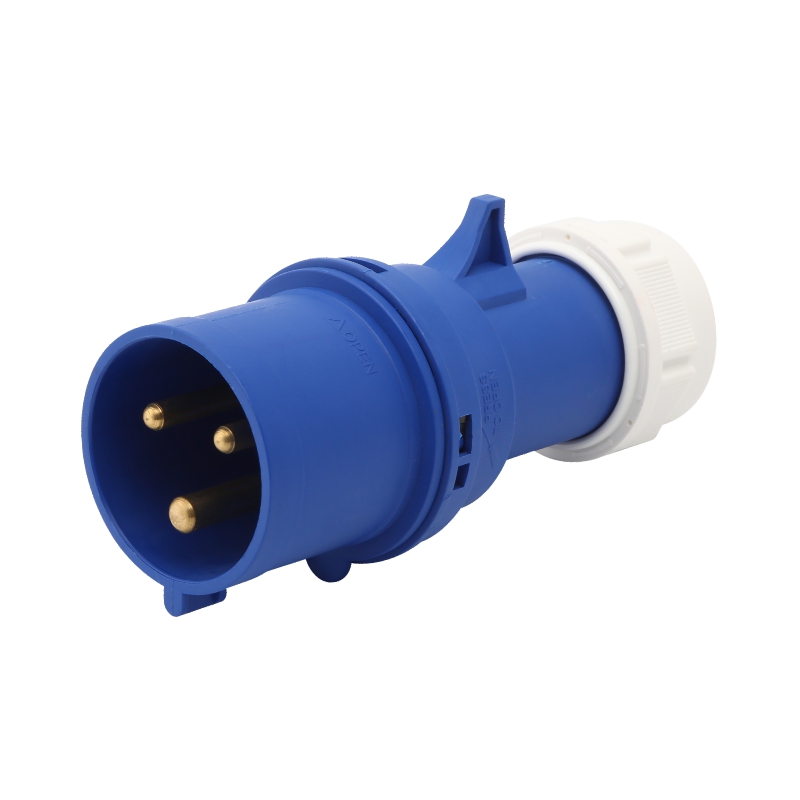
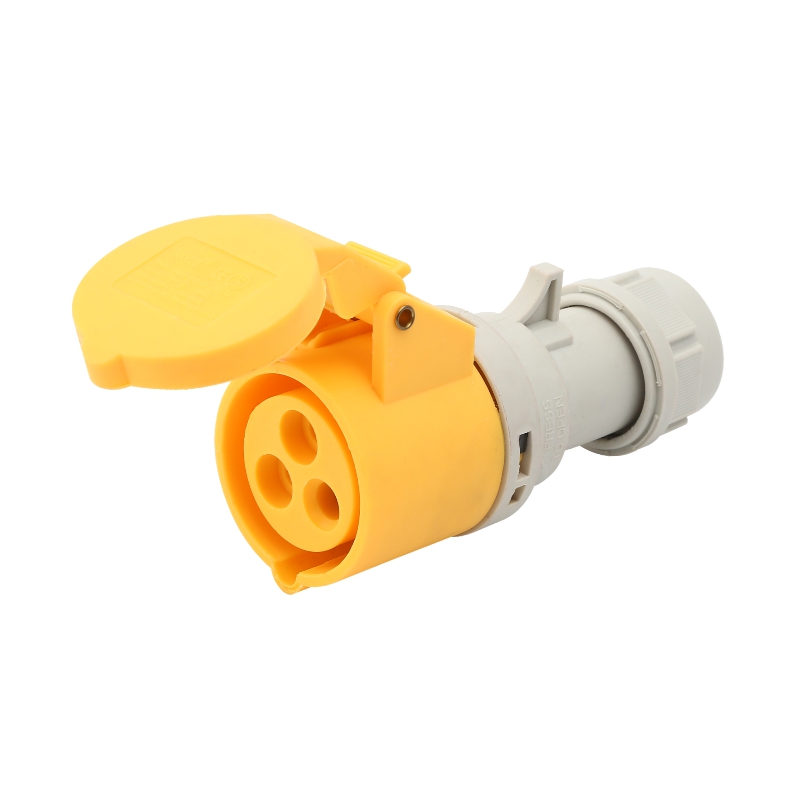
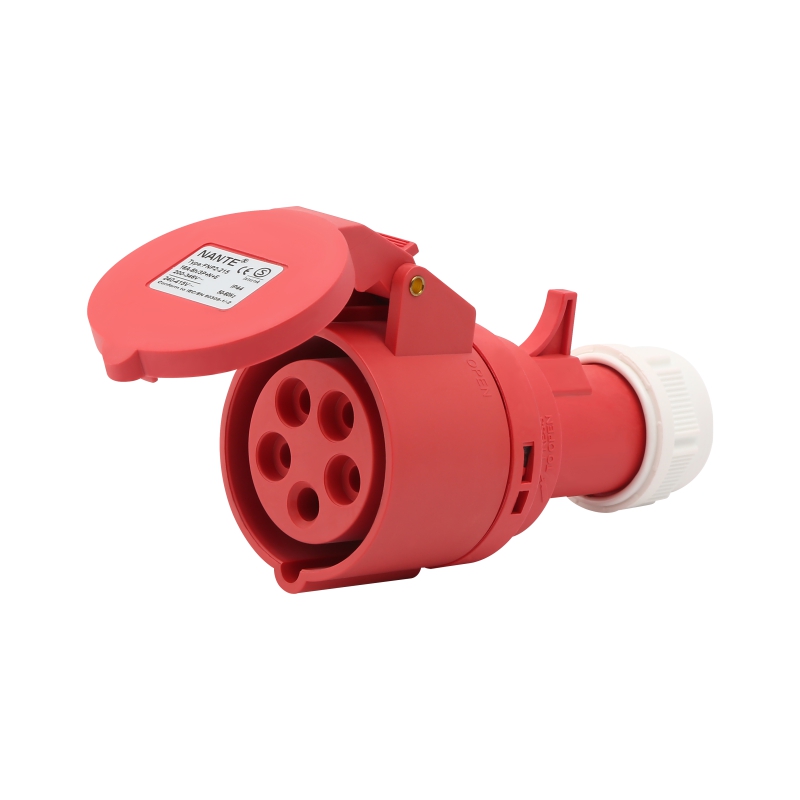
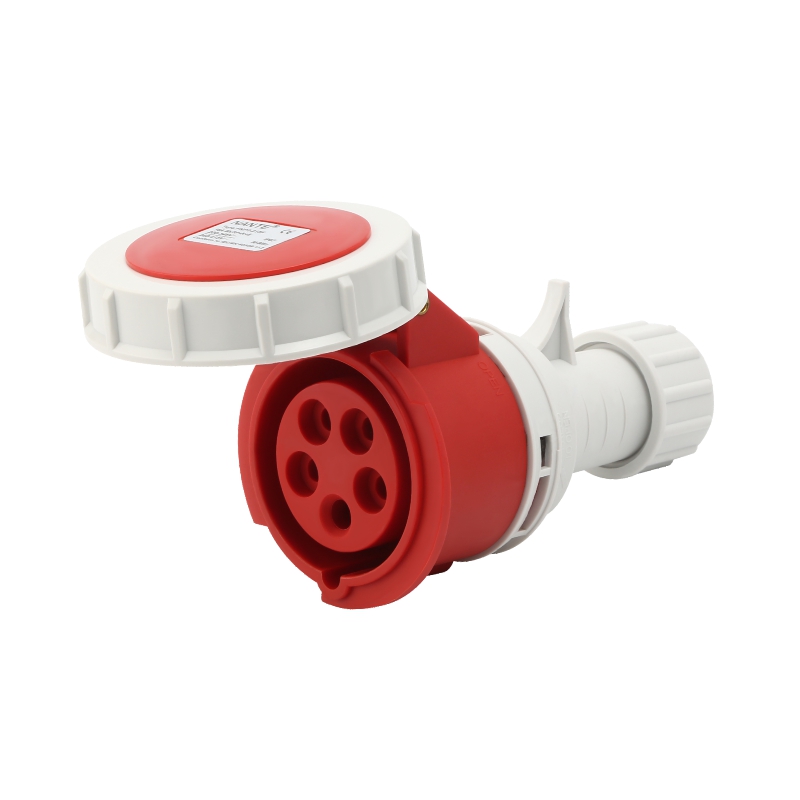
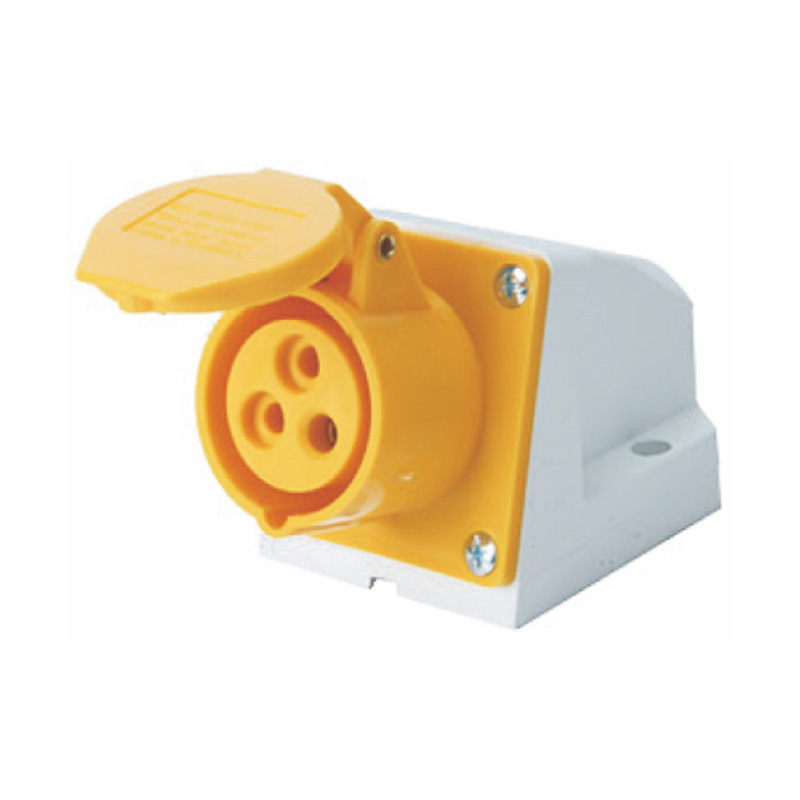
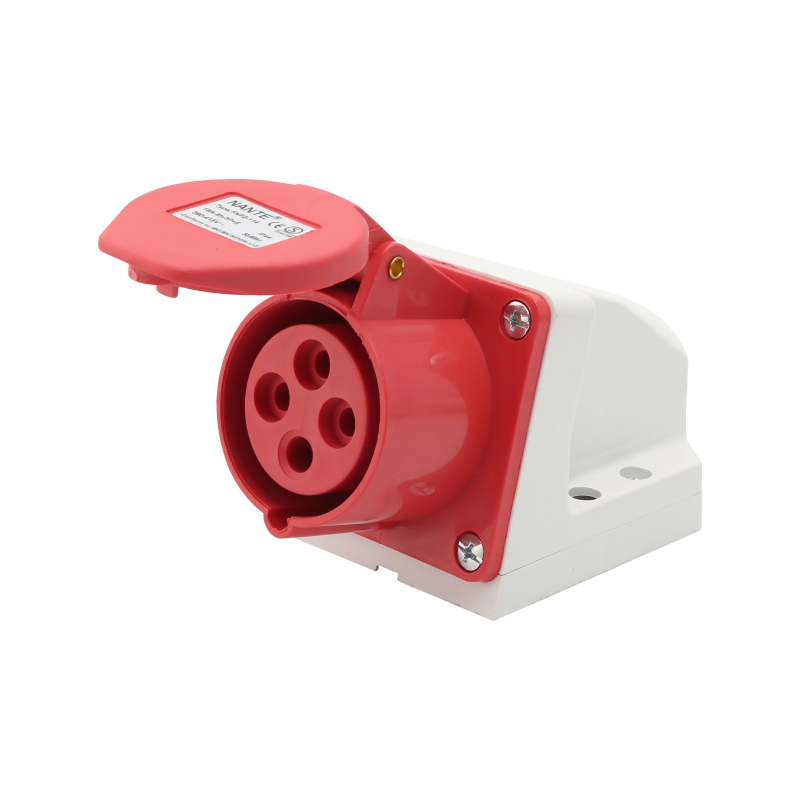
 Industrial worksites and large-scale facilities are increasingly turning to purpose-built connectors as a core part of their electrical safety and reliability programs. An Industrial Plug Socket Connector is designed for demanding environments where improvised wiring or consumer-grade connectors fall short. Experts say these systems can reduce downtime, simplify maintenance, and support safer operations when paired with appropriate protective practices.
Safety officers and technical teams report that using dedicated industrial connectors helps manage risk in locations where high currents, variable climates, and frequent connections are routine. Rather than relying on makeshift solutions or consumer cables, facilities that adopt engineered connectors see improvements in predictable ways:
Industry practitioners note that the visible durability of these connectors contributes to a safer perception on the shop floor, encouraging correct handling and routine inspections.
Connectors intended for industrial use are typically built with attention to mechanical strength and environmental sealing. Common design priorities include contact stability, tactile mating (so users know a secure connection is made), and housings that resist cracking or corrosion. These features help limit common failure points such as loose contacts and contaminant ingress, which in turn reduces the likelihood of short circuits or unexpected interruptions.
Across manufacturing, maritime operations, live-event production, and laboratory settings, connectors designed for industrial use can simplify logistics and reduce unplanned service calls. Their ability to perform reliably under long duty cycles and in varied environmental conditions means operations can plan maintenance more effectively and avoid reactive fixes.
Below is a concise overview that aligns common workplace concerns with how industrial-grade connectors address them.
| Workplace Concern | How Industrial Connectors Help | Typical Impact for Operations |
|---|---|---|
| Loose or exposed joints | Secure mating with locking mechanisms and solid contacts | Lower risk of sparks and interruptions |
| Corrosive or humid environments | Sealed housings and corrosion-resistant materials | Longer service life, fewer replacements |
| Frequent connect/disconnect cycles | Durable contact surfaces and ergonomic designs | Reduced downtime during changeovers |
| High-load equipment | Stable conduction paths and heat-resistant housings | More consistent power delivery and fewer thermal faults |
Adopting industrial connectors does not eliminate the need for sound electrical practices. Proper selection, installation by qualified personnel, and scheduled inspections remain essential. Facilities should develop clear procedures for:
Regular visual checks for wear, seal integrity, and secure mounting can prevent small issues from becoming operational problems.
Some teams assume that a rugged connector alone guarantees safety. In truth, connectors are one part of a layered approach that includes protective devices, bonding, and operational discipline. When used as intended, connectors reduce exposure to hazards such as loose wires and moisture-induced faults, but they do not replace protective components like residual-current devices or overcurrent protection.
Another misconception is that industrial connectors are complicated to install. While selection must be attentive to environment and load, many modern designs are intentionally modular and straightforward to wire, which can simplify both initial setup and later changes.
A frequent driver for switching to industrial connectors is their resilience in challenging climates. In settings with elevated temperatures, high humidity, or airborne particulates, purpose-built housings and contact protections maintain reliable service where standard connectors would degrade. Over the long term, lower replacement rates and fewer emergency repairs often translate into total cost advantages for plant operators.
When considering a transition, technical managers should evaluate compatibility with existing equipment, available mounting and routing solutions, and how connector choices interact with safety systems. A short pilot deployment in a representative area can demonstrate practical benefits before broader rollout. Documentation, spare part planning, and operator training are important enablers for a smooth transition.
As workplaces evolve toward higher uptime expectations and more rigorous safety targets, robust electrical connections are playing a larger role in operational plans. Thoughtful selection, professional installation, and regular maintenance together make installations safer and more reliable. For information about industrial connector options and guidance on matching connectors to application needs, see nante.
 +86-577-62731897
 shireen@nante.com
 No.688 chezhan Road, Liushi town, Wenzhou, China
Copyright © 2024 Fly-Dragon Electrical Co., Ltd. All Rights Reserved.
 浙公网安备33038202003041号
 Privacy
Outdoor Socket Box Factory & Outdoor Electrical Distribution Panel Factory



 English
 Español
 Português
 Deutsch