Could An Industrial Plug Socket Connector Change How Workplaces Get Power
 Home / News / Industry News / Could An Industrial Plug Socket Connector Change How Workplaces Get Power
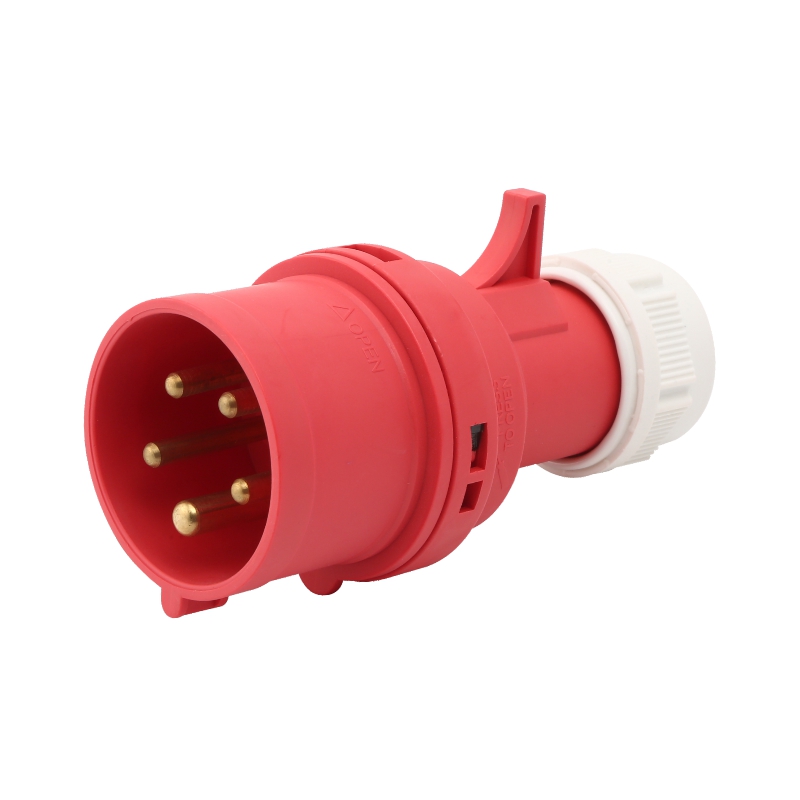
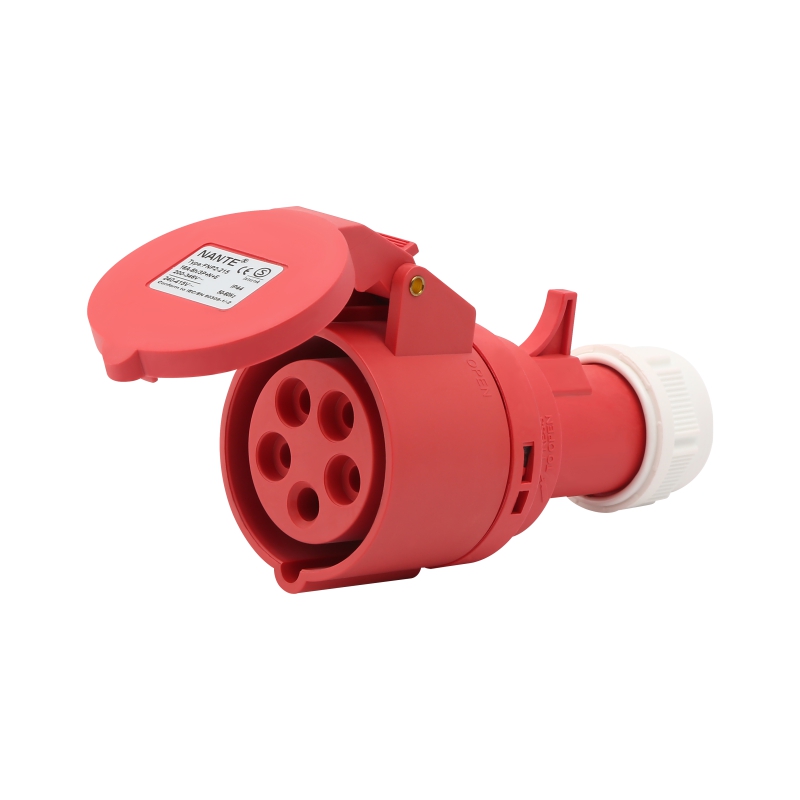
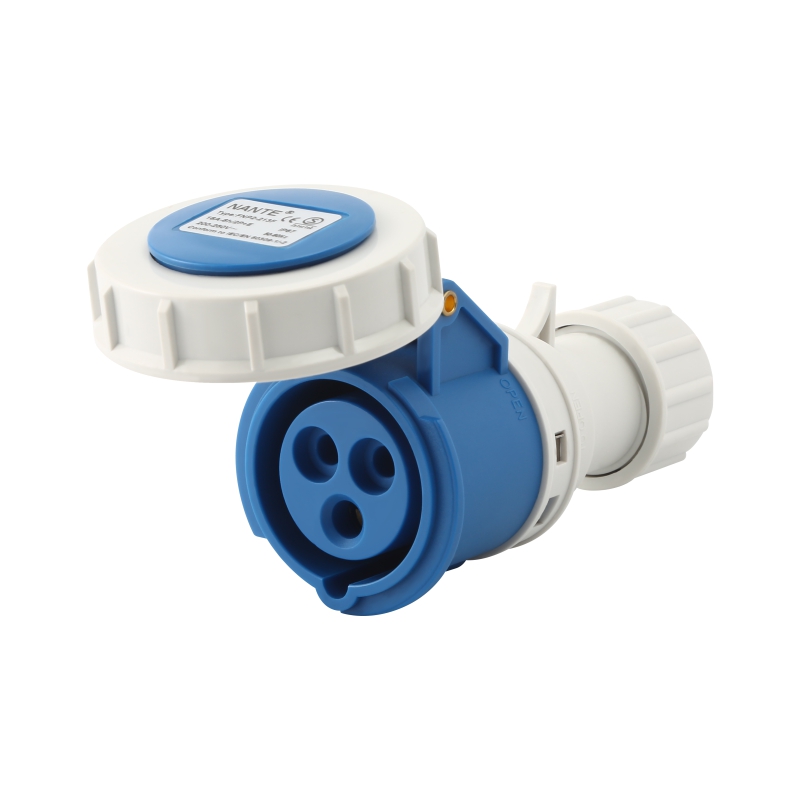
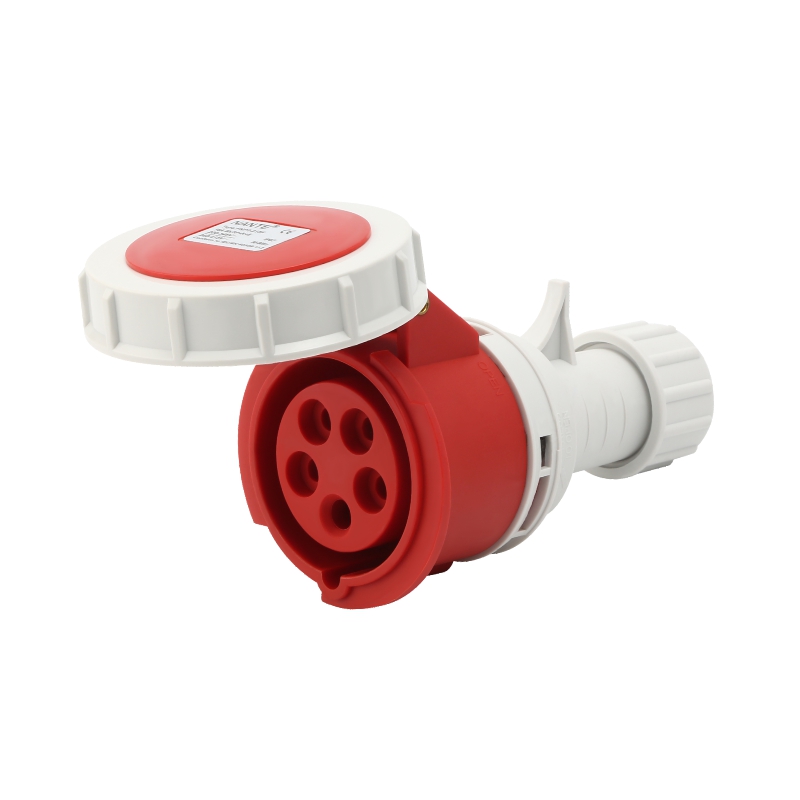
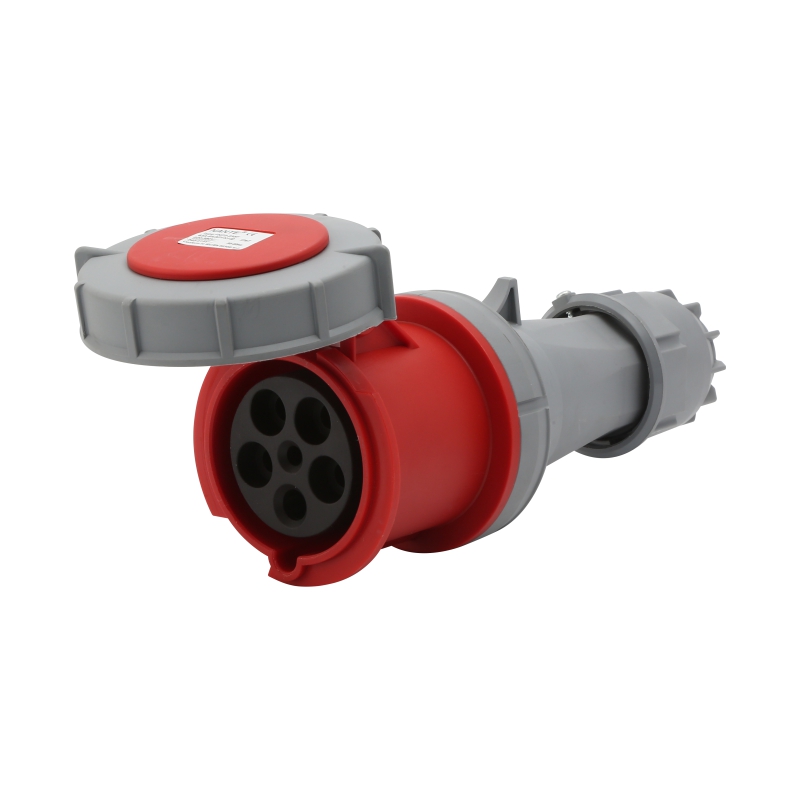
 Industrial sites are quietly rethinking how power is delivered, and attention is turning to the small components that make flexible distribution possible. The Industrial Plug Socket Connector sits at the center of these conversations, enabling rapid reconfiguration of equipment, safer temporary feeds, and clearer separation between fixed wiring and portable devices. As operations shift toward modular layouts, seasonal deployments, and mobile workstations, connectors that combine durability with straightforward handling are becoming an operational consideration rather than an afterthought.
Workplaces that rely on changing layouts or temporary feeds are learning that connector selection affects uptime, worker safety, and maintenance cycles. Rather than treating connectors as interchangeable parts, site planners and frontline teams are evaluating how durability, sealing, and ease of use influence tasks such as equipment swaps, night-time setups, and harsh-environment operations.
Connectors support flexible production by letting teams connect test rigs, portable tooling, and temporary machinery without disturbing fixed distribution. Key benefits include reduced downtime during retooling and clearer separation of temporary and permanent wiring.
On construction sites, connectors serve temporary offices, lighting, and portable equipment. Their value rests in withstanding handling, resisting dirt ingress, and enabling safe plug-in routines while crews shift locations across a project.
Marine settings place a premium on sealing and resistance to corrosive conditions. Connectors used here must keep connections reliable in wet, vibration-prone environments where continuity of power can affect both safety and operations.
Farms and processing locations use connectors to move equipment between fields, storage, and processing areas. Robust housings and ease of reconnection reduce time spent on setup during peak seasons.
From outdoor events to staging and loading zones, standardized connectors simplify setup and reduce wiring errors, helping teams connect lighting, audio systems, and staging equipment quickly and safely.
Routine inspection and care
Proper installation practices
Matching the connector to conditions
Mechanical retention and handling
Monitoring and response
Operational considerations for procurement and site teams
| Sector / Setting | Typical Uses | Selection Cues |
|---|---|---|
| Manufacturing | Portable tools, test rigs, retooling feeds | Repeatable mate/unmate cycles; ease of inspection |
| Construction | Site lighting, temporary power, portable equipment | Impact resistance; dust and debris tolerance |
| Marine / Offshore | Shore-to-ship feeds, deck systems | Sealing against moisture; resistance to corrosion |
| Agriculture | Irrigation, mobile processing | Weather tolerance; rugged mechanical design |
| Events & Logistics | Temporary staging, lighting, sound systems | Standardized mating; fast connection and release |
When teams weigh purchase choices, consider both initial cost and the labor associated with inspection, replacement, and training. A connector that simplifies routine checks and is easy to handle can lower cumulative operating effort over a facility’s busy seasons. In specifications and bid documents, include criteria that reflect expected handling frequency and environmental exposure rather than focusing solely on purchase price.
Operational models that emphasize mobility and temporary setups raise the visibility of components that used to be overlooked. Small improvements in connector care — clearer storage, routine checks, and modest training — can reduce unscheduled stops, limit safety incidents, and make deployments more repeatable. As teams document the link between connector condition and task time, the role of selection and maintenance becomes a clear lever for smoother operations.
Adapting to flexible power needs does not require dramatic change. Start with a simple pilot: document a handful of connector locations, perform basic inspections for a few weeks, and record any disruptions tied to connections. Use those findings to adjust storage, selection, or training. Over time, these small process improvements help create a predictable foundation for modular operations and seasonal deployments. For additional resources and guidance on connector selection and industry practices, see nante.
 +86-577-62731897
 shireen@nante.com
 No.688 chezhan Road, Liushi town, Wenzhou, China
Copyright © 2024 Fly-Dragon Electrical Co., Ltd. All Rights Reserved.
 浙公网安备33038202003041号
 Privacy
Outdoor Socket Box Factory & Outdoor Electrical Distribution Panel Factory



 English
 Español
 Português
 Deutsch