Could an Outdoor Socket Box Change How We Use Exterior Spaces
A growing number of homeowners and property managers are rethinking their relationship with outdoor power access, as attention shifts from ad-hoc extension cords to purpose-built external solutions. In neighborhoods and commercial districts alike, reports describe safer setups, simpler decorating seasons, and more versatile outdoor environments when a properly installed outdoor power point is available.
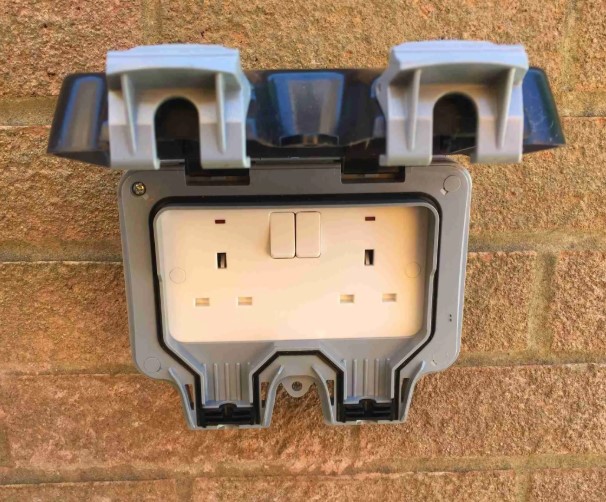
The story begins with safety. Temporary wiring — long extension cords run through doorways or across walkways — has long been a stopgap solution. Those approaches can create tripping hazards, increase exposure to moisture, and complicate the safe use of tools and appliances outdoors. A fixed outdoor socket box, designed for exterior conditions, helps reduce reliance on improvised connections by providing immediate access to electricity where it is needed.
Beyond safety, there is a strong practical argument. People using power tools for home projects, lighting for evening gatherings, or simple devices like outdoor speakers benefit when power is close at hand. The reduction in cable clutter also supports a cleaner visual presentation of outdoor spaces, an important consideration for those who regularly host events or want to present neat seasonal displays.
Different groups stand to gain from an outdoor power solution:
Homeowners
Small businesses and community organizers
Property managers and landlords
Deciding to add an outdoor socket box often comes down to a few practical questions that affect cost, convenience, and long-term usefulness.
Location and intended use
Weather protection and durability
Accessibility and aesthetics
| Scenario | Typical user need | How an outdoor socket box helps |
|---|---|---|
| Garden maintenance | Power for tools near work area | Eliminates long extension cords; speeds setup |
| Seasonal lighting | Multiple light strings and timed decorations | Allows neat wiring paths and reduces visibility of cords |
| Outdoor gatherings | Audio, lighting, catering equipment | Central power point reduces cable runs and trip hazards |
| Temporary market stalls | Reliable power for vendors | Quick access and consistent location for event setup |
While the concept may sound technical, many installations follow similar patterns: a weatherproof enclosure is mounted on an exterior wall or post, wired back to the main electrical system with appropriate protection. Users who adopt an exterior power solution often highlight two immediate benefits — reduced hassle when plugging in devices and a noticeable drop in visible cord clutter.
Residents who host seasonal displays say the change is especially welcome during busy decorating periods: lights go up faster, inflatables are positioned with more flexibility, and the overall display looks cleaner without cables snaking across lawns or driveways.
Like any outdoor feature, ongoing attention keeps an exterior power access point operating safely. Routine checks of covers and seals, ensuring sockets remain dry and unobstructed, and addressing wear before it becomes a hazard are sensible steps. Those responsible for properties should also make a plan for safe usage during wet or good weather conditions and keep instructions visible for guests or temporary users.
The availability of a dedicated, weather-rated power access point changes how spaces are used. An exterior area that was once reserved for sporadic use — the occasional barbecue or a quick repair job — can transform into a flexible extension of the living space. Lighting schemes become simpler to implement, temporary equipment can be used with confidence, and gatherings are easier to support without improvising power arrangements.
Designers and landscape professionals note that when power is planned into outdoor layouts early, the result is both more functional and more visually cohesive. Thoughtful placement of an outdoor socket box can support a range of activities without detracting from the overall design.
A stable, properly installed exterior power point reduces many common risks, but it does not remove the need for caution. Users should still avoid overloading circuits, protect plugs and cords from standing water, and follow basic guidelines for outdoor electrical safety. Where setups involve multiple high-demand appliances, seeking professional advice will help align capacity and protection.
For homeowners and property managers weighing whether an exterior installation is right for them, the decision often rests on how they intend to use the space and how much they value convenience and appearance alongside safety. Those who take the step frequently report a smoother, tidier experience for both routine tasks and special occasions.If you’re considering making a change, look for guidance that focuses on durable, weather-resistant options and clear maintenance steps. For more information and practical ideas, see nante.
 +86-577-62731897
 shireen@nante.com
 No.688 chezhan Road, Liushi town, Wenzhou, China
Copyright © 2024 Fly-Dragon Electrical Co., Ltd. All Rights Reserved.
 浙公网安备33038202003041号
 Privacy
Outdoor Socket Box Factory & Outdoor Electrical Distribution Panel Factory



 English
 Español
 Português
 Deutsch