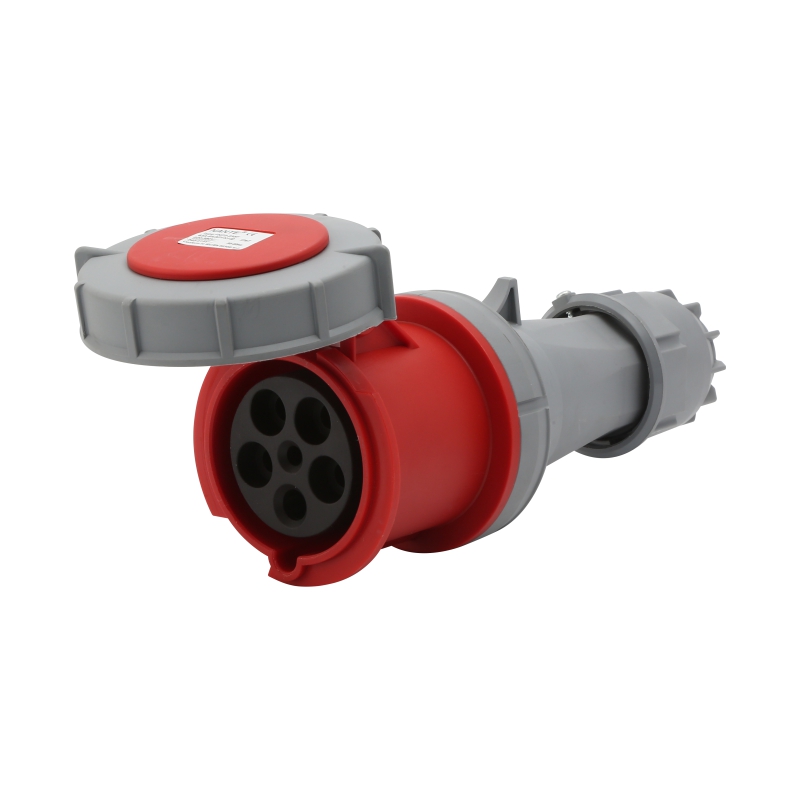
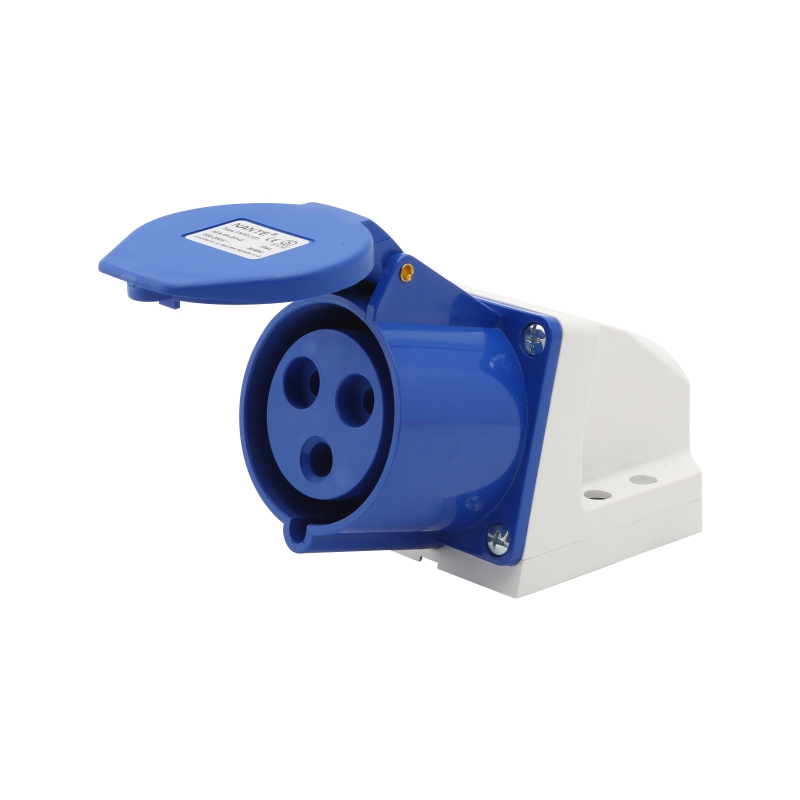
Where Are PVC Outdoor Outlet Boxes Commonly Installed
Outdoor electrical systems keep popping up across more and more buildings and facilities these days. As more devices and equipment migrate outside, the need for electrical connections that are both safe and properly organized just keeps growing right along with it. PVC outdoor outlet boxes have become a genuinely practical answer for protecting those connections once they're out in the open.
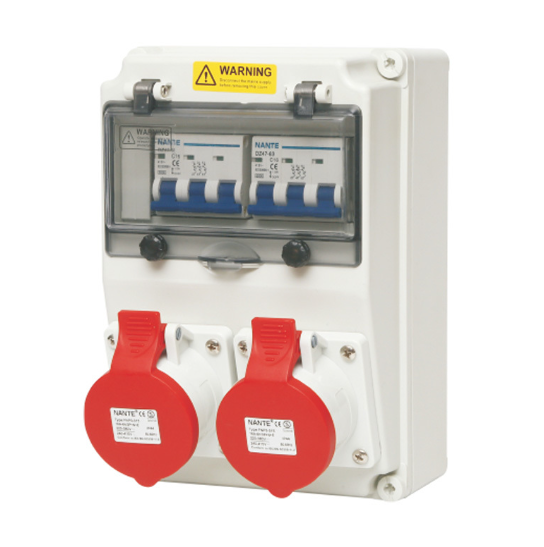
These boxes are built to support outdoor electrical installations while cutting down on how much moisture, dust, and shifting weather can actually interfere with them. You'll find them in residential neighborhoods, commercial spaces, industrial locations, and public facilities alike.
Getting a clear picture of where outdoor outlet boxes actually get installed helps users pick the right solution for whatever outdoor electrical need they're dealing with.
Outdoor outlet boxes exist to support electrical connections in environments where protection genuinely matters. Compared to an indoor electrical box, an outdoor version has to handle a lot more environmental volatility.
Material choice plays a real role here. PVC gets picked constantly because it delivers a lightweight, genuinely practical enclosure that works across a wide range of installation scenarios.
A few features tend to show up consistently:
| Feature | Application Benefit |
|---|---|
| Protective box structure | Helps organize electrical connections |
| Outdoor design | Supports open-air installation needs |
| Flexible usage | Suitable for different projects |
| Easy maintenance | Helps simplify daily management |
Outdoor installations routinely deal with rain, humidity, and dust, and a well-chosen outlet box helps carve out a genuinely safer space for whatever electrical components sit inside it.
Outdoor outlet boxes aren't tied to any one particular setting, either — their flexible design lets them show up in a lot of different locations.
Residential outdoor spaces are one of the more common places to find outdoor outlet boxes at work. Plenty of modern homes now come with outdoor electrical equipment that genuinely needs proper protection.
They tend to get installed in spots like:
Garden areas often need power for lighting, water features, or outdoor tools, and a outdoor outlet box helps keep those connections both organized and shielded from the elements.
Garages and exterior walls frequently need extra electrical access for everyday activities too. Outdoor outlet boxes offer a convenient way to manage that access without leaving raw connections exposed to outdoor conditions.
As homeowners keep adding more functions to their outdoor living spaces, demand for dependable outdoor electrical solutions just keeps climbing.
Commercial buildings often have outdoor zones that need electrical connections of their own — entrances, parking areas, outdoor service spaces, and the general grounds surrounding a facility.
Outdoor outlet boxes tend to support things like:
Businesses generally need electrical systems that can keep pace with daily operations while still staying easy to manage. Outdoor outlet boxes help create organized connection points across all of these different applications.
For commercial properties, outdoor electrical planning is a genuinely important piece of overall facility management. Getting the installation right cuts down significantly on problems caused by ongoing environmental exposure.
Whether it's a small storefront or a sprawling commercial complex, outdoor outlet boxes flex to support all kinds of outdoor electrical arrangements.
Gardens and landscaped areas often come loaded with their own electrical equipment — lighting systems, decorative features, outdoor tools, all of it needing power at some point.
Outdoor outlet boxes show up regularly in landscaping projects precisely because they support that kind of outdoor electrical access so well.
Common uses include:
Outdoor conditions shift constantly, and rain, moisture, and soil exposure can all damage electrical components that aren't properly shielded.
A well-chosen outlet box creates a much more organized connection point while also making it genuinely easier to access outdoor power whenever it's needed.
As outdoor spaces keep becoming more functional, electrical planning for gardens and landscapes has turned into a real part of the overall design process.
Industrial areas tend to carry pretty complex electrical demands. Equipment, tools, and outdoor systems often need connection points that are genuinely protected.
Outdoor outlet boxes support industrial applications like:
Industrial sites frequently deal with dust, moisture, or unpredictable weather, and protective electrical boxes cut down significantly on direct exposure to all of that.
PVC's lightweight structure also makes installation noticeably more convenient in certain industrial situations, especially where equipment gets moved or reconfigured often.
Different industrial applications call for different electrical setups, and picking the right outlet box genuinely helps businesses build a more organized outdoor electrical system overall.
Public facilities regularly need outdoor electrical access — think parks, transportation hubs, and community spaces that all rely on outdoor power in some form.
Outdoor outlet boxes get applied in spots like:
Public spaces generally need electrical systems that can handle regular, heavy use while still looking clean and well-maintained.
Outdoor outlet boxes offer a genuinely practical way to manage electrical connections across these open spaces, keeping things organized while cutting down on environmental exposure.
As cities and communities keep upgrading their outdoor facilities, protected electrical solutions like these keep becoming a bigger part of the picture.
Construction sites lean heavily on temporary electrical solutions. As a project moves through its different phases, workers often need power access set up in outdoor locations that weren't wired for it before.
Outdoor outlet boxes support construction work through:
Construction environments bring their own set of headaches — dust, moisture, and constant movement all factor in.
A well-chosen outlet box helps keep electrical connections organized while adding real protection during active construction work.
Since construction projects tend to evolve constantly, flexible electrical solutions are usually preferred, and outdoor outlet boxes adapt well to those shifting site requirements.
Where a box actually gets installed shapes a lot of what product ends up being the right fit. Different environments genuinely call for different approaches.
Installation environment — outdoor areas vary a lot; a garden, an industrial site, and a public facility all have genuinely different protection needs.
Electrical purpose — how the box will actually be used shapes what type it should be; lighting systems, equipment connections, and maintenance power points don't always need the same solution.
Accessibility — outdoor electrical points need to stay genuinely convenient to reach while still maintaining proper protection.
Installation conditions — the surrounding space, how the box gets mounted, and how often it's used all factor into the final choice.
Weighing these factors carefully helps users land on outdoor outlet boxes that genuinely match what their project actually needs.
Outdoor electrical applications keep expanding as more homes, businesses, and public facilities add outdoor equipment and systems of their own.
Outdoor outlet boxes look set to stay relevant across:
| Application Area | Common Installation Purpose |
|---|---|
| Residential spaces | Outdoor power access and lighting |
| Commercial properties | Equipment and facility connections |
| Industrial areas | Protected electrical points |
| Public facilities | Outdoor service systems |
The steady growth in outdoor electrical equipment keeps driving demand for practical protection solutions right alongside it.
PVC outdoor outlet boxes offer a genuinely simple way to manage electrical connections across all these different environments. Their range of use keeps expanding as outdoor spaces become more connected, more functional, and simply more electrified than they used to be.
 +86-577-62731897
 shireen@nante.com
 No.688 chezhan Road, Liushi town, Wenzhou, China
Copyright © 2024 Fly-Dragon Electrical Co., Ltd. All Rights Reserved.
 浙公网安备33038202003041号
 Privacy
Outdoor Socket Box Factory & Outdoor Electrical Distribution Panel Factory



 English
 Español
 Português
 Deutsch