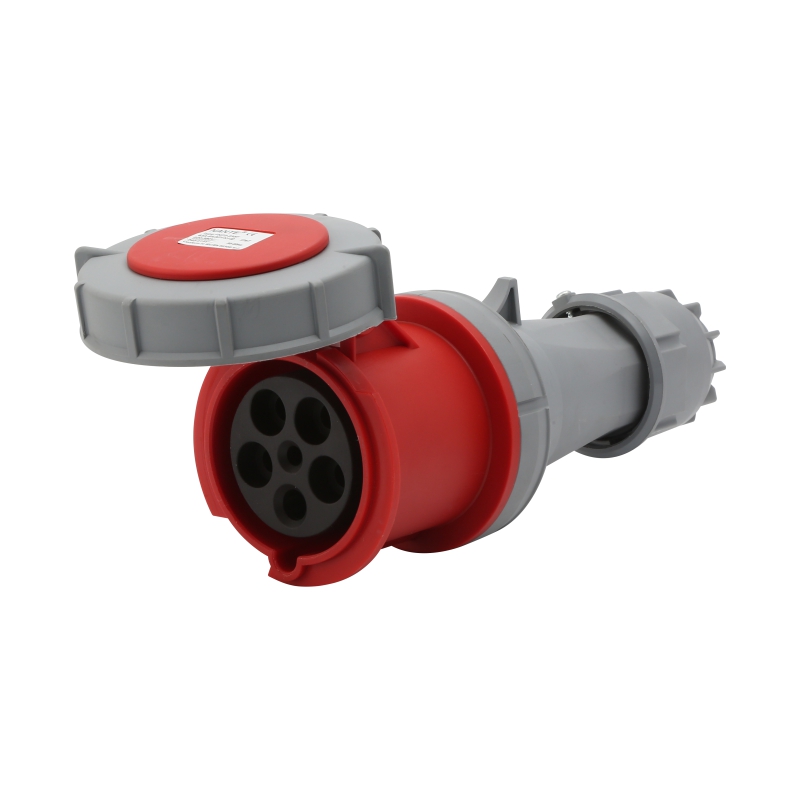
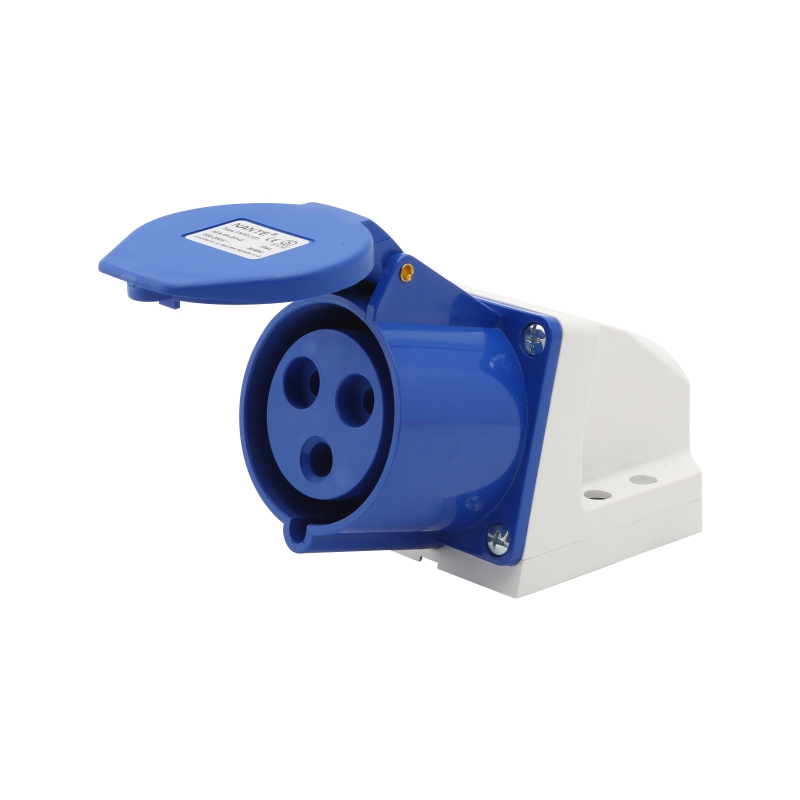
Are Industrial Plug Socket Connector Designs Safer and More Durable Than Home Sockets
 Home / News / Industry News / Are Industrial Plug Socket Connector Designs Safer and More Durable Than Home Sockets
 Industrial workplaces, contractors and homeowners are all paying closer attention to how power connections are designed, labeled and preserved. The conversation has shifted from simple compatibility to practical safety, user behavior and lifecycle planning.
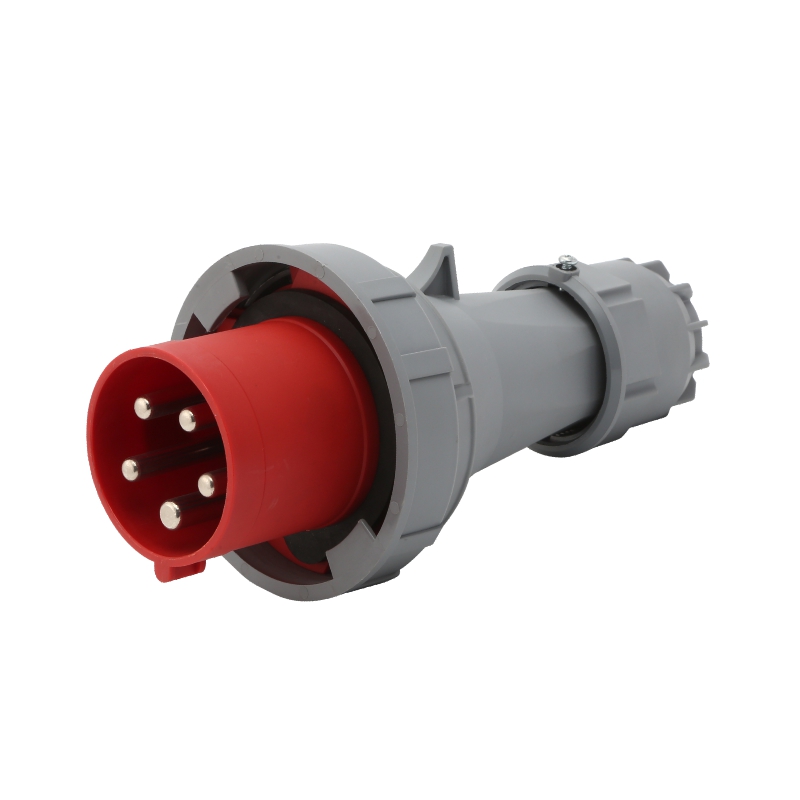
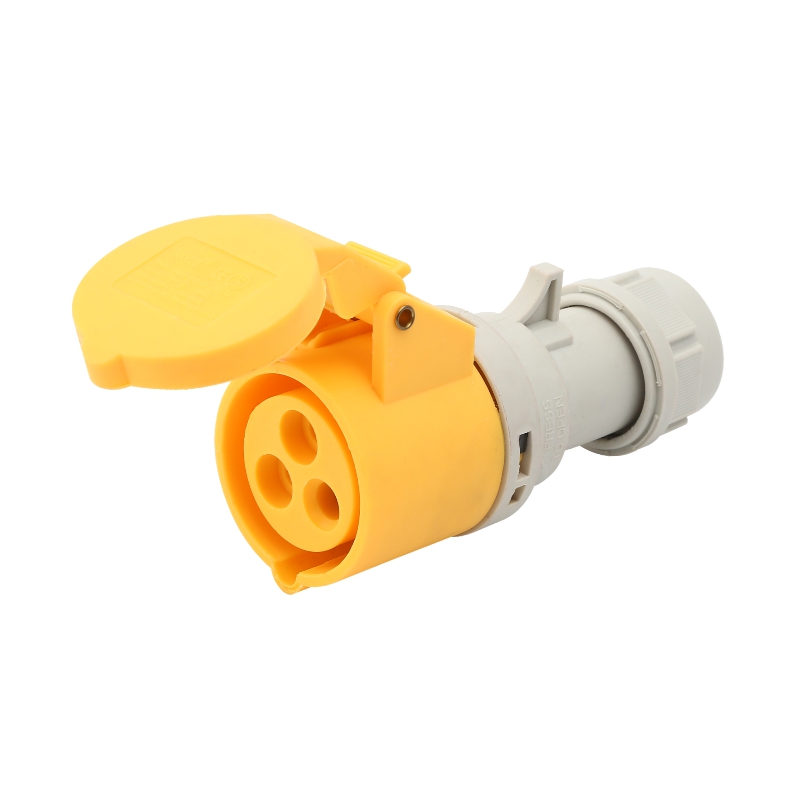
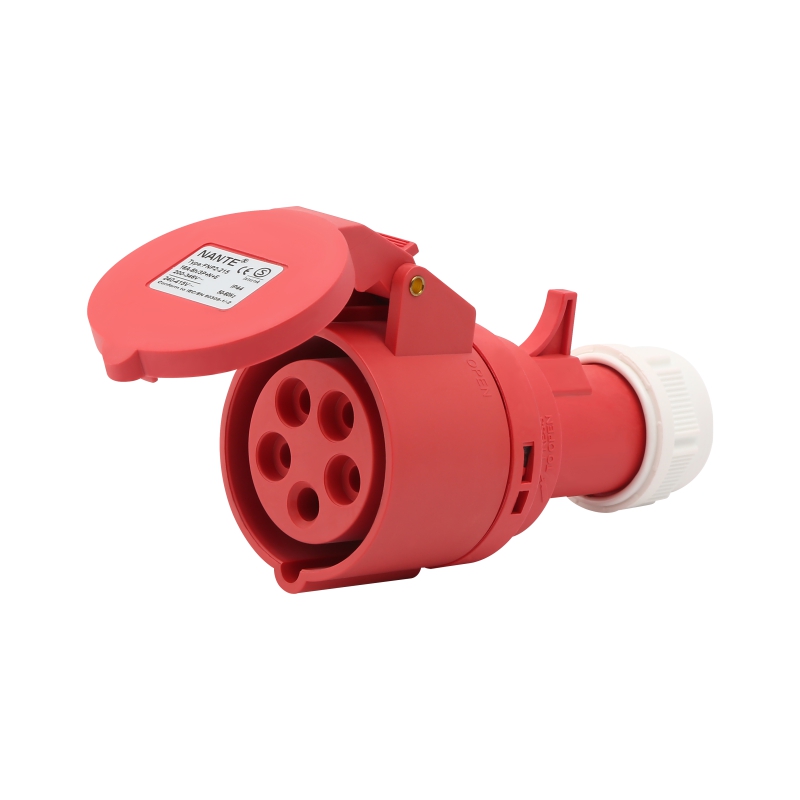
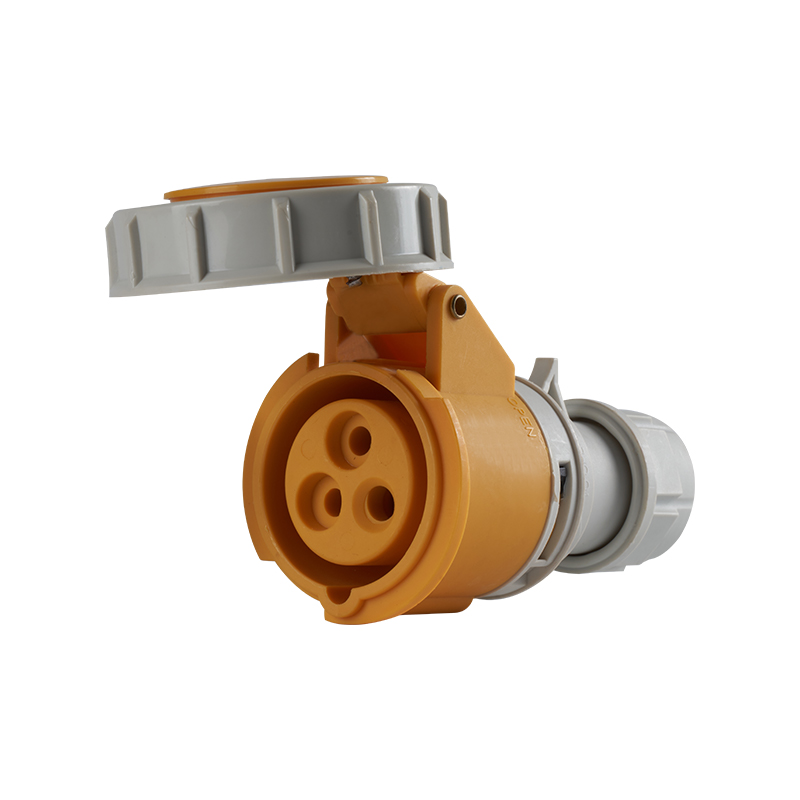
Engineers design power connectors with a clear purpose in mind: match form to function. In demanding environments, connectors are expected to withstand mechanical stress, repeated use and exposure to dust, moisture or vibration. In contrast, household sockets are created for everyday convenience and broad regional compatibility.
Recognizing these design priorities helps decision makers pick the right product for the job and reduces the likelihood of errors that could interrupt work or create hazardous conditions.
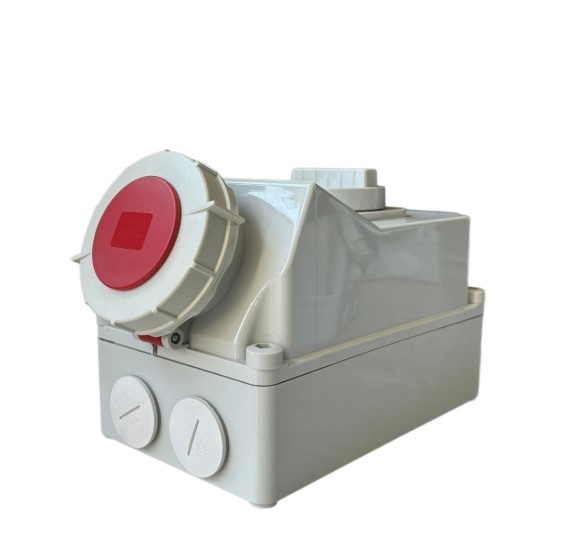
Beyond mechanical design, the human element — how people interact with connectors — is critical. Misconnection is frequently a result of rushed decisions, unclear labeling or unfamiliarity with equipment. Clear, consistent identification systems reduce cognitive load and prevent mistakes.
Incorporating human-centered cues into connector systems can deliver meaningful safety improvements with relatively low cost.
The expected lifecycle of a connector depends on its use environment. Items used frequently under stress require more attention than those used intermittently in benign conditions.
Proactive maintenance is not exclusively for large organizations; simple checklists adapted for home use can prevent surprises and extend service life.
Training need not be complex to be effective. Short, targeted instruction for staff, temporary workers or household members can greatly lower the probability of unsafe connections.
These strategies are applicable across settings and support a culture of safety.
Choosing between heavy-duty and household connector solutions is a question of fit rather than a question of superiority. High-spec connectors carry a higher upfront cost and need an infrastructure for maintenance, but they can reduce longer-term disruptions in demanding environments. Household solutions focus on affordability and usability for general consumers.
Decision makers should weigh immediate purchase costs against the frequency of use, exposure conditions and consequences of failure.
| Topic | Industrial approach | Household approach |
|---|---|---|
| Design aim | Prevent incorrect mating; sustain repeated use | Ease of use; fit regional standards |
| Identification | Durable markings and color cues | Standardized shapes and basic labeling |
| Environmental protection | Sealing, rugged housings | Basic insulation and finish |
| Maintenance | Scheduled inspection and replaceable parts | Occasional visual checks; replace if damaged |
| User interaction | Training and access control | Clear user instructions; simple operation |
For teams and homeowners who want a sensible path forward, a brief checklist helps translate principles into action.
These steps bring practical order to everyday choices and reduce the chance of mishaps.
As workplace practices evolve and do-it-yourself projects grow in popularity, the lines between industrial and household expectations are shifting. Lightweight tools and portable equipment blur traditional categories, prompting a re-evaluation of how connectors are specified and managed.
These trends point toward solutions that are adaptable and resilient across different settings.
Choosing the right connector is about aligning design, usage and upkeep. When sites adopt clear identification, sensible maintenance rhythms and concise user guidance, both safety and uptime improve. Whether specifying equipment for a challenging worksite or checking sockets at home, a few intentional steps reduce risk and extend useful life. For accessible resources and further practical tips on safe handling and identification, see nante.
 +86-577-62731897
 shireen@nante.com
 No.688 chezhan Road, Liushi town, Wenzhou, China
Copyright © 2024 Fly-Dragon Electrical Co., Ltd. All Rights Reserved.
 浙公网安备33038202003041号
 Privacy
Outdoor Socket Box Factory & Outdoor Electrical Distribution Panel Factory



 English
 Español
 Português
 Deutsch