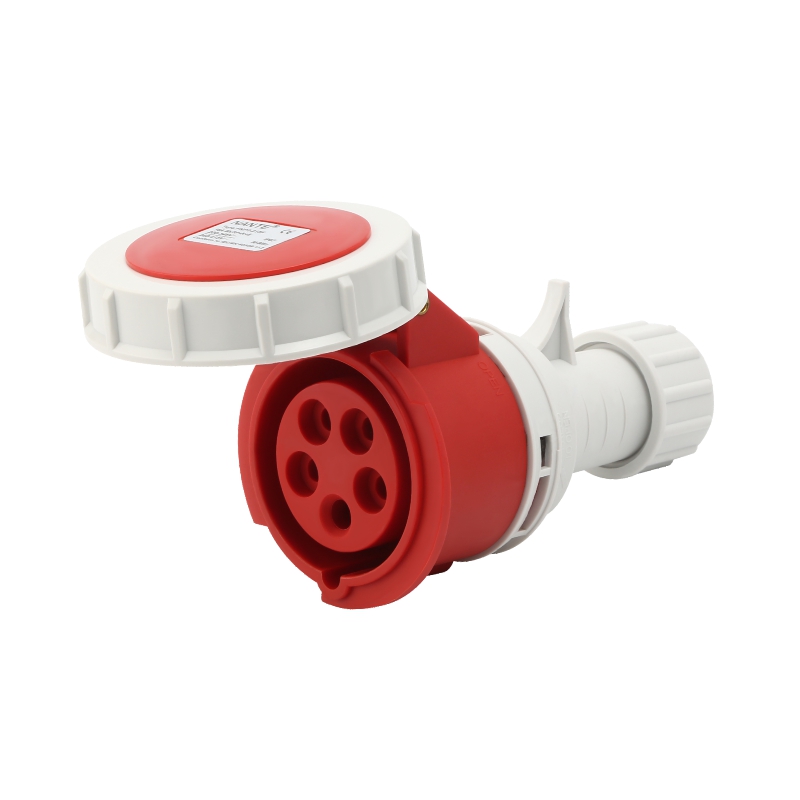
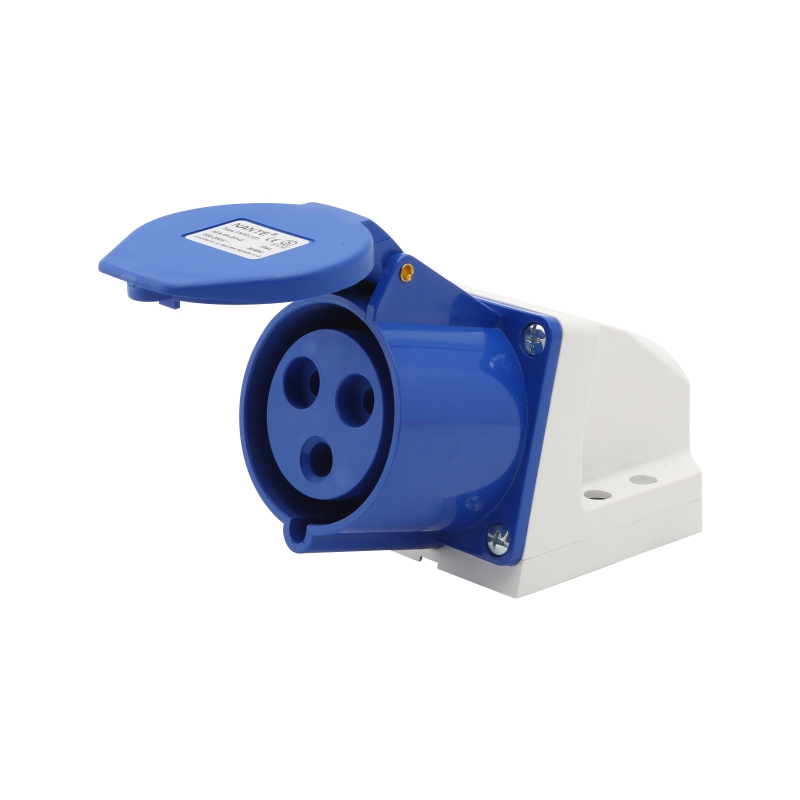
Can Plastic Electrical Socket Box Prevent Fire Hazards
Behind every wall switch or power outlet, there is a small enclosure that rarely gets attention. It sits inside the wall cavity, holding cables in position and separating electrical points from surrounding construction materials. This is the socket box.
When discussions about electrical fire safety appear, people usually focus on wiring quality, load control, or power devices. The socket box is often treated as a passive part. Something structural, not functional.
Yet in real building environments, this small enclosure is part of the physical boundary that influences how heat, pressure, and electrical stress behave over time.
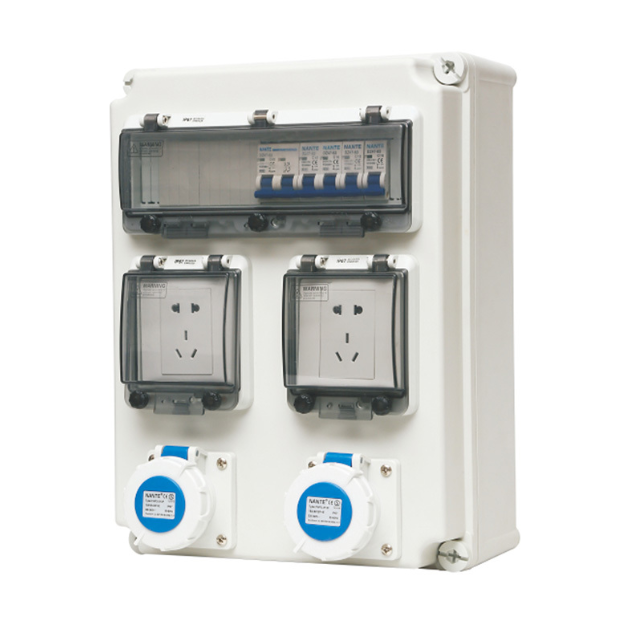
Plastic electrical socket box have become widely used in modern installations. Their presence raises a simple but important question: can they actually help reduce fire hazards, or are they just a housing component with no real impact?
The answer is not direct. It sits somewhere between material behavior, installation quality, and how electrical systems evolve after years of use.
Electrical fire risk does not usually appear suddenly. It builds gradually.
A loose connection can create slight resistance. That resistance produces heat. The heat may not be visible. It may stay trapped inside a small enclosed space.
Inside a wall, airflow is limited. Heat does not disperse easily. Instead, it accumulates in localized zones.
A socket box becomes part of this environment. It does not generate heat, but it contains the space where heat may appear.
This is why material choice and enclosure design matter. Not because they stop fire directly, but because they influence how conditions develop inside a hidden cavity.
Fire prevention in this context is less about stopping ignition and more about reducing the chance of uncontrolled heat concentration.
Plastic behaves differently from metal when exposed to temperature changes.
Metal spreads heat quickly. It allows energy to travel across surfaces. Plastic slows that movement down.
This difference may seem simple, but inside a wall cavity it becomes meaningful.
When heat appears in a localized electrical point, the surrounding material determines how fast that heat spreads.
Plastic socket boxes tend to slow heat transfer to surrounding wall structures. This creates a delay effect. Heat remains closer to its source for a longer time before reaching external surfaces.
This can be seen in a simplified comparison:
| Aspect | Plastic socket box | Metal socket box |
|---|---|---|
| Heat transfer speed | Slower | Faster |
| Wall heat exposure | Reduced immediate transfer | Faster spread |
| Internal heat behavior | More localized | More distributed |
This does not mean plastic prevents overheating. It means the path of heat movement changes.
And in fire-related discussions, the path of heat can influence how a situation develops.
Inside a wall, fire does not move in open space. It follows paths.
These paths include cable gaps, wall cavities, and any small openings that connect spaces together.
A socket box acts as a defined compartment inside this structure. It organizes wiring into a controlled area.
When electrical stress occurs, the box helps separate that activity from direct contact with wall materials. This separation can influence how quickly heat transfers outward.
If the enclosure is stable and properly fitted, it reduces open pathways that allow heat or flame to travel.
However, containment is not absolute. If conditions become severe, the behavior of fire depends on multiple elements:
The socket box is one layer in this system. It shapes boundaries, but does not control the entire outcome.
Even the stable material cannot compensate for poor installation.
In real construction environments, small installation details often decide long-term performance.
A slightly loose box may shift over time. Movement inside a wall cavity can affect cable stability. When cables are not stable, resistance points may form.
Resistance points are important because they can generate localized heat.
Another factor is cable entry alignment. When wires enter at pressure angles, insulation may experience gradual wear. This wear does not show immediate failure but may change electrical behavior over time.
Gaps between the box and wall surface also matter. These gaps can create small air channels. Air movement inside a wall is unpredictable. It can influence how heat is retained or dispersed.
Plastic socket boxes are often chosen because they are easier to adjust during installation. They fit into different wall types with less difficulty.
But ease of installation does not guarantee safety. The final result depends on precision and consistency during fitting.
A socket box may look simple from the outside, but its internal shape plays a subtle role.
Inside, there are cable entry points, mounting areas, and open space for wiring. The arrangement of these elements affects how cables sit and how pressure is distributed.
Plastic materials allow smoother shaping of internal surfaces. Smooth edges reduce friction points that could damage cable insulation during installation or movement.
Spacing inside the box also matters. If components are crowded, heat may remain concentrated in one area. If spacing is balanced, heat can stabilize more evenly.
Some designs guide cable direction in a structured way. This reduces random crossing of wires, which can affect resistance consistency.
Design does not remove risk. It organizes conditions so that risk behaves in a more predictable way.
When socket boxes are used outdoors, the environment becomes more dynamic.
Temperature changes occur more frequently. Moisture levels fluctuate. Dust and particles may gradually enter small openings.
Plastic materials respond to these changes with flexibility. They expand and contract without major structural breakage.
This flexibility helps maintain enclosure integrity under changing conditions.
However, outdoor performance depends heavily on sealing and protection layers. Without proper enclosure control, environmental factors can slowly affect internal wiring conditions.
From a fire perspective, outdoor risk is not usually sudden ignition. It is long-term exposure that gradually affects electrical stability.
In this situation, the socket box is part of a protective chain rather than a standalone barrier.
Electrical systems do not remain static.
Over months and years, small changes accumulate.
Connections may loosen slightly. Materials may age. Dust may settle in hidden spaces.
A socket box helps maintain physical order during these changes. It keeps wiring positioned and reduces internal movement.
Movement is important because even small shifts can influence electrical resistance. Resistance changes can find to heat variation.
Heat variation inside a closed wall space is not always visible. It may develop slowly without clear external signs.
This is why periodic observation of visible electrical points is often considered useful in practice.
Discoloration, looseness, or unusual surface changes can indicate internal stress.
The socket box itself does not cause these changes. It simply holds the structure in place while other factors evolve.
Modern construction practices are shifting toward system-based thinking.
Instead of evaluating each component separately, attention is moving toward how components interact.
Socket boxes are now considered part of a broader electrical environment that includes wiring, insulation, wall materials, and installation methods.
Material behavior under real conditions is becoming more relevant than isolated specifications.
At the same time, installation consistency is receiving more focus. Small variations in fitting can find to different long-term outcomes, even when using identical components.
Compatibility with multiple wall types is also important. Construction environments vary widely, and socket boxes must adapt to different structural conditions without losing stability.
In this evolving context, Electrical Socket Box Factory remain a common choice because they balance flexibility, insulation behavior, and ease of installation.
Their contribution to fire safety is not direct prevention. It is structural influence over how electrical conditions develop over time inside enclosed spaces.
 +86-577-62731897
 shireen@nante.com
 No.688 chezhan Road, Liushi town, Wenzhou, China
Copyright © 2024 Fly-Dragon Electrical Co., Ltd. All Rights Reserved.
 浙公网安备33038202003041号
 Privacy
Outdoor Socket Box Factory & Outdoor Electrical Distribution Panel Factory



 English
 Español
 Português
 Deutsch