How to Maintain an Outdoor Power Distribution Panel in Harsh Environments
 Home / News / Industry News / How to Maintain an Outdoor Power Distribution Panel in Harsh Environments
 Outdoor power distribution panel do not get much attention when everything runs as expected. They sit at the edge of a site, often exposed, sometimes overlooked. Yet they carry steady responsibility. When conditions turn rough, they are the ones that take the impact first.
Wind carries dust. Rain arrives without warning. Heat builds up on exposed surfaces. Cold nights leave behind moisture that was not there before. Over time, these changes shape how a panel behaves. Maintenance, in this context, becomes less about routine and more about awareness.
We are follows the day-to-day reality of keeping an outdoor panel stable in demanding surroundings. It focuses on practical actions, small observations, and habits that grow into long-term reliability.
No two sites feel the same. A panel near the sea deals with air that tastes of salt. One placed near open land sees dust moving almost constantly. In industrial areas, the air may carry fine residue that clings to surfaces.
There are also places where temperature swings shape the daily cycle. Warm air in the afternoon. Cool air after sunset. Moisture forms quietly when these changes meet. In colder regions, freezing and thawing repeat in cycles that affect seals and outer layers.
Sometimes the harshness is not dramatic. It builds slowly. A thin layer of dust. A small crack along an edge. A hinge that does not close as tightly as before. These are easy to ignore at first. Left alone, they begin to connect with each other.
A fixed schedule sounds simple, but real conditions rarely follow a calendar. In a calm setting, monthly checks may feel enough. In a rough setting, that gap can be too wide.
Many teams shift toward a flexible rhythm. Planned inspections still exist, but they are supported by short, informal checks. A technician passing by may pause, take a look, and notice a change that would otherwise go unseen.
It helps to think of maintenance as a continuous presence rather than a single task. Some days bring nothing unusual. Other days reveal small signs that suggest a closer look is needed.
Spacing out attention over time often works better than waiting for a full inspection.
A careful look can say more than expected.
Start with the outside. The surface may show fading, marks, or uneven patches. These can hint at how the panel faces the environment. Edges and corners deserve attention. They are often the points where wear begins.
Open and close the door. Notice the feeling. A smooth motion suggests alignment. Resistance or looseness may suggest change. The seal around the door should sit evenly. Any gap, even a small one, can invite dust or moisture.
Look around the base. Water may collect after rain. Sand may drift and settle. Grass or weeds may grow close to the structure. These details are easy to miss, yet they influence what happens inside.
Inside the panel, the air has its own story. A dry and clean interior feels different from one that carries dampness or dust. Even without tools, a person can sense when something has shifted.
Moisture rarely arrives in a single form. It may come as rain that seeps through a weak point. It may form from air that cools down and releases water quietly. It may even rise from the ground after a long wet period.
Seals play a quiet role here. When they are new, they press firmly and keep gaps closed. Over time, they lose shape. They may harden or crack. Once that happens, the path for moisture becomes easier.
Maintenance often begins with touch. A seal that feels dry or uneven may need attention. Replacing or adjusting it early prevents a larger issue later.
Air movement also matters. A completely sealed space can trap moisture that forms inside. A small level of airflow can help balance conditions. The goal is not to block everything, but to manage the exchange carefully.
Wiping away visible moisture is a simple step. Understanding why it appeared is the next step.
Dust has a way of moving without notice. It rides on wind, follows movement, and settles in quiet corners.
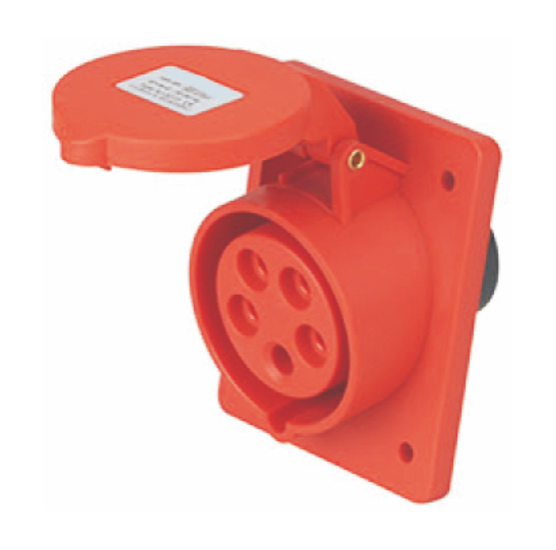
At first, it forms a thin layer. Over time, it thickens. When moisture joins, the layer becomes heavier and sticks more firmly. This can affect how the Outdoor Socket Box breathes and how heat moves through it.
Cleaning is not about force. Gentle action works better. A soft cloth, a light brush, or controlled air can remove loose particles without pushing them deeper.
Some areas gather more dust than others. Corners, edges, and sheltered spots are common places. Regular attention to these points reduces buildup.
It also helps to notice patterns. If dust returns quickly, the surrounding environment may be the reason. In such cases, small changes outside the panel can make a difference inside.
Every material changes over time. Sunlight, moisture, and air all play a role.
Surfaces that once looked even may begin to fade or show slight variation. Coatings that once felt smooth may develop texture. These changes do not always mean failure. They signal that the material is reacting to its environment.
Edges and joints often show the earliest signs. A small break in a surface can expand if left alone. Maintenance here is about slowing that process.
Simple care can extend the life of these surfaces. Cleaning removes substances that may accelerate wear. Drying prevents long-term exposure to moisture. Light surface treatment, when needed, restores some protection.
Watching these details over time creates a clearer picture of how the panel is aging.
Temperature does not stay still. It rises and falls, sometimes within the same day.
When heat builds, materials expand. When cold arrives, they contract. These movements are small, but repeated cycles can affect alignment. Seals may lose their shape. Doors may feel different when opening or closing.
Condensation often follows temperature change. Warm air inside meets a cooler surface and leaves behind moisture. This can happen quietly, without visible signs at first.
Placement plays a role here. A panel under partial shade may face less stress than one in direct sunlight all day. Orientation also matters. Surfaces facing strong wind or sun will age differently from those that are sheltered.
Seasonal checks help track these changes. A panel that feels stable in one season may behave differently in another.
The space around the panel is part of its environment.
Water that collects near the base can raise humidity levels. Loose soil can turn into dust during dry periods. Nearby equipment can create vibration or movement in the air.
Keeping the area clear is a simple but effective step. Removing debris, trimming plants, and managing drainage all support the panel's condition.
Sometimes a small barrier or cover can reduce direct exposure. Even a slight change in surroundings can shift how the panel interacts with the environment.
Observing the area after weather changes gives useful insight. It shows how water flows, where dust settles, and how conditions shift over time.
Maintenance does not always need a formal setting. It can become part of regular activity.
A person walking past the panel may notice something different. A quick touch of the door, a glance at the surface, or a look at the ground nearby can reveal changes early.
Keeping simple notes helps track patterns. Not every detail needs to be recorded, but repeated observations build understanding. Over time, it becomes easier to tell what is normal and what is not.
Working in pairs can also help. One person may see something another misses. Sharing small observations creates a broader view.
These habits do not require extra effort. They grow naturally when attention becomes part of routine work.
A clear structure helps, but it does not need to be rigid.
| Area Of Focus | What To Look For | Suggested Action |
|---|---|---|
| Outer Surface | Marks, fading, cracks | Clean and observe changes |
| Door And Seal | Fit, flexibility, gaps | Adjust or replace if needed |
| Interior Space | Dust, moisture, loose parts | Remove buildup, secure items |
| Base And Ground | Water, debris, plant growth | Clear and manage surroundings |
| Environmental Signs | Heat, cold, airflow patterns | Monitor and adapt placement |
This table acts as a guide rather than a rule. It can be adjusted to match different conditions. The goal is to keep attention balanced, without focusing too much on one area while ignoring others.
Large repairs often begin with small signs. A thin layer of dust. A slight gap. A drop of water in the wrong place.
Addressing these early reduces the chance of larger problems. It also builds confidence in the system. People working around the panel begin to trust its condition because they know it is being watched.
Consistency matters more than intensity. A steady approach, built on simple actions, keeps the panel in a stable state even when the environment is not stable.
There is a quiet rhythm in this kind of work. Observe, respond, adjust, and continue. Over time, that rhythm becomes part of how the system lives and adapts.
 +86-577-62731897
 shireen@nante.com
 No.688 chezhan Road, Liushi town, Wenzhou, China
Copyright © 2024 Fly-Dragon Electrical Co., Ltd. All Rights Reserved.
 浙公网安备33038202003041号
 Privacy
Outdoor Socket Box Factory & Outdoor Electrical Distribution Panel Factory



 English
 Español
 Português
 Deutsch