Could an Industrial Plug Socket Connector Improve Reliability on the Shop Floor
 Home / News / Industry News / Could an Industrial Plug Socket Connector Improve Reliability on the Shop Floor
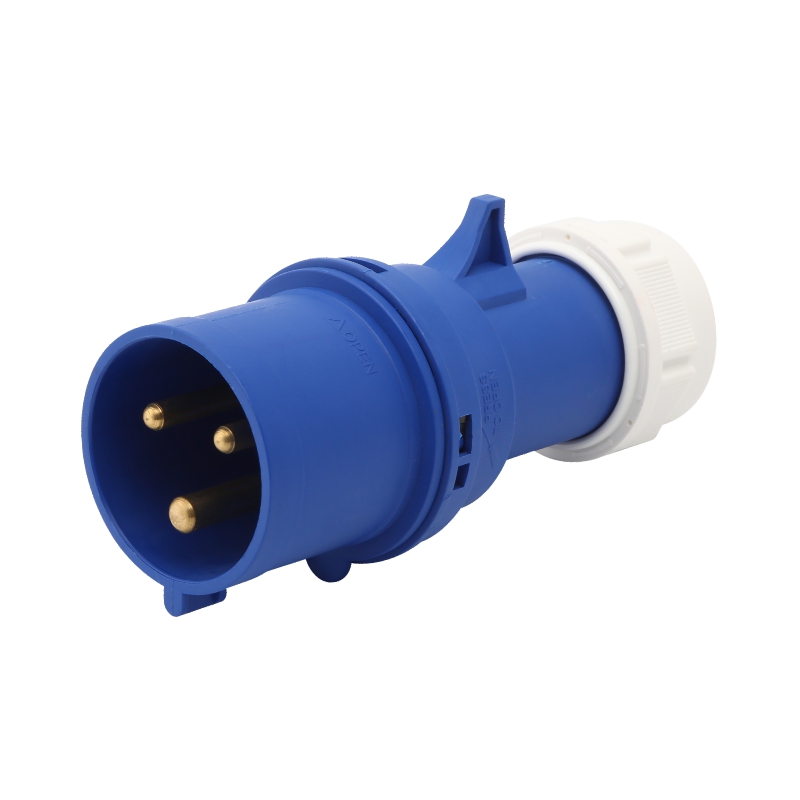
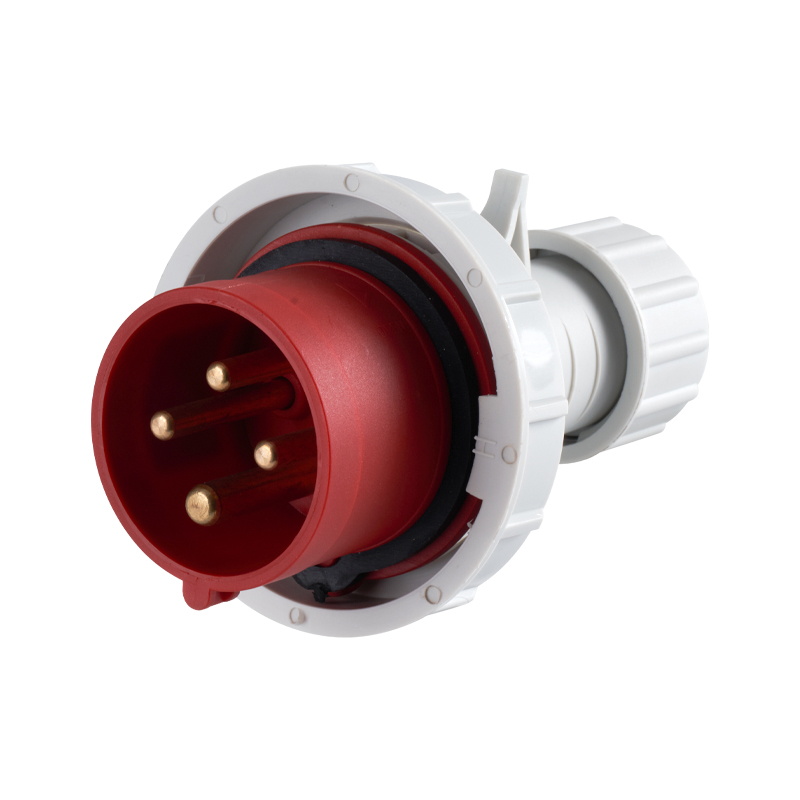
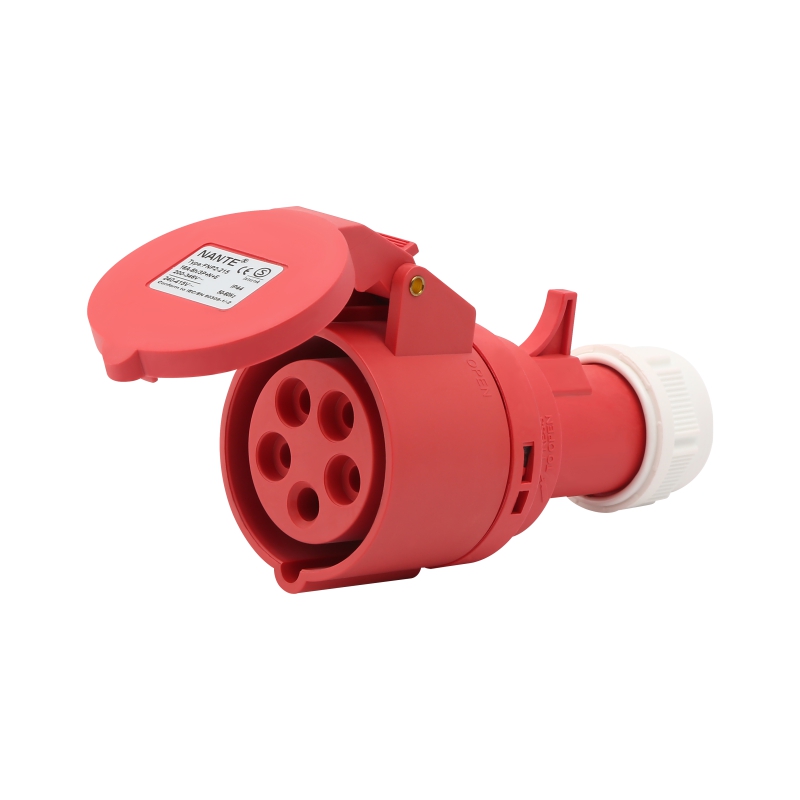
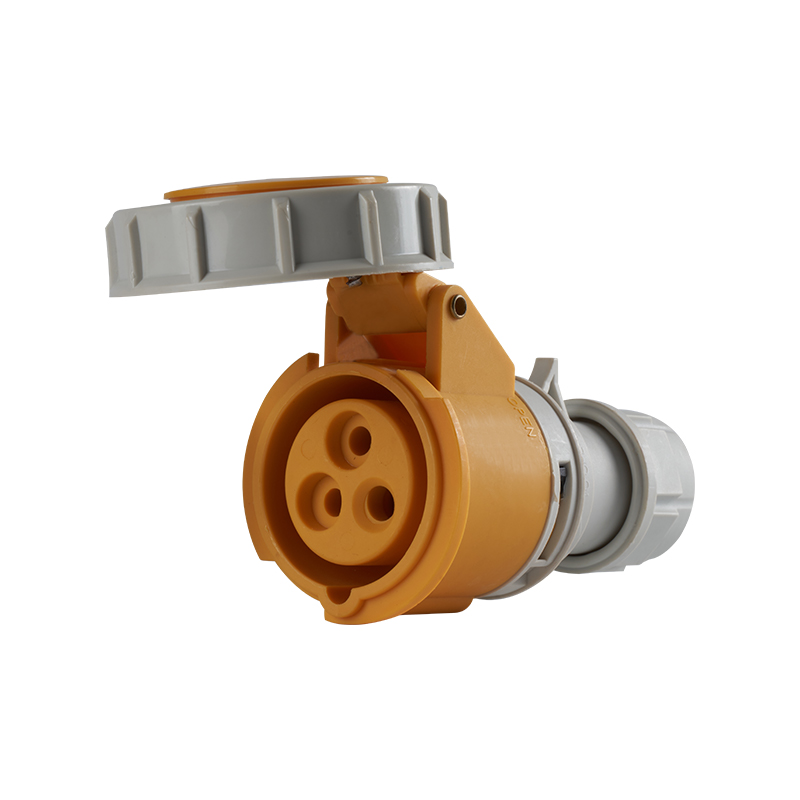
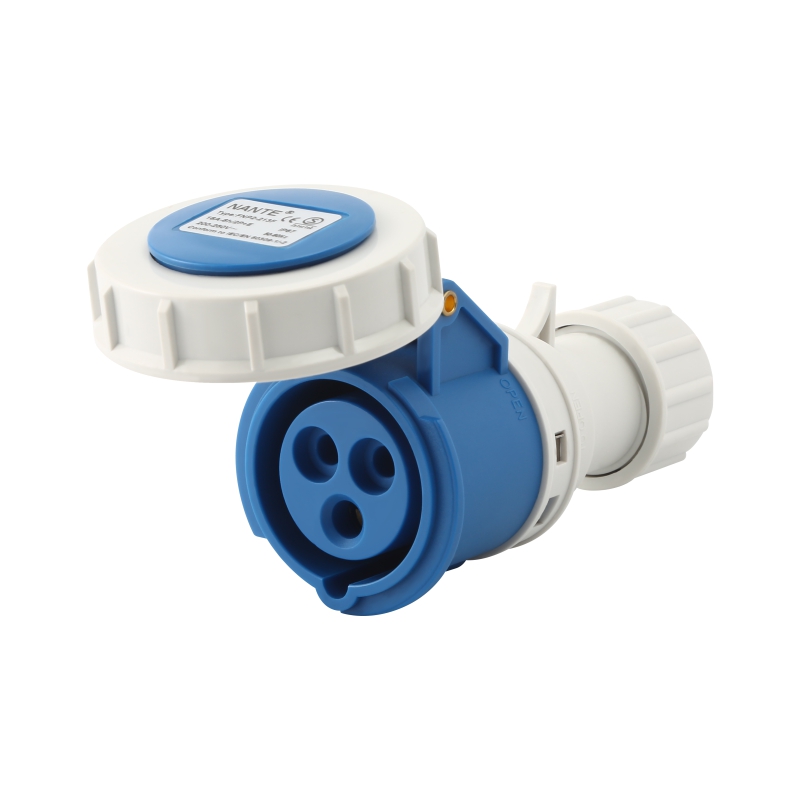
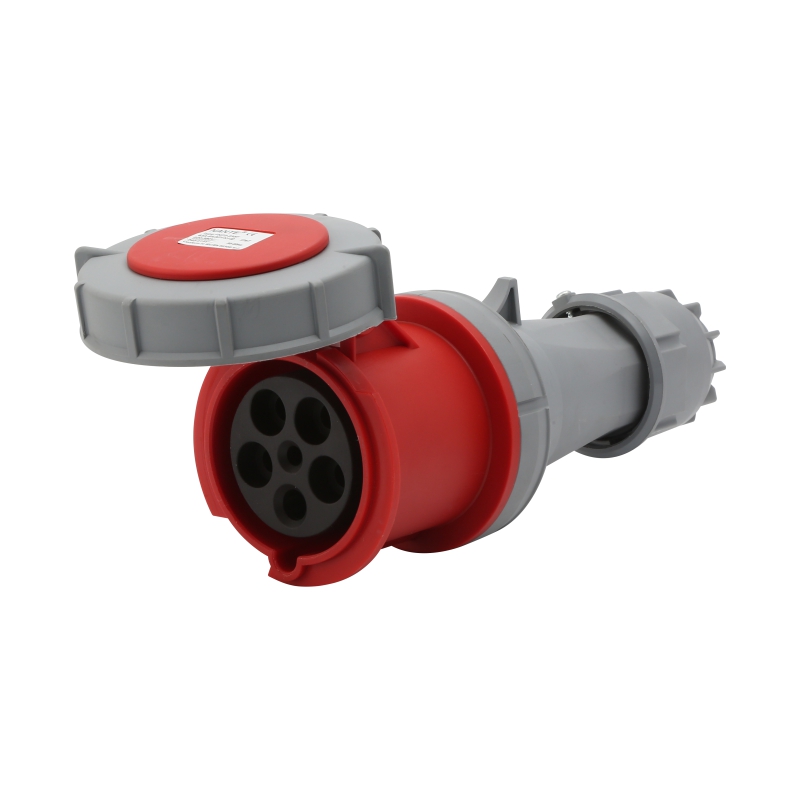
 Connectors sit quietly between power and performance in industrial environments. When chosen with care, an Industrial Plug Socket Connector can reduce downtime, simplify maintenance and support safer operations across diverse facilities. As factories and sites adapt to changing workflow demands, the connector has become part of a broader conversation about how small components influence overall system reliability and worker safety.
A connector’s job is straightforward: carry electricity safely and reliably between devices and infrastructure. Yet the real-world conditions in which connectors operate can complicate that simple purpose. Selecting the right Industrial Plug Socket Connector means aligning the connector’s design with the electrical role, the physical environment and the operational practices where it will be used.
These considerations are practical levers that maintenance teams and procurement staff can pull to increase service life and reduce incidents related to poor connectivity.
Industrial spaces present a wide range of conditions: dust, moisture, chemicals, and mechanical stress can all shorten the life of a connector if those factors are not accounted for during selection.
Understanding the actual site conditions—and where connectors will sit within those conditions—allows teams to pick products that match the operational reality instead of an idealized laboratory scenario.
A connector must physically and electrically match the equipment it serves. Simple mismatches can cause installation delays or force improvised fixes that create safety hazards over time.
Thoughtful planning at the design and installation phases prevents many downstream problems and reduces the operational complexity for technicians.
Safety features integrated into connector designs lower the chance of accidental shock, short circuits or unsafe workarounds.
A clear focus on safety in procurement criteria helps align product choices with workplace safety standards and good practices.
Short-term savings on a low-cost connector can be outweighed by higher maintenance and replacement costs. Durability and ease of servicing are central to total cost of ownership.
Maintenance teams value connectors that can be inspected and replaced with predictable effort and minimal interruption.
Operational effectiveness depends on supporting processes around connectors—not just the product itself.
These organizational measures amplify the benefit of good product selection by making routine work more reliable and efficient.
| Setting | Typical connector choice | Practical tip |
|---|---|---|
| Fixed machinery | Rugged, panel-mounted connectors | Provide clear access and strain relief |
| Temporary power distribution | Durable, easy-to-mate connectors | Organize spares and disposal plans |
| Mobile equipment | Shock-resistant connectors with retention | Protect against cable strain at mount points |
| Harsh or corrosive areas | Corrosion-resistant housings and finishes | Schedule routine inspections and cleaning |
This table gives a concise reference for teams deciding what style of connector suits various environments.
When procurement, maintenance and operations teams treat the connector decision as part of system design, gains show up in reduced interruptions and a clearer safety posture. An Industrial Plug Socket Connector is more than a commodity—it is a functional interface that influences how people interact with equipment and how reliably systems perform.
For planners and technicians preparing specifications, a checklist that covers environment, compatibility, safety and serviceability helps ensure choices support long-term objectives. Simple organizational practices—labeling, spare holding and staff training—multiply the impact of a sound product selection process.For guidance on sourcing and product options, consider reviewing supplier information and technical summaries that reflect site-specific needs. For more information about industrial solutions, you can visit nante.
 +86-577-62731897
 shireen@nante.com
 No.688 chezhan Road, Liushi town, Wenzhou, China
Copyright © 2024 Fly-Dragon Electrical Co., Ltd. All Rights Reserved.
 浙公网安备33038202003041号
 Privacy
Outdoor Socket Box Factory & Outdoor Electrical Distribution Panel Factory



 English
 Español
 Português
 Deutsch