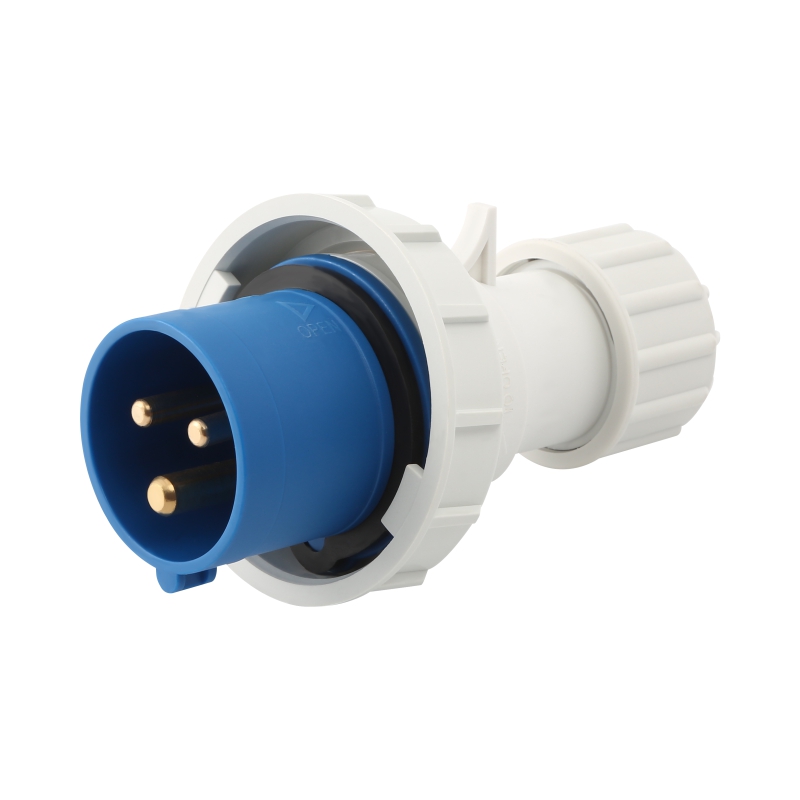
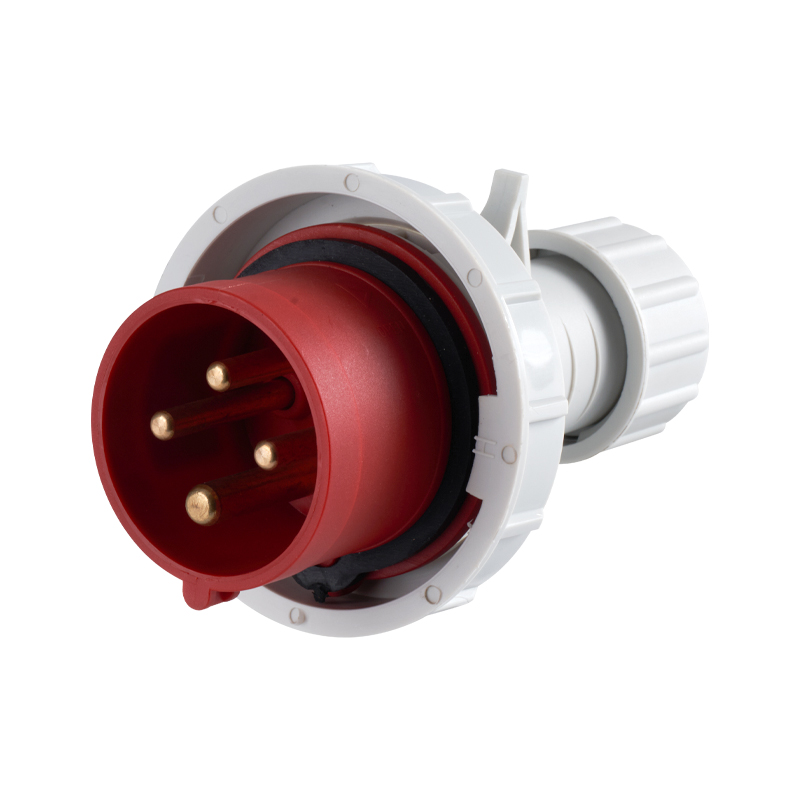
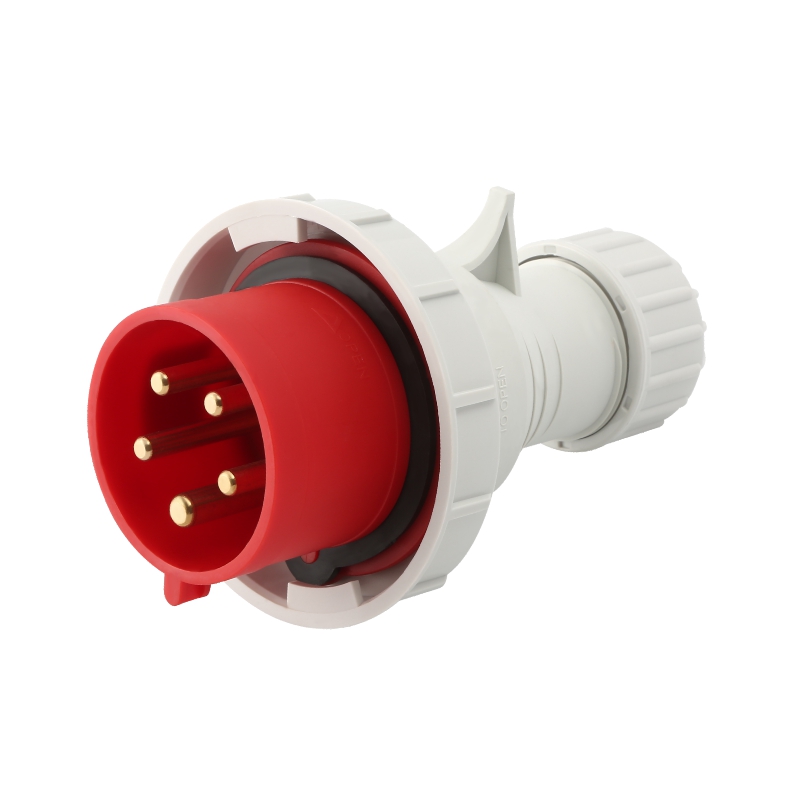
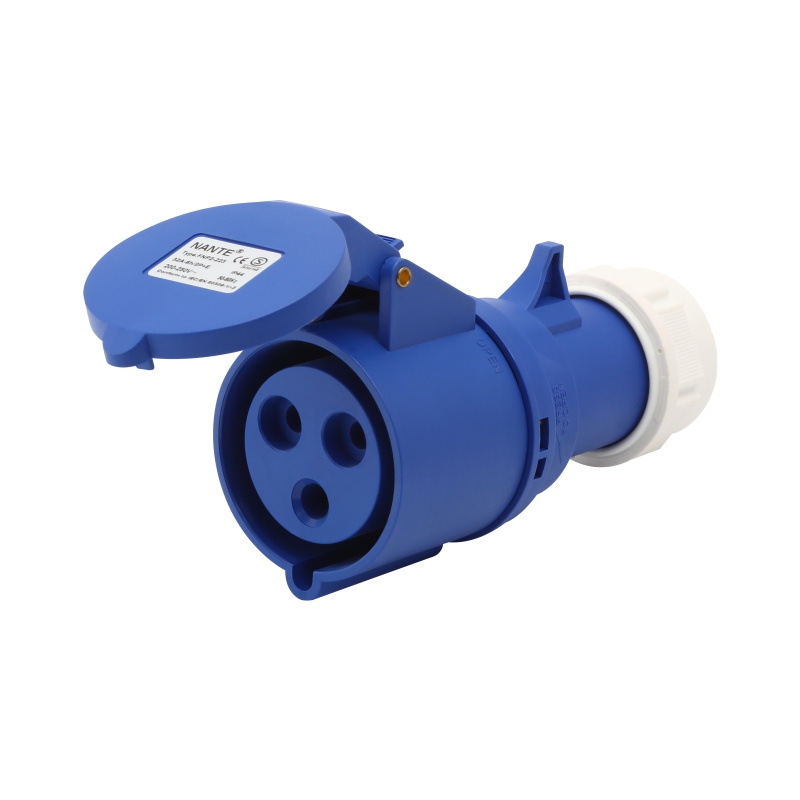
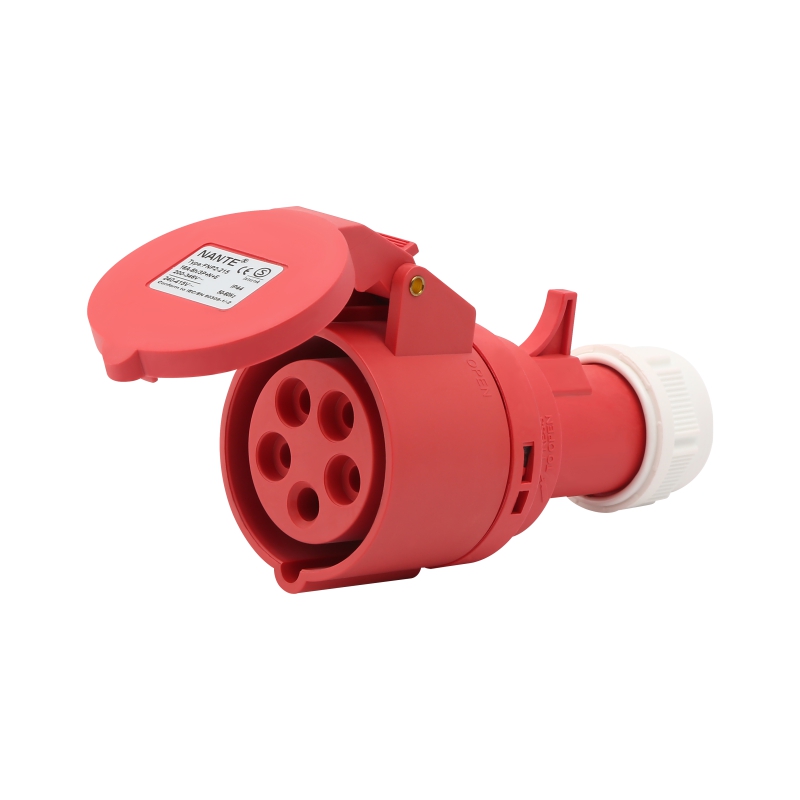
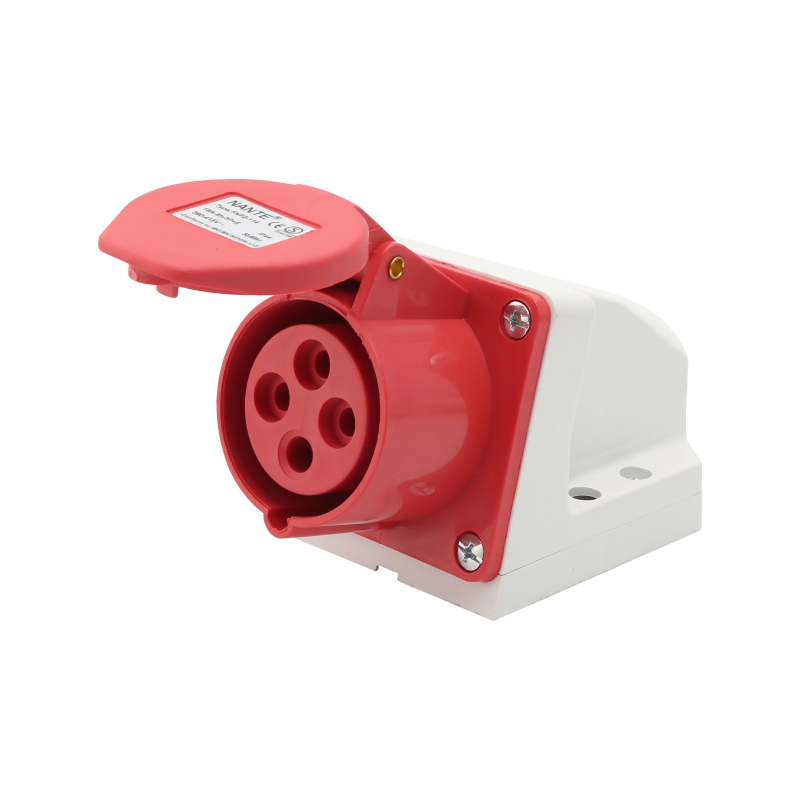
Could an Industrial Plug Socket Connector Shape the Next Generation of Power Infrastructure
 Home / News / Industry News / Could an Industrial Plug Socket Connector Shape the Next Generation of Power Infrastructure
 Industrial power distribution is quietly changing. As factories, logistics centers, and large commercial facilities demand safer, smarter, and more flexible connections, the humble Industrial Plug Socket Connector is gaining renewed attention as more than a simple coupling device. Engineers, safety managers, and procurement teams are asking whether modern connector design — paired with networked monitoring and modular thinking — can reduce downtime, improve safety, and make power distribution easier to adapt as facilities evolve.
The function of an industrial connector goes beyond joining wires. In many settings the connector is the good line of defence against faults, the point where operators change equipment rapidly, and the place where downtime can start or stop. That practical role means design choices matter: rugged construction, secure mating, and clear environmental protection all influence reliability and long-term operating cost. Industry reports point to steady market growth driven by modernization and safety-focused investments.
Industrial outlets and connectors are governed by widely adopted standards that set expectations for performance and safety. These norms cover environmental ratings, mating styles, and testing regimes that ensure devices perform under expected site conditions. Staying aligned with current standards is not just paperwork — it reduces risk and often simplifies procurement. References to international standards remain central to how specifiers choose connector types.
A clear trend is the move to smarter outlets and connectors that do more than pass power. Embedded sensors, simple metering, and networked status reporting let facilities monitor use at the point of connection, detect unusual currents or temperature rises, and schedule maintenance before a failure happens. This edge-level intelligence helps turn individual connections into data points for predictive maintenance and energy management.
Industrial settings demand physical robustness. IP-rated housings, locking collars, and materials chosen for chemical or UV resistance extend service life in harsh environments. Enclosures that balance weather protection with easy access for inspection deliver practical advantages on shop floors and outdoor installations alike.
As production lines get reconfigured more often for short runs or varied products, power distribution must follow suit. Connector systems that combine power, signal, and even data pathways allow compact, tidy routing that simplifies repositioning machines or adding new modules. That modularity shortens changeover time and reduces the need for complex rewiring during layout changes.
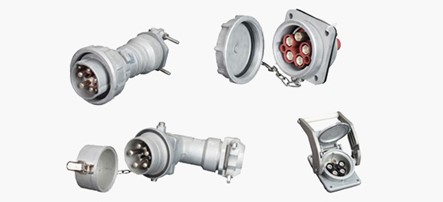
Beyond basic mechanical protection, modern connector systems incorporate features that directly reduce electrical hazards: keying to prevent mismating, interlocks that disconnect power before engagement, and designs that prevent live-pin exposure during coupling. Those refinements matter good in high-turnover environments or where non-electrical staff may handle plugs during shift changes.
Connectors are maintenance points. Simple inspection routines, easy access to contacts, and components that are replaceable without complex tools dramatically lower the cost of ownership. When facilities track connector-related events — overheats, misfeeds, or repeated disconnections — managers can target upgrades or re-routing to hotspots rather than chasing intermittent faults.
| Connector Aspect | Why it matters | Practical tip |
|---|---|---|
| Environmental protection | Prevents moisture and dust ingress | Match the IP rating to the installation environment |
| Mechanical locking | Avoids accidental disconnection | Use locking collars in high-vibration areas |
| Smart sensing | Enables predictive maintenance | Integrate point-level metering into CMMS |
| Modular design | Simplifies reconfiguration | Specify replaceable intelligence modules |
| Standard compliance | Eases procurement and inspection | Reference current standards in project specs |
Market analyses point to steady expansion in demand for industrial connectors, driven by automation, infrastructure modernization, and a push for safer workplaces. As facilities digitize, the line between a connector and an instrumented node blurs; procurement teams need to weigh not just initial cost but life-cycle value including reduced downtime and lower maintenance overhead.
When teams assess where to invest in upgraded connectors, several pragmatic rules apply.
Connector evolution is incremental rather than revolutionary. The picture that emerges is one of gradual feature addition: safer mechanical designs, smarter monitoring, and integrated cabling that supports flexible operations. For production managers and design engineers, the opportunity lies in aligning connector selection with a broader maintenance and automation strategy so that connectivity becomes a managed asset rather than a recurring problem.
For teams seeking practical case studies and implementation examples of Industrial Plug Socket Connector systems in working facilities, manufacturer and industry resources provide concrete reference material and installation guidance. For additional reading and examples of industrial connector applications, see nante.
 +86-577-62731897
 shireen@nante.com
 No.688 chezhan Road, Liushi town, Wenzhou, China
Copyright © 2024 Fly-Dragon Electrical Co., Ltd. All Rights Reserved.
 浙公网安备33038202003041号
 Privacy
Outdoor Socket Box Factory & Outdoor Electrical Distribution Panel Factory



 English
 Español
 Português
 Deutsch