Is an Industrial surface mounted socket the right solution for demanding sites
 Home / News / Industry News / Is an Industrial surface mounted socket the right solution for demanding sites
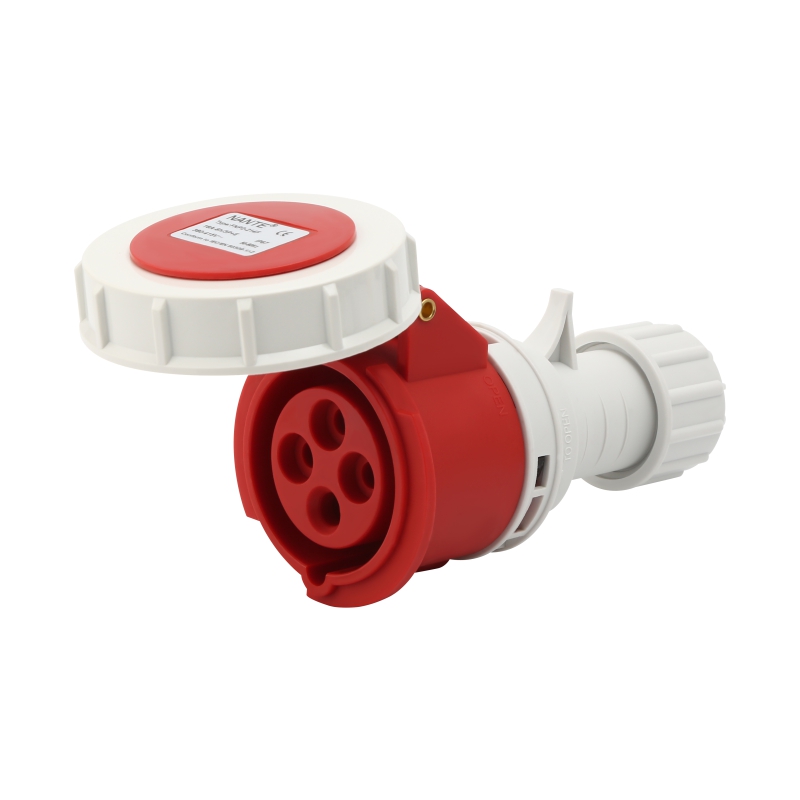
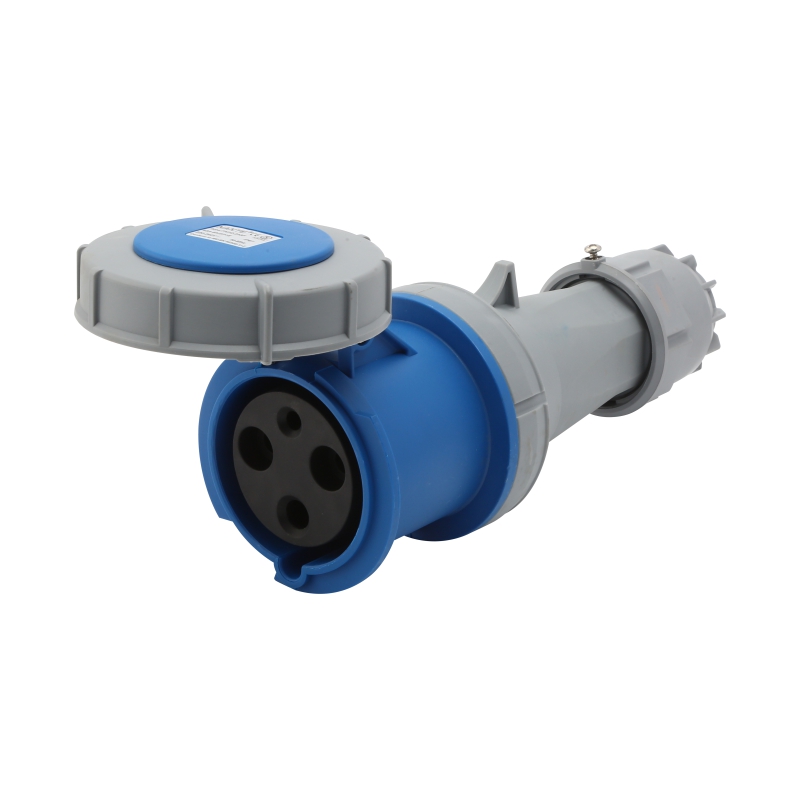
 As infrastructure projects, factory floors, and outdoor worksites continue to push the limits of equipment and environment, attention is turning to the small but critical components that keep power flowing. An Industrial surface mounted socket — a connector designed for rugged use and straightforward installation — is increasingly discussed in professional circles as a way to reduce downtime and improve safety.
It is easy to overlook connectors when planning electrical systems. Yet connectors are the last physical link in the supply chain of electricity: when they perform reliably they are invisible; when they fail they can halt operations, create hazards, and trigger costly repairs. Recent deployments in construction, temporary event power distribution, and mobile units show a clear pattern: environments that expose connectors to moisture, impact, dust, and heat demand a different approach than indoor, low-use situations. The Industrial surface mounted socket is positioned to address those needs by combining a protective housing with user-focused design details.
Together, these choices mean the units are aimed at continued service in conditions that would shorten the life of typical household connectors.
These characteristics help site managers plan for both routine maintenance and emergency response, while reducing the frequency of unplanned replacements.
| Feature / Context | Industrial surface mounted socket | Standard household connector |
|---|---|---|
| Typical environment | Exposed, variable, and demanding sites | Controlled, indoor domestic settings |
| Housing durability | Engineered materials and reinforced construction | Basic plastics suitable for indoor use |
| Environmental protection | Designed to resist ingress and impact | Limited protection; suited for dry, sheltered areas |
| Lifecycle in frequent-use settings | Designed for extended service under repeated use | Intended for occasional or stable household use |
| Safety features | Mating controls and secure locking mechanisms | Basic contact design, minimal mechanical keying |
| Ease of on-site servicing | Surface-mounted access simplifies inspection and replacement | May require panel access or displacement for service |
The operational argument for switching from standard consumer fittings to a surface-mounted industrial unit often rests on three linked benefits:
These are practical outcomes familiar to facilities managers and safety engineers who measure success by uptime and incident reduction rather than aesthetic qualities.
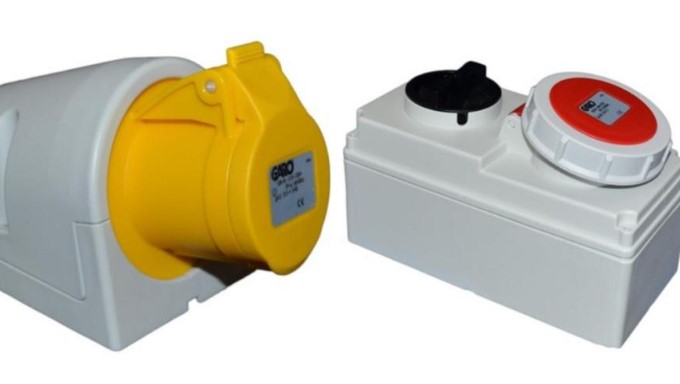
When planning to incorporate an Industrial surface mounted socket into a project, procurement teams and engineers should consider the following non-technical but project-critical aspects:
These steps help integrate the connector choice into the larger asset-management plan and support predictable long-term performance.
Several operations that moved to surface-mounted industrial connectors reported practical advantages. In one case, a temporary outdoor power distribution scheme reduced connector-related interruptions during a long-term event by standardizing on a protected surface-mounted format. In another, a maintenance team appreciated the simplified access and locking features, which shortened the time needed for routine inspections without increasing risk exposure for technicians.
What emerges from these reports is a pragmatic pattern: when the environment and usage model are demanding, an investment in a connector type suited to those conditions tends to yield returns in reliability and operational clarity.
These tips reflect routine, actionable practices that reduce the frequency and impact of connector-related problems.
As industries increasingly emphasize resilience and predictable operational costs, connector selection becomes an element of broader asset strategy. Surface-mounted industrial connectors fit neatly into an approach that treats power distribution as a system of interrelated components where each part contributes to overall reliability. For teams aligning to contemporary procurement and operational frameworks, this means documenting connector choice as part of system risk management, maintenance planning, and lifecycle budgeting. This practice supports discoverability in technical documentation and helps satisfy on-site audit requirements.
Choosing the right connector is a practical decision with tangible consequences for safety, uptime, and maintenance effort. Where exposure to weather, dust, impact, or frequent mechanical interaction is expected, the Industrial surface mounted socket offers a purpose-built option that brings protection, accessibility, and operational clarity. For installations where conditions are stable and sheltered, standard indoor fittings remain appropriate; however, when a project requires resilience and predictable long-term performance, the surface-mounted industrial approach merits close consideration.For teams seeking additional resources on specification and on-site practices, see nante.
 +86-577-62731897
 shireen@nante.com
 No.688 chezhan Road, Liushi town, Wenzhou, China
Copyright © 2024 Fly-Dragon Electrical Co., Ltd. All Rights Reserved.
 浙公网安备33038202003041号
 Privacy
Outdoor Socket Box Factory & Outdoor Electrical Distribution Panel Factory



 English
 Español
 Português
 Deutsch