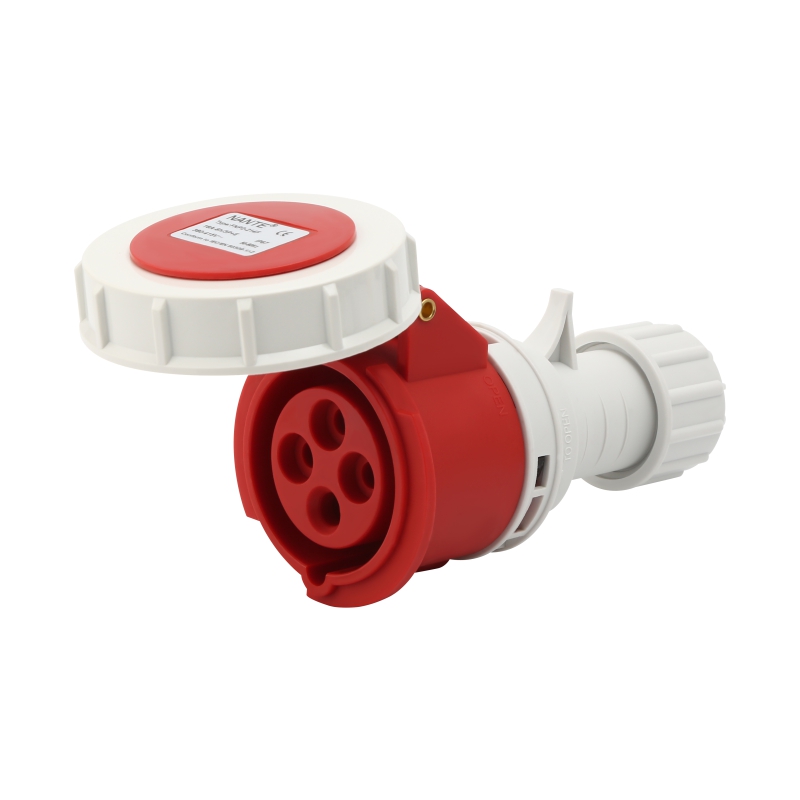
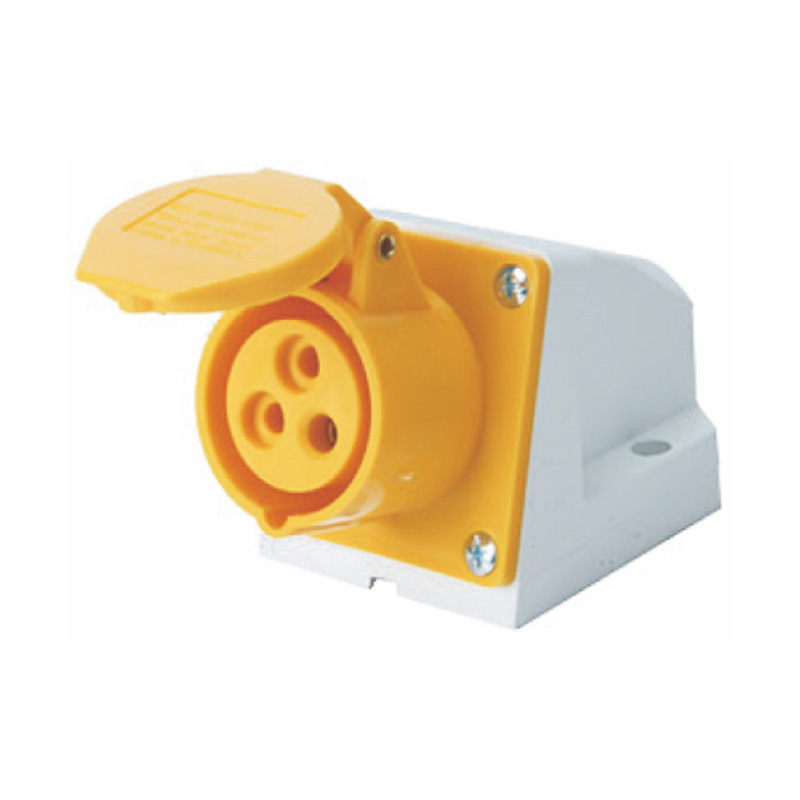
Could an Industrial surface mounted socket Improve Day-to-Day Site Reliability
 Home / News / Industry News / Could an Industrial surface mounted socket Improve Day-to-Day Site Reliability
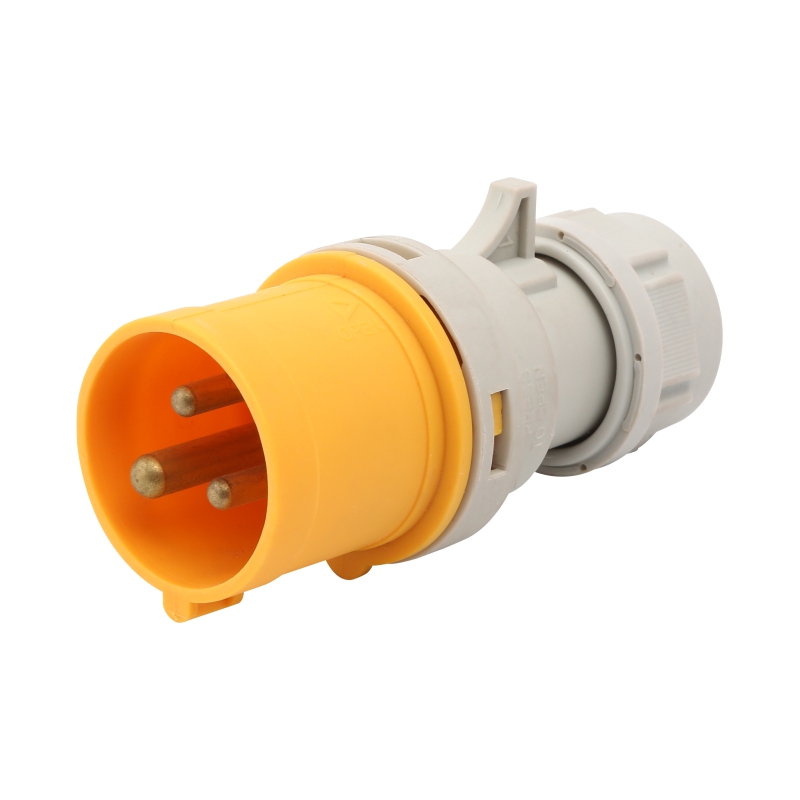
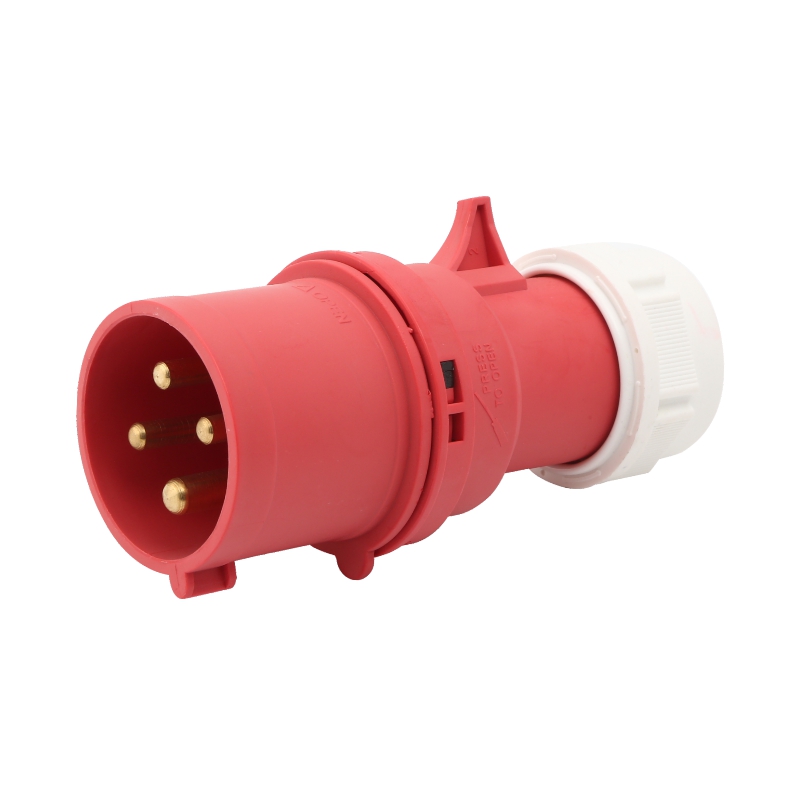
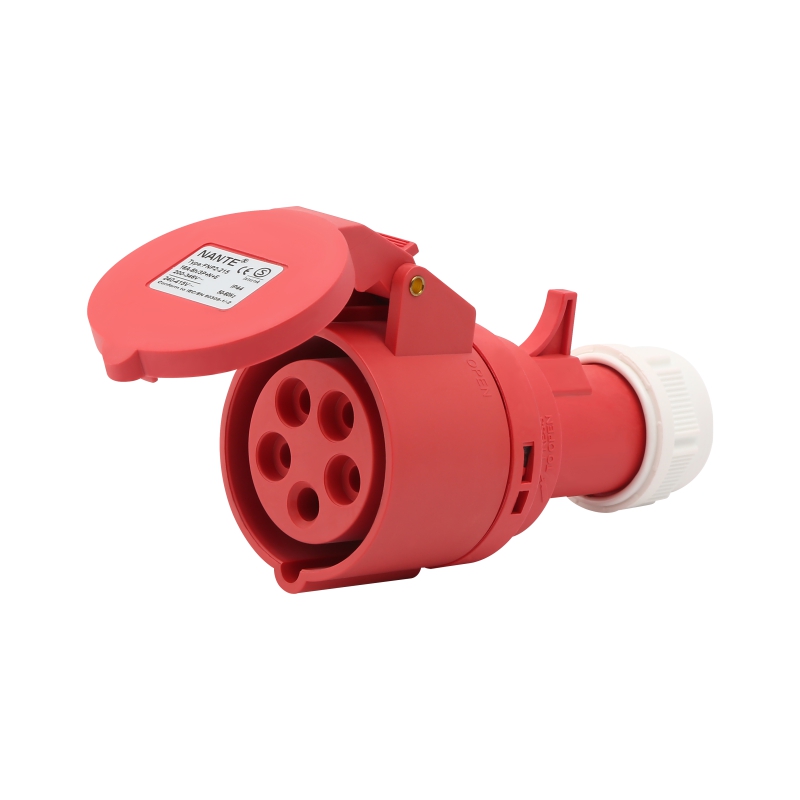
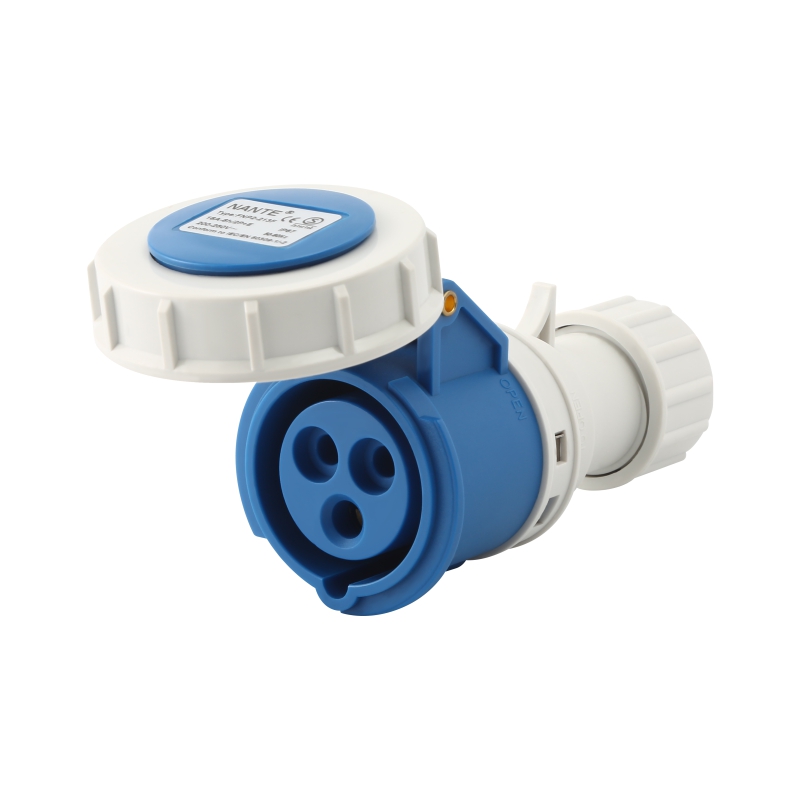
 As projects scale and workplaces seek predictable power connections, a simple hardware choice can shape uptime, safety, and maintenance effort. The industrial surface mounted socket has returned to focus in workshops, temporary power systems, and field installations because it offers visible access and straightforward mounting.
Power distribution is more than routing electricity; it is about where and how connections are made accessible. Mounting a socket on a surface rather than recessing it or embedding it in a panel often improves visibility and simplifies physical access. For teams that perform frequent tests, temporary hookups, or fast equipment swaps, surface-mounted points reduce the time spent hunting for outlets and lower the chance of strain on a cable during routine operations.
Different work environments bring different risks and needs. The following snapshots summarize why a surface-mounted approach is chosen in several fields.
Choosing a surface-mounted socket is a set of trade-offs rather than a single technical verdict. Project teams commonly evaluate these practical dimensions:
Balancing these factors helps determine whether surface mounting offers a clear operational advantage or if another mounting approach is preferable.
Correct placement and secure fastening are simple but powerful steps to extend the service life of a connector. Installers typically follow a set of common-sense rules:
These practices reduce wear, make faults visible early, and help maintain safe operation during routine use.
| Use case | Why surface mounting is chosen | On-site tip |
|---|---|---|
| Factory reconfiguration | Fast access for temporary setups and mobile carts | Mark sockets clearly to guide teams |
| Temporary construction power | Durable, visible points for shifting site needs | Place in sheltered locations when possible |
| Mobile mining gear | Simple inspection on moving frames | Check seals after heavy vibration |
| Skid-mounted controls | Accessible maintenance points on platforms | Ensure housings resist local contaminants |
| Field commissioning | Easy tie-ins for test instruments | Protect unused ports with caps |
Field trials reveal realities that specifications do not. Short-term deployments under typical operating conditions allow teams to evaluate heat buildup, looseness, ingress, and whether the physical layout interferes with workflows. Trial periods also identify human factors issues — for example, whether a surface-mounted socket is placed where it becomes a trip hazard or where cables obstruct movement.
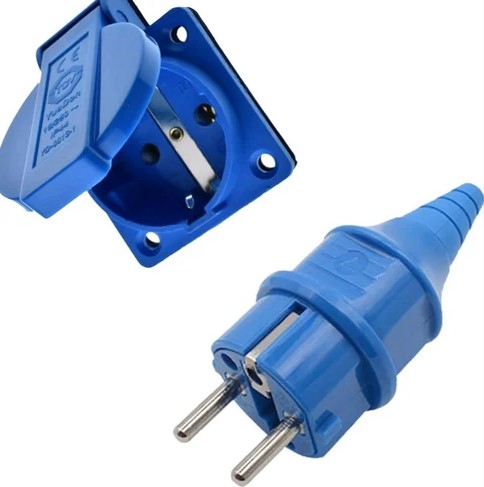
A simple, focused handover helps operators and technicians use connectors safely. Brief sessions that cover safe plugging and unplugging, how to secure a locking collar, and what to look for during visual inspections reduce user error and encourage prompt reporting of wear. Frontline staff who know what symptoms to watch for help prevent minor deterioration from progressing into failures that halt operations.
Maintenance is not complex but it must be routine. Regular checks for worn seals, loose fasteners, and surface damage can catch issues early. Cleaning contact faces where appropriate and replacing protective caps after exposure to harsh weather preserve reliable mating. Simple record-keeping of inspections helps planners schedule replacements before connectors reach a point of failure.
If the installation involves unusual chemical exposure, potential explosive atmospheres, or complex temporary distribution, seeking technical advice is prudent. Engineering input can assist with siting to minimize cable strain, selecting compatible mounting hardware, and integrating protective devices that coordinate with the site’s safety systems. In larger projects, early consultation reduces retrofit work later.
A connector is a small component, but choices about mounting, placement, and upkeep ripple through an operation. Clear mounting reduces time wasted locating power points, well-maintained sockets reduce unexpected outages, and simple training lowers the likelihood of operator-caused incidents. These outcomes translate into smoother workflows and predictable maintenance cycles, which are especially valuable in remote or high-cost environments.
When planners treat connector choices as part of system design rather than an afterthought, installations tend to be more resilient. Surface-mounted sockets can be a practical choice when visibility, ease of access, and straightforward inspection are priorities. Deployments that pair careful siting with routine inspections and short hands-on trials usually yield dependable performance in daily use.For sourcing guidance and regional contacts, consider reaching out to local suppliers and resources at nante.
 +86-577-62731897
 shireen@nante.com
 No.688 chezhan Road, Liushi town, Wenzhou, China
Copyright © 2024 Fly-Dragon Electrical Co., Ltd. All Rights Reserved.
 浙公网安备33038202003041号
 Privacy
Outdoor Socket Box Factory & Outdoor Electrical Distribution Panel Factory



 English
 Español
 Português
 Deutsch