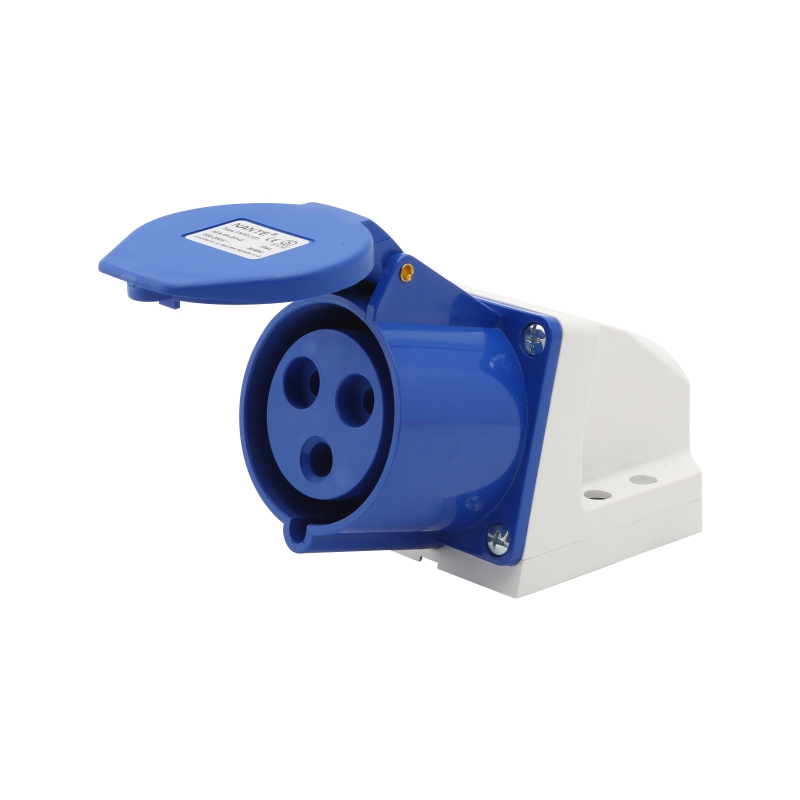
Could an Electrical Outdoor Box Signal a Hidden Danger in Your Home
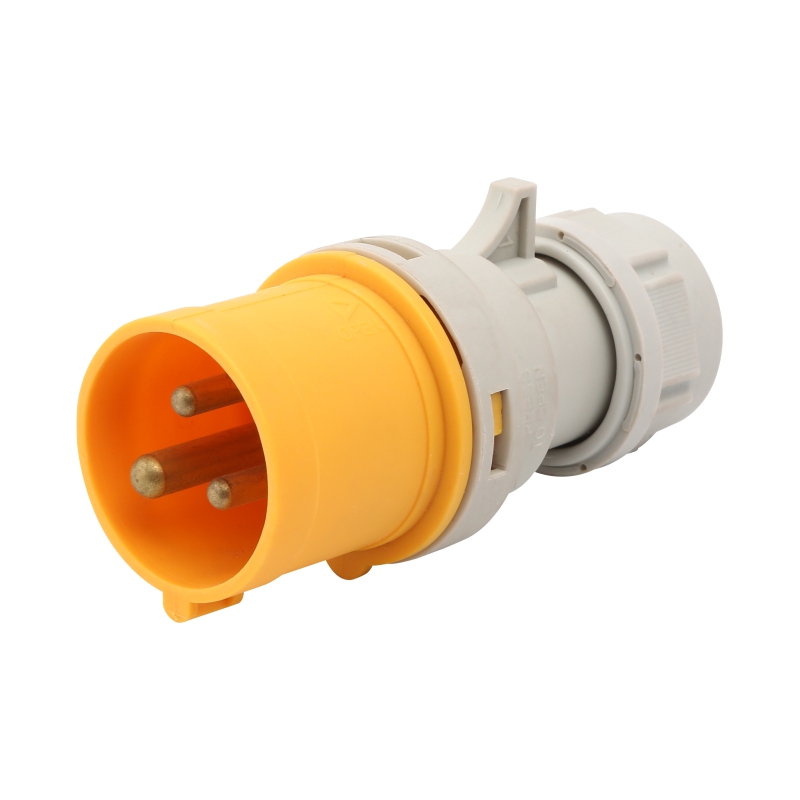
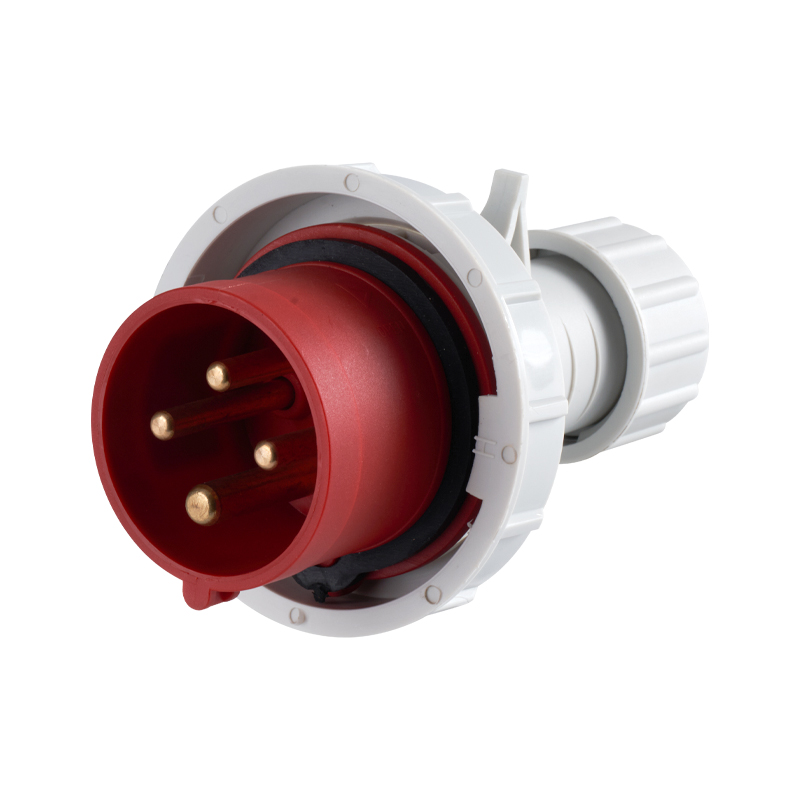
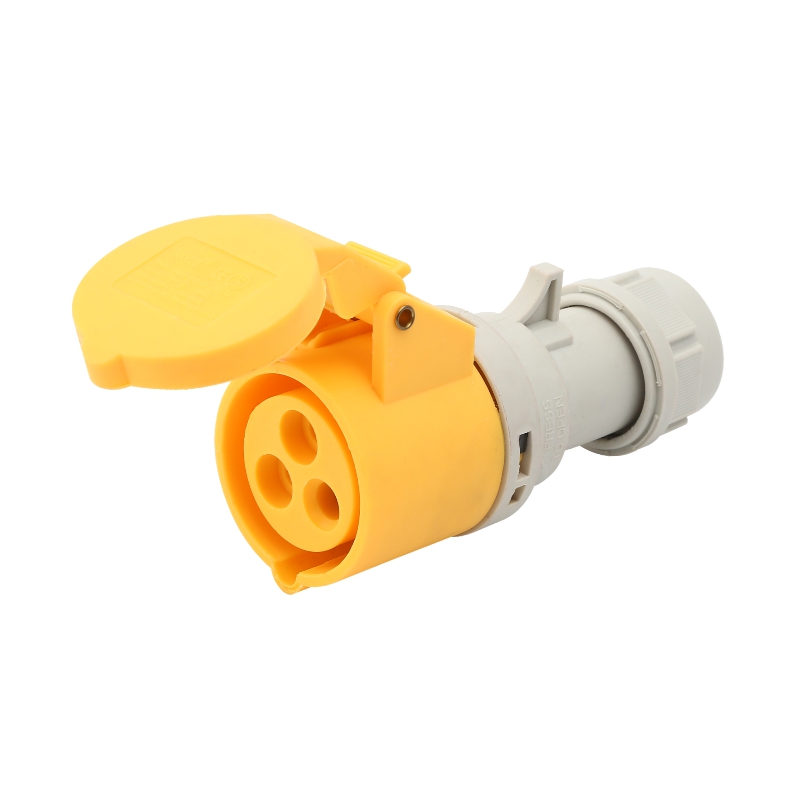
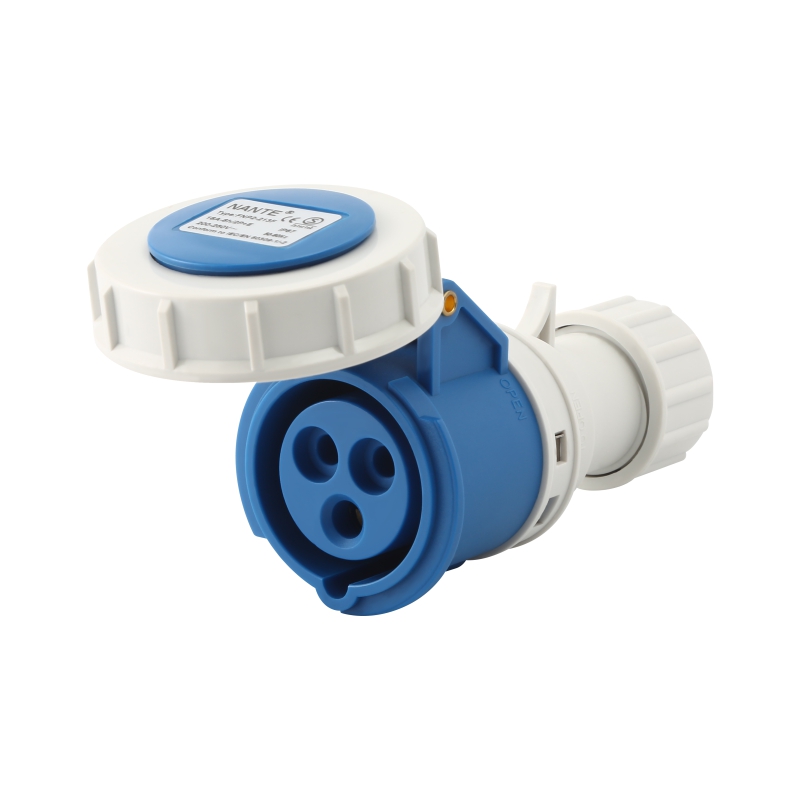
A quiet hum behind a wall, a faint metallic odor in the basement, or lights that dim when appliances run — these are the kinds of signs that prompt homeowners to look more closely at the heart of their household power system. As electricians and safety experts warn, an aging or failing distribution unit can present both an inconvenience and a serious hazard. Increasingly, attention is turning not just to what happens inside the home but to outdoor enclosures and service points — including the Electrical Outdoor Box — that protect critical connections from the elements.
Electrical distribution equipment is designed to operate without fanfare, but its steady performance depends on intact connections and undamaged components. Over time, exposure to moisture, temperature swings and normal wear may degrade materials. When protective covers show signs of wear, or when unusual sounds and smells emerge, technicians say homeowners should take those signals seriously rather than dismissing them as minor annoyances.
Outdoor enclosures serve as the good line of defense where cables and equipment transition from the utility to the home. When these boxes are compromised by water, corrosion, or pest entry, internal components can be stressed or damaged. An Electrical Outdoor Box that is not sealing properly or that shows signs of corrosion can allow moisture to reach connections, accelerating wear and increasing the chance of arcing or short circuits.
Homeowners do not need to be technicians to recognize when something is wrong. A cautious approach can reduce risk while ensuring a proper diagnosis:
If you smell something unusual:
Reduce load on nearby circuits.
If breakers trip frequently or protection seems irregular:
Avoid repeatedly resetting a tripping device without investigation.
If you see sparks, scorch marks, or melted material:
Treat the situation as urgent and minimize use of affected circuits.
| Sign observed | What it may indicate | Suggested immediate step |
|---|---|---|
| Buzzing or unusual noise | Loose connection or overloaded component | Reduce load; arrange inspection |
| Burning or metallic odor | Overheating or arcing | Ventilate if safe; stop using the affected area |
| Frequent trips | Overstressed circuits or failing protection | Note patterns; avoid repeated resets |
| Corrosion or moisture in enclosure | Water ingress or poor sealing | Avoid exposure; schedule professional check |
| Visible scorching or melting | Active arcing or severe overheating | Disconnect power if safe; seek urgent help |
Regular visual checks can catch many problems before they escalate. Qualified technicians recommend periodic inspections that include checking seals, tightening accessible fasteners, and ensuring that enclosures remain free of standing water and debris. For outdoor boxes and service equipment, attention to weatherproofing and sound mechanical condition keeps small issues from becoming larger safety hazards.
Routine maintenance tasks:
Clear vegetation and debris away from outdoor enclosures.
Ensure covers and gaskets remain snug.
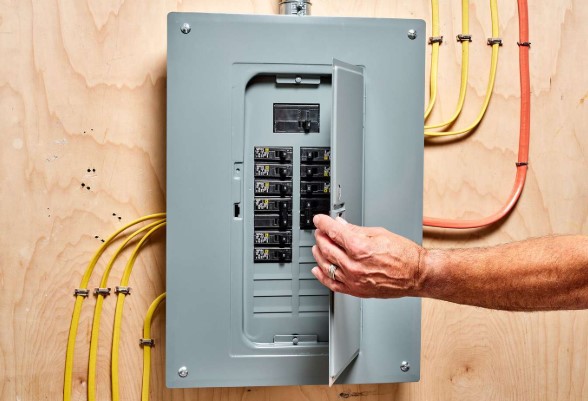
When a distribution unit has aged or when household energy needs have changed, replacing a compromised unit can restore reliable protection and simplify future repairs. Upgrades also give technicians an opportunity to modernize sealing and mounting methods, making enclosures easier to inspect and maintain. Homeowners planning renovations or adding high-demand equipment are encouraged to discuss system capacity and enclosure condition with a licensed professional.
Safety begins with awareness and caution. Simple habits lower the chance of an incident and make it easier for professionals to diagnose problems:
Keep an incident log: record dates and descriptions of symptoms.
Avoid DIY repairs inside protective enclosures; internal components can be dangerous.
Provide clear access to outdoor equipment for service personnel.
Any sign of arcing, smoke, heat, or repeated loss of power warrants a professional evaluation. Licensed technicians bring tools and procedures designed to find the root cause safely, whether it is a loose terminal, water damage, or worn insulation. Prompt assessment reduces the chance of property damage and helps ensure that recommended remedies align with local safety codes.
Beyond individual homes, failures at service points or outdoor enclosures can affect neighboring residences and utility operations. Local building departments and utility providers encourage coordinated responses when equipment servicing intersects with public rights-of-way or shared lines. Addressing problems early also avoids the ripple effects of emergency repairs that can be more disruptive and costly.
Electrical safety is an ongoing concern that blends observation, sensible habits and timely professional care. An enclosure outside your house — such as an Electrical Outdoor Box — may seem mundane, but its condition can influence reliability and safety inside the home. If you notice unusual sounds, smells, or repeated protection issues, document what you see and seek a qualified inspection. Taking action early helps prevent small faults from developing into significant hazards and keeps everyday life running smoothly. For practical guidance and resources on home electrical safety, see nante.
 +86-577-62731897
 shireen@nante.com
 No.688 chezhan Road, Liushi town, Wenzhou, China
Copyright © 2024 Fly-Dragon Electrical Co., Ltd. All Rights Reserved.
 浙公网安备33038202003041号
 Privacy
Outdoor Socket Box Factory & Outdoor Electrical Distribution Panel Factory



 English
 Español
 Português
 Deutsch