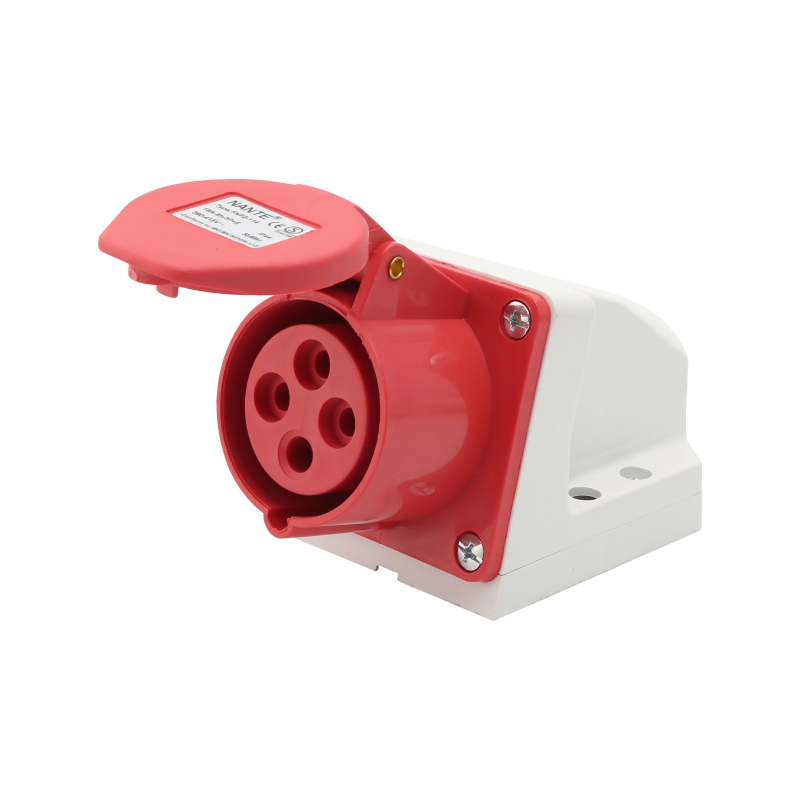
Could an Outdoor Socket Box Be Hiding a Growing Safety Risk
Across yards, patios, and community spaces, outdoor power points perform quiet but essential work — supplying electricity for lighting, pumps, tools, and seasonal gatherings. Yet safety advisors and inspectors are increasingly urging homeowners to notice early warning signs around exterior fixtures. When problems begin at an outdoor connection, the consequences can range from intermittent appliance failure to a serious fire or shock hazard. Knowing which signals to look for and what to do next can help protect people, property, and equipment.
Exterior fittings face conditions that indoor outlets typically do not: rain and humidity, temperature swings, sunlight exposure, lawn care activity, and occasional impacts. These stresses can accelerate wear to enclosures, seals, and internal connections. An outdoor housing that was installed years ago may no longer match current usage patterns — for example, heavier seasonal loads or frequent temporary connections for events — which increases the chance of failure.
Regular visual checks and quick responses to unusual signs often prevent larger interventions. Educating household members and managers about the prompts for action helps keep outdoor areas safe throughout the year.
Certain sensory cues are reliable indicators that an outdoor power point deserves immediate attention. If any of the following occur, reduce use and arrange for a professional inspection.
Understanding why problems develop helps guide corrective choices. Several factors commonly contribute to exterior outlet issues:
While repairs that involve internal wiring belong to licensed technicians, homeowners can take sensible precautions without delay.
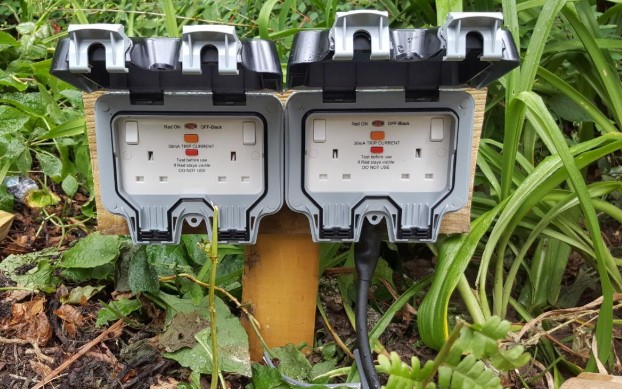
Qualified electrical professionals use a mix of inspection and testing to find the root cause. Their checks may include ensuring grounding continuity, opening the enclosure to examine connections, testing protective device function, and assessing whether environmental conditions have caused corrosion or deterioration. Repair options range from tightening or replacing connections to upgrading housings and recommending circuit changes that better match contemporary usage.
Certain situations increase the need for vigilance:
| Warning Sign | Likely Cause | Immediate Response |
|---|---|---|
| Repeated breaker trips | Overload or short | Unplug devices; spread load; call a professional |
| Warm outlet surface | Loose contact or heat build-up | Stop using; arrange inspection |
| Buzzing or arcing noise | Loose or damaged contact | Power down; avoid touching; call a technician |
| Scorch marks or melting | Overheating at connection | Do not use; inspect behind plate; book repair |
| Loose plug fit | Worn socket | Avoid forcing plugs; replace socket if loose |
| Burning plastic smell | Overheated insulation | Evacuate if needed; arrange urgent repair |
Temporary measures — such as moving devices to a different circuit or replacing a faceplate — may reduce immediate risk, but they do not substitute for proper repair or suitable installation. Where outdoor power needs have grown, consider upgrading enclosures and circuit capacity to better match demands. Weather-resistant housings, clearances from sprinkler heads, and properly rated protective devices help reduce the chance of repeat problems.
Outdoor electrical fittings may be out of sight, but they should not be out of mind. Paying attention to heat, noise, discoloration, and repeated trips helps prevent serious incidents and reduces repair costs over time. When warning signs appear, stop using the affected outlet and arrange for a qualified inspection so the right repair or upgrade can be made. For further information on safe outdoor power options and installation guidance, homeowners can consult resources such as nante.
 +86-577-62731897
 shireen@nante.com
 No.688 chezhan Road, Liushi town, Wenzhou, China
Copyright © 2024 Fly-Dragon Electrical Co., Ltd. All Rights Reserved.
 浙公网安备33038202003041号
 Privacy
Outdoor Socket Box Factory & Outdoor Electrical Distribution Panel Factory



 English
 Español
 Português
 Deutsch