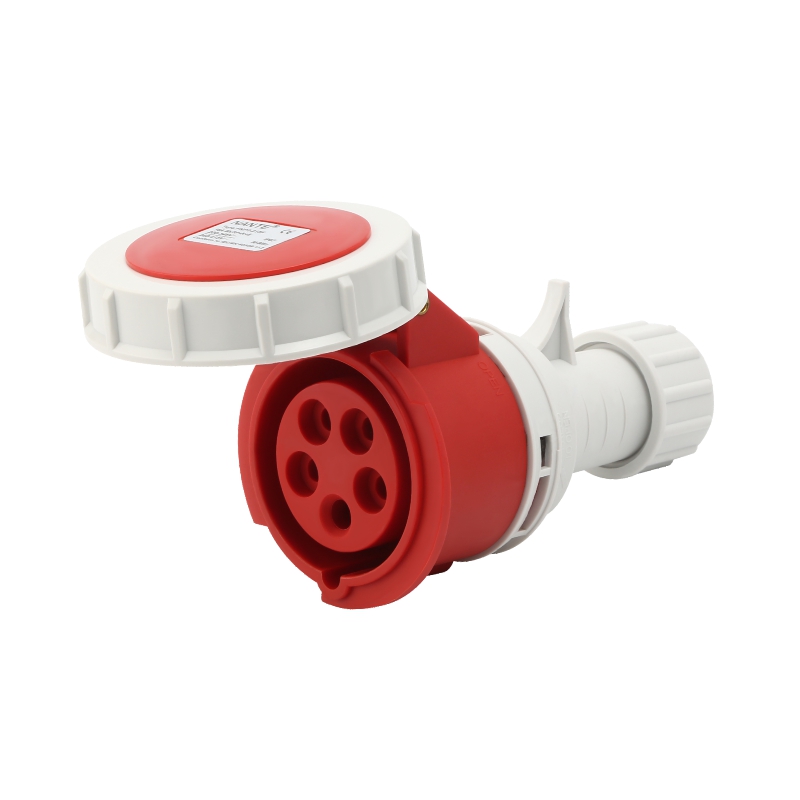
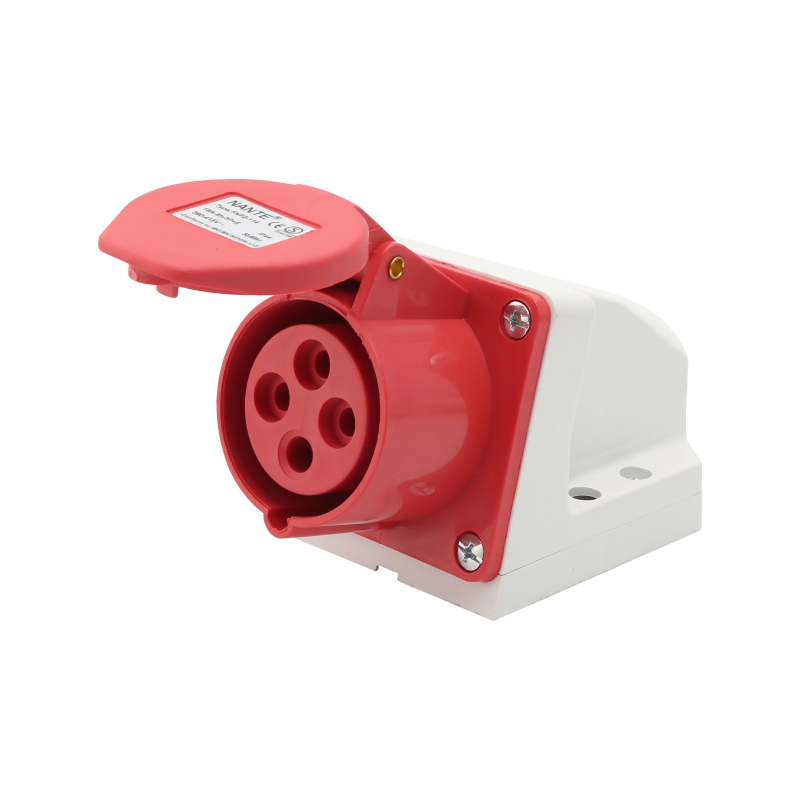
Is an Outdoor Socket Box the Right Upgrade for Your Home
A growing number of homeowners are considering adding exterior power points to improve convenience and safety. As municipalities and tradespeople emphasize careful planning and compliance with local rules, a common practical choice has emerged: the outdoor socket box.
In recent years, demand for accessible outdoor power has increased. Garden lighting, seasonal decorations, power tools for yard work, and small appliances used on patios all create a need for reliable exterior power. Rather than relying on extension cords that cross walkways or doorways, a weatherproof outlet provides a designed solution that reduces tripping hazards and exposure to moisture.
Sources close to the home improvement sector stress that adding an outdoor outlet is not merely a convenience upgrade. It is a safety matter that involves understanding the existing electrical system, choosing the right location on an exterior wall, and ensuring that the new device is protected against weather and electrical faults.
Careful planning reduces the chance of costly rework. Before any physical work begins, homeowners should identify an interior outlet on the same exterior wall that can be used as the power source. This makes routing the new cable simpler and avoids long runs through finished spaces.
Key planning points include:
When an interior outlet on the matching wall is not suitable, alternative sources may be used. These alternatives require attention to how cables are routed and protected from the elements, and may involve routing through enclosed spaces or protective conduits designed for outdoor use.
Safety protocols are central to any electrical work. Before making any connections, the circuit feeding the indoor source must be turned off at the service panel. A non-contact tester or other verification tool should be used at the work location to confirm that power is absent. The practice of placing a clear notice on the service panel to alert others that work is in progress is recommended to avoid accidental re-energization.
Tradespeople and safety organizations commonly advise that if a homeowner is uncertain about any step, especially when it comes to verifying circuit capacity or running wiring through walls, consulting a licensed professional is the sensible course of action.
Exterior electrical fittings must stand up to weather and provide a reliable electrical connection. Modern practice calls for receptacles and enclosures designed for outdoor use and for the inclusion of devices that protect against ground faults where required by modern codes. Cable entries should be sealed to prevent water ingress, and all metal boxes or fittings should be properly grounded to reduce the risk of shock.
This is a summary of the typical sequence used by qualified DIYers and professionals alike. It avoids technical details and specific measurements so that it can be broadly applicable:
These steps should be carried out with attention to the applicable local codes and with tools and fittings suitable for electrical work. Proper sealing and protection against moisture are particularly important for longevity.
While specifics vary by jurisdiction, regulators emphasize these themes when approving or inspecting exterior electrical work:
Homeowners planning a new exterior outlet should check whether permits or inspections are required in their area. Permitting processes exist to protect occupants and ensure that installations meet a baseline level of safety.
Many of the issues that good to rework or safety problems are avoidable with modest extra care:
| Consideration | What to look for |
|---|---|
| Location selection | Choose a spot that balances convenience and protection from direct exposure |
| Source reliability | Use an interior circuit that can accommodate the new load without frequent trips |
| Weather protection | Use enclosures and covers designed to block moisture and debris |
| Safety measures | Include fault protection and ensure adequate grounding |
| Compliance | Confirm whether permitting or inspection is needed locally |
Installing an outdoor receptacle can add practical value to a property by enabling safer use of electrical devices outdoors and reducing reliance on temporary cords. Yet it remains work that combines construction, electrical safety, and regulatory compliance. Homeowners who follow methodical planning steps, verify power shutdowns, select weather-rated materials, and respect local code requirements will reduce risk and increase the longevity of the installation.
If you are considering this upgrade and want more detailed, site-specific guidance, it is recommended to consult a licensed tradesperson or the relevant local authority. For additional resources and community guidance on exterior electrical improvements, see nante.
 +86-577-62731897
 shireen@nante.com
 No.688 chezhan Road, Liushi town, Wenzhou, China
Copyright © 2024 Fly-Dragon Electrical Co., Ltd. All Rights Reserved.
 浙公网安备33038202003041号
 Privacy
Outdoor Socket Box Factory & Outdoor Electrical Distribution Panel Factory



 English
 Español
 Português
 Deutsch