Could an Outdoor Socket Box Be the Key to Safer, More Convenient Gardens
 Home / News / Industry News / Could an Outdoor Socket Box Be the Key to Safer, More Convenient Gardens
 In towns and suburbs across the country, homeowners and property managers are rethinking how outdoor power is provided and protected. As households spend more time entertaining, gardening and working outside, a single, well-placed outdoor socket box can offer convenience — and reduce risk — if chosen and installed thoughtfully.
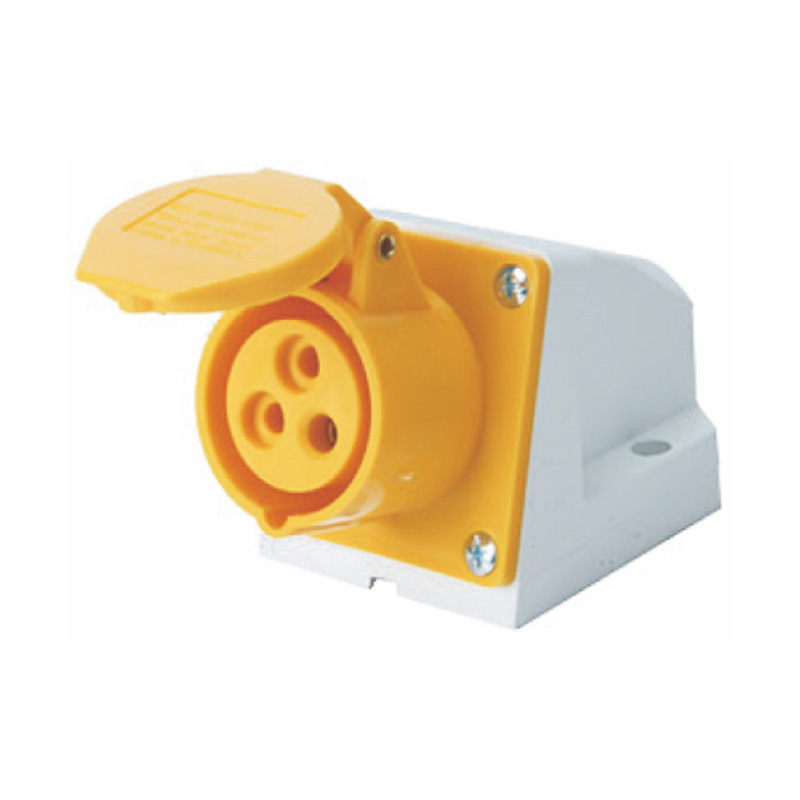
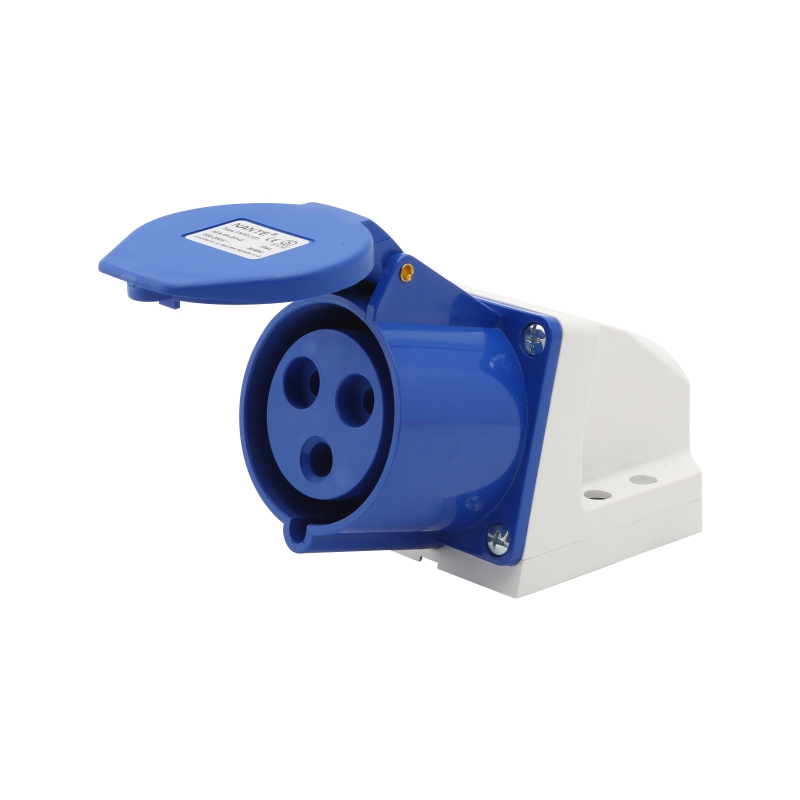
An outdoor socket box is a compact enclosure that keeps an outlet accessible while shielding the electrical connection from weather and pests. When installed correctly, it supports a wide range of outdoor activities — from powering lights at an evening gathering to running maintenance equipment. But like any fixed electrical fitting, it carries hazards if sited poorly or maintained inadequately. Safety professionals say that careful planning and routine checks are as important as the box itself.
Placing an outdoor socket box requires a balance between easy access and protection from hazards. Positioning should avoid proximity to water features, irrigation points and locations where damp accumulates. A high-traffic route is usually not the right place, because trailing cords can become tripping hazards. Consider communal and household uses:
A well-considered location reduces the temptation to run extension leads across lawns or pathways, which can create wear and safety concerns.
Not every external fitting is built the same. Key qualities to prioritise include a secure lid that closes reliably, a robust build that resists weathering, and protection against small animals and debris. While purchasers should avoid relying on marketing claims or brand names alone, practical design features make a difference in daily use and longevity.
These attributes help ensure that an outdoor socket box remains functional without frequent repair or replacement.
Any external power outlet should be protected by a device that disconnects supply quickly if a fault is detected; this reduces the chance of dangerous shock. Because fixed electrical work is subject to local safety rules, many people consult a qualified professional before starting any alterations. An expert can advise whether existing circuits can support an additional fitting, suggest safe routing for cables, and fit protective devices and enclosures correctly.
Some competent DIYers choose to do outdoor electrical work themselves. If taking that route, it is essential to understand that mistakes can have serious consequences and may affect insurance cover. Those who proceed should be experienced, follow current guidance, and be confident with safety practices.
If there is any doubt about competence, seeking professional input is the safer option.
An outdoor socket box is not a one-time purchase: periodic checks extend service life and reduce hazards. Visual inspections for cracked lids, corroded fittings, or loose mounts should be part of seasonal home maintenance. Keep plugs and portable equipment dry when not in use, and avoid stringing temporary leads across paths.
| Item to check | What to look for | Why it matters |
|---|---|---|
| Enclosure condition | Cracks, warping, or loose hinges | Prevents moisture and pest ingress |
| Lid or cover action | Smooth opening/closing and firm seal | Keeps connections dry and safe |
| Cable route | No sharp bends, secure clamping, away from walkways | Reduces wear and trip risks |
| Protective device operation | Responsive cut-out when tested | Protects users from electrical faults |
| Mounting and fixings | Firm attachment, no movement | Stops stress on wiring and connections |
When making changes in a shared or public space, consultation with neighbours or property managers can avoid disputes over noise, lighting or cable runs. Thoughtful placement reduces visual clutter and limits disruption to wildlife. In densely planted areas, choose routes that minimise root damage and preserve drainage.
Outdoor power should be accessible to all household members. Mounting height, cover operation and cable management influence whether someone with limited mobility can use an outlet safely. Simple ergonomic choices — such as positioning at an appropriate height and providing clear access — make outdoor power useful to a wider group of people.
An outdoor socket box can transform outdoor living by making temporary and permanent power accessible in a way that supports activity and reduces risk. The right balance of location, a weather-resilient enclosure, protective devices and sensible maintenance will keep families, guests and property safer. Whether you consult a specialist or carry out work personally, the guiding principle should be to prioritise safety and longevity over quick fixes or shortcuts. For further reading and community guidance, see resources linked by local authorities and safety bodies and consider practical advice from experienced installers and inspectors. For general information and tips, visit nante.
 +86-577-62731897
 shireen@nante.com
 No.688 chezhan Road, Liushi town, Wenzhou, China
Copyright © 2024 Fly-Dragon Electrical Co., Ltd. All Rights Reserved.
 浙公网安备33038202003041号
 Privacy
Outdoor Socket Box Factory & Outdoor Electrical Distribution Panel Factory



 English
 Español
 Português
 Deutsch