Could an Industrial Socket Box Be the Key to Safer, More Reliable Power on Site
 Home / News / Industry News / Could an Industrial Socket Box Be the Key to Safer, More Reliable Power on Site
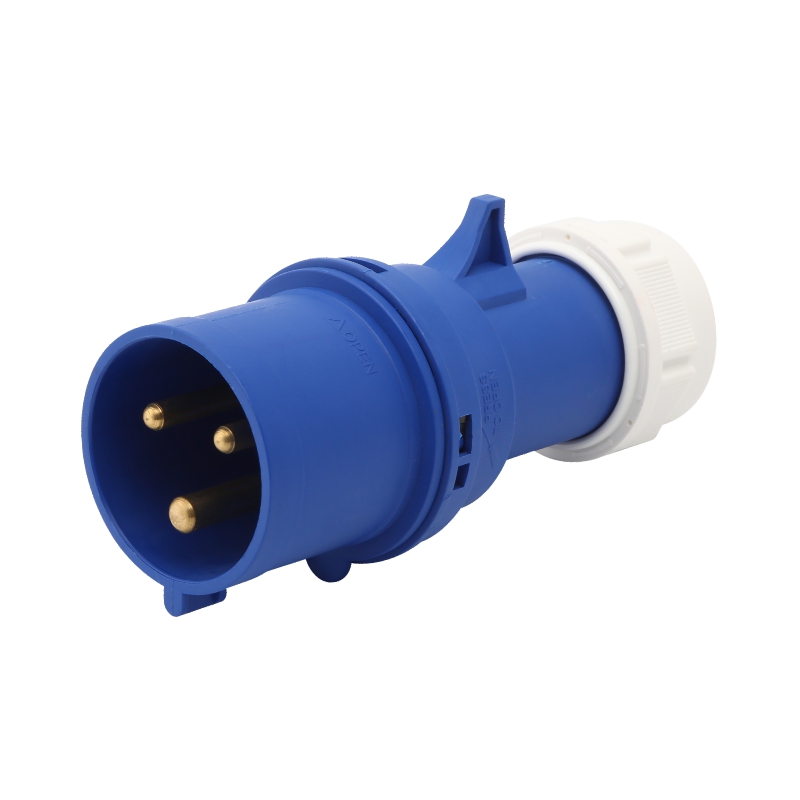
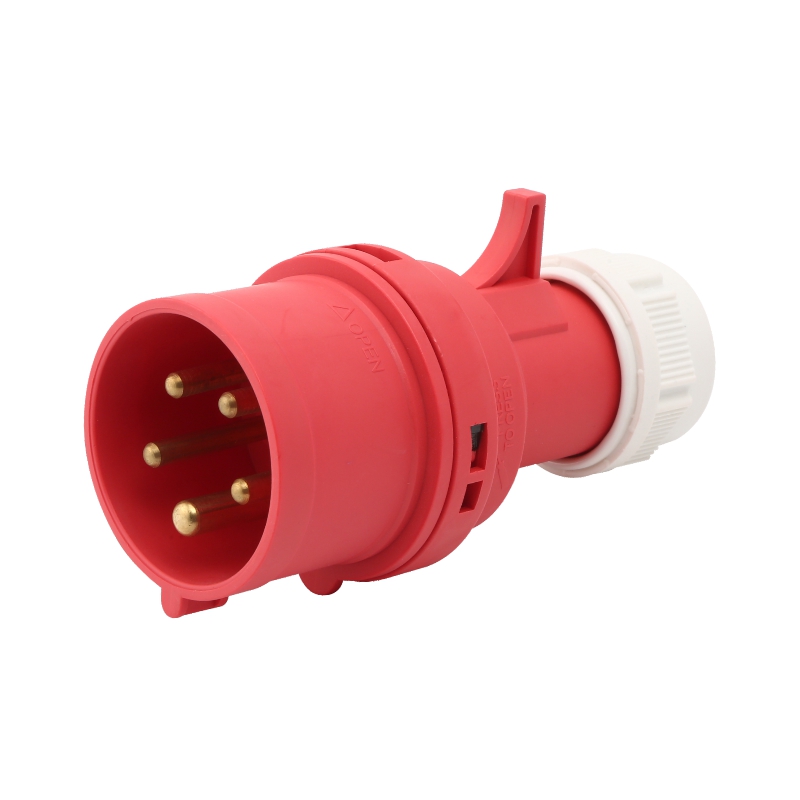
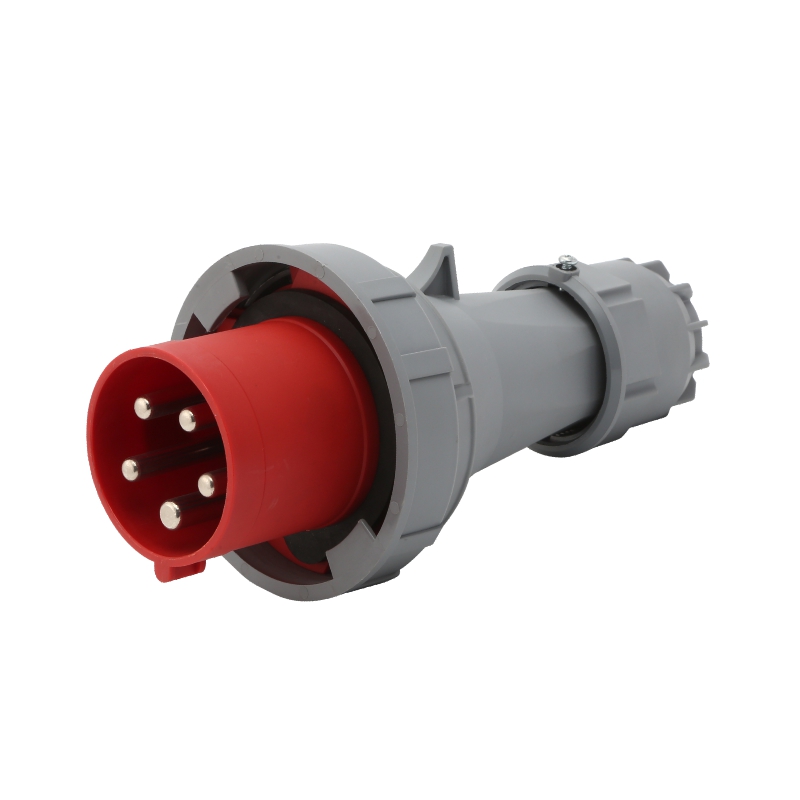
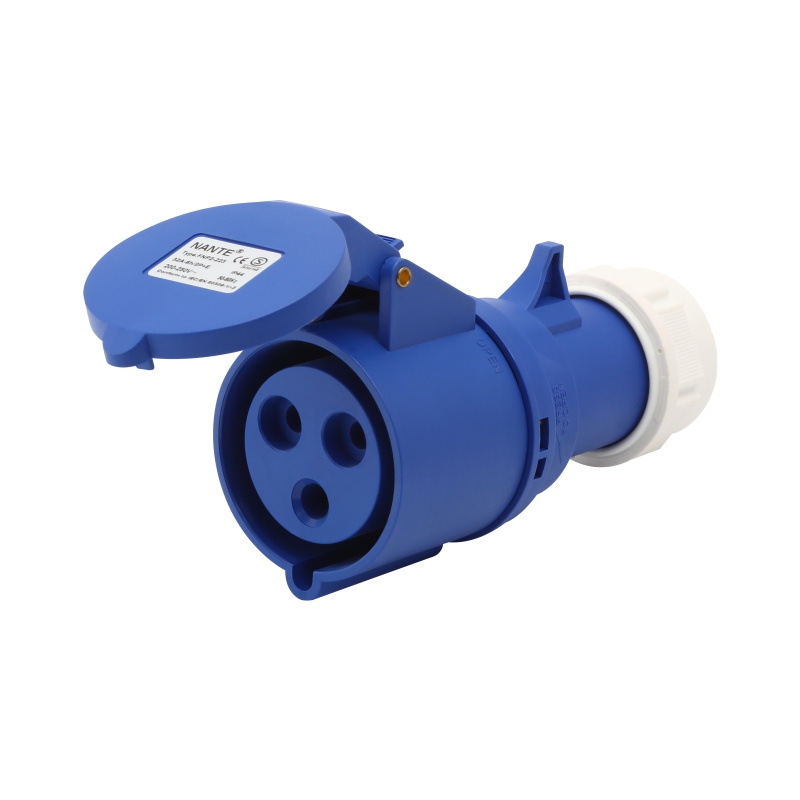
 Industrial worksites depend on steady power delivery to keep machines running and people safe. While plugs and cables are often treated as ordinary hardware, the right enclosure can make a measurable difference in uptime, safety and ease of maintenance. An Industrial Socket Box brings connectors into a protected, serviceable unit — but choosing and using one requires attention to environment, installation and daily habits. This report looks at practical reasons to consider a socket enclosure, how it changes operations, and simple steps teams can take to get the good from their installations.
Power points on a shop floor face challenges that ordinary domestic outlets do not. Dust, moisture, vibration and frequent handling combine to increase the chance of poor contact, overheating or accidental damage.
When these factors are addressed, facilities typically see fewer intermittent faults and a clearer maintenance rhythm that reduces emergency repairs.
An Industrial Socket Box is more than a protective shell — it changes how power points are used and maintained on a daily basis.
These practical benefits add up in environments where every minute of unexpected downtime carries a cost.
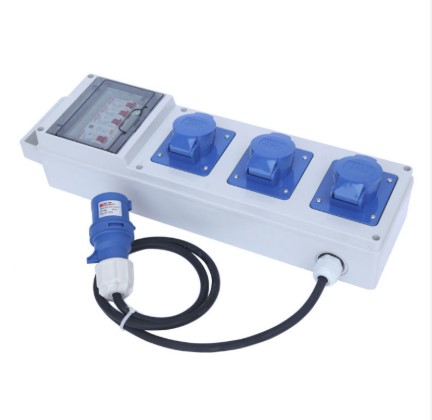
Certain conditions highlight the value of a dedicated socket box. Identifying those situations helps prioritise investments and deployment.
Selecting the right locations helps teams take the good practical advantage of each enclosure.
Not all boxes are the same. A few design choices determine whether an enclosure suits the site and task.
Match these features to the real conditions on the floor rather than selecting components by appearance alone.
How an enclosure is mounted and wired strongly influences its performance over time. Thoughtful installation avoids many later headaches.
A carefully installed unit is easier to maintain and less likely to create urgent repairs.
A compact, repeatable inspection routine helps teams catch issues early and plan repairs in controlled windows.
Below is a short table that teams can print and use as a field checklist.
| Area | Recommended action | Expected outcome |
|---|---|---|
| Exterior | Inspect seals and covers during rounds | Limits ingress of dust and moisture |
| Connections | Tighten and clean terminals during service | Reduces overheating risk |
| Cables | Verify strain reliefs and routing | Lowers mechanical wear on plugs |
| Internal | Remove debris and check insulation | Maintains reliable contact performance |
| Parts | Replace worn or damaged components promptly | Prevents sudden outages |
Hardware only performs as well as the people who use it. A few simple habits reduce wear and risk.
These small behavioral adjustments reduce the rate of deterioration and make maintenance more predictable.
Some sites present unusual conditions — washdown environments, corrosive atmospheres, or intense mechanical stress. In those cases, off-the-shelf enclosures may need adaptations.
A consultation with an electrical specialist helps translate site needs into a robust plan.
Although an enclosure is an upfront consideration, routine maintenance and fewer emergency repairs often offset initial effort. Predictable power points reduce the likelihood of cascading faults that can damage equipment or halt production.
Seen this way, enclosure strategy is part of an overall reliability and cost-management approach.
An Industrial Socket Box can contribute to safer, more predictable power delivery when it is chosen to match site conditions, installed with intention, and supported by simple inspection and operator habits. The true value comes not just from the component itself but from integrating placement, training and maintenance into everyday practice. For teams who want to review product options and gather practical support, consider consulting knowledgeable suppliers such as nante and engage an electrical professional to align enclosures with operational priorities.
 +86-577-62731897
 shireen@nante.com
 No.688 chezhan Road, Liushi town, Wenzhou, China
Copyright © 2024 Fly-Dragon Electrical Co., Ltd. All Rights Reserved.
 浙公网安备33038202003041号
 Privacy
Outdoor Socket Box Factory & Outdoor Electrical Distribution Panel Factory



 English
 Español
 Português
 Deutsch