Could an Outdoor Socket Box Be the Quiet Upgrade That Helps Outdoor Wiring Stand Up to the Weather
 Home / News / Industry News / Could an Outdoor Socket Box Be the Quiet Upgrade That Helps Outdoor Wiring Stand Up to the Weather
 Outdoor electrical setups are often expected to perform without attention, even when the environment is working against them. Rain, dust, changing temperatures, and constant exposure to the elements can all place pressure on wiring and connection points. That is why more installers, property owners, and maintenance teams are paying closer attention to enclosure choice. In many outdoor projects, the Outdoor Socket Box has become a practical part of the conversation because it helps protect connections while supporting safer and more durable installations.
Outdoor wiring is not only about delivering power. It is also about keeping the electrical system shielded from moisture, debris, and physical wear. A connection point that works well indoors may face very different conditions outside, where weather can change quickly and surfaces are exposed for long periods.
That difference is one reason outdoor enclosures have received growing attention in residential, commercial, and utility-related installations. As outdoor lighting, security equipment, garden systems, and exterior outlets become more common, the need for dependable housing around the wiring becomes more visible. The enclosure is no longer treated as a simple accessory. It is seen as part of the protection system itself.
An outdoor enclosure is generally chosen to help keep wiring contained, reduce exposure to moisture, and limit contact with dirt or airborne debris. It may also help reduce wear caused by repeated use and changing weather. In practical terms, that means the enclosure supports the safety and stability of the overall installation rather than simply covering the wiring.
Different outdoor environments place different demands on electrical boxes. Some areas are sheltered and only face light exposure, while others are fully open to weather. That is why the materials and construction of the enclosure matter so much.
Metal boxes are often selected when a project calls for extra strength and a more durable housing solution. With a protective finish, they can provide solid support in outdoor settings and are often used where the installation may be exposed to more physical stress. In other cases, other enclosure types may be chosen for lighter-duty applications, especially where the main concern is moisture protection rather than impact resistance.
Common priorities in outdoor enclosure selection
These priorities help explain why outdoor electrical planning has become more detailed. A box is not just selected for appearance or size. It is chosen based on how the environment may affect performance over time.
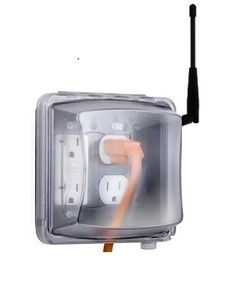
Outdoor installations are not all exposed in the same way. A wall-mounted outlet under a covered patio faces a different level of stress than one placed in an open yard or near a wash area. Because of this, installers often match the enclosure to the actual conditions of the location.
In wet or highly exposed areas, the enclosure needs to provide stronger protection. In more sheltered locations, a simpler solution may be enough, as long as it still supports safe use and helps keep the wiring protected. This practical approach allows the installation to balance safety, durability, and convenience.
| Installation setting | Main concern | Typical enclosure focus |
|---|---|---|
| Open exterior wall | Rain and wind exposure | Strong protection from weather |
| Covered patio | Light moisture and dust | Balanced protection with easy access |
| Garden power point | Soil, splash, and debris | Sealed housing and durable materials |
| Security device mount | Long-term outdoor exposure | Stable enclosure and reliable shielding |
| Utility area | Wear and frequent use | Tough construction and maintenance access |
It can be tempting to assume that any sturdy electrical box will do the job outdoors. In reality, indoor and outdoor boxes serve different purposes. Indoor units are usually designed around convenience, accessibility, and compatibility with the room’s layout. They are made to support the electrical work inside a building, where temperature swings, rain, and dirt are far less of a concern.
Outdoor boxes, by contrast, need to provide a stronger line of defense. They must help shield the wiring from environmental stress while still allowing the device to function as intended. That extra layer of protection is what makes them suitable for exterior use.
Key differences in everyday terms
These differences are important because the wrong enclosure can create avoidable risks. A box that works well inside a home may not hold up in an exterior setting, especially where weather exposure is frequent.
As outdoor electrical systems continue to expand, enclosure design has shifted toward practicality and long-term reliability. Property owners want solutions that are easy to maintain, installers want products that reduce complications, and building managers want setups that can stand up to regular use.
This has led to more attention on enclosures that combine protection with straightforward installation. Many outdoor systems now need to support lighting controls, cameras, outlets, and other equipment in spaces where people expect both safety and convenience. That puts the enclosure in a central role.
The Outdoor Socket Box is often discussed in this context because it reflects the broader shift toward safer, more organized outdoor wiring. It represents a simple idea: electrical access outside should not come at the cost of protection.
Even a well-chosen enclosure depends on correct placement and regular attention. If a box is installed in a spot that is too exposed, it may face unnecessary stress. If it is placed in a sheltered area without proper planning, it may not function as intended for the surrounding conditions.
Routine checks also matter. Over time, outdoor enclosures can experience dirt buildup, wear from repeated use, or gradual exposure to the environment. Keeping the box clean, secure, and properly fitted helps preserve its protective role.
A simple maintenance mindset
These small habits help extend the value of the enclosure and support safer operation.
Outdoor wiring now plays a bigger role in everyday spaces than it once did. Homes, commercial buildings, and shared outdoor areas increasingly rely on exterior power for lighting, monitoring, and utility support. In that environment, choosing the right enclosure is no longer an afterthought.
The Outdoor Socket Box reflects that shift toward smarter outdoor protection. It supports a cleaner installation, helps guard against the elements, and gives wiring a more reliable home outside. For many projects, that balance of access and protection is exactly what outdoor electrical systems need.
In the end, outdoor electrical safety depends on more than the wire itself. It depends on the enclosure, the placement, and the way the installation responds to the environment. A thoughtful choice today can help reduce problems later, especially when the weather becomes part of the equation. For readers looking to explore related outdoor electrical solutions, nante offers a simple starting point for further reference.
 +86-577-62731897
 shireen@nante.com
 No.688 chezhan Road, Liushi town, Wenzhou, China
Copyright © 2024 Fly-Dragon Electrical Co., Ltd. All Rights Reserved.
 浙公网安备33038202003041号
 Privacy
Outdoor Socket Box Factory & Outdoor Electrical Distribution Panel Factory



 English
 Español
 Português
 Deutsch