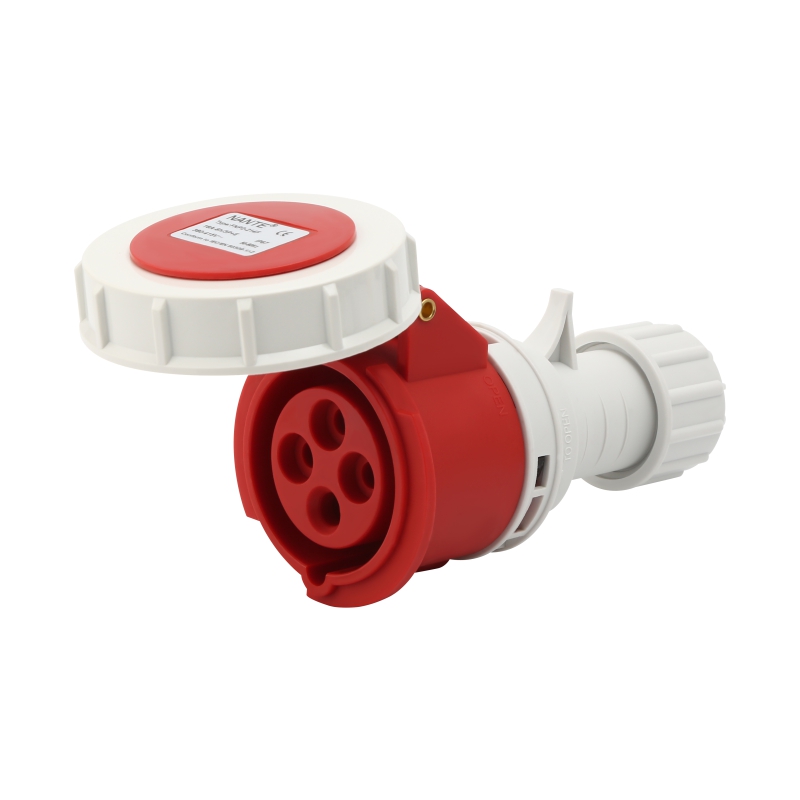
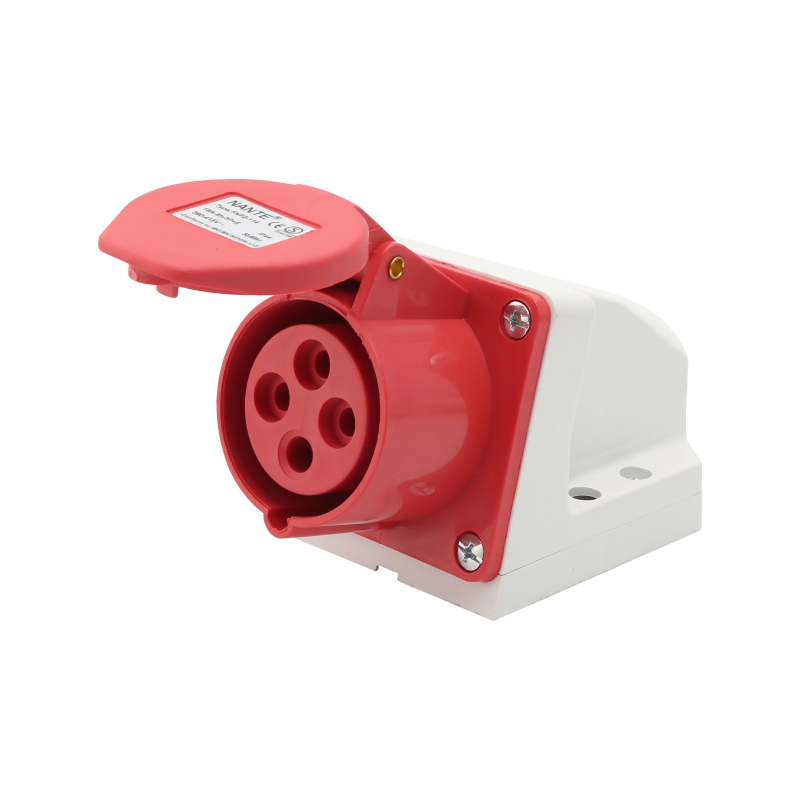
Is an Outdoor Socket Box Safer for Outdoor Power
Outdoor power access has become a practical part of modern homes and workspaces, especially for patios, gardens, temporary event setups, and exterior maintenance areas. Yet the value of an outside outlet depends on more than convenience. A properly planned Outdoor Socket Box has to handle moisture, weather exposure, and everyday wear while keeping the installation secure and dependable. Safety guidance from U.S. authorities makes one point clear: exterior receptacles need weather-resistant enclosures, proper protection from the environment, and careful handling during installation.
The good decision shapes the rest of the project. A good outdoor outlet location should be practical for the way the space is used, but it should also avoid unnecessary exposure to water, impact, or clutter. The installation point needs to support safe access and leave enough room for a proper enclosure and cover. OSHA states that receptacles in wet or damp locations must be suitable for that setting, and outdoor receptacles in protected areas need enclosures that remain weatherproof when covered.
Key planning checks
No outdoor wiring step should start until the power is fully shut off and verified. OSHA’s lockout and de-energization rules stress that energy isolation must be confirmed before maintenance work begins, and the equipment should be treated as unsafe until that verification is complete. In simple terms, the breaker should be off, and the circuit should be checked to confirm that no current remains before anyone touches the wiring.
That verification step matters because electricity can still be dangerous even when a breaker has been switched. A quick visual check is not enough on its own. Safe installation depends on confirming that the circuit is dead before cutting, drilling, or connecting any part of the system.
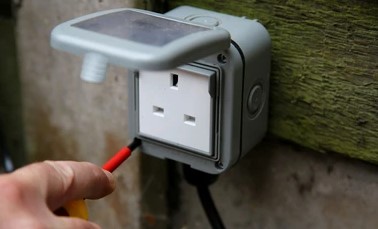
Once the circuit is safe, the wiring path can be prepared. A clean opening through the wall or another approved entry point helps the cable reach the exterior without being pinched or damaged. When a conductor passes through a box or opening, OSHA requires protection against sharp edges and abrasion, which is why bushings, smooth edges, and suitable fittings matter so much in electrical work.
This part of the job often determines whether the finished installation feels tidy or improvised. A protected route helps preserve the cable over time and reduces the chance of wear at the entry point. In a real-world outdoor setting, that kind of protection is not cosmetic; it is part of keeping the system reliable.
The enclosure is one of the good important elements in an outdoor setup. OSHA states that outdoor receptacles in damp or weather-protected locations must have enclosures that are weatherproof when the receptacle is covered, and receptacles in wet or damp locations must be suitable for that setting. That means the box should be made for exterior exposure rather than adapted from indoor hardware.
An Outdoor Socket Box should also be mounted firmly so it stays stable through regular use and changing weather. Loose hardware, poor sealing, or an uneven fit can undermine the whole installation. The box is meant to protect the wiring and the receptacle together, so the fit and finish are part of the safety system, not just the appearance.
After the box is secured, the receptacle can be wired according to the device instructions and the electrical plan in place for the circuit. Wiring connections should be firm, correctly matched, and organized so that the device sits neatly in the enclosure. OSHA guidance also emphasizes the use of covers, faceplates, and secure closures on outlet boxes, which helps keep the completed installation protected once the work is finished.
Ground-fault protection is a major part of modern electrical safety, especially outdoors. CPSC explains that GFCIs are designed to stop power quickly when a fault is detected, reducing the chance that a shock becomes severe. For outdoor receptacles, that type of protection is widely recognized as an important safeguard because moisture and exterior conditions raise the risk level.
What to double-check during wiring
| Stage | What to Focus On | Why It Matters |
|---|---|---|
| Planning | Pick a location that suits outdoor use | Outdoor receptacles need weather-resistant placement and suitable enclosures. |
| Shutoff | De-energize and verify the circuit | OSHA requires verification of isolation before work begins. |
| Cable route | Protect conductors at entry points | Openings and box edges should not damage wiring. |
| Enclosure | Use an outdoor-rated box and cover | Exterior boxes must remain weatherproof when covered. |
| Protection | Include fault protection where required | GFCIs help reduce the risk of serious shock. |
| Final check | Confirm the outlet works and closes properly | A complete installation should remain secure and protected after re-energizing. |
Once the work is complete, the outlet should be checked again after power is restored. The receptacle should function normally, the cover should close properly, and the enclosure should stay secure. If the outlet feels loose, looks exposed, or does not operate as expected, it should not be used until the issue is corrected. Outdoor electrical work is not only about getting power to a new place; it is about making sure the system stays safe after installation.
That is why many installers treat the final inspection as part of the job rather than an optional step. Weather exposure, vibration, and everyday handling can all affect the long-term result, so the finished setup should be reviewed as carefully as the wiring itself. A properly installed Outdoor Socket Box is one that continues to protect the circuit after the tools are put away.
Outdoor power can add real flexibility to a home or commercial space, but the installation has to be handled with the same care as any other electrical work. Location choice, de-energization, cable protection, weatherproof housing, and ground-fault protection all work together to create a safer outcome. When any step feels uncertain, the safer route is to involve a qualified electrician rather than guess at a connection or enclosure detail. For more product ideas and outdoor installation planning, visit nante.
 +86-577-62731897
 shireen@nante.com
 No.688 chezhan Road, Liushi town, Wenzhou, China
Copyright © 2024 Fly-Dragon Electrical Co., Ltd. All Rights Reserved.
 浙公网安备33038202003041号
 Privacy
Outdoor Socket Box Factory & Outdoor Electrical Distribution Panel Factory



 English
 Español
 Português
 Deutsch