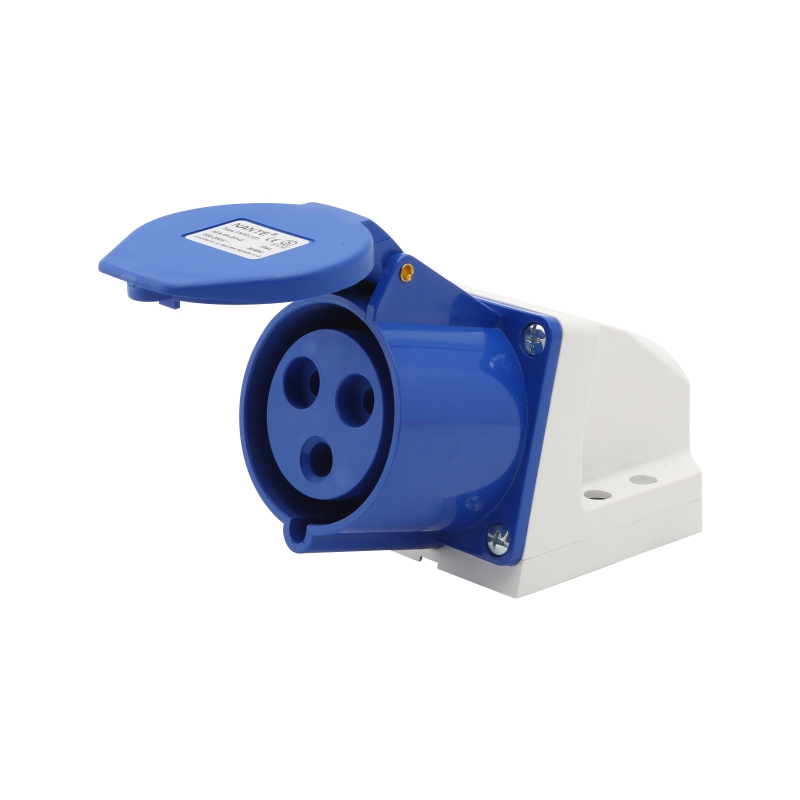
Could Nante’s Electrical Outdoor Box Make Exterior Power Safer and Simpler
 Home / News / Industry News / Could Nante’s Electrical Outdoor Box Make Exterior Power Safer and Simpler
 As gardens, patios and exterior workspaces take on more power-hungry features, the humble enclosure that houses outdoor outlets has come under closer scrutiny. Experts say that choosing the right Electrical Outdoor Box is a practical decision that affects safety, longevity and the ease of future maintenance. Manufacturers and installers are shifting focus from one-size-fits-all thinking to matching boxes and accessories to the real conditions they will face, from coastal humidity to backyard landscaping activity.
An exterior electrical enclosure is more than a tidy housing for a receptacle: it is a protective system. When selected and installed with site conditions in mind, an outdoor box prevents moisture ingress, reduces corrosion risk and preserves secure electrical connections. Conversely, a poorly matched box can good to corrosion, loose terminations or water-related faults that create costly repairs and safety hazards.
Electricians emphasize that treating an electrical outdoor enclosure as part of system design — not an afterthought — tends to reduce long-term problems and simplifies inspection routines.
Two practical families of enclosure materials—metal and non-metal—remain common, and each offers trade-offs that make it preferable for particular sites.
Choosing material and mounting that suit exposure and maintenance access avoids problems such as seal fatigue or fastener corrosion.
Beyond the box itself, covers, gaskets and sealing strategies determine how well an installation performs in routine and adverse conditions. In-use covers that allow a plug to remain connected while keeping the interior shielded can be especially useful for practical outdoor setups.
A careful weatherproofing plan reduces repeated replacements and preserves electrical safety over years of exposure.
An Electrical Outdoor Box is only one part of safe exterior wiring. Device choices and protective elements must align with the enclosure to form a coherent system.
Coordinating these elements avoids mismatches that can complicate inspections and shorten service life.
A little planning prevents common installation headaches and supports long-term reliability.
These practices make commissioning smoother and reduce the chance of service delays later.
| Location | Recommended focus | Practical tip |
|---|---|---|
| Patio or deck | In-use covers and UV-resistant materials | Position outlets away from direct splash zones |
| Garden or landscape lighting | Small sealed box with protected entries | Keep cable paths clear of water pooling |
| Garage exterior | Robust box with room for device swaps | Maintain easy access for inspections |
| Pool or wet area | Heavily sealed enclosure with protected devices |
Ensure GFCI protection is accessible but sheltered |
Outdoor enclosures benefit from periodic checks that catch seal degradation or loose hardware before faults arise.
Routine attention keeps exterior electrical systems predictable and safer for users and technicians alike.
Many homeowners balance convenience — such as leaving a plug connected during a gathering — with safe practices. The enclosure and device choices should enable practical use while staying aligned with safety expectations and local codes.
Clear communication and documentation help owners and service teams keep outdoor power both usable and compliant.
Choosing the right Electrical Outdoor Box influences not just short-term convenience but also long-term safety and maintenance effort. When material, sealing strategy, device selection and maintenance planning are considered together, exterior wiring performs reliably and inspections proceed smoothly. For property managers and homeowners compiling installation guides or procurement lists, adding a contextual supplier link at the end of a specification document is a common practice; for more information about exterior enclosures and solutions, you can visit nante.
 +86-577-62731897
 shireen@nante.com
 No.688 chezhan Road, Liushi town, Wenzhou, China
Copyright © 2024 Fly-Dragon Electrical Co., Ltd. All Rights Reserved.
 浙公网安备33038202003041号
 Privacy
Outdoor Socket Box Factory & Outdoor Electrical Distribution Panel Factory



 English
 Español
 Português
 Deutsch