Could the Industrial Plug Socket Connector Change How Plants Stay Up and Running
 Home / News / Industry News / Could the Industrial Plug Socket Connector Change How Plants Stay Up and Running
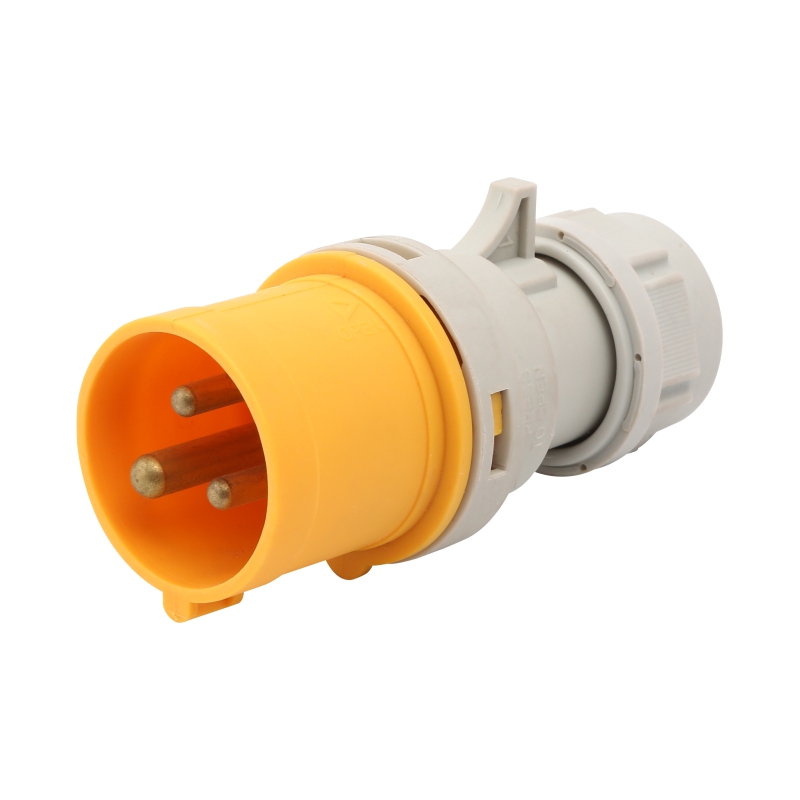
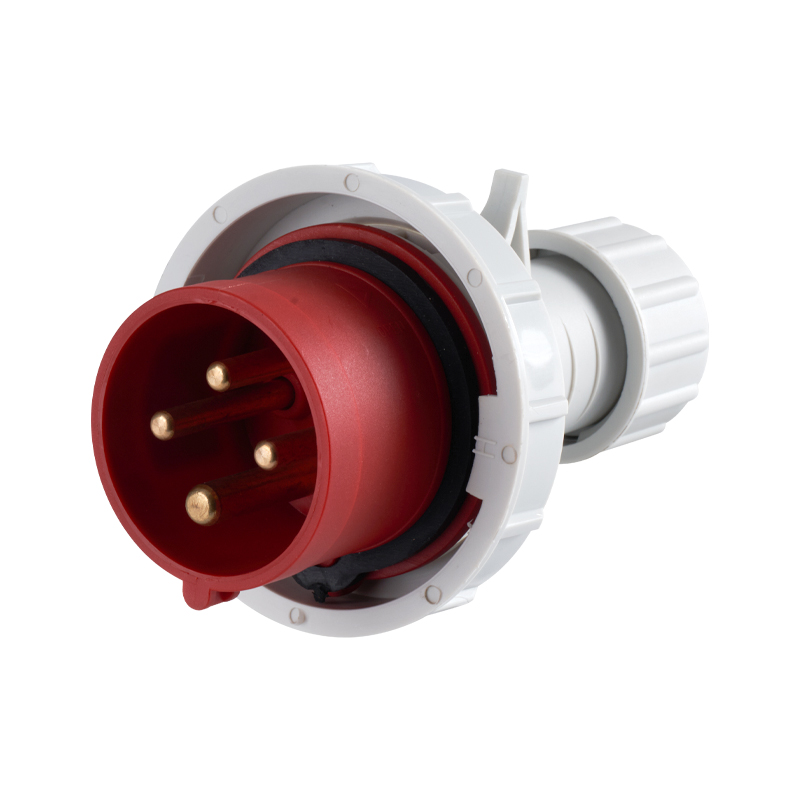
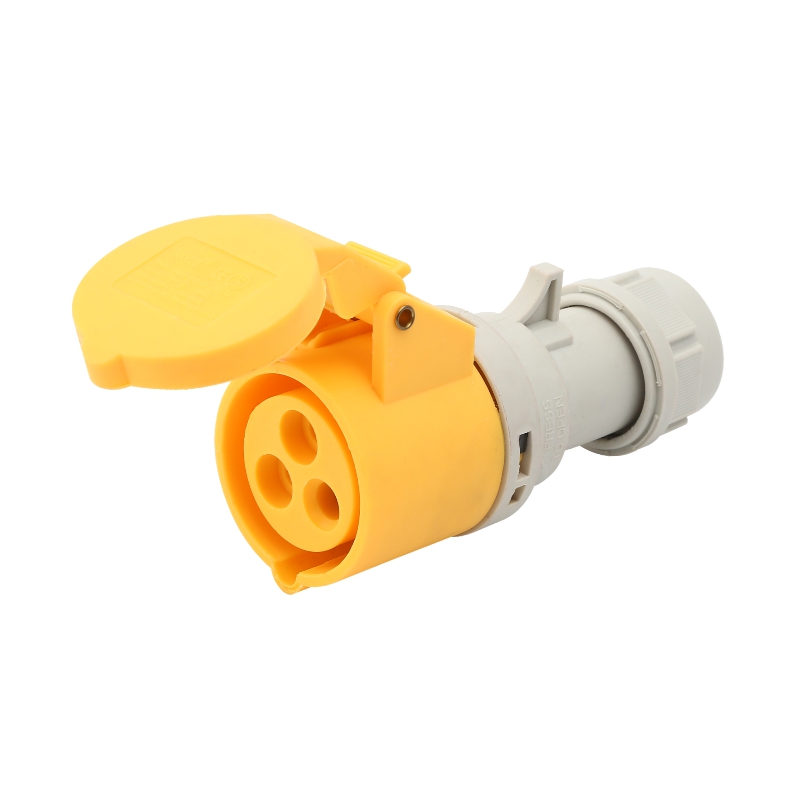
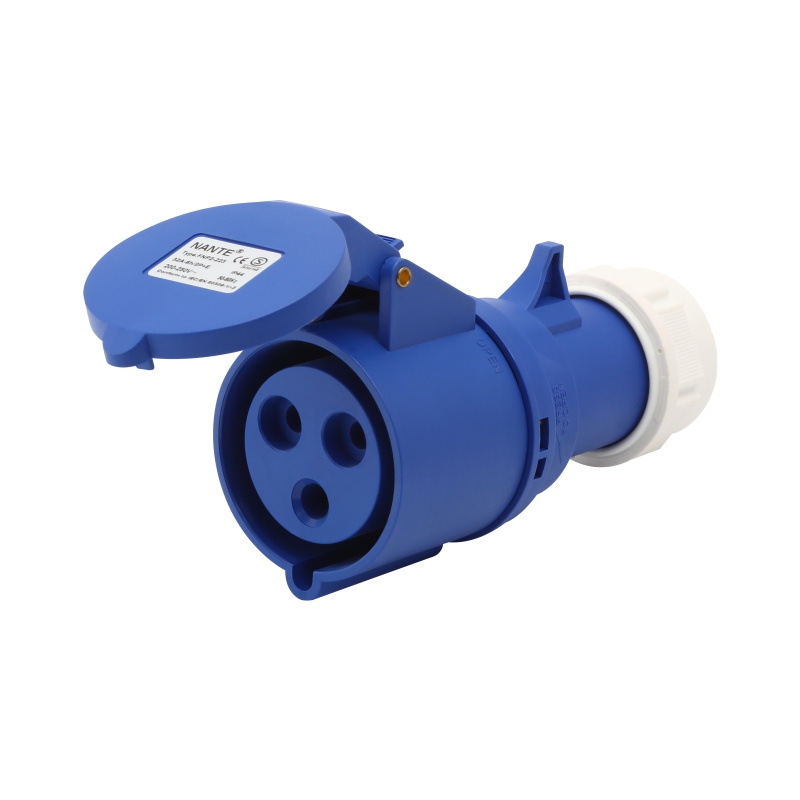
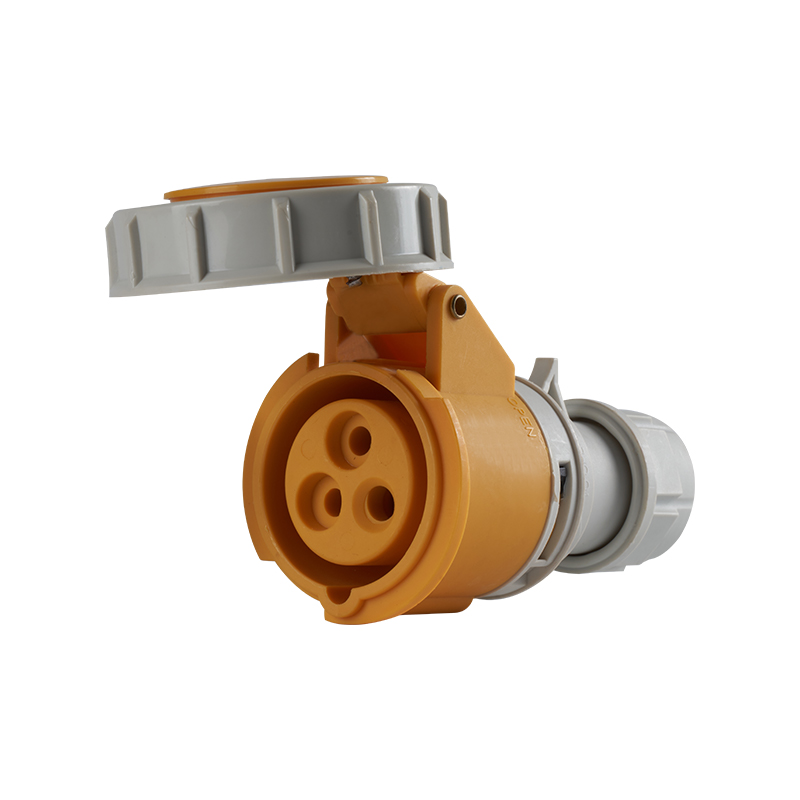
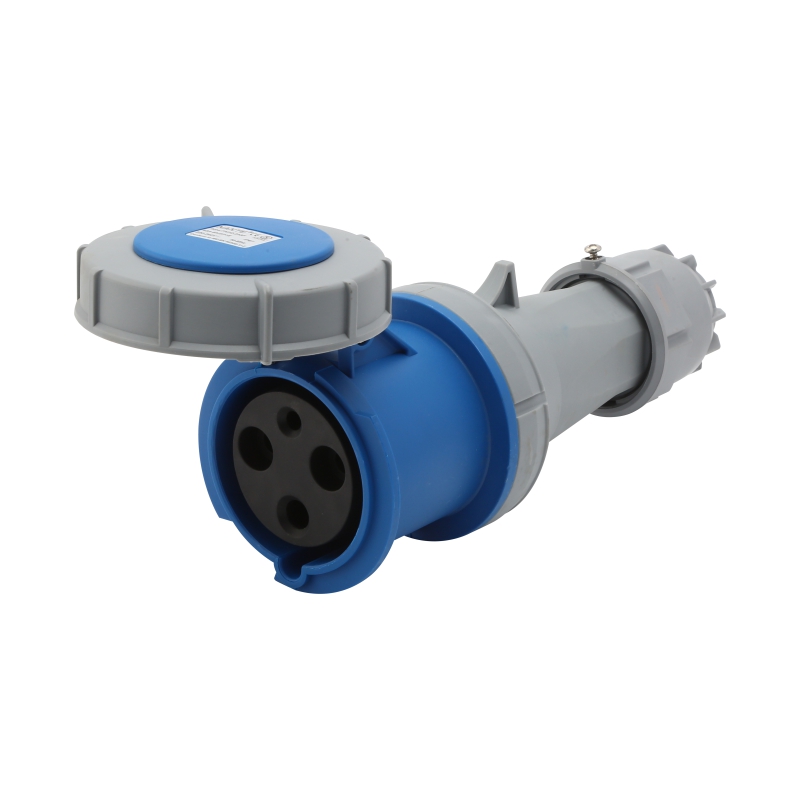
 If you work around factory floors or in maintenance teams, you know how much a simple connector can affect a whole system. A loose mate, a connector that wears out fast, or one that’s awkward to reach can cause more downtime than you’d expect. Lately, people are paying closer attention to the physical ways connectors lock together — because the mating method often determines reliability, service speed, and how easy life is for technicians on the ground. The term Industrial Plug Socket Connector crops up in those conversations, and for good reason: the choice of connection style matters more than many assume.
Connectors are doing two jobs at once. Beyond carrying current or signals, they’re mechanical parts that must stand up to vibration, dirt, moisture, and human hands. Pick the wrong mating style and you get intermittent faults that are hard to trace, extra labor during repairs, and a steady drip of minor issues that add up.
Put simply: connectors need to match the environment and the people who will work with them.
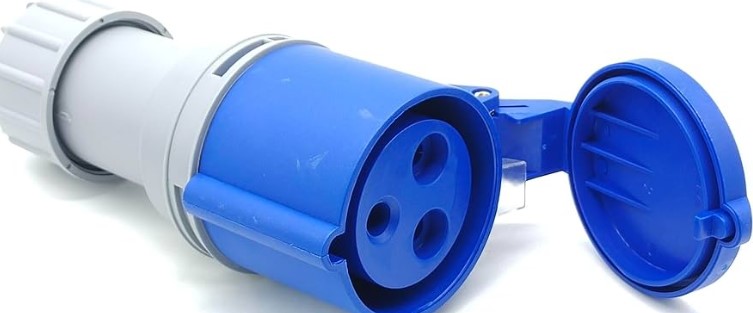
Engineers usually sort heavy-duty connectors by how the plug and socket are brought together and locked. Here are the four styles you’ll see good often, described in plain terms.
This is the slow-but-steady approach. You turn a nut or screw to draw the two halves together. The result is a firm engagement that resists vibration. It’s the sort of choice you make when you want a low-touch, long-lived joint and you don’t plan to unplug things every day.
Think push, then a short twist to lock. It’s quicker than a full thread and still gives a reassuring mechanical click or detent. Field crews like this when they need a repeatable lock without spending time on multiple turns.
Push-pull (straight insertion)
This one is all about speed and space. No twisting — just push in, and the connector latches. It’s handy in tight panels or for connections that get cycled often. The downside: because alignment is direct, you need good guides or latches so a misinsert doesn’t damage contacts.
Levers or cams give mechanical advantage, so operators can clamp halves together with little effort. That’s useful on production lines where people make many connections during a shift. The latch parts need checking and cleaning, but they make repeated work less tiring.
| Mating Method | Why you’d pick it | What to watch for | Typical use case |
|---|---|---|---|
| Threaded | Strong retention, vibration-resistant | Slower to connect; needs turning space | Permanent or semi-permanent installs |
| Bayonet | Fast, clear lock feedback | Requires small rotational clearance | Field service, medium-vibration areas |
| Push-pull | Quick, space-friendly | Needs alignment guides; wear risk | Frequent reconnects, tight access |
| Latch/lever | Low operator force, fast action | Extra moving parts to maintain | Repetitive service tasks, operator-heavy zones |
Picking a connector is not just a technical checkbox — it’s a decision that affects daily life on the floor.
These are the kind of practical details that separate theory from reliable operation.
Even a well-chosen connector can become a liability if people and maintenance processes aren’t considered. Ergonomics matter. Small changes — a lever here, a larger grip there, clearer markings — can cut errors and speed up work.
When teams put together requirements or talk with suppliers, it helps to say what outcome you want, not just list mechanical specs. Ask for things like typical service cycles, whether the design exposes seals to dirt, and if the connector shows clear engagement.
Choosing the right mating method is a simple lever with outsized effects. When the connector fits the environment, installers and technicians can move faster, outages drop, and hidden labor costs shrink. A cautious rollout — start with pilot sites, collect real data on connects, rejects, and maintenance — turns a gear change into an informed improvement.If you want practical help testing connector types in the field or arranging trials, a supplier such as Fly-Dragon Electrical Co., Ltd. can offer demonstrations and case examples that match common industrial conditions.
 +86-577-62731897
 shireen@nante.com
 No.688 chezhan Road, Liushi town, Wenzhou, China
Copyright © 2024 Fly-Dragon Electrical Co., Ltd. All Rights Reserved.
 浙公网安备33038202003041号
 Privacy
Outdoor Socket Box Factory & Outdoor Electrical Distribution Panel Factory



 English
 Español
 Português
 Deutsch