Is an Outdoor Socket Box Really the Best Way to Protect Your Exterior Power
 Home / News / Industry News / Is an Outdoor Socket Box Really the Best Way to Protect Your Exterior Power
 Outdoor living has become more elaborate: lighting for evening gatherings, power for garden tools, even small appliances for backyard parties. But electricity outdoors brings a simple truth — when power meets weather, trouble can follow. An Outdoor Socket Box is a common solution, yet not every installation performs the same.
Water and electricity do not mix well. Left unprotected, outdoor receptacles can corrode, short out, or create shock risks. A properly installed Outdoor Socket Box keeps the receptacle and wiring sheltered from direct rain, splashes, and the slow wear of moisture. That protection lowers the chance of failures and cuts down on repair needs over time — which is good for safety and for household budgets.
Not every wall or corner is the same. Where you mount an outdoor box affects how long it lasts.
Location decisions made early make later maintenance less frequent and less expensive.
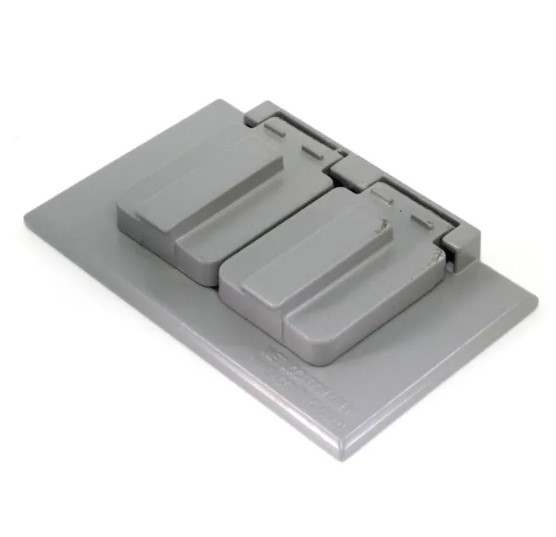
Ground-fault protection is the layer between a safe outdoor outlet and a dangerous one. These devices cut power quickly if electrical current strays where it shouldn’t. That is especially important near water features, outdoor kitchens, or anywhere people might be barefoot or wet.
A cover is more than cosmetic. Weatherproof covers are built to seal around the outlet — and many allow cords to stay plugged in while keeping rain out.
A snug, well-designed cover is one of the simplest investments that pays off in longevity.
A box is only as good as its installation. Water can track along cables and find small gaps unless entries are properly sealed.
Well-executed installation prevents hidden problems that become expensive later.
Outdoor gear faces UV, rain, freezes, and dirt. Regular checks catch wear before it becomes failure.
A little upkeep each season keeps the system working and safer for everyone.
Many outdoor electrical issues stem from the same handful of errors.
Address these during planning and installation to avoid headaches later.
| Component | Role | Watch for |
|---|---|---|
| Outdoor socket box | Protects outlet and wiring | Cracks, loose mounting, moisture inside |
| Weatherproof cover | Keeps out rain and debris | Gaps, warped parts, broken latches |
| Ground-fault protection | Cuts power on unsafe faults | Failed tests, frequent unexplained trips |
| Sealed cable entry | Stops water tracking in | Corrosion or dampness at entry points |
| Routine checks | Prevents surprises | Rust, discoloration, loose fittings |
If your project requires new circuits, complicated routing, or any doubt about grounding and safety, bring in a licensed electrician. Professionals ensure circuits are right, protective devices are correctly integrated, and the Outdoor Socket Box won’t create hidden moisture problems that show up later.
A correct installation now saves time and reduces risk later on.
Thoughtful choices — from siting to sealing and inspection — deliver long-term reliability. A well-mounted Outdoor Socket Box, the right cover, ground-fault protection, and a modest maintenance routine will keep your outdoor power working across seasons. Those simple steps make outdoor living safer and let your backyard remain a place for enjoyment, not worry.For more detailed product styles and professional installation advice, consider consulting supplier and installer resources such as nante.
 +86-577-62731897
 shireen@nante.com
 No.688 chezhan Road, Liushi town, Wenzhou, China
Copyright © 2024 Fly-Dragon Electrical Co., Ltd. All Rights Reserved.
 浙公网安备33038202003041号
 Privacy
Outdoor Socket Box Factory & Outdoor Electrical Distribution Panel Factory



 English
 Español
 Português
 Deutsch