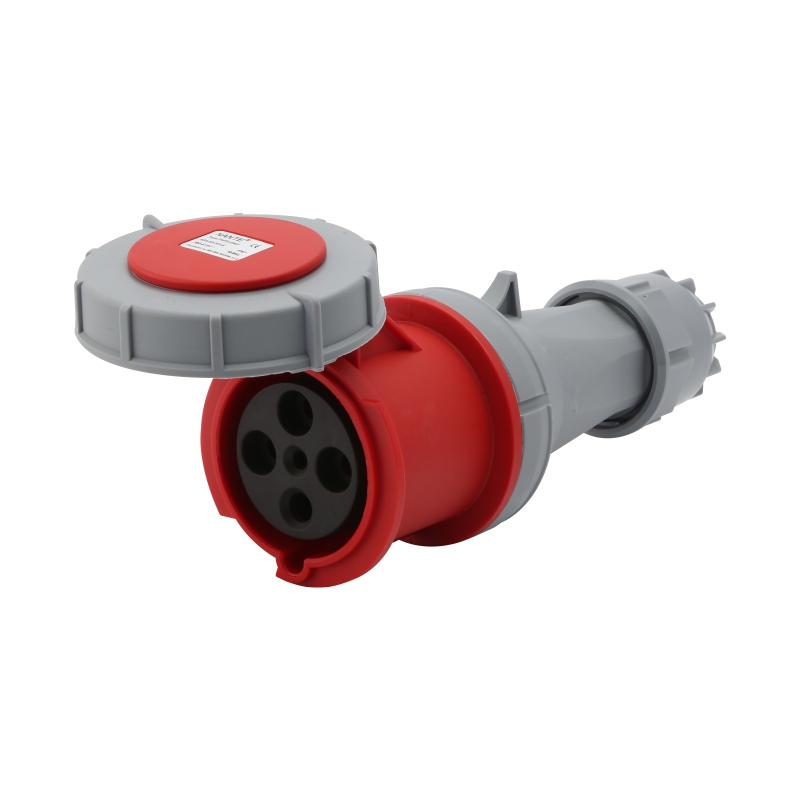
Could the Nante Electrical Outdoor Box Improve Long-Term Field Performance
 Home / News / Industry News / Could the Nante Electrical Outdoor Box Improve Long-Term Field Performance
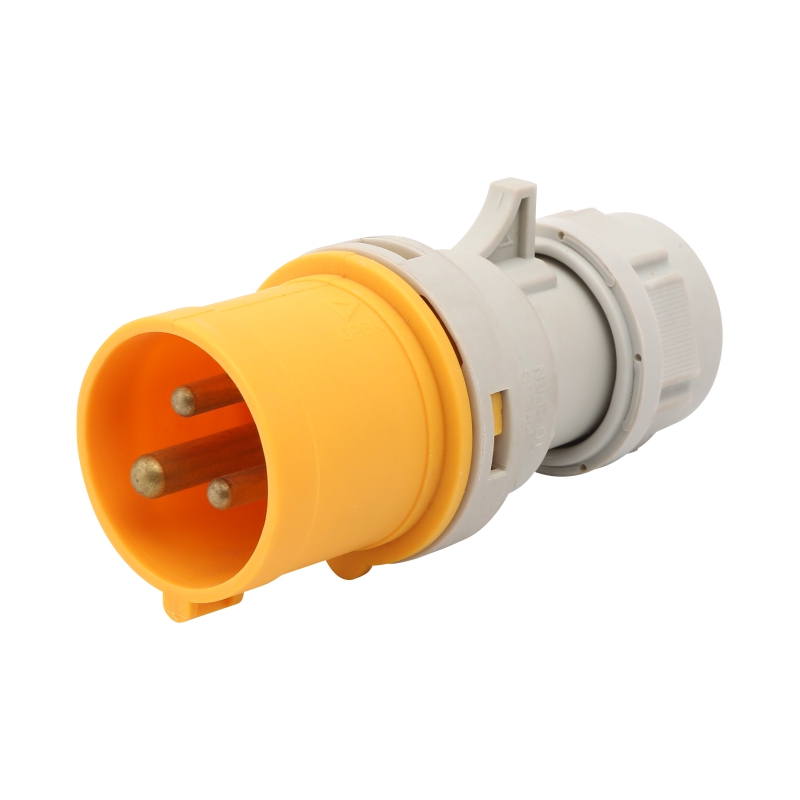
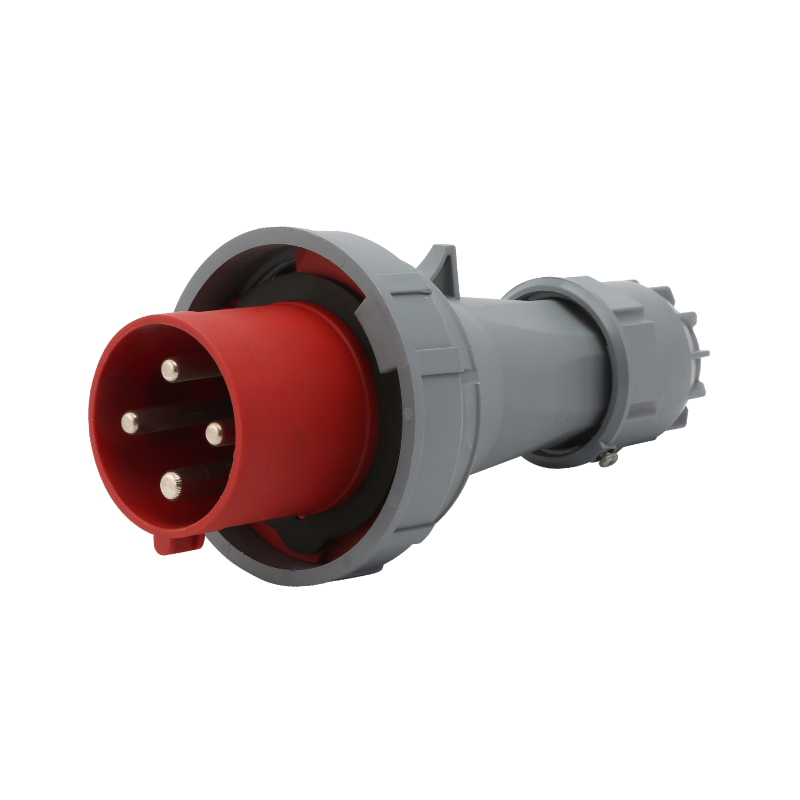
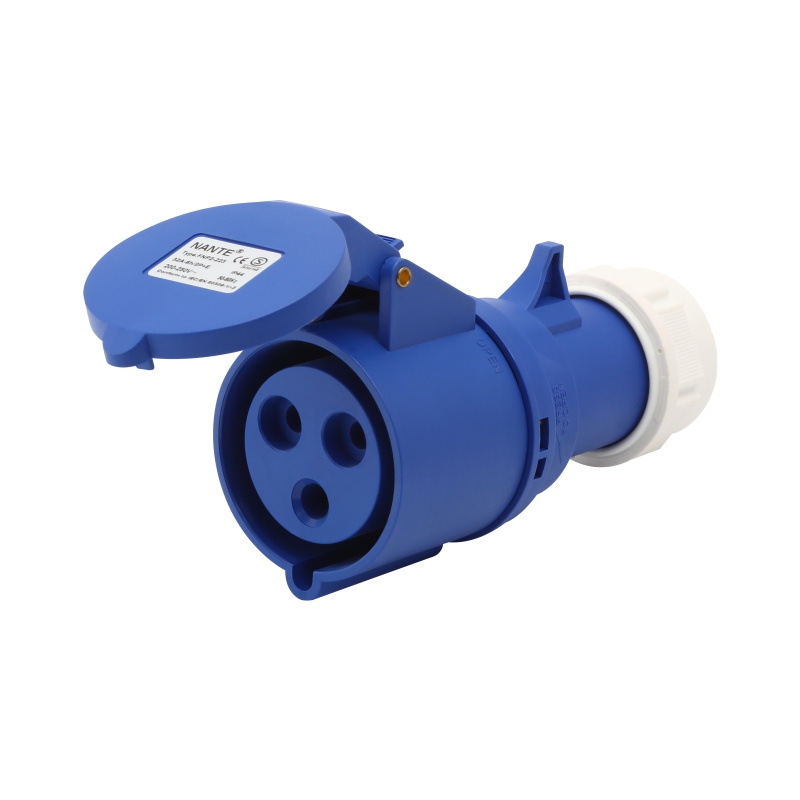
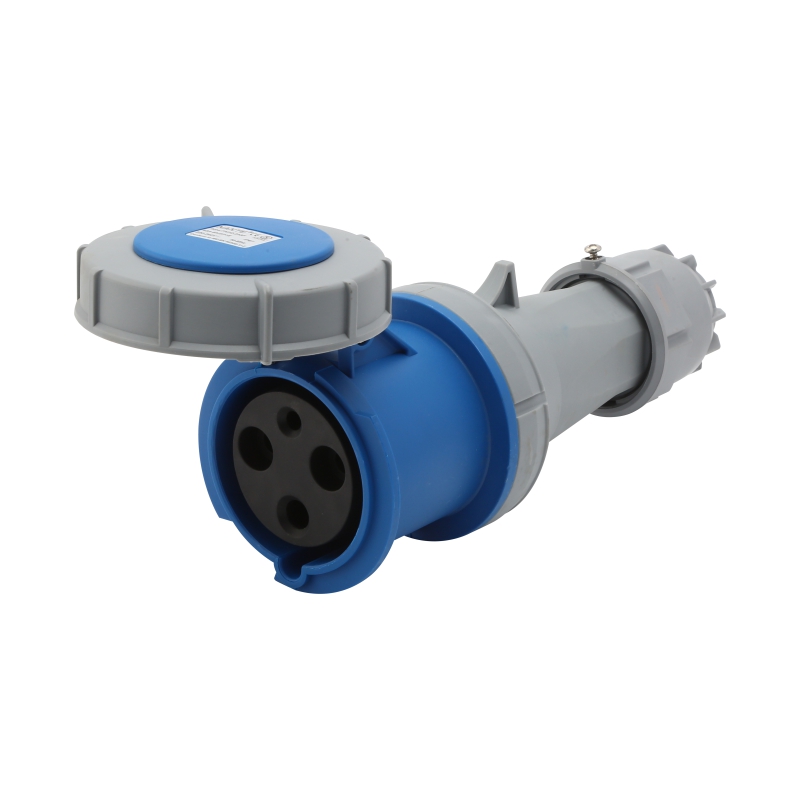
 As more infrastructure and building projects move electrical systems into exposed locations, the choice of an outdoor enclosure has practical consequences for safety, maintenance, and total cost of ownership. The Nante Electrical Outdoor Box has become one of several options considered by contractors, facility managers, and designers who need an enclosure that balances protection with ease of use.
Outdoor enclosures do more than contain wiring and devices; they define how an installation interacts with weather, service teams, and inspection regimes. Selecting the right box affects water management, thermal behavior, accessibility, and the ability to complete routine checks without disrupting operations.
A successful specification starts with a clear understanding of environmental stresses at the mounting location. Consider rainfall patterns, direct sunlight, particulate matter, and any chemicals or salt spray that may accelerate wear.
How an enclosure is mounted and how conductors enter it are core to its long-term performance. The right mounting strategy keeps conduits aligned, avoids undue stress on cables, and preserves seal integrity.
An enclosure must permit neat routing and secure attachment of devices so field teams can work quickly and safely. Crowded interiors complicate troubleshooting and can trap heat around components.
Material choice determines how an enclosure weathers sun, salt, and airborne chemicals. Nonmetallic options can offer electrical isolation, while metallic types provide strong mechanical protection and a convenient bonding path.
Safety depends on clear bonding practices. Enclosures used in exposed installations should include accessible grounding points and a straightforward layout so bonding checks can be completed without extensive disassembly.
| Area | Key question | Practical impact |
|---|---|---|
| Site exposure | What weather and pollutants are present? | Informs material and seal choices |
| Mounting | How will the enclosure be fixed to the structure? | Affects installation complexity and longevity |
| Cable entry | Are conduits and glands aligned for stress-free routing? | Reduces strain and leakage risks |
| Internal layout | Is there room for devices, splices, and future changes? | Eases service and reduces rework |
| Material & finish | Will materials resist local corrosion and UV? | Extends usable life and lowers replacement needs |
| Grounding | Are bonding points accessible and documented? | Improves safety and simplifies testing |
Before committing to a single enclosure across multiple sites, pilot installations deliver practical evidence. Installments in representative locations reveal how seals hold up, whether mounting approaches need change, and how technicians respond to internal layouts.
Routine inspection schedules should be part of the specification. Regular checks for gasket condition, fastener integrity, and internal cleanliness prevent small issues from becoming system faults.
Intelligent procurement reduces delays and avoids excess inventory. Maintain a core stock of commonly used styles and a flexible reserve of specialty units for unique locations.
Small design details can yield measurable time savings and reduce errors during installation and service.
Selecting an outdoor electrical enclosure is a balance of environmental fit, serviceability, and lifecycle planning. The Nante Electrical Outdoor Box is one example that teams may assess against their site needs; its suitability will depend on how well its design addresses local exposure, mounting conditions, internal layout, and bonding requirements. A staged trial, combined with clear maintenance practices and stocked accessories, will reveal whether a chosen enclosure reduces unplanned work and supports reliable operation. For vendor details and product information, see nante.
 +86-577-62731897
 shireen@nante.com
 No.688 chezhan Road, Liushi town, Wenzhou, China
Copyright © 2024 Fly-Dragon Electrical Co., Ltd. All Rights Reserved.
 浙公网安备33038202003041号
 Privacy
Outdoor Socket Box Factory & Outdoor Electrical Distribution Panel Factory



 English
 Español
 Português
 Deutsch