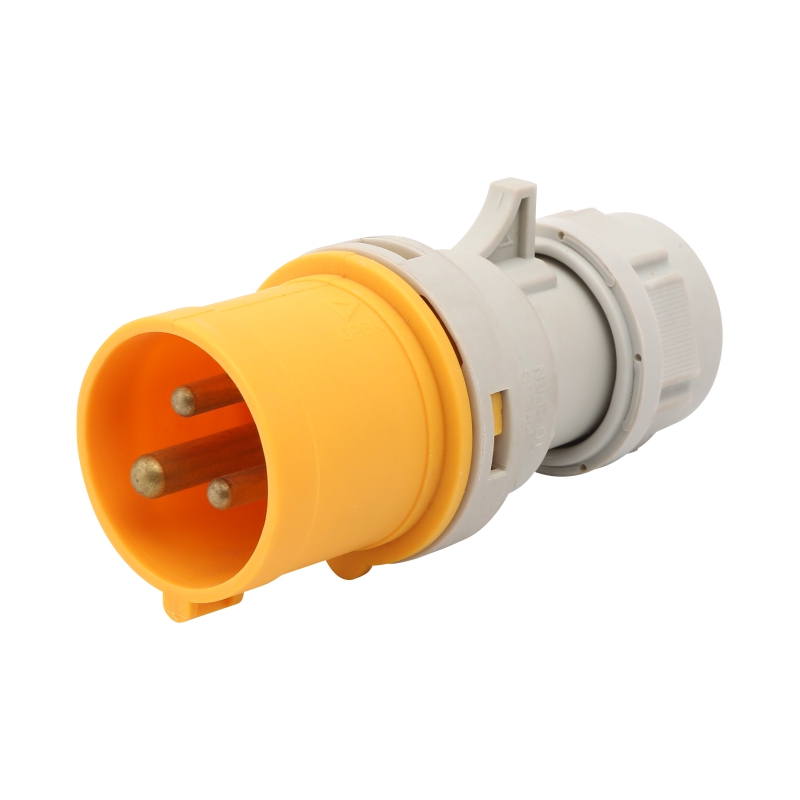
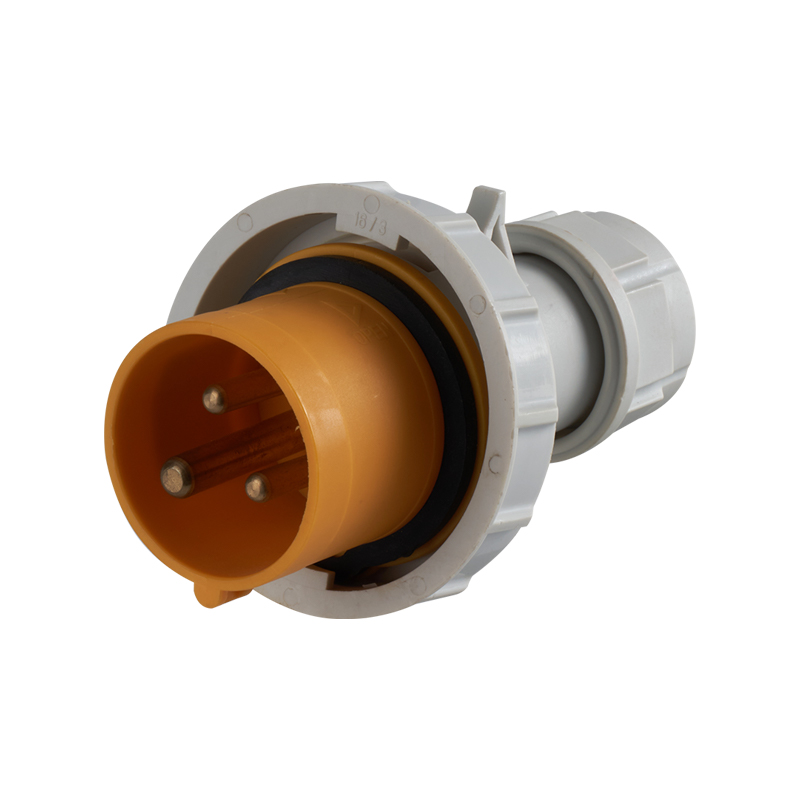
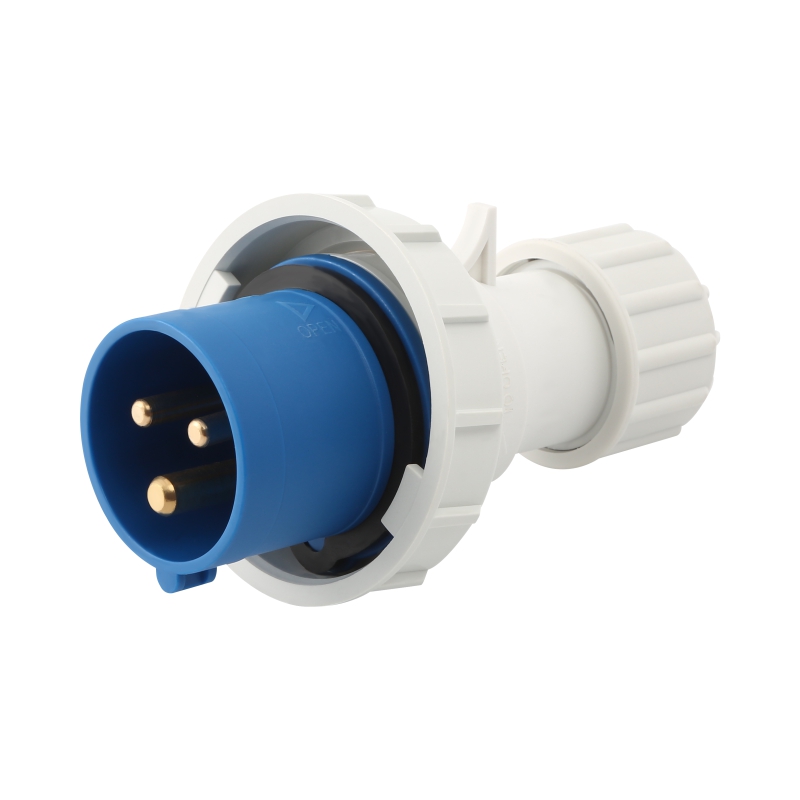
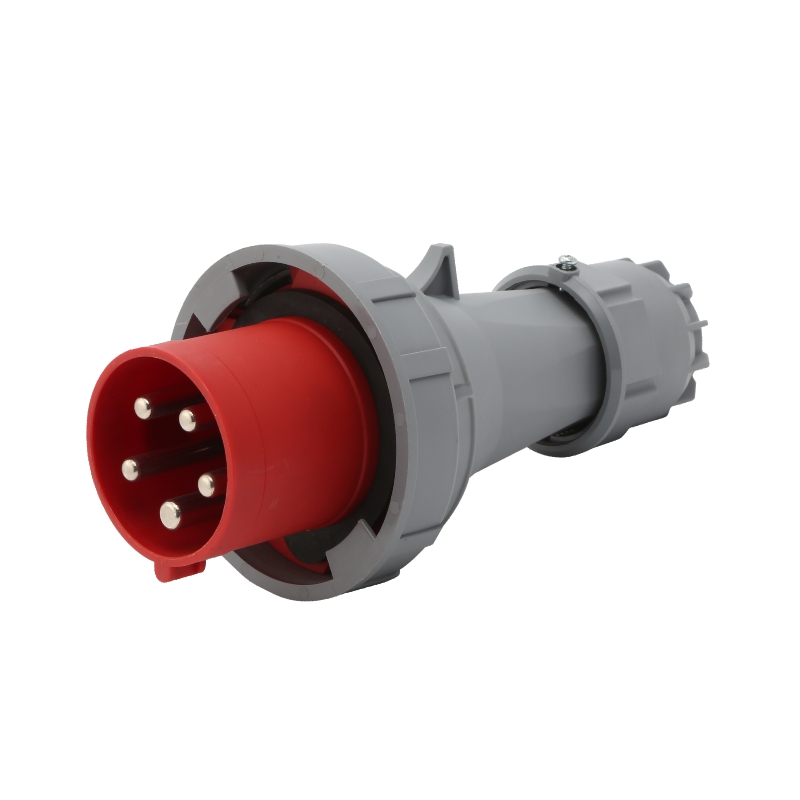
Could an Outdoor Socket Box Improve Safety for Exterior Power Needs
Outdoor power installations are getting renewed attention as homeowners expand patios, build garden workspaces, and add lighting and appliances to their yards. Unlike indoor wiring, exterior connections face moisture, temperature swings, and physical wear — factors that change how they should be planned, installed, and maintained. At the center of a safe exterior installation is a properly selected and positioned enclosure that protects connections and supports routine use.
Outdoor power points encounter conditions that indoor outlets rarely see. Rain, spray from irrigation, sun exposure, and accidental knocks all add risk. An enclosure positioned and fitted for those conditions reduces direct contact with weather and limits the chance that cords, plugs, or internal contacts will be exposed to moisture or physical damage.
A primary safety measure for outdoor power is a protective device that monitors current and cuts power when dangerous imbalances occur. These devices are commonly integrated with the outlet or the circuit and are treated as an essential safety element. Their role is to halt hazardous current quickly, lowering the chance of shock if a cord is wet or an appliance fails.
Many people assume a simple flip-up cover is enough, but when a cord is plugged in the seal can fail. Enclosures that maintain protection while a plug is inserted keep internal parts dry and reduce long-term wear. Choosing an enclosure designed for continuous use with cords in place will preserve internal integrity and keep connections safer over time.
Where an outlet is located affects both safety and usefulness. Avoid areas prone to pooling water or direct spray from irrigation. Place outlets where they serve intended tasks but do not create tripping routes across walkways. Accessibility for inspection and maintenance should be balanced with keeping the device out of frequent direct exposure.
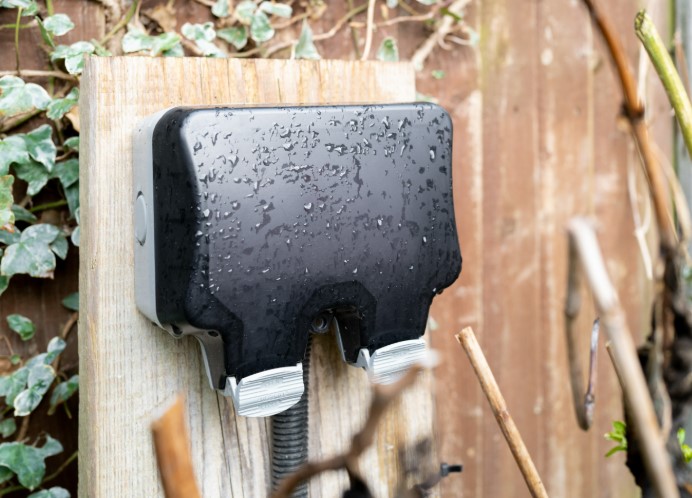
Components intended for exterior installations are constructed to resist corrosion, UV damage, and wear. Using enclosures and connectors rated for outdoor exposure helps ensure reliable performance. Wiring and connections should match the intended routing — whether surface-mounted, buried, or run through protected channels — so longevity and safety are preserved.
A careful installation follows safety guidance and secures robust grounding and solid connections. After installation, routine checks prevent small issues from becoming hazards. Visual inspections of seals, mountings, and visible connections, plus periodic functional checks, keep performance reliable and reveal problems early.
People want exterior power to be convenient, but convenience should not reduce safety. Position outlets near where tasks occur to avoid long cord runs, and pair them with covers that are simple to operate so users are likely to keep protection in place. Thoughtful placement and user-friendly covers encourage regular use of safeguards instead of bypassing them.
| Risk or condition | Practical response | Expected result |
|---|---|---|
| Water exposure during use | Use an enclosure that seals around plugs | Reduced moisture entry; lower corrosion risk |
| Accidental contact with live parts | Position outlets away from casual reach and use protective devices | Lower chance of shock incidents |
| Physical damage from impact or strain | Mount securely in low-traffic areas and use robust materials | Fewer repairs; longer service life |
| Loose or degraded grounding | Ensure continuous grounding path and inspect regularly | Better fault response and safety |
If planned use involves heavy equipment, permanent outdoor kitchens, or long runs of exterior wiring, professional design and installation are advisable. Qualified practitioners will ensure installation meets local guidance, that grounding is effective under outdoor conditions, and that the chosen solutions match environmental demands. A professional review is also useful when older installations show signs of wear or corrosion.
Outdoor power can add convenience and functionality to exterior spaces while introducing hazards that indoor outlets do not face. Prioritizing protective devices, weather-resistant enclosures, careful placement, and routine maintenance will lower those risks and extend service life. Thoughtful planning will keep convenience and safety in balance. For installation guidance and product information, visit nante.
 +86-577-62731897
 shireen@nante.com
 No.688 chezhan Road, Liushi town, Wenzhou, China
Copyright © 2024 Fly-Dragon Electrical Co., Ltd. All Rights Reserved.
 浙公网安备33038202003041号
 Privacy
Outdoor Socket Box Factory & Outdoor Electrical Distribution Panel Factory



 English
 Español
 Português
 Deutsch