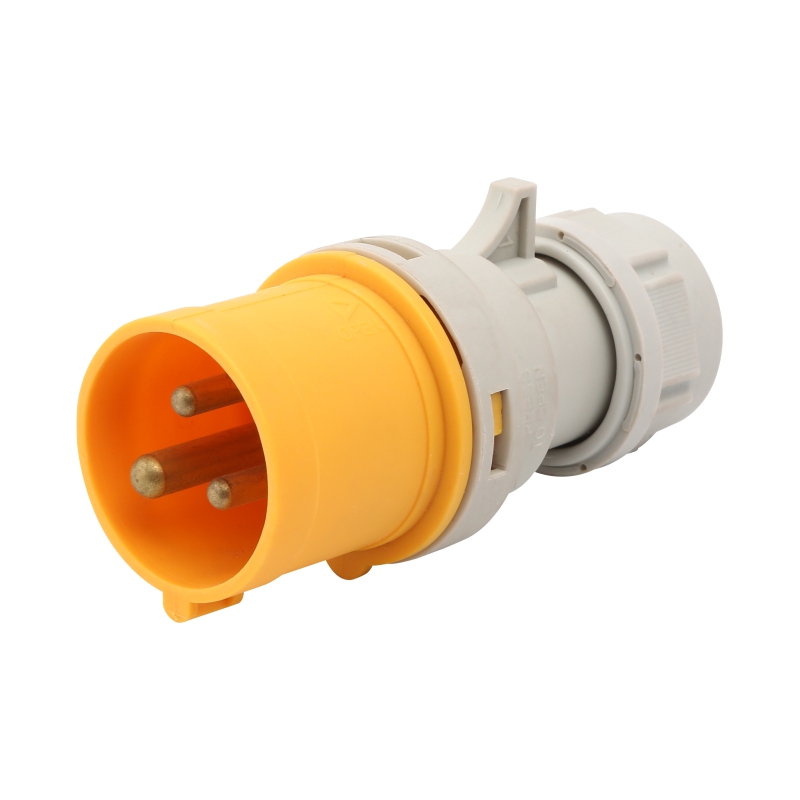
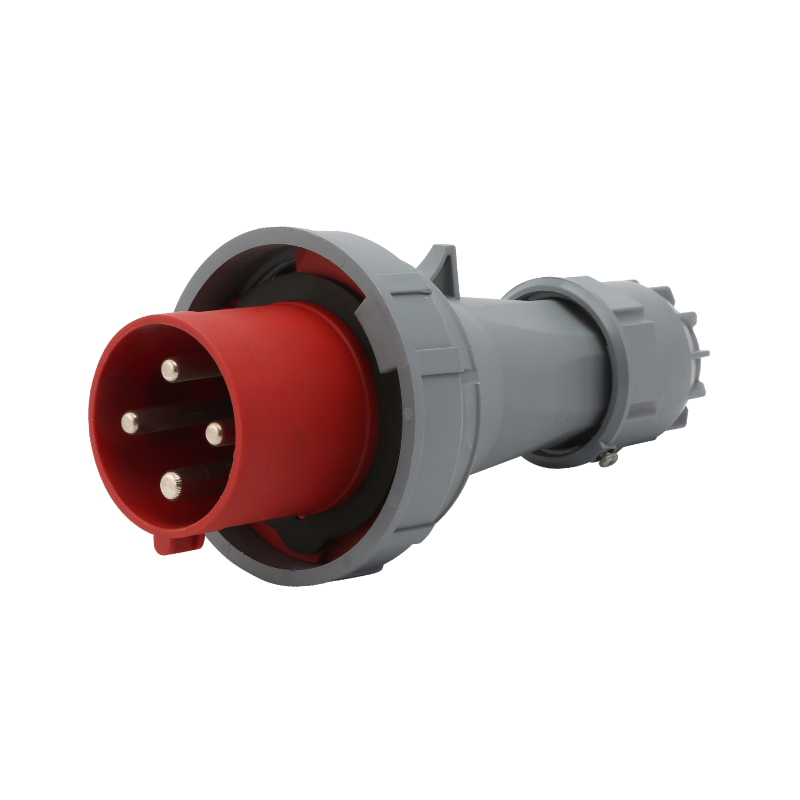
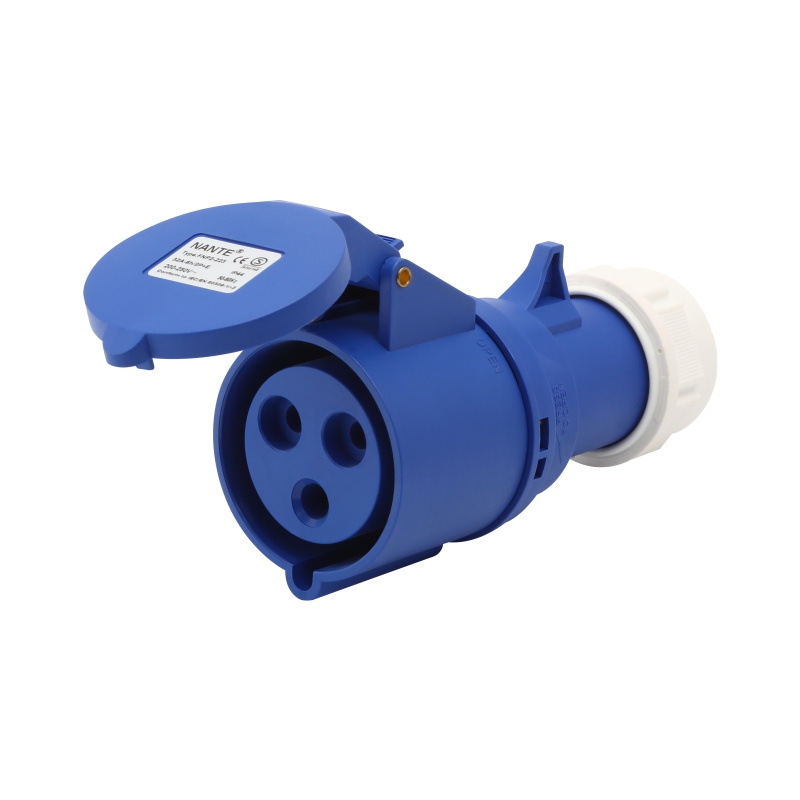
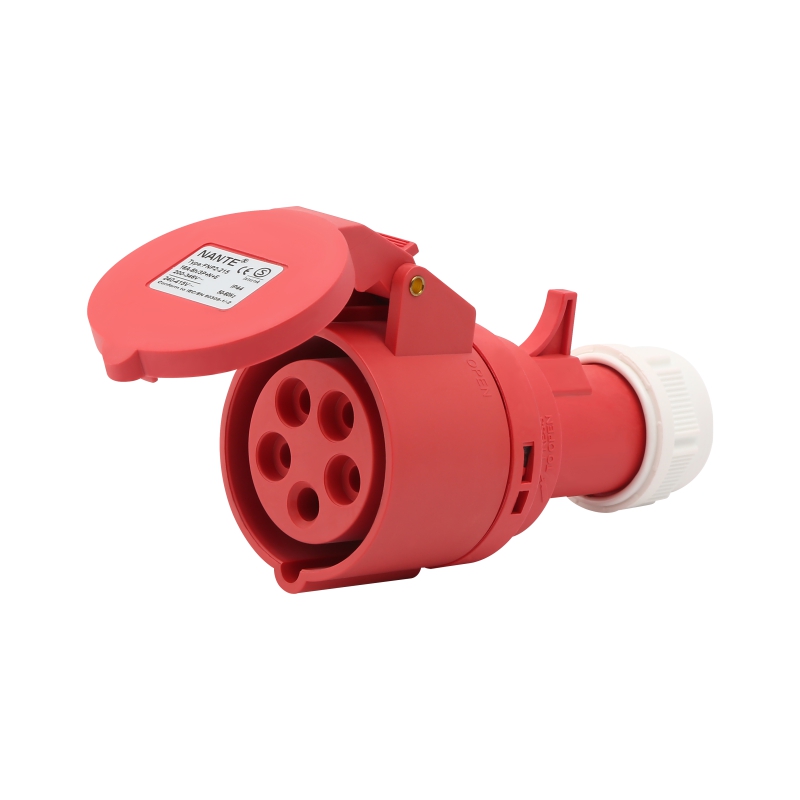
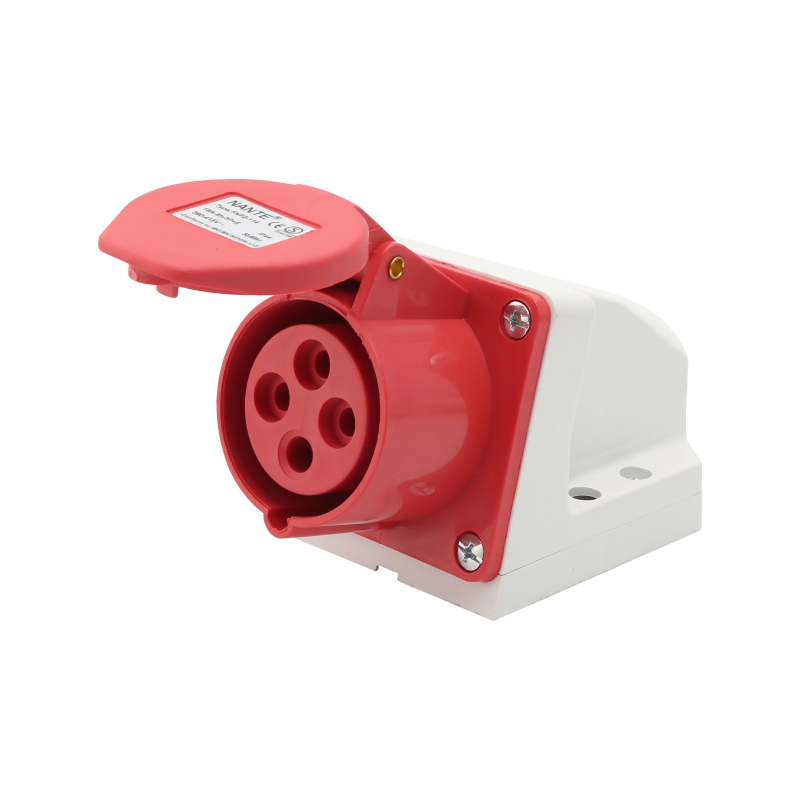
Differences Between Various Types of Plug Top Electrical
Most people do not think much about plug tops. They use them every day, often without looking twice. The device turns on, the cable stays in place, and that is usually enough.
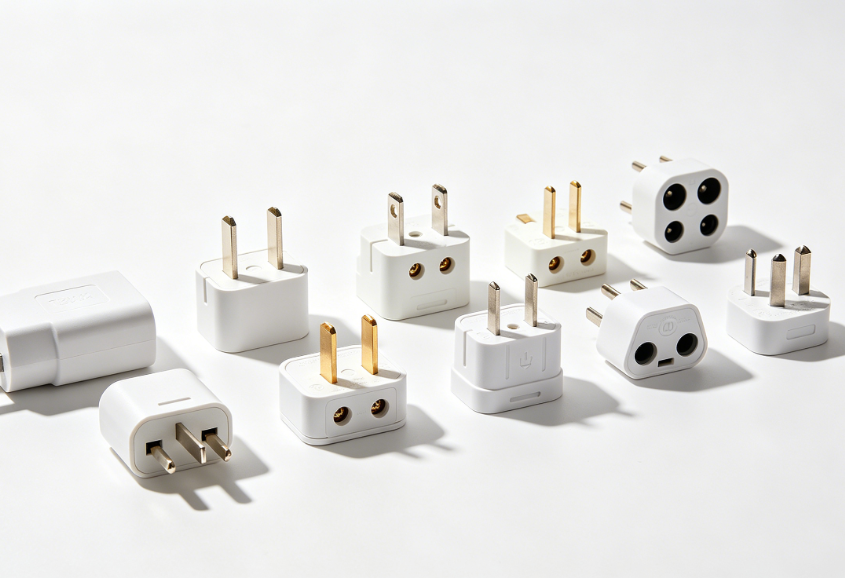
But once you start comparing different plug top electrical side by side, small differences begin to stand out. Some feel heavier. Some sit tighter in the socket. Others look compact but behave differently when you try to remove them.
These details are easy to ignore. Still, they shape how electrical connections behave in real situations.
At glance, it may seem like design variety is just about appearance. That is not really the case.
Different shapes often come from different habits of use. In some places, plugs are rarely removed. In others, they are constantly unplugged and moved around. That alone can change how a plug is designed.
There is also the matter of space. Not every socket sits in an open area. Some are hidden behind furniture or placed close to the floor. A bulky plug may not fit well there, while a flatter one might work without trouble.
So the differences are not random. They come from small, practical needs.
They do, although not always in an obvious way.
Take grip, for example. Some plug tops are easy to hold and pull out. Others feel a bit awkward, especially if the surface is smooth or the shape is too flat.
Then there is the way the cable exits the plug. A straight design works fine in open space. But in tighter areas, the cable may bend sharply. Over time, that bending can become noticeable.
Even weight plays a part. A slightly heavier plug tends to stay in place more firmly. A lighter one feels easier to handle, but sometimes less stable.
None of this is dramatic. It is more about small differences adding up over time.
There is no single way to classify plug tops, but in everyday use, a few patterns appear quite often.
| Type | How it feels | Where it usually fits |
|---|---|---|
| Fixed plug | Solid and steady | Home appliances |
| Rewirable plug | More adjustable | Situations needing changes |
| Molded plug | Closed and simple | Regular daily use |
| Compact plug | Light and small | Travel or portable items |
| Angled plug | Space-saving | Tight or hidden sockets |
These categories overlap sometimes. A plug can share features from more than one type.
This comes down to how much control the user is expected to have.
Rewirable plug tops can be opened. That allows changes to the internal connection if needed. It is useful in certain setups, especially when cables need to be replaced or adjusted.
Molded plug tops are different. They are sealed from the outside. You cannot open them without breaking the casing. That removes the chance of incorrect assembly, but also limits repair.
So it is a trade-off. Flexibility on one side, simplicity on the other.
Not necessarily. They are easier to carry, that part is clear. They fit into tight spaces and do not take up much room.
But smaller size can also make handling a bit tricky. When the plug sits close to the wall, there is less area to grip. Removing it may require more care.
This is something people usually notice only after using it for a while. At the beginning, the small size just feels convenient.
Angled designs are not about appearance. They solve a very specific problem.
When a socket is placed behind furniture, a straight plug can push the cable outward. That creates pressure on the cable and sometimes forces it into a bend.
An angled plug changes that direction. The cable follows the surface instead of pushing against it. The difference may look minor, but in tight spaces, it helps a lot.
It also makes the setup look cleaner, although that is more of a side effect than the main goal.
They do, even if the effect is subtle.
Some plug tops feel hard and rigid. Others have a slightly softer outer surface. This changes how they feel in the hand, especially when unplugging.
Durability also varies. A tougher casing may show fewer signs of wear over time. A softer one might feel better to hold but age differently.
Temperature can play a role as well. Certain materials feel colder or warmer depending on the environment. It does not change function, but it affects perception.
If you travel, this becomes obvious very quickly. A plug that works in one place may not fit in another at all.
This is not about quality. It is about different systems being developed separately. Each region has its own approach to socket design, and plug tops follow that structure.
Because of this, adapters become necessary when moving between systems. It is less about fixing a problem and more about bridging a difference.
There are quite a few, and some people only notice them after repeated use.
These are not things people usually check in advance. They become noticeable over time.
They can.
A plug that feels slightly loose may not seem like a problem at the start. After repeated use, it may become more noticeable. The same goes for cable strain. A small bend can turn into visible wear after a while.
Consistency matters here. A plug that behaves the same way every time tends to cause fewer interruptions.
The effect is gradual. Nothing dramatic happens at once. It is more like a slow shift in how the setup feels and performs.
When different plug tops are placed side by side, the differences become clearer.
Some are built for stability. Others focus on flexibility. Some reduce user involvement, while others allow adjustments.
It is not about choosing one over another in a general sense. It depends on how and where the plug will be used.
A fixed setup has different needs compared to something that moves often. That alone changes what kind of design feels more suitable.
| Aspect | Fixed | Rewirable | Molded | Compact | Angled |
|---|---|---|---|---|---|
| Structure | Closed | Openable | Sealed | Small | Directional |
| Handling | Stable | Flexible | Consistent | Light | Space-aware |
| Adjustment | Limited | Possible | Not intended | Limited | Limited |
| Use feeling | Firm | Variable | Steady | Portable | Practical |
In situations, the plug top stays in the background. It connects and remains in place. That is all it is expected to do.
Yet once you start paying attention, the differences are there. Not dramatic, not complicated, but present in small ways that shape everyday use.
 +86-577-62731897
 shireen@nante.com
 No.688 chezhan Road, Liushi town, Wenzhou, China
Copyright © 2024 Fly-Dragon Electrical Co., Ltd. All Rights Reserved.
 浙公网安备33038202003041号
 Privacy
Outdoor Socket Box Factory & Outdoor Electrical Distribution Panel Factory



 English
 Español
 Português
 Deutsch