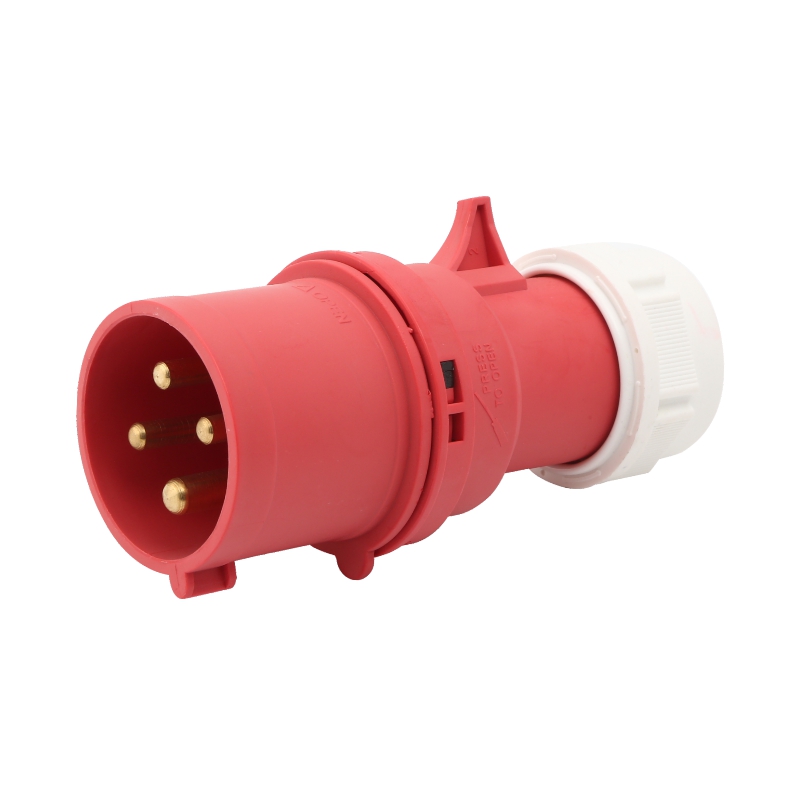
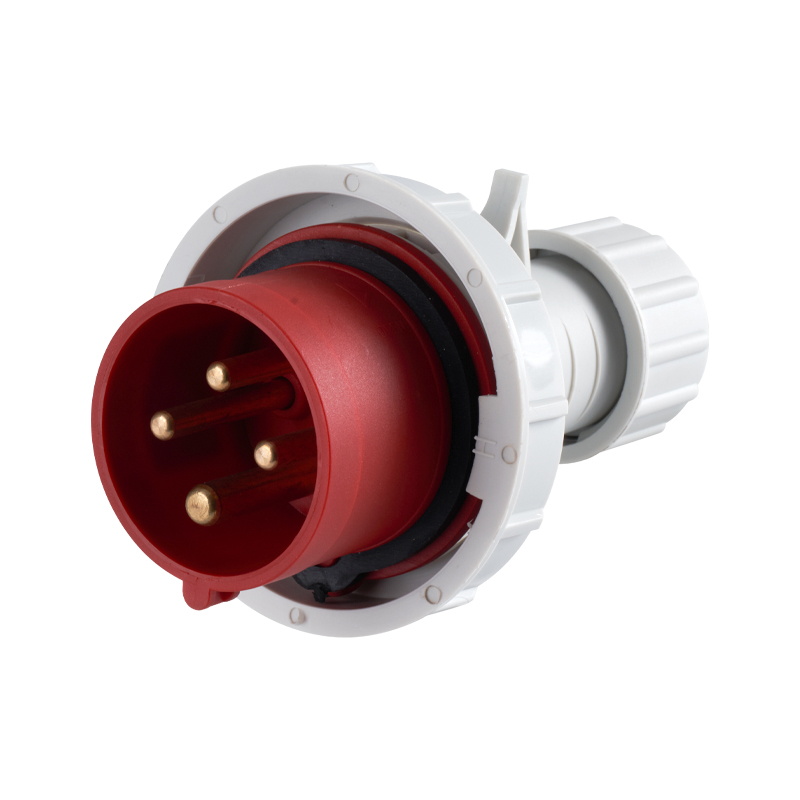
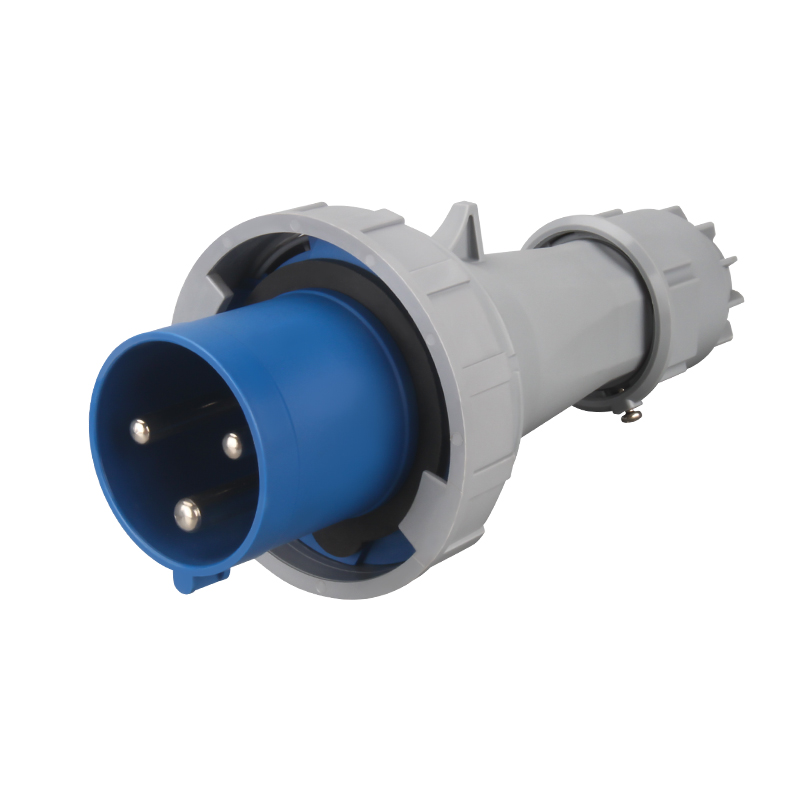
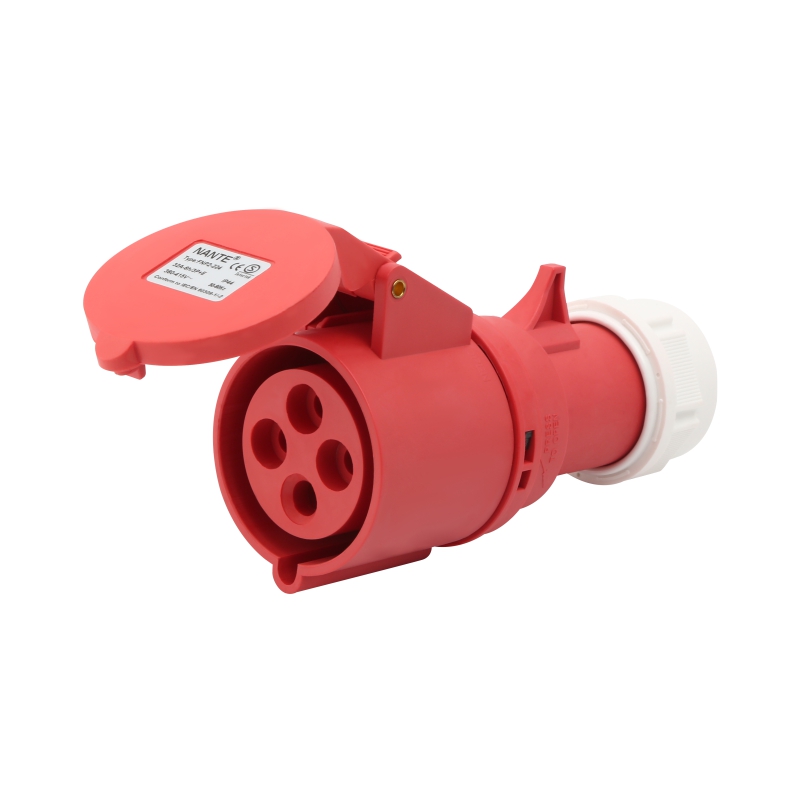
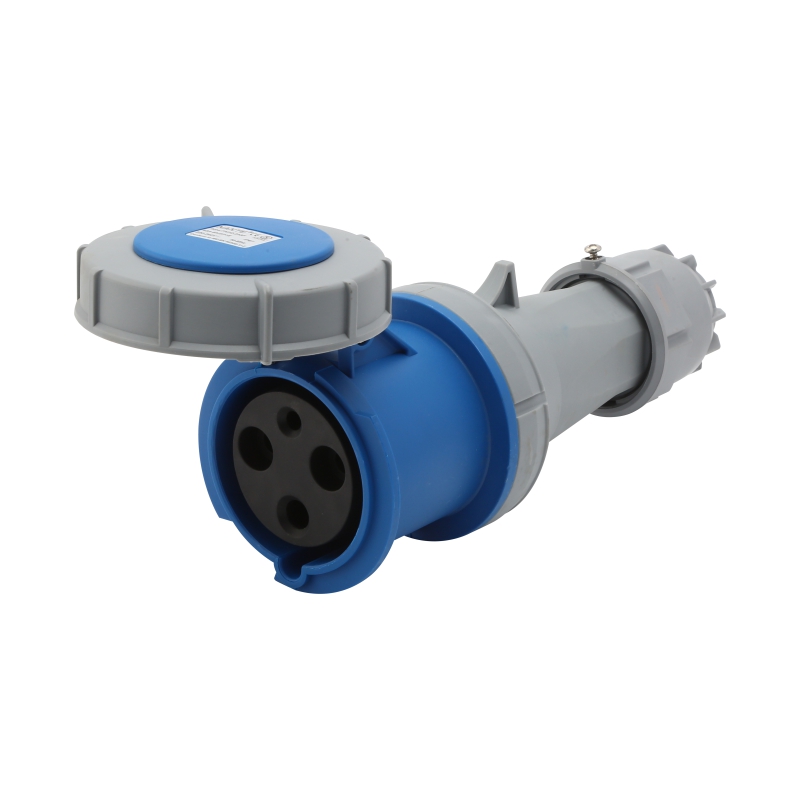
Electric Meter Socket Box: Supporting Organized and Protected Wiring Systems
 Home / News / Industry News / Electric Meter Socket Box: Supporting Organized and Protected Wiring Systems
 Electrical systems are becoming more layered in modern spaces. Homes, small workshops, and commercial sites all depend on stable power. At the center of these systems, there are parts that often stay out of sight. The electric meter socket box is one of them.
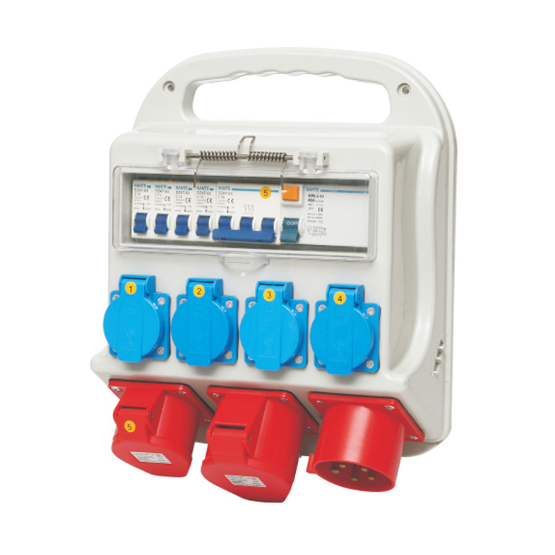
It does not stand out visually. It usually stays fixed in one position. Still, it plays a steady role in how wiring is arranged and protected.
More attention is now being given to how electrical layouts are structured. Not just how power flows, but how clean and readable the system is. In that shift, the socket box has become more noticeable.
Electrical use is no longer simple. A single space may have lighting, appliances, tools, and backup systems running together.
When wiring is scattered, things start to get harder to follow. Lines cross. Points multiply. Small adjustments take more time.
Even basic maintenance can slow down if the layout is unclear.
That is why organization matters. It is not only about appearance. It is about keeping the system understandable over time.
The electric meter socket box helps by grouping key connection points into one fixed area. Instead of multiple loose sections, things are brought together.
This makes the system easier to read, even at a quick glance.
Its function is not complicated. It creates a defined space for meter-related connections and wiring entry points.
Once those parts are inside one enclosure, the overall structure becomes more stable.
In real use, this leads to a few practical changes:
It also helps when the system changes. New lines can be added without breaking the overall structure too much.
Instead of rebuilding everything, adjustments happen within a fixed space.
Wiring is sensitive. It does not handle exposure well over time.
Dust, moisture, and accidental touch can all affect stability. Even small interference can cause issues later.
The socket box works as a shield around key points. It keeps important connections inside a closed structure.
This brings a few practical benefits:
It is not only about safety in a strict sense. It is also about keeping things steady for longer use.
Different environments use it in slightly different ways, but the basic idea stays the same.
In homes, space is limited. Everything needs to stay compact and neat. The socket box helps keep wiring from spreading.
In small commercial spaces, electrical loads are more mixed. Lighting and equipment often run together. A structured point helps avoid confusion.
In light industrial areas, the layout becomes more complex. There are more connections and more movement of usage. Organization becomes even more important.
Typical use areas include:
Across all of them, the goal stays simple: keep wiring clearer and easier to manage.
| Common Situation | What Often Happens | How Socket Box Helps |
|---|---|---|
| Scattered wiring | Hard to follow connections | Groups points in one place |
| Exposed wiring areas | Higher risk of disturbance | Enclosed protective space |
| System expansion | Layout becomes messy | Keeps structure stable |
| Maintenance work | Slow identification process | Easier visual understanding |
Maintenance usually starts with observation. Someone looks at the system and tries to understand it first.
If wiring is spread out, that step takes longer. Tracing connections becomes slower. Simple checks turn into detailed searching.
A socket box reduces this effort. Key connection points are gathered in one area. That alone makes inspection more direct.
It also reduces unnecessary opening or disassembly. Less disruption means smoother work.
Even small improvements in clarity can save time during repeated maintenance cycles.
Electrical systems change over time. New devices are added. Old ones are replaced. Load patterns shift quietly.
Without structure, these changes can slowly make the layout harder to follow.
The socket box provides a fixed reference point. No matter how the system grows, the core structure stays anchored.
This helps in two ways:
It does not stop expansion. It just keeps expansion more controlled.
Yes, but not in a complicated way.
In clean indoor spaces, it mainly supports neat layout organization.
In more exposed or mixed environments, it adds a layer of separation between wiring and outside conditions.
The basic role does not change. What changes is how much support the environment needs.
That flexibility is why it is used in different types of setups.
Electricity itself is invisible. So the structure around it becomes important.
When wiring is clear and grouped, the system is easier to understand. Even without touching anything, you can see how things are arranged.
This clarity helps in three ways:
The socket box supports this by keeping key points together instead of scattered.
Modern design tends to avoid unnecessary complexity. Systems are being arranged in cleaner and more controlled layouts.
Instead of loose wiring paths, more attention is given to structure.
The electric meter socket box fits naturally into this direction. It supports:
It does not change how electricity works. It changes how the system is organized around it.
Most people do not interact with it directly. It usually stays in place without attention.
But every time power is used, it is part of the background system supporting that flow.
Its value becomes clearer during inspection, repair, or adjustment. That is when organization really matters.
It is a quiet component, but it supports the structure behind daily electricity use.
As systems grow, small layout issues become more visible. What seems simple at the beginning can become harder to manage later.
A structured point like a socket box helps reduce that buildup.
It keeps things from spreading too loosely. It also makes future changes easier to handle.
Over time, this kind of structure becomes less of an option and more of a necessity in many installations.
 +86-577-62731897
 shireen@nante.com
 No.688 chezhan Road, Liushi town, Wenzhou, China
Copyright © 2024 Fly-Dragon Electrical Co., Ltd. All Rights Reserved.
 浙公网安备33038202003041号
 Privacy
Outdoor Socket Box Factory & Outdoor Electrical Distribution Panel Factory



 English
 Español
 Português
 Deutsch