What Is a Lockable Outdoor Socket Box and How Does It Work
Outdoor power use has become part of everyday environments. Gardens, small workshops, patios, and temporary outdoor setups all rely on sockets placed outside the building. Once electricity moves outdoors, the working conditions change. Rain, dust, and open access all start to affect how safe and stable the socket feels during use.
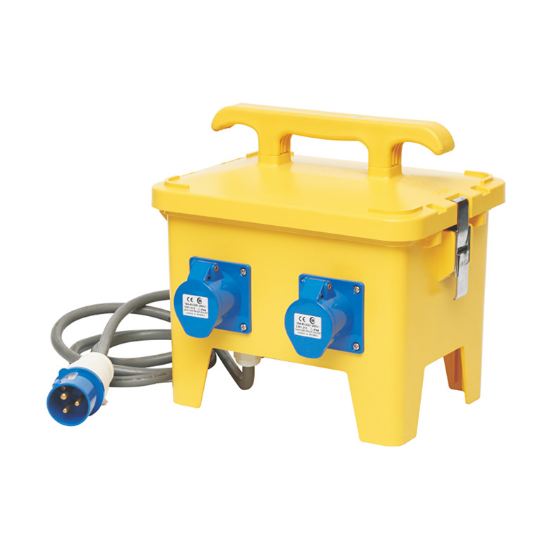
A lockable outdoor socket box is designed to deal with these situations. It is not only a protective cover. It also adds a locking function that controls access. In simple terms, it keeps the socket covered when not in use and restricts who can open it.
Indoor sockets are usually stable. Outdoor sockets are not.
Outside, conditions change quickly. A sunny area can turn wet after a short shower. Dust can build up from wind or nearby soil. In shared spaces, different people may use the same power point without coordination.
This creates two common issues:
A simple cover helps with weather. A lock adds control. When combined, the socket becomes more organized and less exposed to random use.
In real use, the structure is quite straightforward. It is a protective enclosure built around a socket, with a closing system that can be locked.
The box usually works in a simple pattern:
It is not a complex system. The idea is more about controlling daily behavior around the socket than changing the electrical setup itself.
The locking mechanism is mainly about access control.
In shared or open areas, not everyone should be able to plug or unplug devices freely. The lock creates a simple barrier. Only someone with access can open it.
In daily situations, this helps with:
It is a small feature, but in real environments, it changes how the socket is treated.
Outdoor environments are unpredictable. Even in well-designed spaces, moisture and dust are always present to some degree.
When the box is closed, it creates a shield around the socket area. This reduces direct contact with:
The key point is not complete isolation, but reduction of direct exposure during idle time.
When the socket is not being used, it is protected in a closed space instead of being open to the environment.
In real applications, it appears in many everyday outdoor settings.
Common places include:
The common factor is simple: the socket is exposed and used by more than one situation or user.
The usage pattern is not complicated.
A typical cycle looks like this:
In many cases, people get used to this routine quickly. It becomes part of normal outdoor work behavior.
The important point is that the socket is not left open continuously. It is only exposed during actual use.
A standard outdoor socket box mainly focuses on covering the socket. It helps reduce rain and dust exposure but does not control who can access it.
A lockable version adds another layer:
This difference becomes more noticeable in shared spaces. When multiple people are around, control often matters as much as protection.
Yes, placement has a clear impact on how well it works in daily use.
A practical position usually avoids:
At the same time, it should still be easy to reach when needed.
A good position is often a balance between protection and convenience. If it is too exposed, weather becomes a problem. If it is too hidden, daily use becomes inconvenient.
Over time, outdoor sockets are influenced by repeated exposure and handling.
A lockable box helps in a simple way:
The result is not about changing the socket itself, but about creating a more stable usage environment around it.
Outdoor electrical use is no longer occasional. It is part of normal daily environments now.
As usage increases, two needs become more visible:
A lockable outdoor socket box fits both needs without adding complexity. It simply controls exposure and access in a practical way.
That combination is why it continues to appear in more outdoor setups, from home gardens to small working areas.
 +86-577-62731897
 shireen@nante.com
 No.688 chezhan Road, Liushi town, Wenzhou, China
Copyright © 2024 Fly-Dragon Electrical Co., Ltd. All Rights Reserved.
 浙公网安备33038202003041号
 Privacy
Outdoor Socket Box Factory & Outdoor Electrical Distribution Panel Factory



 English
 Español
 Português
 Deutsch