How Can Industrial Multi Sockets Reduce Electrical Risks
Industrial workplaces rarely run on a single piece of equipment plugged into a single outlet. Production machinery, inspection tools, portable lighting, and maintenance devices often need power at the same time in the same area, and when outlets fall short, workers naturally reach for shared power points to keep a shift moving.
That arrangement works fine until the electrical load isn't managed properly. Too many devices chained together, a cable that's seen better days, a loose connection, or distribution equipment that isn't built for the job — any of these can push overheating and electrical faults from a remote possibility into a real one. A well-matched industrial multi socket helps organize those connections and genuinely supports safer equipment use, provided it gets selected, installed, and maintained with the actual working environment in mind.
Facility managers, maintenance teams, purchasing departments, and equipment suppliers all benefit from understanding how these products actually function, and the outlet count on the box tells only part of the story. Electrical capacity, built-in protection, the physical condition of the unit, and how workers handle it day to day all shape whether a workspace stays safe.
Sharing a single supply point across several devices simplifies equipment placement, especially in workshops or temporary work areas where running new wiring isn't practical. The trouble starts when people connect device after device without ever stepping back to consider what the group as a whole is demanding from that one point.
Every device added contributes to the total load, and once combined demand outpaces what the supply or the connected gear can handle safely, cables and connection points start running hot. Keep that up long enough and insulation degrades, raising the odds of an actual fault down the line.
Short circuits bring a separate concern into the picture. These happen when conductors that should stay apart touch instead, often because insulation has failed, moisture has gotten in, contamination has built up, or a piece of equipment itself is faulty. Current can spike fast in that situation, generating heat, sparks, or outright equipment damage.
| Common Issue | Possible Consequence | Practical Safety Measure |
|---|---|---|
| Too many devices connected | Excessive electrical demand | Check the combined load before use |
| Damaged cable insulation | Exposure of conductive parts | Remove damaged equipment from service |
| Loose connections | Heat buildup or intermittent power | Inspect plugs and sockets regularly |
| Moisture near electrical connections | Increased risk of electrical faults | Use equipment suitable for the environment |
| Poor cable arrangement | Physical damage or accidental disconnection | Keep cables organized and protected |
A multi-socket product doesn't automatically fix any of this on its own. It needs genuinely matching the supply, the devices connected to it, and the conditions it's actually operating in.
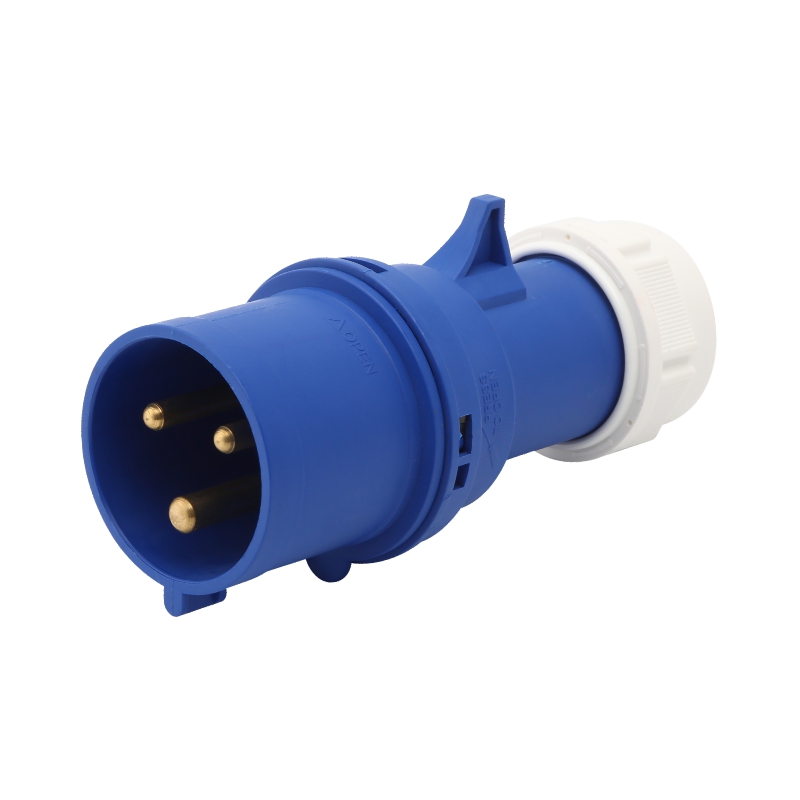
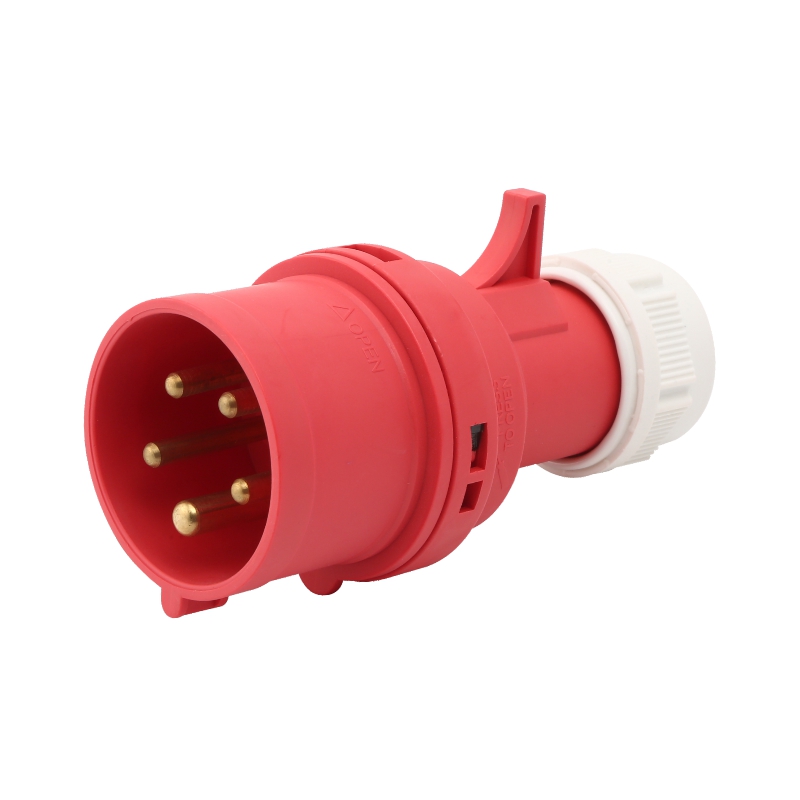
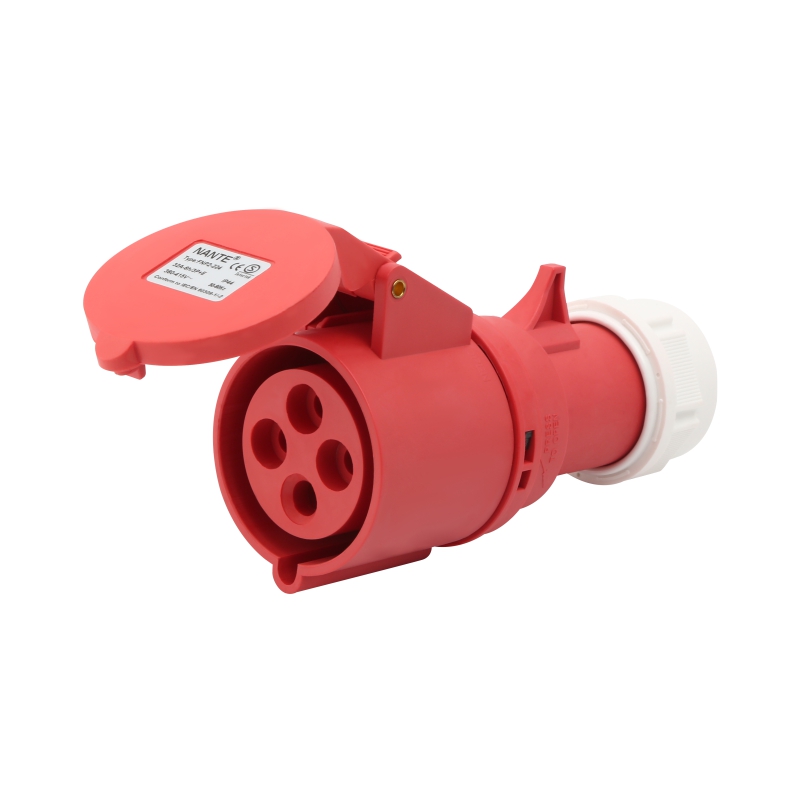
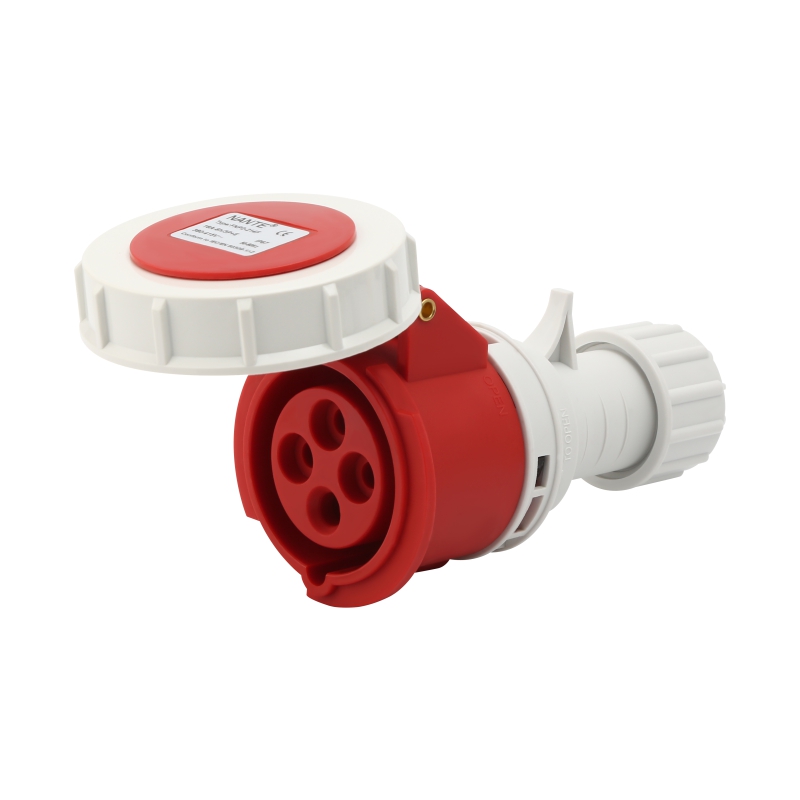
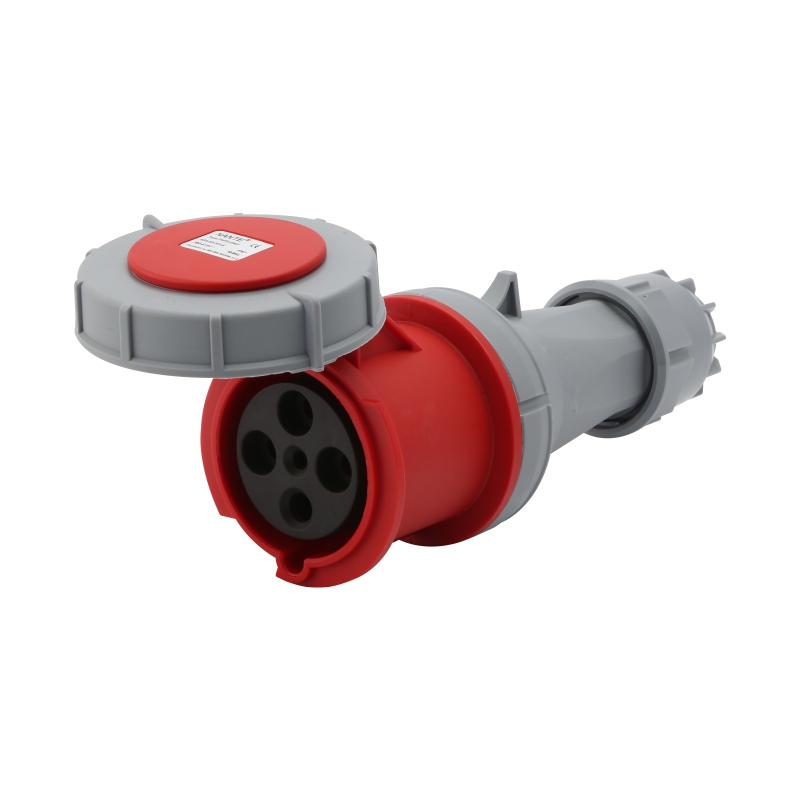
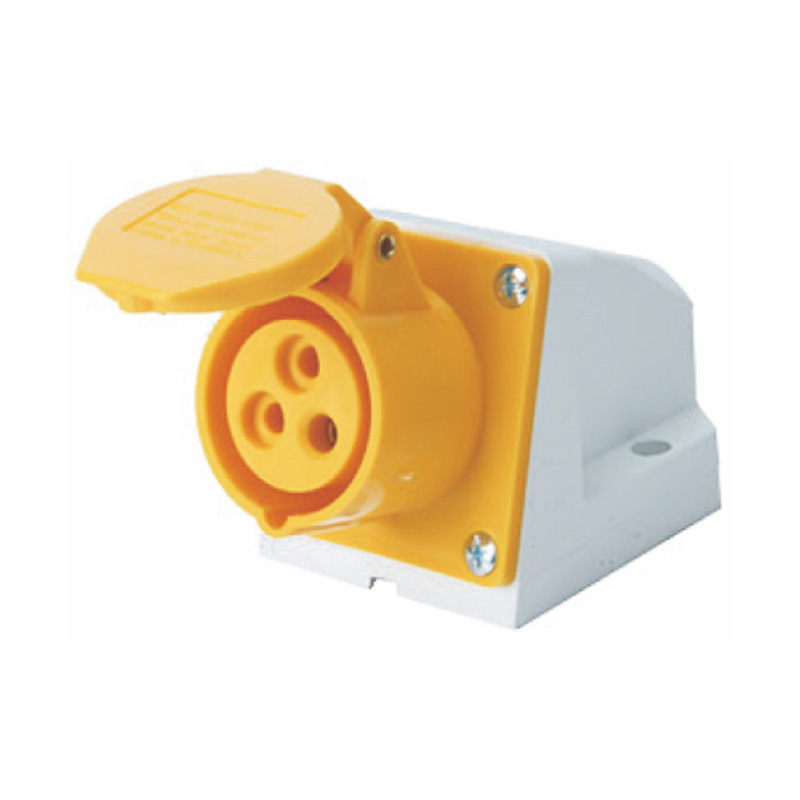
An industrial multi plug gives workers several defined connection points fed from one shared supply arrangement. Rather than improvising with scattered adapters, staff can route compatible equipment through a single, purpose-built product instead.
That alone makes a working area genuinely easier to manage. Connections sit grouped in one recognizable spot, and anyone walking through can see at a glance which devices share the same supply point. A tidier setup like that also makes it genuinely easier spotting unnecessary connections during a routine walk-through.
Adding outlets doesn't add power, though — the original supply still has whatever ceiling it has, and total demand needs staying within whatever the circuit and the product itself are rated for. A sensible selection process looks at what's actually getting connected, how often it runs, and whether several devices are likely running at once. A cluster of low-draw inspection tools creates a genuinely different situation than a cluster of heaters or power tools would.
The point of a multi plug is distributing available power in a controlled way, not inviting more connections than the electrical system can realistically carry.
Overload protection cuts the danger that builds when connected equipment pulls more current than the system was designed to carry. Depending on the product and how it's installed, that protection might come from a circuit breaker, a suitable fuse, or another approved arrangement built into the design.
Once that protection senses an excessive load, it can interrupt the supply, which stops the continued heating and helps shield both the equipment and the wiring from further damage. Exactly how it responds depends on the specific protective device and the nature of the fault itself.
Not every multi-socket product on the market includes built-in overload protection — some rely entirely on protection upstream in the building's electrical installation. Checking the actual product documentation beats assuming every model works the same way.
| Design Consideration | How It Supports Safer Use |
|---|---|
| Suitable load rating | Helps users match the product to the intended demand |
| Approved overload protection | Can interrupt power under specified overload conditions |
| Secure socket contacts | Supports stable connections with compatible plugs |
| Durable housing | Helps protect internal components during normal use |
| Clear product markings | Makes ratings and usage restrictions easier to identify |
Protection also needs matching the actual equipment being plugged in. A device that trips under overload won't necessarily guard against every short circuit, damaged cable, or other electrical hazard out there, so workers should stick to the product instructions and never swap protective components for parts carrying different ratings or functions.
Improvised adapters, and chains of extension cords plugged into each other, make power access genuinely harder to track. Every additional link in that chain is one more point that could loosen, wear out, or simply not suit the combined load running through it.
An industrial multi plug socket, by contrast, offers one designated arrangement for connecting compatible devices. Depending on its build, it might offer sturdier housing, clearer load information printed right on it, or protective features actually suited to workshop conditions.
The real difference goes beyond looks. A purpose-built unit deserves evaluating on its electrical ratings, construction, protective arrangements, and whether it actually fits the environment it'll live in. Workers should steer clear of plugging one multi-socket unit into another unless the manufacturer explicitly allows it and the electrical installation can actually support it — stacking units like that makes the total demand on the original supply genuinely hard to track.
A simpler, cleaner layout also helps maintenance staff trace cables and track down the source of a problem fast. When a device needs disconnecting for inspection, a clear setup cuts down on confusion and unnecessary fumbling around.
Overload and short-circuit conditions are related, but they're not the same thing. An overload means a circuit is carrying more current than intended over some stretch of time. A short circuit means an unintended low-resistance path has opened up between conductors, and current can spike rapidly as a result.
A device built to handle overload conditions won't necessarily offer complete protection against a short circuit — the protection system needs selecting with the actual faults that could occur in that installation in mind.
A suitable industrial multi socket becomes part of a broader safety setup once its protective features line up with the upstream supply and the equipment connected to it. Its housing and contact design can also help keep conductive parts shielded during ordinary use. Beyond the product itself, a few habits matter just as much: inspecting cables, plugs, and socket openings for visible damage, keeping conductive debris away from electrical connections, preventing liquids from reaching equipment that isn't built for wet conditions, pulling anything showing signs of overheating or unusual electrical behavior out of service, and routing inspection and repair through qualified personnel rather than handling it informally.
A multi-socket product should never stand in for properly designed circuit protection or a genuinely safe electrical installation.
Industrial environments place genuinely different demands on electrical equipment depending on where they sit. A clean assembly area asks for different things than a workshop dealing with dust, vibration, moisture, or constant foot traffic.
Those conditions wear on the product housing, the cable connections, and the ongoing condition of the insulation over time. A unit built for dry indoor use may not hold up in an exposed outdoor spot or anywhere liquids show up regularly.
Buyers do well thinking through where the socket will actually sit and how workers will interact with it day to day. The right product might need housing suited to that specific environment, proper cable entry protection, and a mounting setup that keeps it from shifting or getting knocked around.
| Workplace Setting | Selection Consideration |
|---|---|
| Assembly workshop | Secure connections and convenient access |
| Maintenance area | Resistance to expected handling and physical wear |
| Warehouse | Cable routing that avoids vehicle and foot traffic |
| Outdoor work area | Suitability for weather and environmental exposure |
| Damp production space | Appropriate protection against moisture |
Environmental protection markings and the product instructions deserve a close read. A protected housing doesn't automatically make something suitable for every wet or hazardous spot it might end up in. Placement matters just as much — sockets belong away from walkways where they'd get struck, crushed, or yanked on repeatedly, with cables routed to cut down on trip hazards and physical wear.
A multi-socket product leans on genuinely more than its outer housing. The cable, the plug, the internal connections, and the socket contacts all play a part in keeping things running safely.
An unsuitable cable may struggle carrying the intended load under whatever conditions it's actually working in, and damage to that cable can expose conductive parts or weaken insulation over time. Repeated bending, crushing, pulling, and brushing against sharp edges all speed up that wear.
Loose contacts raise a separate concern. An unstable connection increases resistance and causes localized heating, and workers might notice intermittent power, unusual warmth, discoloration, or a burning smell — though a developing fault isn't always visible before real damage sets in.
Choosing a product with a cable and plug arrangement genuinely suited to the application matters, and users shouldn't modify the cable, strip out grounding features, or swap in incompatible plugs. If a connection runs unusually hot, sparks, or shows any sign of damage, it needs pulling from use and the supply isolated when it's safe doing so, with a qualified person inspecting it before it goes back into service.
Grounding is a core piece of electrical protection for equipment designed to rely on it. It gives fault current a defined path under specified conditions, helping the protective system respond when a fault causes an exposed conductive part to become energized unexpectedly.
A grounded product needs connecting to a compatible supply with a functioning grounding arrangement behind it. Having a grounding contact on the plug itself doesn't protect anyone if the installation it's plugged into lacks a suitable connection.
Workers shouldn't remove grounding pins, reach for incompatible adapters, or assume an ordinary two-contact product offers the same protection as properly grounded equipment. The right arrangement depends on the equipment itself, the electrical installation, and whatever local requirements apply. Where exposed conductive housings are part of the equipment in use, grounding and other protective measures deserve checking as part of the broader electrical safety process, not treated as a given.
Routine inspection catches damage before a product keeps getting used under conditions it can't safely handle. It's not a substitute for formal electrical testing, but it gives workers a genuinely practical way of noticing visible trouble early.
These checks should be simple enough to become part of routine practice. Inspect the product before use when the working environment or task presents a risk of damage, and remove it from service as soon as a fault is suspected.
Worth watching for: cracks, deformation, or other damage to the housing; cuts, crushing, or exposed conductors along the cable; plugs or socket contacts that feel loose; discoloration, melting, or any sign of excessive heat; unusual smells, buzzing, sparking, or power that cuts in and out; and missing covers or damaged protective components.
Inspection should never involve opening energized equipment or touching exposed conductors — internal checks and electrical testing belong with qualified personnel using proper procedures. Keeping a record of recurring faults also helps maintenance teams spot patterns, since repeated damage showing up in one spot might point to a cable-routing problem, poor equipment placement, or a genuine need to rethink how power reaches that area.
Safe use starts with actually understanding the combined demand of whatever's getting plugged in, which means checking product markings and equipment instructions before making any connection at all.
A handful of habits cut down on unnecessary risk considerably. Checking the planned load means thinking about which devices might run simultaneously, rather than just counting available outlets. Using compatible equipment means matching plugs, voltage ratings, grounding arrangements, and protective features to the actual application at hand. Keeping connections accessible means not burying a socket unit under stored materials or tucking it somewhere damage could go unnoticed for weeks. Avoiding unsuitable extensions means skipping chains of adapters or stacked multi-socket units as a workaround for an inadequate supply. Disconnecting unused equipment when it makes sense keeps the whole setup genuinely easier to inspect and manage.
These habits matter even more when equipment moves between tasks or gets shared across different workers during a shift. Clear instructions help stop people treating every open socket as an invitation to plug in one more thing.
Purchasing decisions shape how well a product actually fits the working environment it ends up in. A unit picked purely on outlet count or looks may fall short of what the application genuinely needs.
Buyers should review electrical ratings, protective features, construction, cable arrangement, and environmental suitability together, confirming along the way whether the product suits fixed installation, portable use, or some other specific arrangement. Documentation plays a real role here, helping purchasing and maintenance teams understand the intended conditions of use — conformity markings, testing information, installation instructions, and care guidance should all get checked against the destination market and the actual workplace.
For bulk purchasing, consistency across supplied units simplifies inspection and replacement planning down the road. Clear identification of models and their intended applications also helps keep products with different ratings from getting mixed up during storage or installation.
A good supplier explains a product's stated capabilities and limitations honestly, without suggesting a multi-socket unit can erase every electrical hazard on its own. The final choice should reflect the actual installation and, where it matters, the input of a qualified electrical professional.
Maintenance preserves the condition of the product and the safety features people are counting on. What that actually involves depends on the design, the environment, and the manufacturer's instructions.
Dust, oil, moisture, and other contaminants need managing in ways that suit the specific product — cleaning methods that let liquid into the housing or weaken insulation just create new risks in place of old ones. Products should come off the supply before routine cleaning or external inspection whenever the task calls for it, and workers shouldn't open the housing or attempt repairs unless they're genuinely qualified and authorized to do so.
A damaged unit needs clear labeling and removal from service, rather than getting tossed back into storage where someone else might grab it unknowingly. Replacement decisions should rest on the actual condition of the product and whether it still suits the application, not simply whether it can still technically supply power.
For industrial workplaces, pairing suitable equipment with correct electrical protection, careful connection habits, and regular inspection keeps shared power access genuinely manageable while cutting down on avoidable overload and short-circuit risks.
 +86-577-62731897
 shireen@nante.com
 No.688 chezhan Road, Liushi town, Wenzhou, China
Copyright © 2024 Fly-Dragon Electrical Co., Ltd. All Rights Reserved.
 浙公网安备33038202003041号
 Privacy
Outdoor Socket Box Factory & Outdoor Electrical Distribution Panel Factory



 English
 Español
 Português
 Deutsch