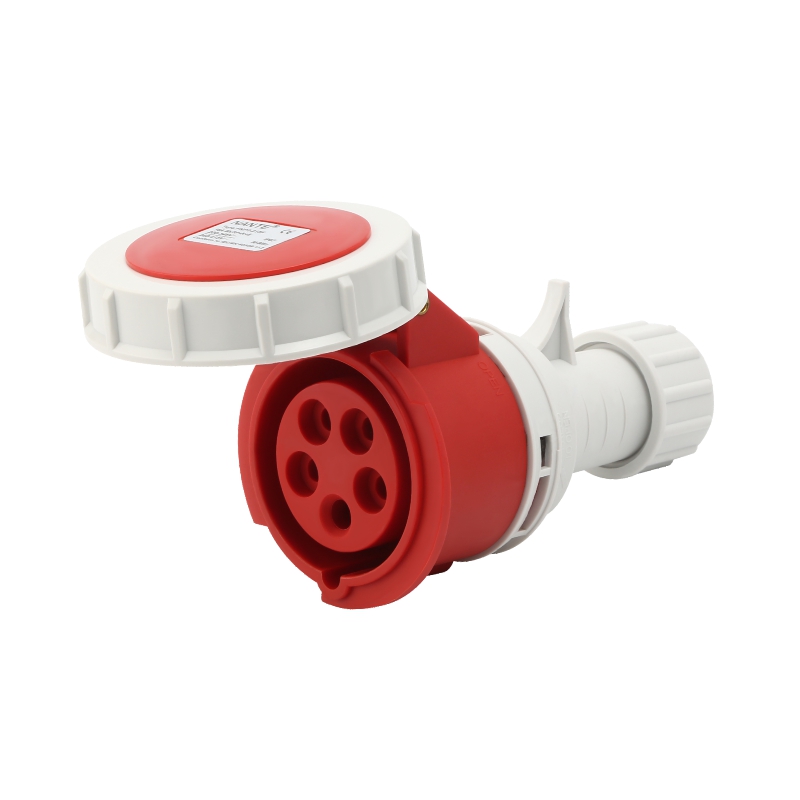
What Role Does Plug and Socket Compatibility Play in Equipment
Industrial equipment depends on reliable connections between machines, tools, power sources, and supporting electrical components spread across a facility. A plug and socket may look like simple connection parts, but a mismatch can quickly turn a straightforward installation into a genuinely difficult task for a crew already behind schedule.
Compatibility involves genuinely more than whether two components can physically connect on a bench. The plug and socket need to work together according to their intended electrical use, connection arrangement, installation environment, and equipment requirements. When these details get overlooked, procurement teams may receive products that can't get used as planned once they arrive.
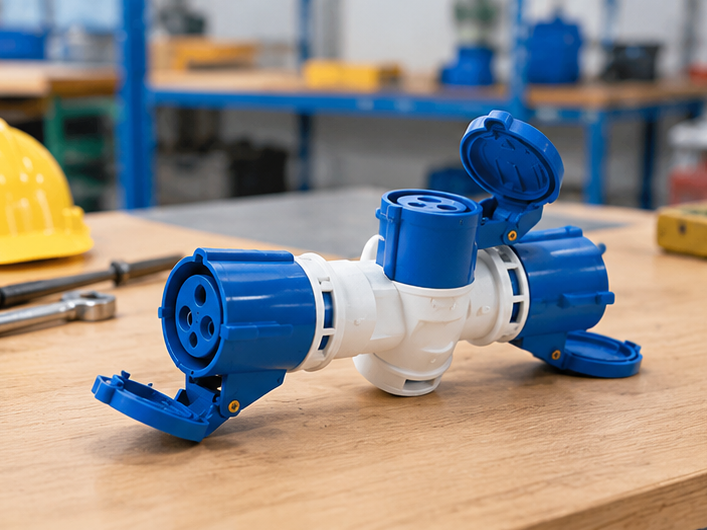
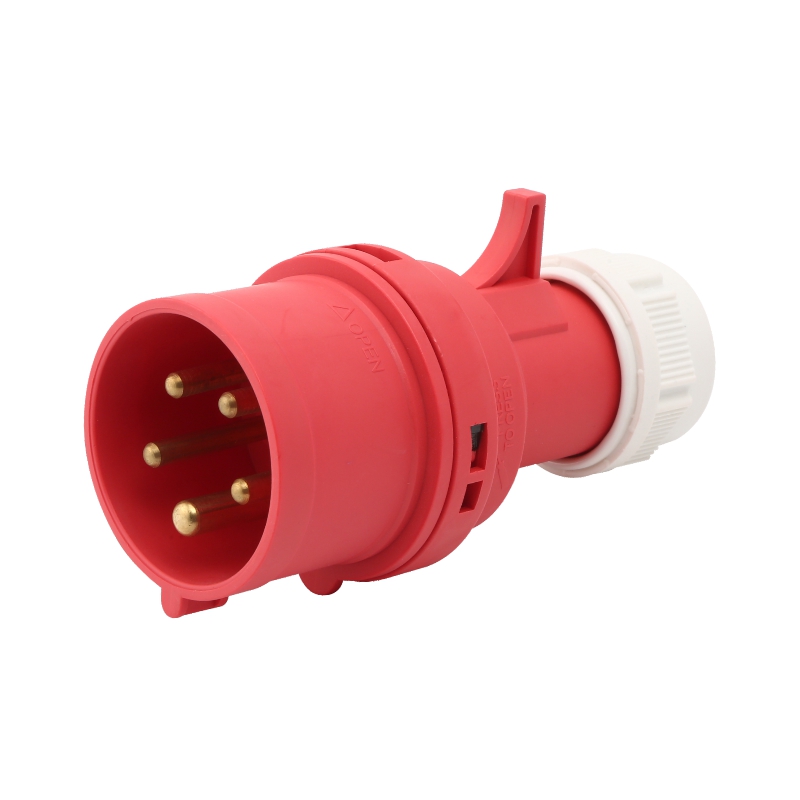
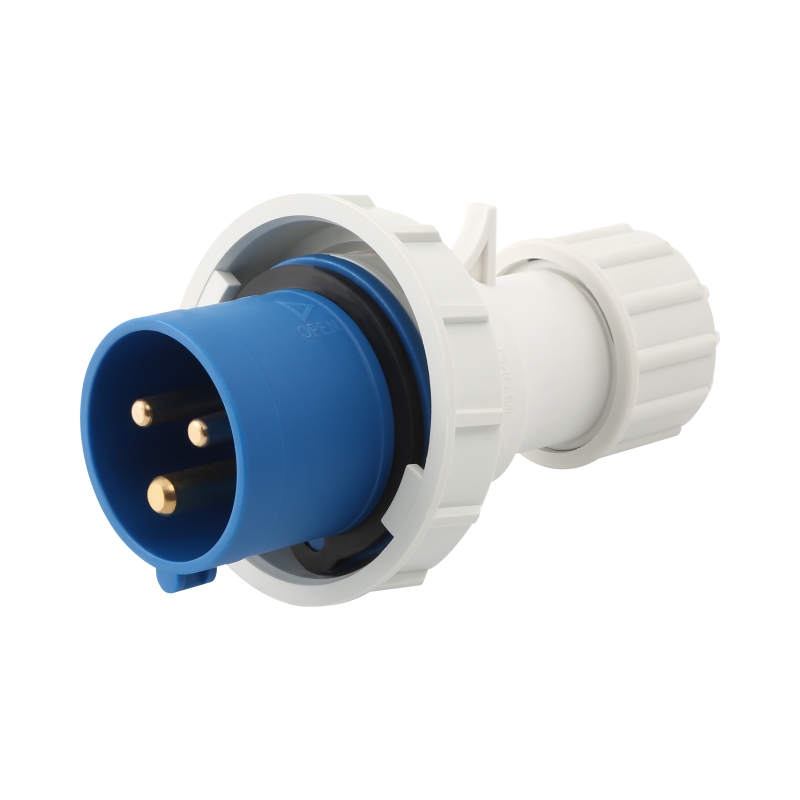
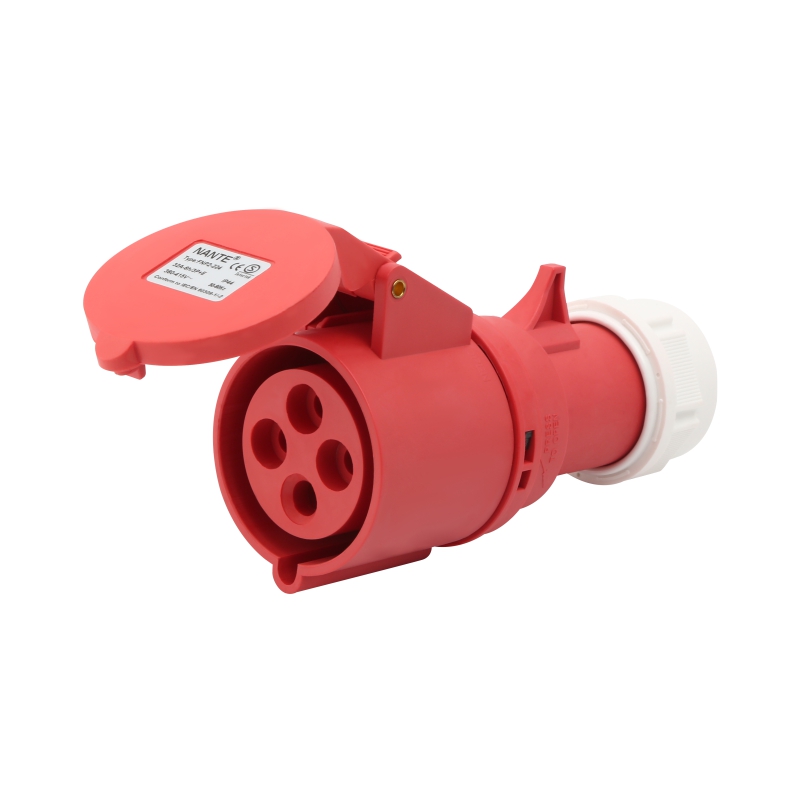
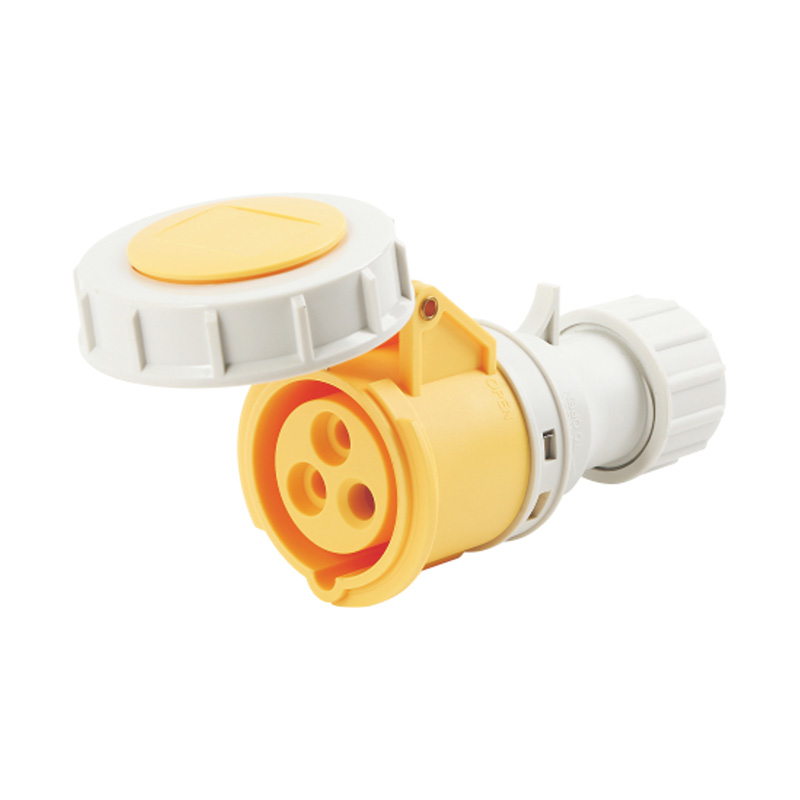
An Industrial Multi Plug, Industrial Multi Plug Socket, or Industrial Multi Socket may provide several connection points, but each connection still needs to match the equipment using it. For systems involving multiple contacts, an Industrial Multi Pin Plug and Socket may also require genuinely careful matching between the plug and its corresponding socket.
For industrial buyers, understanding compatibility can make product selection, equipment replacement, installation, and maintenance genuinely easier to manage.
Industrial workplaces often contain genuinely different types of electrical equipment sourced over the years. Machines may come from different suppliers, tools may get replaced over time, and new equipment can get added to an existing installation without anyone reviewing the connections already in place.
These changes can create a mixture of plug and socket types scattered across a facility. A connection that looks similar to another product may still have a genuinely different contact arrangement or intended application. Simply choosing a socket because it appears to fit can create problems during installation once the crew starts wiring.
| Equipment Situation | Compatibility Consideration |
|---|---|
| New machine installation | Match the equipment connection |
| Equipment replacement | Check the existing socket |
| Portable tool use | Confirm plug compatibility |
| Multiple equipment connections | Review each connection type |
| Facility expansion | Keep connection requirements organized |
Compatibility therefore needs consideration before the product gets ordered, not only once the package arrives at the loading dock.
Physical fit is a key part of compatibility between two components. A plug needs to connect properly with its corresponding socket, while the shape, contact arrangement, and connection structure all affect whether the two parts can work together reliably.
Physical appearance can sometimes prove genuinely misleading here. Two products may look similar side by side while having genuinely different connection structures underneath. An Industrial Multi Plug Socket should therefore get selected according to the actual plug type used by the equipment it will serve.
The connection should also remain stable during normal use throughout a shift. A loose or poorly matched connection may create inconvenience and can affect how the equipment operates over time. For procurement teams, checking product drawings, descriptions, samples, or supplier information can help confirm whether the connection arrangement suits the application before placing a larger order.
A plug may physically connect to a socket without making the combination genuinely suitable for the intended application at hand. Electrical compatibility involves factors such as the expected electrical load, connection arrangement, conductor configuration, and intended use of the product together.
This becomes particularly important when several devices are connected through an Industrial Multi Socket at the same time. The socket may provide multiple outlets, but the connected equipment still needs to be compatible with the electrical system supplying those outlets.
Buyers can consider equipment type alongside electrical requirements and plug arrangement. Socket configuration matters too, along with intended application and installation conditions surrounding the site. This approach helps prevent the common mistake of treating physical connection as the only definition of compatibility worth checking.
An Industrial Multi Plug can provide several connection points for equipment used in the same work area on a given day. This can prove useful when a workstation includes several tools or electrical devices clustered together. However, each connected device still needs to use a compatible plug arrangement matching the socket.
A shared workstation, for example, may contain portable tools, inspection equipment, lighting equipment, and charging devices all at once. If their connection types differ, a multi-plug product may not automatically suit every device sitting on that bench. The buyer needs to understand the equipment group before selecting the connection product for it.
| Equipment Type | Matching Question |
|---|---|
| Portable tool | Does the plug match the socket? |
| Inspection device | Is the connection arrangement suitable? |
| Charging equipment | Does the connection fit the intended use? |
| Fixed equipment | Is a shared socket appropriate? |
| Replacement equipment | Does it match the existing system? |
The purpose of a multi-plug product is simplifying access to power, not removing the need for compatibility checks beforehand.
Equipment replacement is a genuinely common reason to review plug and socket compatibility across a facility. A new machine may have a genuinely different plug arrangement from the equipment it replaces. The existing socket may still be in good condition, but that doesn't mean it will automatically work with the new machine rolling in.
An Industrial Multi Socket can also get affected by replacement decisions made elsewhere in the same workspace. When several devices share a connection area, replacing one device may introduce a genuinely different plug type into the same workspace, and the new connection needs evaluation without disrupting the other equipment already running.
A practical replacement review can begin by identifying the existing socket and then checking the plug used by the replacement equipment. Compare the connection arrangement, check the intended electrical application, and confirm the installation requirements. Verifying the product information before ordering can help reduce avoidable installation delays later on.
Some industrial equipment requires several contacts within one connection interface rather than a simple pairing. An Industrial Multi Pin Plug and Socket can provide a structured connection where multiple contacts need to work together reliably.
This type of connection requires genuinely careful matching because the contact arrangement is part of the function itself. The plug and socket need to correspond in their connection structure, and the equipment on both sides also needs to be suitable for the intended application it's serving.
A multi-pin arrangement can prove useful when related electrical connections need managing through one interface, rather than scattered across several. It shouldn't, however, get selected simply because it provides more contacts on paper. The connection needs to match the equipment and the installation surrounding it.
Inside a plug and socket, the contact arrangement determines how electrical connections get made once the two pieces join together. Different equipment can require genuinely different arrangements, with some products using fewer contacts, while other applications may need several connections within one interface.
This makes contact arrangement a genuinely important procurement detail worth flagging early. An Industrial Multi Pin Plug and Socket should get evaluated as a matching pair, rather than as two unrelated products picked independently.
| Compatibility Area | What Buyers Need to Check |
|---|---|
| Contact position | Corresponding connection arrangement |
| Plug structure | Suitable socket match |
| Socket structure | Suitable plug match |
| Equipment connection | Correct interface |
| Intended use | Appropriate application |
A mismatch may not always be obvious from a product name printed on a box. Clear documentation can therefore prove genuinely useful when purchasing industrial connection products in bulk.
An Industrial Multiple Socket Outlet can provide several connection points within a shared work area on a factory floor. This can support equipment used together, but the compatibility of each plug still needs genuine consideration before installation begins.
A workshop may have several stations with genuinely different equipment combinations from one to the next. One workstation may use portable tools, while another may use inspection devices or charging equipment instead. The same socket arrangement may not suit every location across the building.
This is why buyers can classify workstations according to their actual equipment before choosing a multiple-socket product for each one. The goal is creating a connection point that fits the equipment, rather than forcing different equipment types into the same arrangement regardless of fit.
Installation becomes genuinely easier when the plug and socket get selected as a compatible pair from the start. If the connection doesn't match, workers may need to change components, use additional connection products, or delay equipment installation while the correct parts get sourced from elsewhere.
These problems can prove particularly inconvenient during facility upgrades running against a deadline. An Industrial Multi Plug Socket can help simplify a connection area when its socket arrangement matches the equipment that will get connected to it.
The physical position also matters considerably here. A compatible product still needs installation in a suitable location where the equipment can connect without unnecessary cable movement or interference from nearby machinery. Compatibility and installation planning therefore need consideration together, not as separate steps.
A single incorrect product can prove genuinely inconvenient on its own. A compatibility problem across a larger order can create a genuinely bigger procurement issue affecting multiple sites at once.
B2B buyers may purchase electrical connection products for several workstations, production areas, maintenance rooms, or equipment groups simultaneously. Before placing an order, buyers can prepare a compatibility checklist covering the essentials.
| Procurement Area | Question |
|---|---|
| Equipment list | Which devices will use the products? |
| Plug types | What connection structures are required? |
| Socket types | Which products match those plugs? |
| Quantity | How many connection points are needed? |
| Installation | Where will the products be installed? |
| Replacement | Could equipment change later? |
| Documentation | Is product information available for verification? |
This process can help procurement teams identify compatibility differences before purchasing anything, giving suppliers genuinely clearer information about the actual application at hand.
Some facilities try reducing unnecessary variation in their electrical connections across the site. When compatible equipment uses a consistent connection approach, maintenance teams may find replacement and inspection tasks genuinely easier to organize week after week.
An Industrial Multi Plug can be part of this approach when several devices within the same application use compatible plug types together. Standardization doesn't mean every piece of equipment needs the same connection, though. Different machines may have genuinely different requirements based on their function.
The useful approach creates consistency within equipment groups where practical, rather than forcing uniformity everywhere. A group of similar workstations, for example, may use the same connection arrangement, while specialized equipment retains its own suitable interface separately.
Industrial facilities may purchase equipment from different suppliers over the years as needs evolve. Each machine may have been designed around a particular connection arrangement suited to its original manufacturer. As the equipment list grows, compatibility can become genuinely harder to manage without careful records.
This doesn't mean equipment from different sources can't get used within the same facility together. It means the connection requirements need identifying clearly upfront, before problems surface during a busy shift.
An Industrial Multi Socket can provide a shared connection area when the connected equipment uses suitable plug types matching each other. Where connection requirements differ, the facility may need separate arrangements instead. Clear equipment records can make this process genuinely easier, identifying which plug type belongs to each machine and which socket is intended for it.
Maintenance teams regularly connect and disconnect equipment throughout a working week. They may remove a machine for inspection, replace a tool, or install another device in the same work area without much notice. If the connection system is easy to identify and properly matched, these tasks can stay genuinely straightforward rather than becoming a hunt.
A mismatched connection can genuinely slow down maintenance work when it happens. Workers may need to search for another socket or determine whether an alternative connection suits the task, interrupting normal work in the process.
An Industrial Multiple Socket Outlet can help organize several connections in one area when its configuration matches the equipment being serviced there. Clear identification can also help workers recognize which connection belongs to which equipment group at a glance.
Product comparison should begin with the application, rather than the number of outlets alone on a spec sheet. An Industrial Multi Plug Socket may look suitable because it provides several connections, but buyers still need to check whether those connections genuinely match the equipment they'll serve.
Useful comparison points include plug compatibility alongside socket configuration and contact arrangement. Equipment application matters too, along with installation location, environmental conditions, product documentation, and replacement requirements down the road.
This approach helps buyers compare products according to practical use, reducing the risk of selecting a product simply because its physical design looks similar to an existing connection already in place.
Compatibility decisions depend genuinely on accurate product information provided upfront. Buyers need to know what type of plug or socket they're purchasing and what equipment it's intended to connect with before an order goes out.
Product information can include connection drawings, product descriptions, application information, and identification details worth reviewing carefully. For an Industrial Multi Pin Plug and Socket, clear information about the contact arrangement can prove particularly useful during evaluation. For an Industrial Multi Socket, information about the socket configuration helps buyers determine whether the product fits their equipment group specifically.
Clear communication between the buyer and supplier can prevent misunderstandings before production, shipping, and installation all get underway.
A supplier can support compatibility checks by asking genuinely practical questions about the intended application, rather than just taking an order at face value. Instead of discussing only the product name, the supplier can confirm what equipment will use the connection, how the socket will get installed, and whether several plug types are involved in the same order.
This information can help narrow the product selection considerably. For B2B buyers, supplier communication proves especially useful when the order involves several connection types or multiple equipment groups spread across a facility.
A clear purchasing discussion can cover equipment application alongside plug and socket type, then contact arrangement and installation environment. Required product quantity matters too, along with replacement or future-use considerations worth flagging early. This creates a genuinely clearer connection between the product being purchased and the equipment that will use it.
Industrial equipment doesn't remain unchanged forever on a factory floor. Machines get replaced, workstations get reorganized, and new tools get added as production needs shift. A connection system that's easy to understand can make these changes genuinely easier to manage over the years.
An Industrial Multi Plug can support shared connections where equipment requirements are compatible with one another. An Industrial Multi Plug Socket can provide corresponding socket access, while an Industrial Multiple Socket Outlet can support several compatible devices in one work area. Where several contacts are required, an Industrial Multi Pin Plug and Socket can provide a matching interface for the intended equipment.
The important point is treating compatibility as an ongoing part of equipment planning, rather than a one-time purchasing detail checked once and forgotten.
 +86-577-62731897
 shireen@nante.com
 No.688 chezhan Road, Liushi town, Wenzhou, China
Copyright © 2024 Fly-Dragon Electrical Co., Ltd. All Rights Reserved.
 浙公网安备33038202003041号
 Privacy
Outdoor Socket Box Factory & Outdoor Electrical Distribution Panel Factory



 English
 Español
 Português
 Deutsch