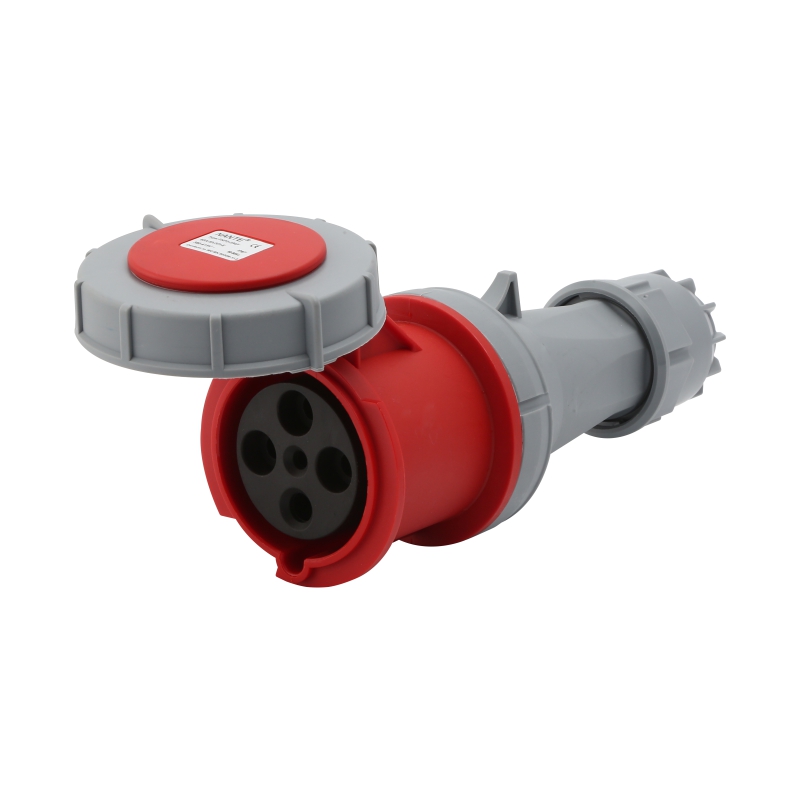
How Can Industrial Plug Sockets Prevent Overload Risks
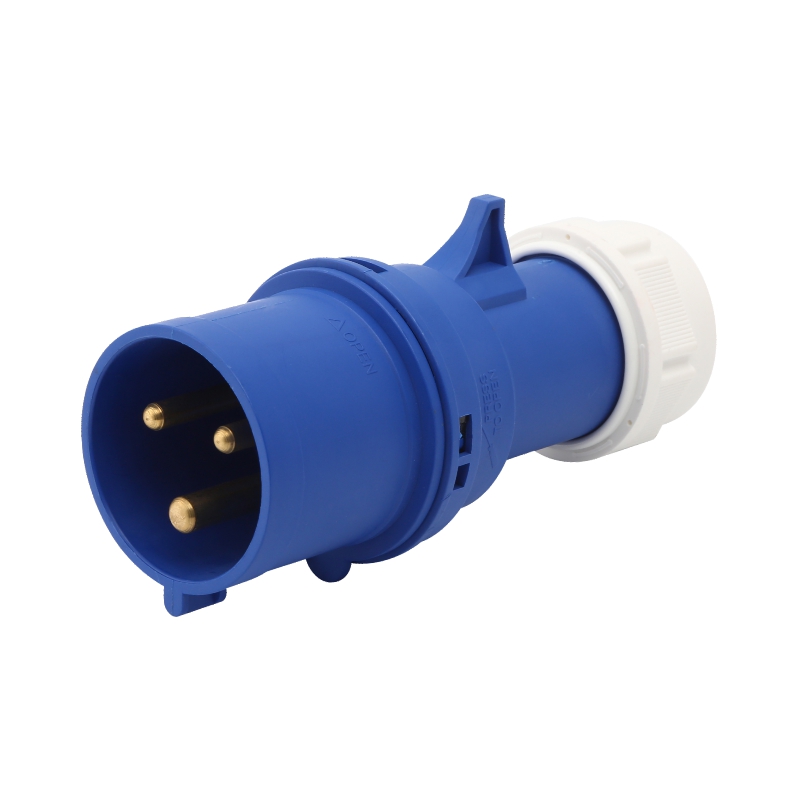
A warm plug face, a faint burning smell near a machine, or a motor that cuts out for no clear reason often points to the same source: the connection between equipment and supply. An Industrial Plug Socket gives that connection a defined rating, solid contact materials, and a secure mechanical fit. It does not replace circuit protection, but it helps eliminate common weak points that can cause heat buildup and unwanted trips. For plants running motors, compressors, and automated machinery, the details of the connection decide how steady the power stays.
Overload and poor contact look like separate faults, yet they feed each other. Too much current heats the contacts. Hot contacts oxidize and loosen, which raises resistance and adds still more heat.
Overload means current exceeds what a component can carry. Typical triggers include:
Poor contact appears when the conductive surfaces no longer hold a stable electrical path. Look for:
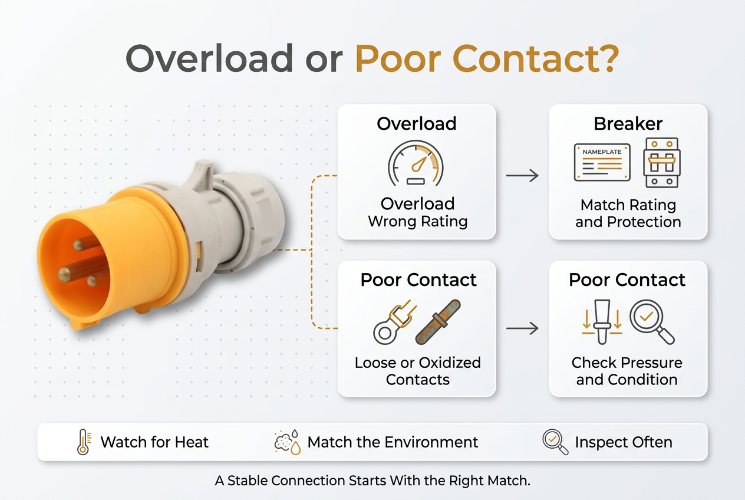
Higher contact resistance turns electrical energy into heat at the joint. The result may be discolored plastic, softened insulation, flickering equipment, and eventually a failed connection.
A socket is built for a stated voltage, current, and environment. It is not an automatic overload device, so correct selection and external protection must work together.
Start with the equipment nameplate. Check the rated current, supply voltage, and operating pattern. Motors and compressors can draw extra current at start-up, so the everyday running figure may not tell the full story.
Cable specification belongs in the same review. A socket sized correctly but fed through undersized cable still heats up.
| Factor | What to Check | Why It Matters |
|---|---|---|
| Rated current | Equipment requirement | Avoids overheating under load |
| Rated voltage | Supply system | Ensures compatibility |
| Pin configuration | Equipment connection type | Prevents wrong connection |
| Cable | Capacity and installation method | Keeps power transmission safe |
| Environmental protection | Dust and moisture exposure | Protects the contact area |
Each part has its own job. The plug and socket provide a compatible connection. A circuit breaker interrupts current when overload or fault conditions occur. A fuse opens the circuit when its element melts under excess current.
The right arrangement depends on the installation, the machine, and local safety requirements. Choosing a socket is therefore one step in a wider electrical review, not a stand-alone decision.
Even a correctly rated socket overheats if its contacts are weak. Several design features keep the electrical path stable.
Copper and suitable copper alloys are widely used for contacts because they carry current well and keep their shape. Look at conductivity, resistance to oxidation, mechanical strength, wear behavior, and compatibility with protective plating. A contact surface in good condition keeps resistance low through daily use.
When a plug enters the socket, the contacts must press against each other firmly. Weak pressure raises resistance, and vibration makes it worse. A well-designed structure keeps steady contact, resists deformation after many cycles, and limits movement between plug and socket. On a workshop floor with running machinery, this mechanical stability matters as much as the rating.
Humidity, dust, oil, and cleaning agents slowly attack conductive surfaces. Protective surface treatments help, but the environment should guide the product choice. A socket made for a clean indoor room may not suit a washdown area or an exposed yard. Regular inspection catches damage before it grows into a fault.
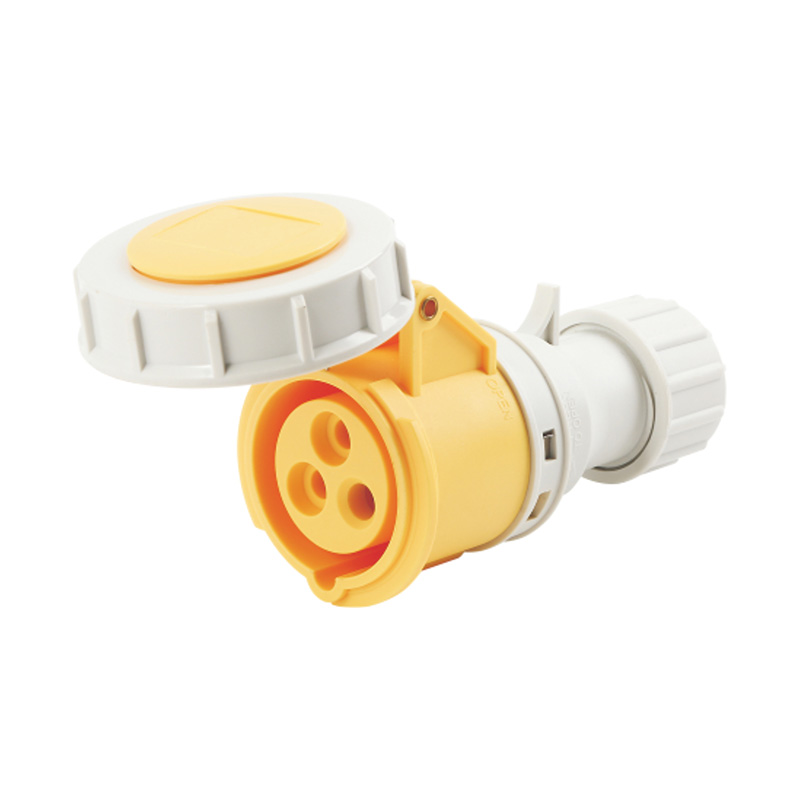
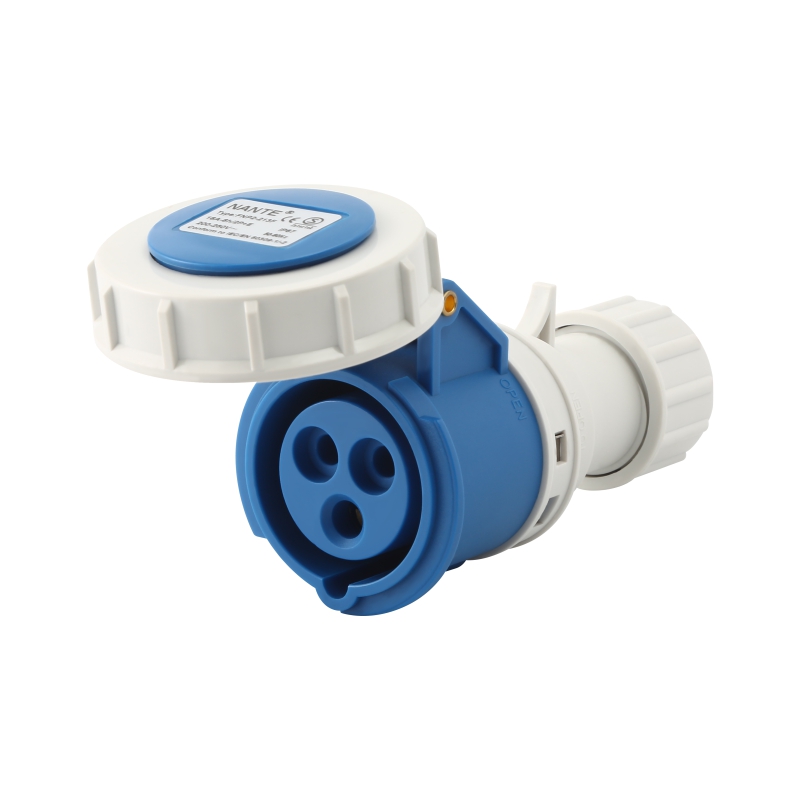
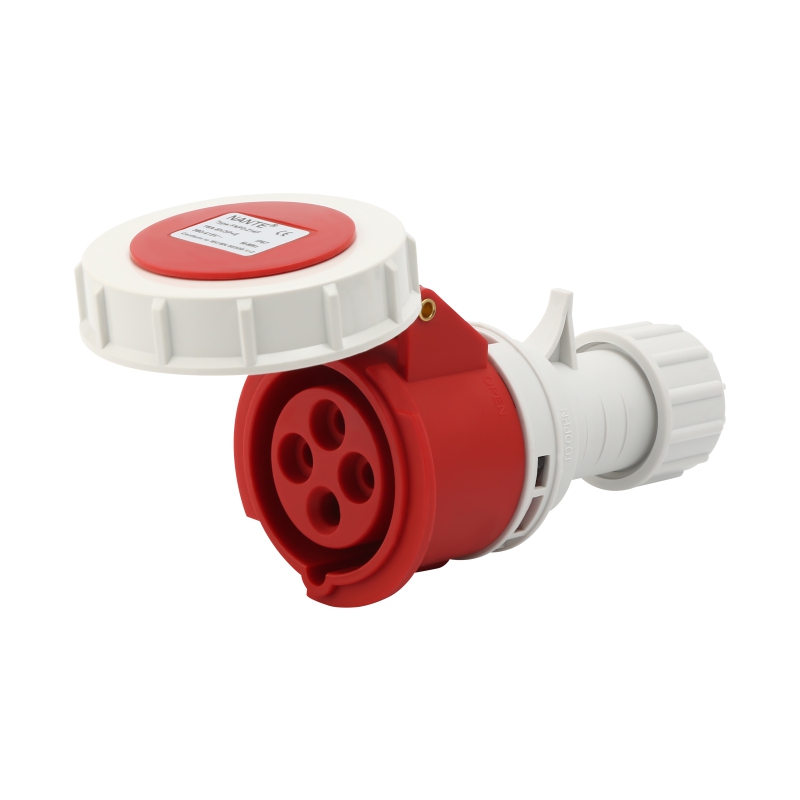
Many motors, pumps, and compressors need a three-phase supply. 3 Phase Power Sockets connect that equipment to its supply, and the configuration must match both the machine and the installation.
Typical users include:
Three-phase connections come in different arrangements. A 3P+E type has three phase contacts and an earth contact. A 3P+N+E type adds a neutral.
| Configuration | Arrangement | Typical Use |
|---|---|---|
| 3P+E | Three phases and earth | Equipment with no neutral requirement |
| 3P+N+E | Three phases, neutral, earth | Equipment needing a neutral |
Never choose by appearance alone. Voltage, current, pin layout, and compatibility must be confirmed before installation.
Industrial connections face vibration, dust, moisture, and frequent equipment movement. An IP rating indicates protection against solids and water under defined test conditions. Choose it by the actual location, not a general assumption that all industrial sockets protect equally.
Checking that the plug fits is not enough. The product must suit the electrical system, the machine, the surroundings, and the maintenance routine.
Plug and socket compatibility must be confirmed too. Similar dimensions do not guarantee a safe match.
Changes in load, mechanical wear, and environment gradually affect a connection that was correct on day one.
Maintenance staff should look for:
Isolate any damaged connection and have qualified personnel assess it before further use.
A connection that runs unusually warm, gives off a burning smell, or shows damage should be taken out of service. Review equipment loading, protection settings, cable condition, and surroundings at the same time.
A deteriorated socket raises resistance and heating risk. Treat damaged contacts as a fault, not a minor nuisance. Base the replacement on the socket's condition, the equipment requirement, and manufacturer specifications.
Current rating, voltage compatibility, contact materials, mechanical structure, and environmental protection together decide how a connection behaves in daily use. Reviewing them before purchase reduces avoidable heating and downtime.
Our Industrial Plug Socket and 3 Phase Power Sockets range supports manufacturing machinery, motor systems, and workshop equipment. Contact our team with your application, electrical requirements, and configuration needs to review suitable options.
 +86-577-62731897
 shireen@nante.com
 No.688 chezhan Road, Liushi town, Wenzhou, China
Copyright © 2024 Fly-Dragon Electrical Co., Ltd. All Rights Reserved.
 浙公网安备33038202003041号
 Privacy
Outdoor Socket Box Factory & Outdoor Electrical Distribution Panel Factory



 English
 Español
 Português
 Deutsch