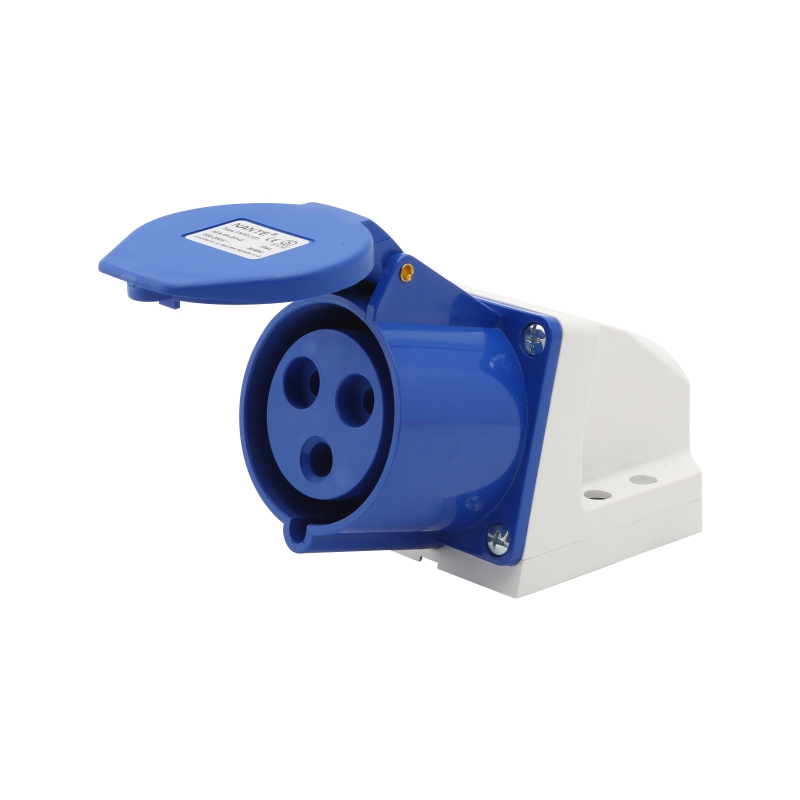
How Does an Industrial Waterproof Connector Ensure Safety
Outdoor electrical equipment lives in conditions nobody can really control once it's installed. Rain finds its way to exposed connection points, dust settles around cable entries over time, and vibration gradually works loose any component that wasn't secured with real care. On agricultural fields, construction sites, and industrial yards, connectors also run into mud, oil, swinging temperatures, and handling that happens again and again throughout a working day.
These conditions create genuine challenges for electrical safety and equipment reliability alike. A connection working fine in a clean indoor setting can need real additional protection once it moves outdoors. Once moisture or dirt finds a way into the connection area, the fallout often includes corrosion, unstable power transmission, unexpected shutdowns, or maintenance bills nobody budgeted for.
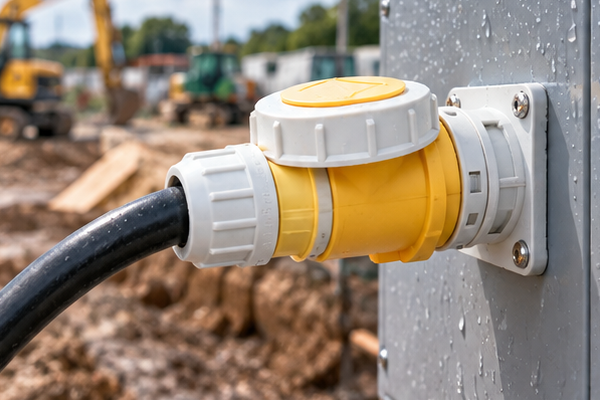
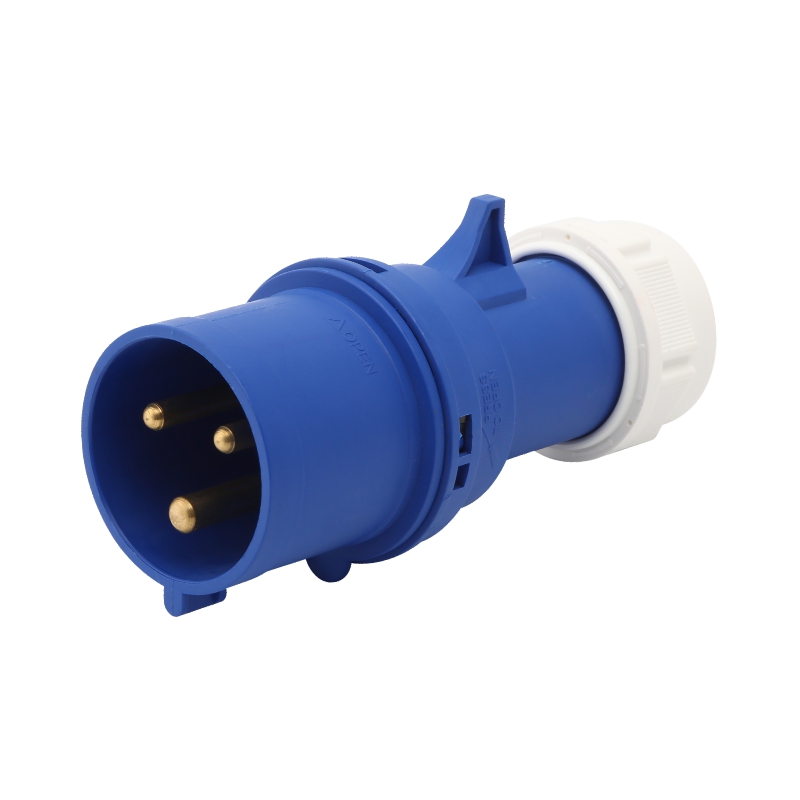
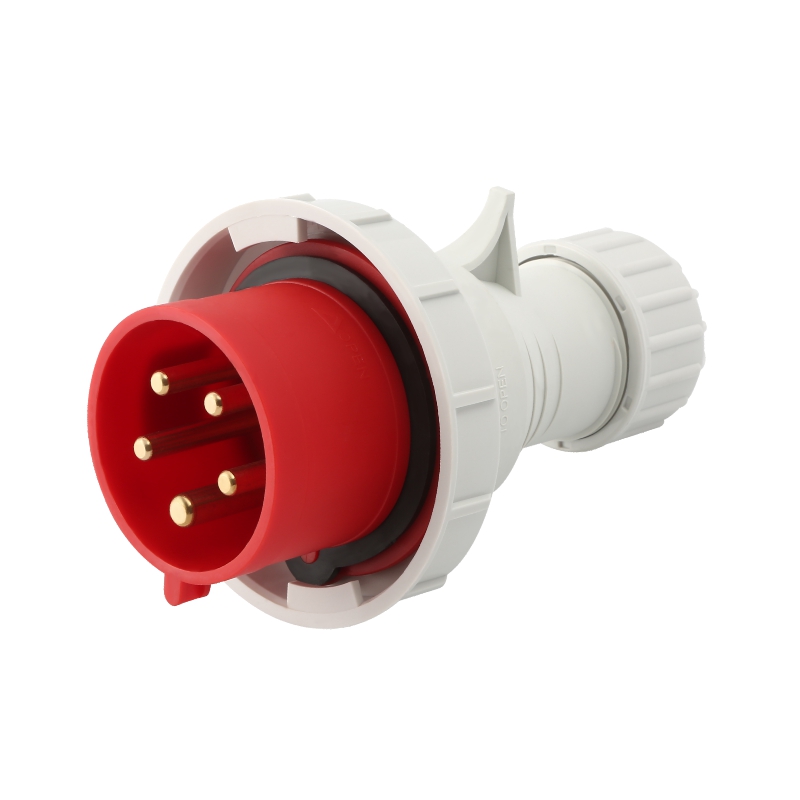
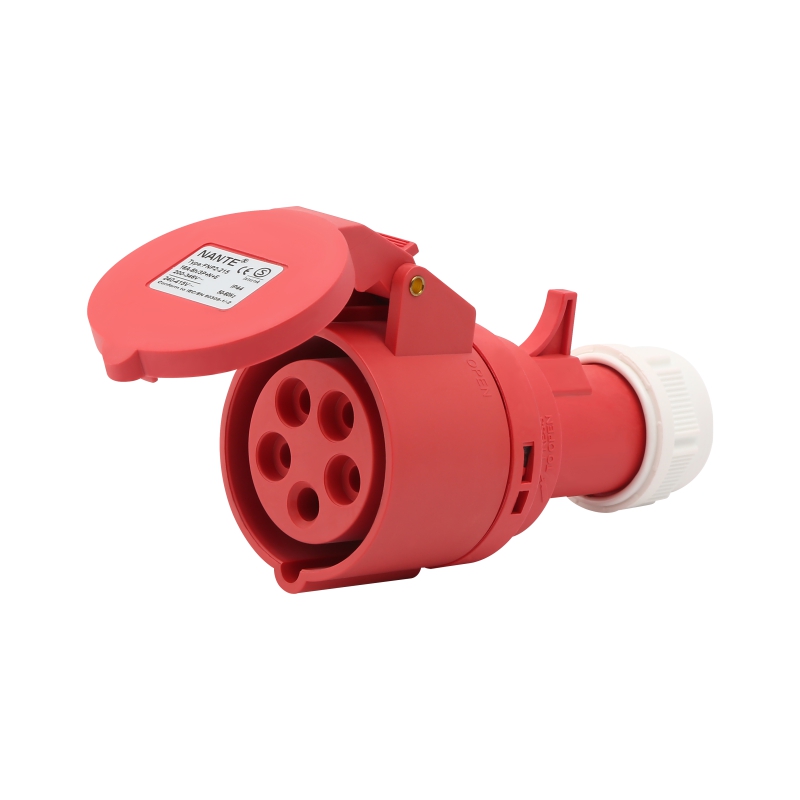
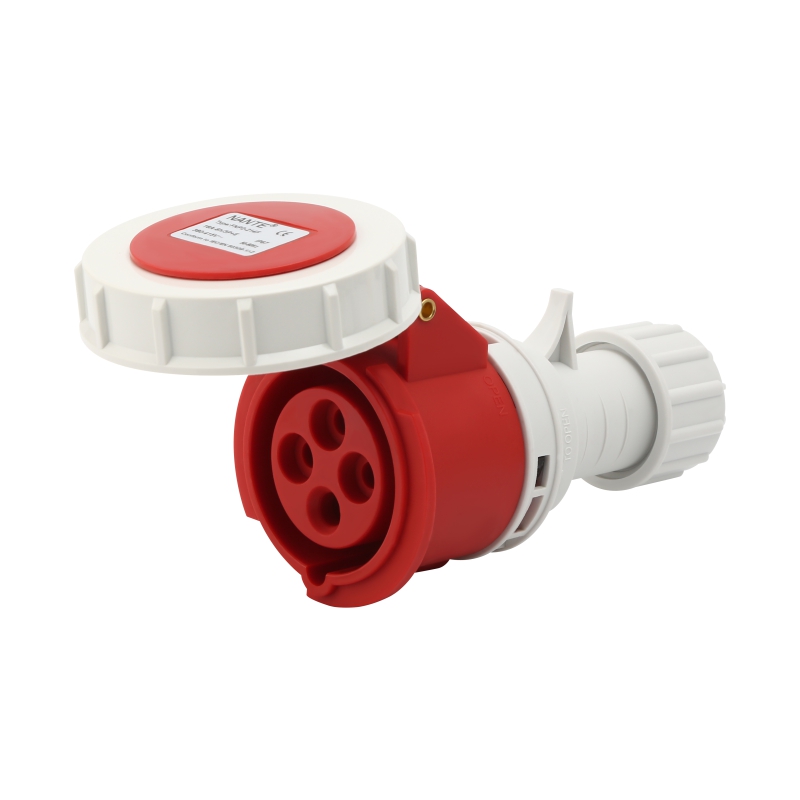
An industrial waterproof connector tackles these concerns by protecting electrical contact areas from environmental exposure, provided it's correctly selected, installed, and maintained along the way. Its value runs deeper than the outer housing alone. Sealing components, contact materials, locking structures, cable compatibility, and installation quality all shape how the connection actually performs during daily operation out in the field.
For equipment manufacturers, system integrators, and industrial buyers, getting a handle on these details makes connector selection genuinely more practical. It also helps separate products built for general indoor connections from those engineered for demanding outdoor duty.
Outdoor equipment rarely runs under conditions that stay consistent for long. A machine might sit dry through part of the day, run into heavy rain by afternoon, and face dust or vibration throughout normal operation regardless. These shifting conditions place repeated demands on electrical connection points that indoor equipment simply never faces.
Moisture ranks as a common concern since it can reach exposed contacts or slip through poorly sealed interfaces without much resistance. Dust and mud can interfere with mating surfaces too, while oil and cleaning agents affect materials that weren't built handling that kind of exposure. Repeated vibration adds its own stress onto cable connections and locking components over time.
A waterproof connector gets designed cutting down the risk of environmental exposure right at the connection point. Protection levels still vary a good deal between products, though, and no connector should get assumed resistant to every substance or operating condition it might encounter.
| Outdoor Condition | Potential Electrical Concern | Relevant Connector Feature |
|---|---|---|
| Rain and splashing water | Moisture entering the connection | Suitable sealing structure |
| Dust and dirt | Contamination around contact areas | Protected interface |
| Mud and outdoor debris | Difficult cleaning and possible seal interference | Suitable housing and sealing design |
| Vibration | Loosening or intermittent contact | Secure locking structure |
| Temperature changes | Changes in material fit and sealing behavior | Materials suited to the operating environment |
| Oil exposure | Damage or swelling of unsuitable materials | Compatible housing and seal materials |
The right connector should match whatever conditions it'll actually face on site. That means weighing the full installation environment rather than picking a product simply because its description happens to include the word waterproof somewhere in the copy.
The core purpose behind an industrial waterproof connector is protecting the electrical interface from environmental conditions that could interfere with normal operation. A suitable design creates a protected connection between compatible components while still letting electricity pass through the intended contact path without interruption.
Sealing components help limit how water and other unwanted substances actually get in. The connector housing supports the internal structure, while the contact system handles the electrical connection itself. Locking features keep the mating parts together through handling and operation out in the field.
These elements function as one system rather than separate parts working alone. A well-designed seal can't make up for an incorrectly fitted cable, and a secure locking mechanism can't prevent every problem caused by unsuitable materials or damaged contacts underneath.
A practical safety approach weighs several aspects together: environmental protection, confirming the connector suits the expected exposure to water, dust, and other substances; electrical compatibility, matching the contact arrangement to the equipment's electrical requirements; mechanical stability, keeping the connection secure under expected movement and vibration; installation quality, following the manufacturer's instructions for cable preparation, assembly, and sealing; and maintenance access, making sure the connection suits inspection and servicing wherever it's actually installed.
These considerations cut down on avoidable connection problems across the board. They also support more consistent installation practices across equipment fleets and production systems alike.
Ingress protection ratings help buyers understand how an enclosure or connector gets tested against solid particles and water finding their way in. The letters and numbers indicate different aspects of protection, so the rating deserves reading as a defined test classification rather than some general promise of outdoor durability.
IP67 and IP68 are commonly considered when selecting connectors for wet environments. The initial digit indicates protection against solid particles, while the following digit refers to water protection. For IP68, the water test conditions depend on the relevant standard and the requirements specified by the manufacturer for the particular product.
An IP67 rating generally points to protection against dust ingress and temporary immersion under defined test conditions. IP68 points to protection against dust ingress and immersion under conditions agreed for that product, which can differ meaningfully from one product to another on the shelf.
Neither rating automatically means a connector withstands every outdoor condition thrown at it. The ratings don't, on their own, establish resistance to oil, chemical exposure, mechanical impact, prolonged sunlight exposure, or every form of water pressure out there. They also don't guarantee an assembled connection retains its protection if a seal gets damaged or the connector goes in incorrectly.
| Rating Consideration | What Buyers Should Check |
|---|---|
| Solid-particle protection | Whether the stated rating covers the intended dust exposure |
| Water protection | The water test conditions associated with the rating |
| Mated condition | Whether the rating applies when the connector is connected |
| Unmated condition | Whether additional caps or covers are required |
| Cable entry | Whether the cable and sealing arrangement are compatible |
| Operating environment | Whether oil, chemicals, sunlight, or vibration create additional demands |
Buyers should review product documentation and the exact conditions under which the rating actually applies. This helps avoid a common sourcing mistake: treating an ingress protection rating as proof a connector suits every outdoor installation it might end up in.
Sealing rings limit the paths through which water and contaminants can slip into a connector. They usually sit at the mating interface, cable entry, or other joints where different parts come together. Their shape and material need matching the connector design and whatever conditions it'll face during use out in the field.
A seal needs fitting correctly to actually do its job. If it's twisted, damaged, contaminated, or sitting out of position, gaps can form around the connection without anyone noticing right away. Excessive tightening damages certain components too, while insufficient engagement keeps sealing surfaces from meeting the way they're supposed to.
Material selection carries real weight here as well. A seal exposed to oil, sunlight, heat, or cleaning products behaves differently than one tucked into a sheltered indoor installation. The right material depends entirely on the substances and conditions actually involved on site.
For manufacturers, sealing design deserves weighing alongside housing geometry and assembly procedures together. For buyers, the useful questions cover whether replacement seals are available, whether the product supports the intended cable size, and whether the instructions explain assembling the interface correctly.
Routine inspection helps catch visible damage before it affects operation down the line. Seals should get replaced following the manufacturer's guidance rather than patched with improvised materials that might interfere with the intended fit.
Water protection only covers part of a connector's job. Outdoor equipment can face vibration, cable movement, transport, and repeated connecting or disconnecting throughout its working life. If the mating parts loosen up, the electrical interface can turn unstable even while the sealing components stay perfectly intact.
A locking structure holds the connector halves together through all of this. Depending on the design, that might involve a threaded coupling, a latch, a bayonet-style mechanism, or some other retention feature entirely. The right option depends on the equipment, available space, expected handling, and whatever connection process the application calls for.
| Locking Design | Practical Consideration |
|---|---|
| Threaded coupling | Requires correct engagement and suitable tightening |
| Latch-based locking | Allows straightforward connection when the latch is accessible |
| Bayonet-style coupling | Supports a defined turning action for engagement |
| Additional retention feature | May help prevent unintended separation in suitable applications |
A locking mechanism should be easy identifying and operating according to the product instructions provided. Users shouldn't force incompatible parts together or assume a connection is secure just because the housing looks aligned at a glance.
For applications needing frequent servicing, connection speed matters too. A quick-connect or quick-disconnect design cuts down handling effort when the application allows for it, but convenience shouldn't replace the need for secure engagement and appropriate protection throughout.
An industrial power connector needs matching the electrical and mechanical requirements of whatever equipment it serves. Outdoor exposure adds further considerations on top of that, but waterproofing alone doesn't decide whether a connector actually suits power transmission duty.
Buyers should review intended voltage and current, contact arrangement, cable type, conductor size, installation space, and connection method together. They should also confirm the connector suits the relevant duty cycle and that its rated capacity fits the equipment's actual operating conditions.
High-current applications call for particular care here. Contact design, conductor compatibility, heat management, and the quality of the assembled connection all shape performance in ways that matter. A connector shouldn't get picked based purely on external dimensions or the fact it happens to carry a waterproof housing.
A structured checklist helps organize the purchasing process: defining the electrical requirements by confirming the system's power needs against the connector's rated capacity; reviewing the installation environment for exposure to rain, dust, oil, vibration, and temperature swings; checking cable compatibility to ensure the cable type and size match the connector's intended configuration; confirming protection conditions by reviewing the applicable IP rating and whether it applies to the assembled connection; evaluating handling needs based on how often the connector gets installed, disconnected, or serviced; and reviewing product documentation for assembly instructions, material information, and relevant conformity records.
A structured evaluation helps buyers compare products against actual operating requirements rather than guesswork. It also cuts down the risk of landing on a connector that fits physically but doesn't suit the electrical load or environment it's meant for.
Waterproof connectors show up across a wide range of outdoor and industrial systems. Each application brings different challenges along with it, so connector selection should reflect the equipment's actual operating conditions rather than leaning on one general specification across the board.
Outdoor lighting, for instance, faces rain, condensation, and long stretches of sunlight exposure day after day. Construction machinery runs into vibration, dust, mud, and frequent movement as a matter of course. Agricultural equipment often operates in wet fields and can come into contact with soil, fertilizers, or cleaning products regularly.
Marine equipment brings saltwater and corrosion into the picture. Energy storage systems often need secure power connections inside outdoor enclosures, while automated production lines need connectors tolerating repeated movement and maintenance cycles. Outdoor LED screens need attention to water exposure, cable routing, and service access too.
| Application | Typical Environmental Concern | Selection Focus |
|---|---|---|
| Outdoor lighting | Rain and sunlight | Sealing, material suitability, and cable entry |
| Construction machinery | Vibration, dust, and mud | Retention, housing durability, and serviceability |
| Agricultural equipment | Moisture, soil, and cleaning exposure | Environmental compatibility and secure assembly |
| Marine equipment | Saltwater and corrosion | Corrosion resistance and suitable protection |
| Energy storage | Outdoor exposure and power requirements | Electrical ratings, enclosure integration, and installation |
| Automated production lines | Movement and repeated servicing | Connection stability and maintenance access |
| Outdoor LED screens | Rain and cable routing | Interface protection and convenient servicing |
The same connector type won't necessarily suit all these applications equally well. A product picked for an outdoor light might not meet the electrical or mechanical needs of heavy machinery down the line. Application-specific review stays important even once two products share a similar ingress protection rating on paper.
Electrical contacts carry current between connected components, plain and simple. Their material, surface condition, and contact arrangement shape electrical continuity and resistance throughout the connection's working life. If contacts corrode, pick up contamination, or fail engaging correctly, the connection can generate unwanted heat or turn intermittent without warning.
Connector contacts often use conductive metals or alloys picked for their electrical and mechanical properties together. Surface treatments show up too, helping manage corrosion or contact wear over time. The right combination depends on intended current, environment, mating frequency, and the product's own design.
The housing and seals are equally important, as they help shield the contacts from environmental exposure. However, even a well-engineered design still requires proper installation and regular maintenance.
For buyers, it's worth asking whether contact materials are documented clearly, whether they suit the intended environment, and whether the manufacturer provides guidance on inspection and replacement. For high-current connections, the complete assembly deserves evaluating rather than treating contact material as some isolated feature standing alone.
Even a connector built for outdoor use can fail delivering its intended protection once it's installed incorrectly. A damaged cable jacket, poorly fitted seal, incomplete locking action, or contaminated mating surface can create a route for moisture or interfere with electrical contact entirely.
Installation should follow the manufacturer's instructions closely. Cables need preparing using the recommended method, and seals should get checked for dirt, cuts, or deformation before assembly even begins. The connector needs full engagement and securing using the specified procedure, not just a quick push and hope.
Electrical safety also calls for appropriate isolation during installation and maintenance work. Personnel should follow the equipment's safety procedures and avoid connecting or disconnecting power components under conditions the manufacturer doesn't actually permit.
After assembly, inspection helps confirm the connector sits properly seated and the cable has support without unnecessary strain pulling on it. Where required, the completed assembly should go through whatever inspection or testing the equipment specifies.
These steps preserve the protection already built into the product. They also make it genuinely easier identifying whether a problem traces back to the connector itself, the cable assembly, or the surrounding installation work.
Industrial buyers often need evaluating far more than a single sample product. They may require consistent construction across batches, clear documentation, suitable packaging, and dependable communication with the supplier throughout the relationship. These details grow especially important once connectors get integrated into equipment headed for sale or installation across different markets.
A supplier should provide information covering electrical ratings, ingress protection conditions, materials, assembly requirements, and available configurations. Where customization comes into play, the buyer should define the application clearly and confirm which changes can get supported without compromising safety or product performance down the line.
OEM customization might involve cable length, connector orientation, contact arrangement, housing features, or packaging specifics. Each change deserves reviewing for compatibility with the intended equipment. A modified design shouldn't get assumed retaining the same protection rating unless that specific configuration has been evaluated and documented properly.
Procurement teams can also define acceptance criteria before placing an order. These may cover visual condition, product identification, dimensions, assembly quality, documentation, and any agreed inspection or electrical tests. The acceptance process should reflect the actual risks associated with the intended application.
A clear purchasing specification helps suppliers understand exactly what the buyer needs upfront. It also provides a consistent basis for checking incoming goods and addressing differences between the agreed product and whatever actually gets delivered.
Outdoor connectors need ongoing attention because environmental exposure and repeated handling gradually affect their condition over time. Dirt collects around the housing, seals can degrade, and cable movement places stress on the connection bit by bit. Maintenance requirements depend heavily on the product design and whatever environment it's actually operating in.
Inspection should follow the manufacturer's recommended schedule and procedures closely. Personnel can watch for cracked housings, loose couplings, damaged cable jackets, corrosion, or visible seal deterioration during routine checks. Any sign of overheating, unstable operation, or water entry should get handled according to the equipment's safety procedures right away.
Cleaning methods need suiting the connector materials too. A cleaning agent harmless to one housing or seal might damage another entirely, so users should avoid unapproved chemicals and tools regardless of convenience. If a connector is designed for disconnecting during servicing, the instructions should get followed protecting the mating surfaces and seals throughout.
For equipment operators, maintenance records help identify recurring problems before they turn costly. Repeated failures at the same connection point can point to a mismatch between the connector and its environment, poor cable support, incorrect assembly, or a genuine need to review the installation design.
This information can guide later purchasing and engineering decisions down the road. It also helps maintenance teams focus on the conditions actually affecting connector safety instead of swapping parts without ever examining the real cause of failure.
 +86-577-62731897
 shireen@nante.com
 No.688 chezhan Road, Liushi town, Wenzhou, China
Copyright © 2024 Fly-Dragon Electrical Co., Ltd. All Rights Reserved.
 浙公网安备33038202003041号
 Privacy
Outdoor Socket Box Factory & Outdoor Electrical Distribution Panel Factory



 English
 Español
 Português
 Deutsch