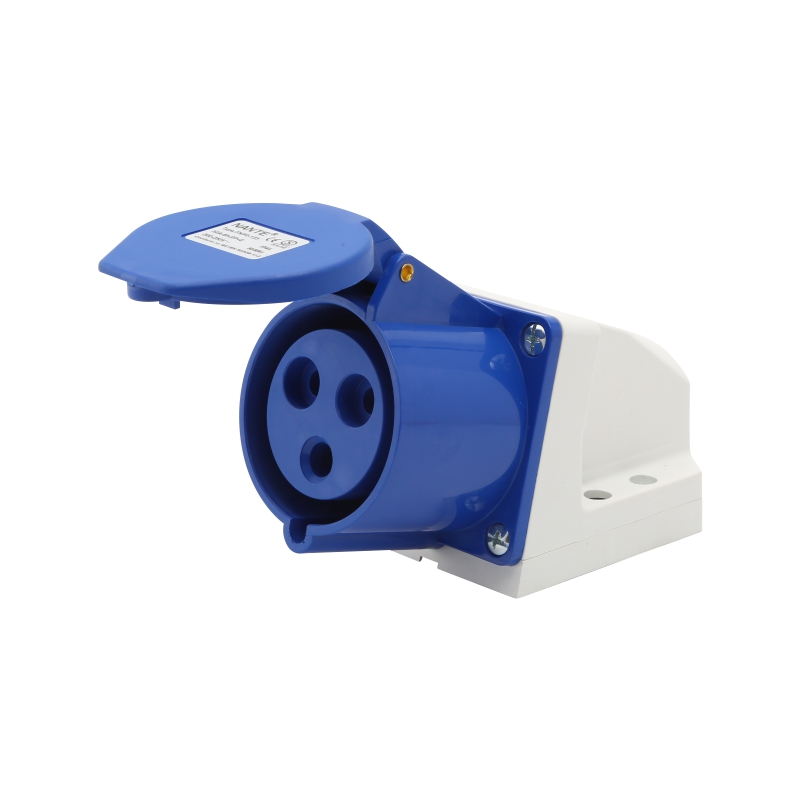
How Does an Industrial Waterproof Connector Manage Heat
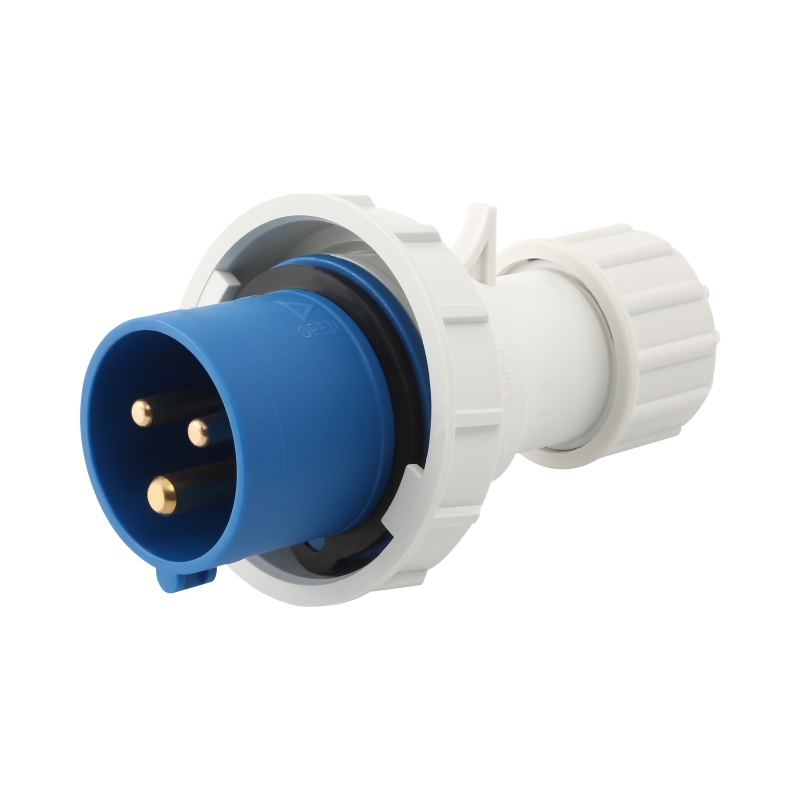
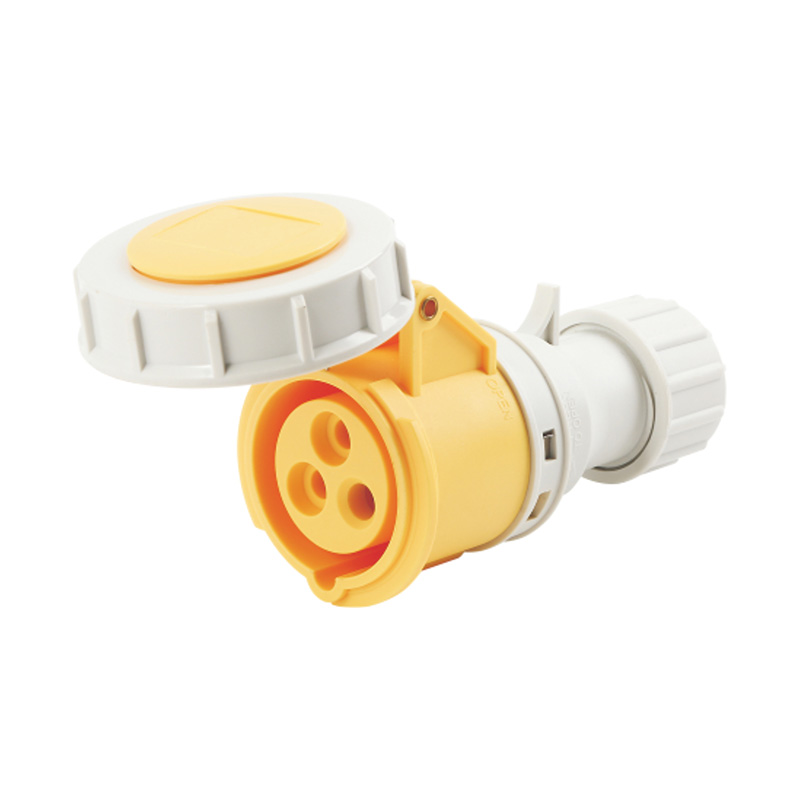
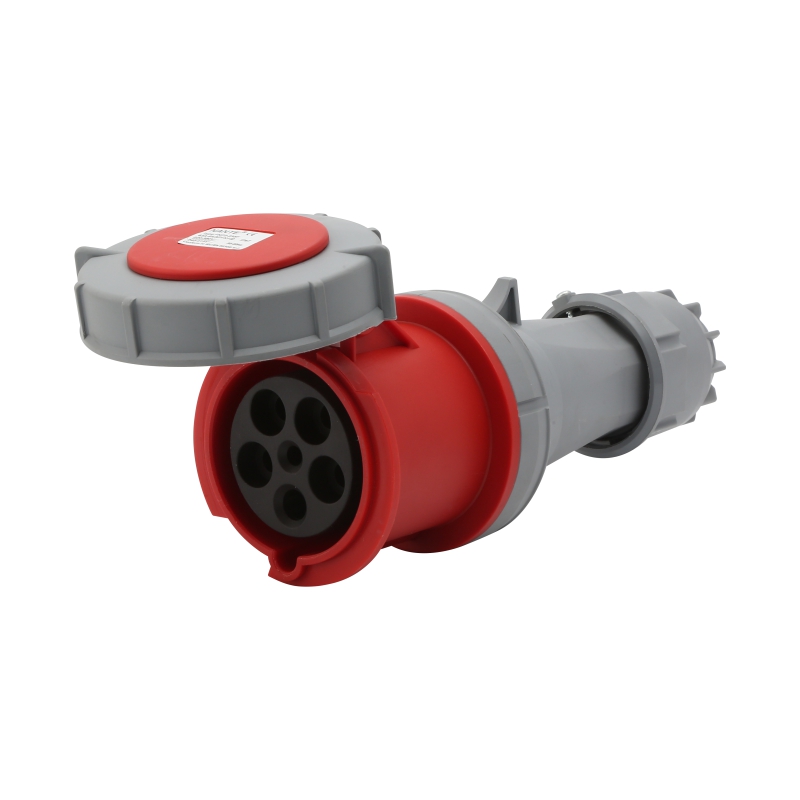
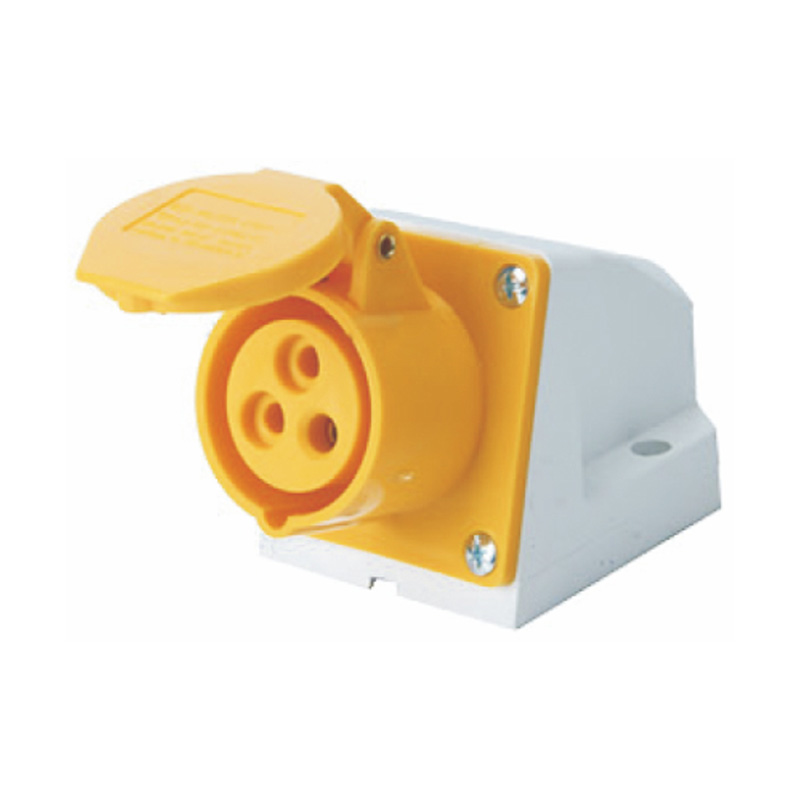
A packaging line warms up over a morning shift, cools during the lunch stop, then warms again in the afternoon. A pump station outdoors sees sun on the housing at noon and cold air after dark. Each swing reaches the cable joints and connection points on the equipment. An Industrial Waterproof Connector protects an electrical joint from moisture, but its behavior also depends on how the housing, seals, contacts, and cable respond as temperatures move up and down.
Water protection alone does not describe how a connector will perform in a changing thermal environment. Selection, installation, and inspection all benefit from considering the temperature pattern of the actual site.
A temperature cycle is a repeated shift between warmer and cooler conditions. A connector next to a motor warms during operation, cools after shutdown, and warms again at the next start. Outdoor units follow the weather instead, with sunlight, wind, and rain adding further stress.
Parts inside the connector do not respond identically. Some expand more than others, some soften, and some stiffen.
| Condition | Possible Effect on the Connector |
|---|---|
| Repeated heating | Materials may expand |
| Repeated cooling | Materials may contract |
| Rapid temperature change | Parts may respond at different rates |
| Warm, humid air | Moisture may collect on cooler surfaces |
| Long exposure | Materials may change gradually |
Cycling does not guarantee failure. The outcome depends on design, material choice, installation location, and exposure pattern.
Metal contacts, plastic housings, rubber seals, and cable insulation expand and contract at different rates, yet they work together as one assembly. Over many cycles, the places where different materials meet can carry repeated stress.
A seal sits between two surfaces to block water. If the housing and the seal move differently with temperature, the contact pressure between them can change. The same applies where the cable meets the connector body, since the cable jacket and housing may not move together.
Several areas deserve attention:
Seals close the gaps around mating surfaces and cable entries. Depending on the material, they can become softer, firmer, or less flexible as conditions change, and a seal must keep its contact with surrounding surfaces to work.
A connector built for its environment accounts for expected exposure, so temperature variation does not automatically mean leakage. Still, repeated cycling can expose weaknesses that a quick visual check misses.
Common areas to review include the cable entry, where cable and housing movement meet, and the mating seal between plug and socket, which must stay correctly seated. Housing joints that rely on a sealing feature can be stressed by repeated expansion. Protective caps on unused connections should fit well and be inspected as the product instructions describe.
A sturdy housing cannot compensate for damaged, poorly fitted, or unsuitable seals.
Moisture does not always arrive as rain or splashing. Condensation forms when humid air meets a surface cool enough for vapor to turn into liquid.
Picture a connector inside an outdoor enclosure. During operation the air inside warms. After shutdown the enclosure cools, and moisture in the air may collect on cooler internal surfaces. Moving equipment from a warm workshop into cold outdoor air can create the same effect. An enclosure may keep out direct water while still holding damp air.
| Change | Possible Moisture Concern |
|---|---|
| Warm air meets a cool housing | Condensation on the surface |
| Equipment cools after operation | Moisture inside an enclosure |
| Humid air enters an enclosure | Damp internal surfaces |
| Equipment moves between environments | Temperature differences encourage condensation |
Cable openings, ventilation, drainage, and mounting position all influence internal moisture. Visible water, corrosion, discoloration, or residue near connection points suggests the installation needs a closer look.
Contacts must stay positioned and keep reliable contact with each other. When surrounding materials expand and contract unevenly, contact areas may see repeated movement. If moisture reaches a normally dry area, corrosion can alter the surface and disturb the electrical path.
Warning signs include an intermittent connection, unexpected changes in equipment behavior, discoloration around contacts, visible corrosion, and loose or damaged parts. These symptoms do not always trace back to temperature. Poor installation, mechanical damage, contamination, and unsuitable cable choice can produce similar problems, so inspection should cover the whole connection system. Isolate the equipment and follow the relevant safety procedures before inspecting or replacing any connector.
Two identical connectors can face different conditions depending on location. One mounted near a heat-producing component warms repeatedly, while another outside an enclosure sees sunlight, cool air, and weather.
The word waterproof in a description covers only part of the picture. Temperature changes, moisture, vibration, dust, cable movement, and repeated mating may all apply. Stated temperature range, material information, sealing design, and installation guidance should be read together.
Useful questions before purchase:
An Industrial Waterproof Connector should be chosen for its intended use and documented capabilities, not on the assumption that a product suited to one site will suit another. Raising questions about temperature exposure, sealing, and cable compatibility with the supplier before ordering saves trouble later.
Inspection intervals should reflect the environment, the product instructions, and how important the circuit is. Teams can look at the following:
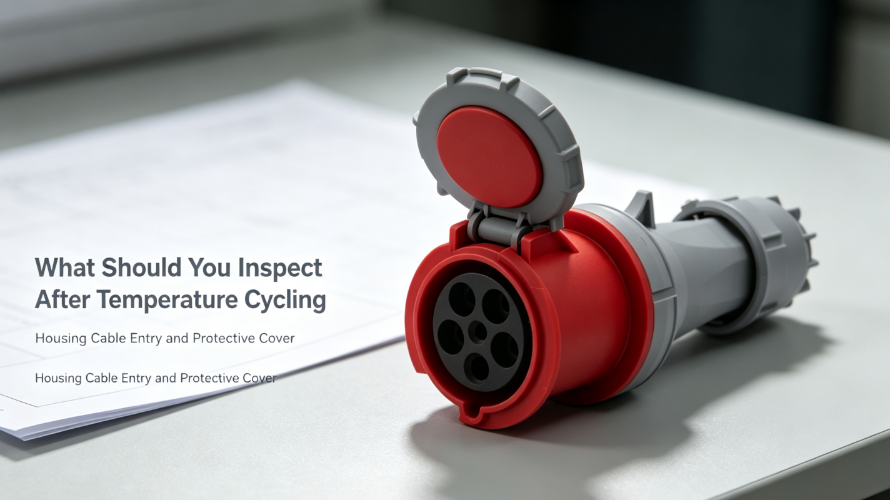
Clean according to the manufacturer's instructions, since unsuitable products or tools can harm seals and housings. Seals should not be stretched, cut, or swapped for unapproved parts. A connector showing water entry, damaged insulation, corrosion, or unstable contact should go to qualified personnel, because reconnecting without finding the cause often brings the same fault back.
Maintenance records help reveal patterns. If one location repeatedly develops moisture after the equipment cools, the surrounding installation may need changes.
Long-term performance rests on how materials, seals, contacts, and cable connections respond together. Repeated heating and cooling affects each of these, particularly when moisture or mechanical stress is present. Considering temperature cycles during selection, installation, and maintenance helps teams judge whether an Industrial Waterproof Connector suits its working conditions.
 +86-577-62731897
 shireen@nante.com
 No.688 chezhan Road, Liushi town, Wenzhou, China
Copyright © 2024 Fly-Dragon Electrical Co., Ltd. All Rights Reserved.
 浙公网安备33038202003041号
 Privacy
Outdoor Socket Box Factory & Outdoor Electrical Distribution Panel Factory



 English
 Español
 Português
 Deutsch