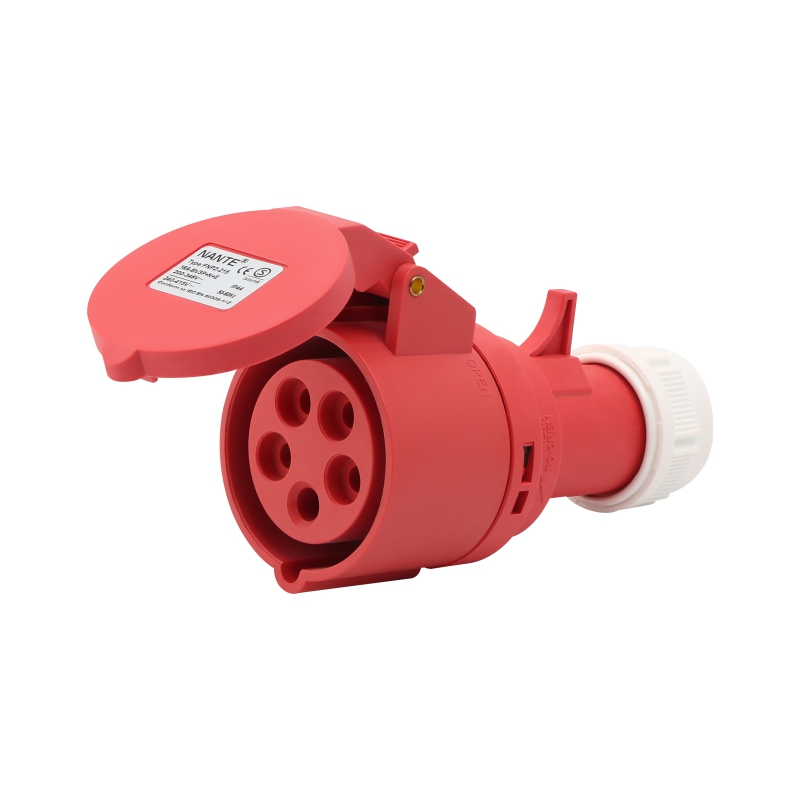
What Causes Contact Wear in an Industrial Electrical Plug
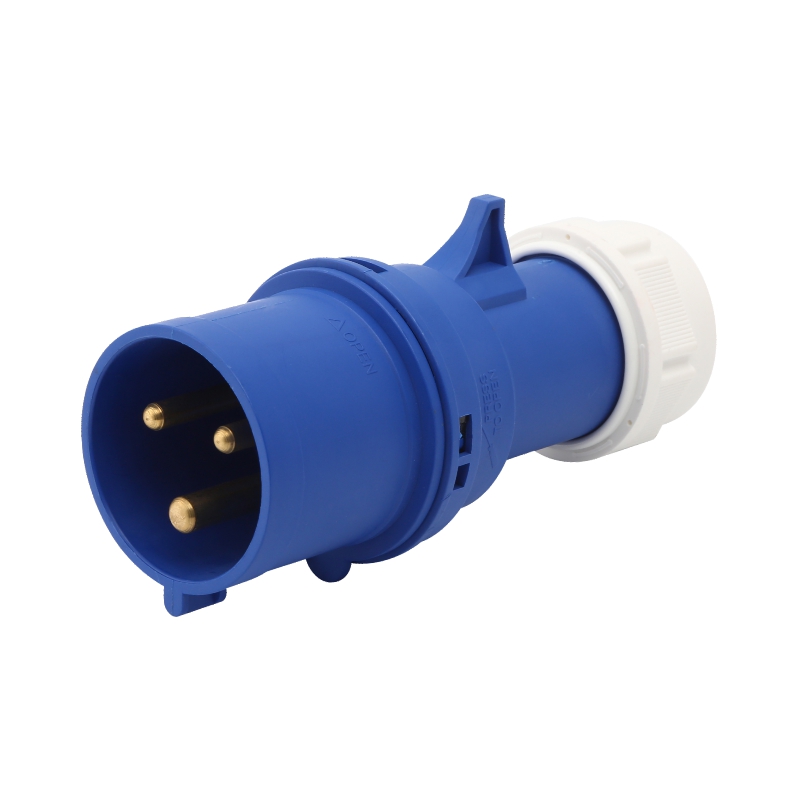
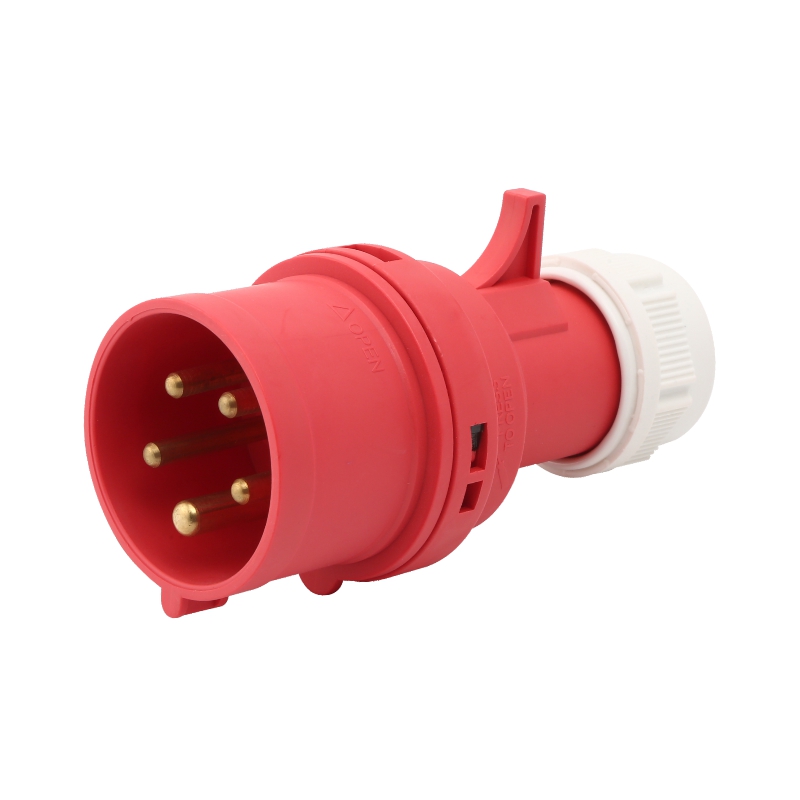
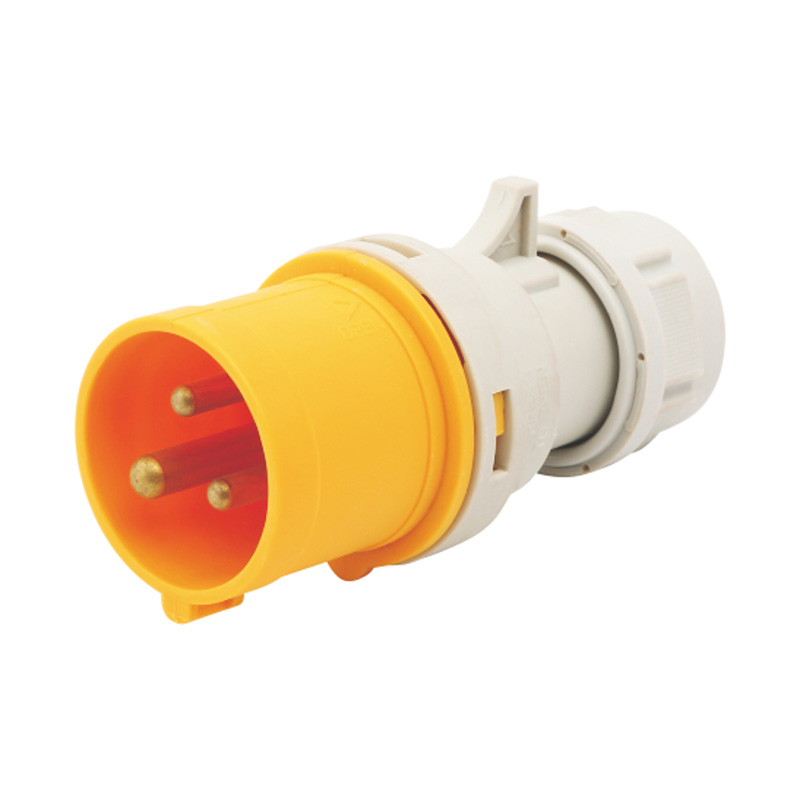
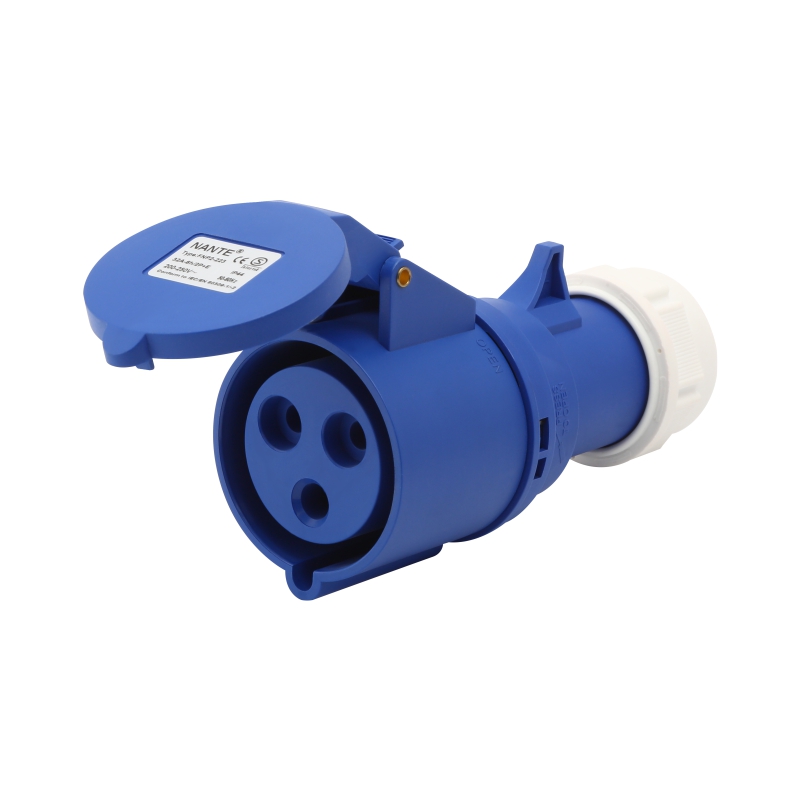
Walk through a plant at shift change and you will see plugs being pulled, swung, dragged across floors, and reconnected to machines that shake all day. An Industrial Electrical Plug looks like a simple part, yet its internal contacts deal with sliding friction, vibration, current load, and whatever dust or moisture the workshop throws at them. Over months, those conditions change the contact surface and can weaken the connection. Knowing how wear develops helps maintenance teams spot damage early, avoid needless replacements, and choose plugs that suit the job.
Wear rarely comes from one source. Repeated insertion, vibration, contamination, arcing, and falling contact pressure often act together, and a small surface flaw can grow into a real connection problem.
Contact wear is the gradual deterioration of the metal surfaces that carry current between a plug and its socket. These surfaces must stay in firm contact while still allowing the connector to be joined and separated again and again.
Three parts matter most:
When these surfaces become scratched, bent, oxidized, or worn, their ability to hold a consistent connection changes. A plug can look fine from the outside while its contacts have already started to suffer.
It builds up across the ordinary life of a connection. On insertion, pins slide into the sleeves and friction acts on both surfaces. While connected, contact pressure keeps current flowing, and vibration, temperature swings, and electrical load work on the interface. On removal, the surfaces slide against each other once more.
Each cycle removes a little coating. Once that layer is damaged, the base metal is more exposed to friction and contamination, which speeds up the next stage of wear.
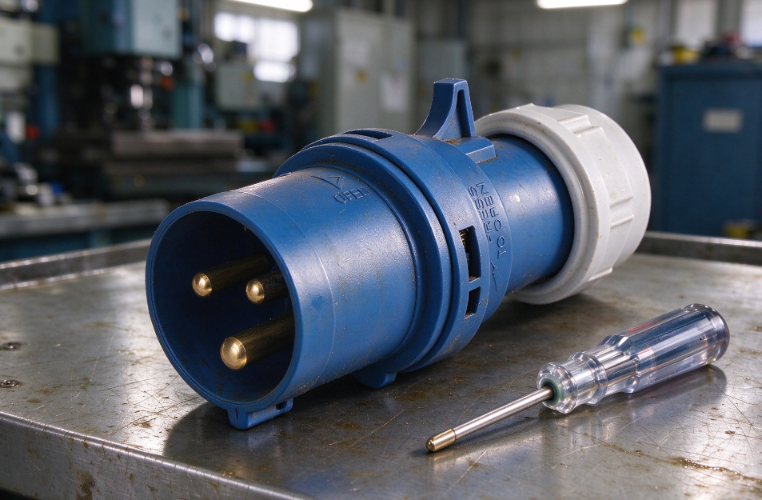
Finding the source matters more than swapping parts. A new plug on the same machine with the same vibration or the same wet floor will often wear out the same way.
It does. Every connection drags pins across socket contacts. Over time that leaves scratches, thins protective coatings, alters the shape of the contact area, and makes the fit less consistent.
Handling makes a large difference. Pushing a plug in at an angle, yanking it out by the cable, or forcing a poorly aligned connection puts avoidable stress on the contacts. Plugs should only be paired with their intended sockets, lined up properly, and removed by the body.
Yes, even when the plug looks fully seated. Motors, pumps, conveyors, and compressors send vibration through the structure and the cables. Contact surfaces then move against each other by tiny amounts, thousands of times, a process often called fretting wear.
It can produce fine debris between surfaces, damage coatings, and cause oxidation around the contact area. A cable that hangs loose or pulls sideways on the plug makes matters worse by passing mechanical force straight into the connection. Cable support and secure mounting reduce that movement.
Plugs in washdown areas, dusty floors, oily workshops, or chemically exposed locations meet moisture and contaminants regularly. Once a coating is damaged, exposed metal reacts with its surroundings.
Warning signs include discoloration near the contact, visible deposits, small pits, changes in the look of the coating, and unusual resistance when connecting or disconnecting. Corrosion seldom stays on the surface, and as it spreads, the quality of the electrical contact falls. Plugs used in damp, dusty, or chemical settings need protection matched to those conditions.
Arcing damages contacts differently from friction. An electrical discharge across a gap can burn, melt, or remove metal in a small spot. Signs include darkened surfaces, burned patches, pitting, heat discoloration, and visible damage at the contact point.
Disconnecting a plug while it carries load can create an arc if the connector was not designed for that. Follow the manufacturer’s switching instructions and use a proper switching device where the application requires disconnection under load.
Pressure keeps the pin and socket contact in firm touch. When pressure drops, the effective contact area shrinks or becomes unstable, raising resistance and local heating. Causes include deformed contacts, wear after heavy use, tired contact springs, incorrect assembly, and poor alignment.
Uneven pressure also forces some areas to carry more current than others, which speeds up surface damage. A plug that feels loose or will not stay engaged should be inspected, not adjusted repeatedly while running.
Wear is not only cosmetic. Damaged surfaces change how current passes through the connection and how firmly the plug stays in place.
As a surface deteriorates, the effective contact area changes and resistance may rise. More resistance can mean more heat at the connection, and continued heating can affect nearby insulating materials and weaken the contact further.
| Contact condition | Possible effect | Inspection focus |
|---|---|---|
| Worn coating | Reduced surface protection | Look for exposed metal |
| Corroded contacts | Unstable electrical contact | Check for oxidation |
| Reduced contact pressure | Higher contact resistance | Check mechanical fit |
| Arc-damaged surfaces | Local material loss | Look for burns or pits |
| Loose connection | Intermittent contact | Inspect alignment and retention |
Unstable contacts show up on the shop floor as unexpected shutdowns, irregular power, intermittent faults, warm plugs, and repeat maintenance calls. These symptoms can also come from damaged cables or faulty installation, so inspection should confirm the real cause before anything is replaced. A plug showing heat, burn marks, or intermittent behavior should be taken out of service and checked by qualified personnel.
Wear can build inside the connector without an obvious outside warning, so regular checks pay off.
With equipment safely isolated, look for scratches or grooves, missing or damaged coatings, heat-darkened areas, corrosion or deposits, and bent contacts. The pattern gives clues: repeated scratches suggest friction, while a localized burn suggests arcing.
Check the mechanical fit too. The plug should enter without unusual resistance, stay engaged, and show no cracks in the housing. Strain relief and the locking mechanism should work as intended. Never fix a loose connection by forcing the plug or bending contacts.
| Inspection step | What to check | Response |
|---|---|---|
| Isolate equipment | Confirm electrical isolation | Follow site safety procedures |
| Inspect contacts | Wear and corrosion | Record visible damage |
| Check housing | Cracks or deformation | Replace damaged parts |
| Examine cable entry | Strain relief and cable condition | Correct mechanical stress |
| Test connection | Approved test procedures | Refer faults to qualified staff |
Clean only with methods the manufacturer approves. A damaged coating cannot always be restored by cleaning.
Good habits matter as much as good hardware. Align the plug before insertion, never force it, pull on the body and not the cable, and avoid unnecessary connect and disconnect cycles. A connector should not stand in for a switching device unless its design allows it.
Keep contact areas clean and protected. Cover unused connectors, keep moisture out, use plugs rated for the environment, and replace contacts showing heavy corrosion or damage. A protective housing cannot make up for poor cable routing.
Cable support also helps. Strain relief, secure mounting, enough slack for machine movement, and protection from accidental pulling all reduce movement at the contact interface.
Preventive maintenance catches trouble early. Inspect plugs and sockets during scheduled service, record damage and odd behavior, check for abnormal heating using approved methods, replace damaged parts per manufacturer instructions, and study repeat failures for installation or environmental causes. Where monitoring equipment exists, condition data can reveal developing connection problems before they stop production.
Prevention starts at selection. A connector built for occasional use may not survive machinery that is plugged and unplugged daily. When evaluating an Industrial Electrical Plug, look past the housing to the internal contact construction.
Contact material and coating affect conductivity, strength, and resistance to wear. Consider conductivity, friction resistance, corrosion resistance, coating compatibility, and spring performance. Coatings reduce oxidation and friction, though results depend on material, manufacturing, and operating conditions.
Contact design controls how pins engage sockets. Compare alignment accuracy, contact pressure and retention, stability of the internal assembly, pin and socket compatibility, and resistance to movement during operation.
| Application environment | Selection consideration |
|---|---|
| Dusty workshops | Suitable dust protection |
| Damp working areas | Appropriate moisture protection |
| Cleaning chemicals | Compatible housing and seals |
| Vibrating machinery | Secure contact and locking structure |
| Frequently connected equipment | Adequate mechanical durability |
Before buying, ask the manufacturer:
As plants add automation and connected machines, each electrical connection carries more weight in equipment reliability. An Industrial Electrical Plug should be judged as part of the whole connection system, where contact materials, internal structure, mechanical fit, and environmental protection all shape daily performance.
Our team works with equipment manufacturers, electrical engineers, and purchasing professionals who need plug solutions for specific applications. If you are looking for an Industrial Electrical Plug, contact us with your operating environment and connection requirements, and we will help identify a suitable configuration for your equipment.
 +86-577-62731897
 shireen@nante.com
 No.688 chezhan Road, Liushi town, Wenzhou, China
Copyright © 2024 Fly-Dragon Electrical Co., Ltd. All Rights Reserved.
 浙公网安备33038202003041号
 Privacy
Outdoor Socket Box Factory & Outdoor Electrical Distribution Panel Factory



 English
 Español
 Português
 Deutsch