How to Protect a Waterproof Industrial Plug When Unplugged
Industrial connections face rain, splashes, dust, and moisture from routine cleaning. A plug may stay seated in its socket for an entire shift, then be removed for maintenance, relocation, or storage. These two states raise a practical question: does a waterproof connector keep the same level of protection in both?
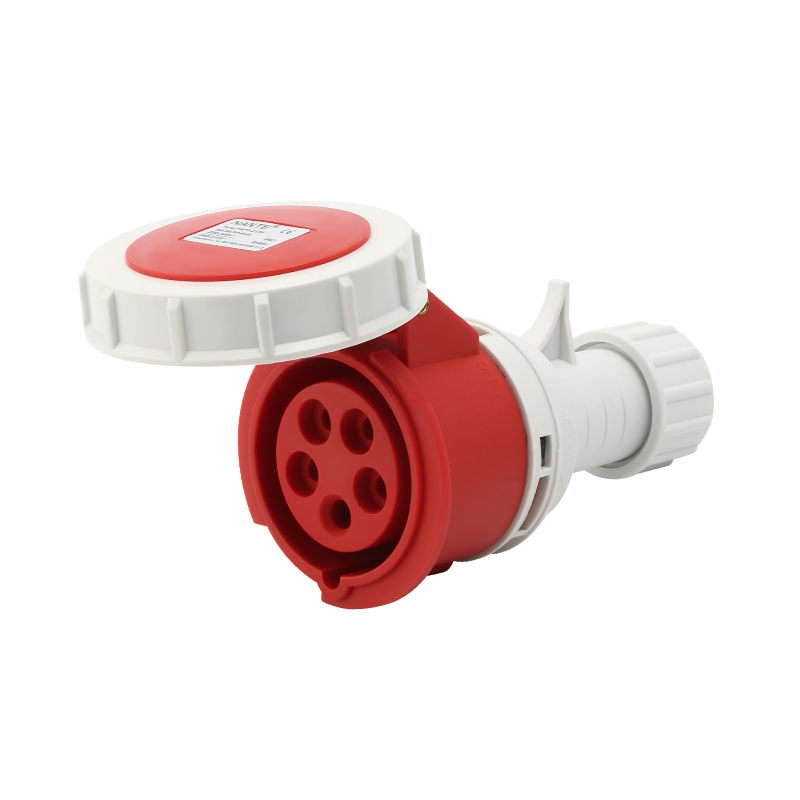
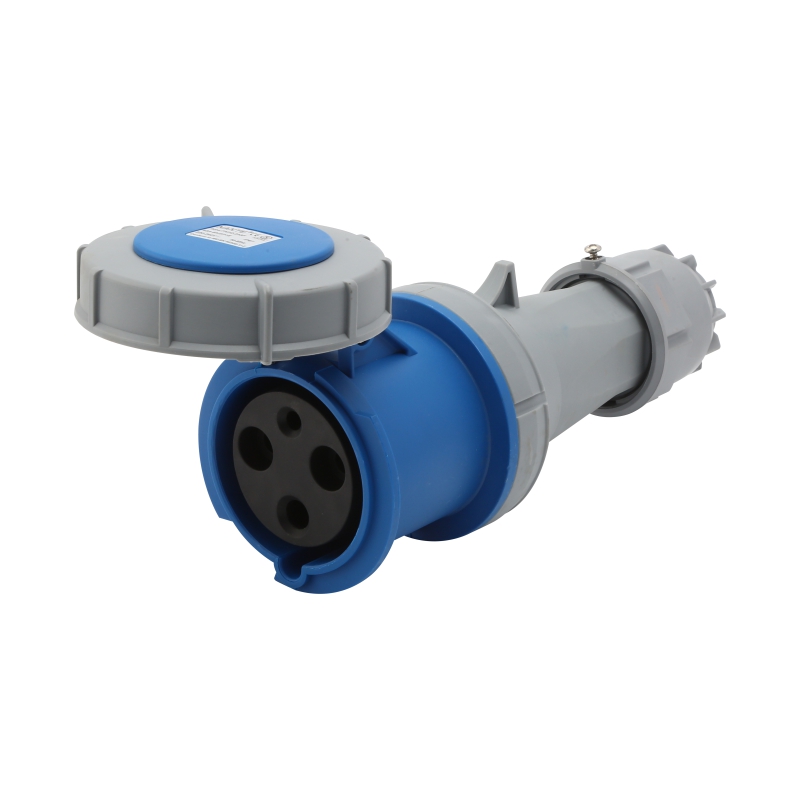
A Waterproof Industrial Plug is designed to protect an electrical connection under stated conditions. Those conditions often depend on a complete pairing with a compatible socket, a secured locking feature, and a protective cap when the plug is removed. Treating the connected and unplugged states as equal can leave exposed areas without suitable protection, so each state deserves its own check.
A seated plug and its socket form the protective barrier together. The mating surfaces and seals must meet as designed, and the locking feature must be engaged as the manufacturer describes. A plug pushed only partway in, or one whose lock is not engaged, may not give the expected protection.
The connection also depends on the condition of each part. Worn seals, a cracked housing, or debris on the mating surface can weaken the barrier even when the plug looks fully seated. A quick visual check during each shift change helps catch these issues early.
Removing the plug exposes the contact area, and the seals that worked during connection no longer cover it. The housing may suit damp surroundings, yet the open face is a different matter. Dust, splashes, and wet floors can all reach it, and a dropped plug may pick up grit on its contacts.
Some products come with a cap for disconnected storage. Its purpose and level of protection vary by design, so read the instructions instead of assuming a cap offers the same protection as a connected socket.
| Connector State | Main Consideration | User Action |
|---|---|---|
| Fully connected | Seals and locking correctly engaged | Confirm the plug is seated and secured |
| Partly connected | Intended sealing may not form | Do not treat it as protected |
| Unplugged with suitable cap | Cap covers exposed areas as designed | Fit the cap as instructed |
| Unplugged without cap | Contacts may be exposed | Keep away from moisture and dirt |
| Damaged or worn | Seals and housing may fail | Remove from service for assessment |
The key difference lies between the connected assembly and the open plug. Check both conditions when choosing a connector for equipment that is often disconnected.
A plug and socket work as a matched pair. Contact layout, housing shape, locking method, and sealing surfaces must all agree. A plug that physically fits an opening may still be wrong for that socket or for the electrical system behind it.
A mismatch can leave contacts misaligned, stop the plug from seating fully, or keep the seals from meeting. Water protection never replaces electrical compatibility, so check ratings, grounding arrangement, and markings before connecting. If compatibility is unclear, ask a qualified person instead of forcing the parts together.
A short pairing check helps:
Correct pairing supports both electrical function and environmental protection. It also reduces the temptation to fix a poor fit with extra force or improvised sealing material.
Machines move, cables get tugged, and vibration works on every joint. A suitable lock keeps the plug from backing out and holds the seals in their intended position. A plug that shifts slightly may look connected while its protection has already weakened.
Designs differ. Some use a rotating ring, others a latch or another retention feature. Follow the method for your product instead of assuming all industrial plugs lock alike.
Over-tightening can damage threads, deform parts, or make later disconnection difficult. A plug that keeps loosening needs assessment, since pushing it back in treats the symptom only. Cable support matters here too, because a cable hanging under tension passes its load straight to the connector. A clip or strain-relief point near the plug reduces that pull.
A cap covers the area left open when the plug is removed. It can keep moisture, dust, and debris away during cleaning, relocation, or a maintenance break. It does not necessarily match the protection of a connected socket, and some caps suit storage or limited exposure only.
Fit matters. A cross-threaded or loose cap leaves a gap, and dirt trapped underneath stops it from closing. Before fitting, remove visible dirt by an approved method, and do not force a cap that refuses to seat.
| Cap Condition | Possible Concern | Response |
|---|---|---|
| Fitted securely | Protection maintained within stated limits | Follow storage and exposure guidance |
| Missing | Exposed areas collect moisture and dirt | Obtain a compatible cap |
| Loose or poorly seated | Barrier incomplete | Check fit and assembly |
| Damaged | Cover may not protect | Replace with a compatible part |
| Dirt underneath | Surfaces may not close | Clean by an approved method |
A cap is part of the handling routine, not decoration. When the product calls for one, fitting it should follow every disconnection. A cap should also never justify leaving a plug in conditions beyond its stated limits.
Disconnecting involves electrical safety as well as water protection. Never unplug a loaded circuit unless the product is approved for that operation. Follow the shutdown and isolation procedure first, then proceed:
If water appears inside the connector, keep the equipment out of service until it is assessed. Wiping the outer housing does not remove moisture from enclosed areas or from around the contacts.
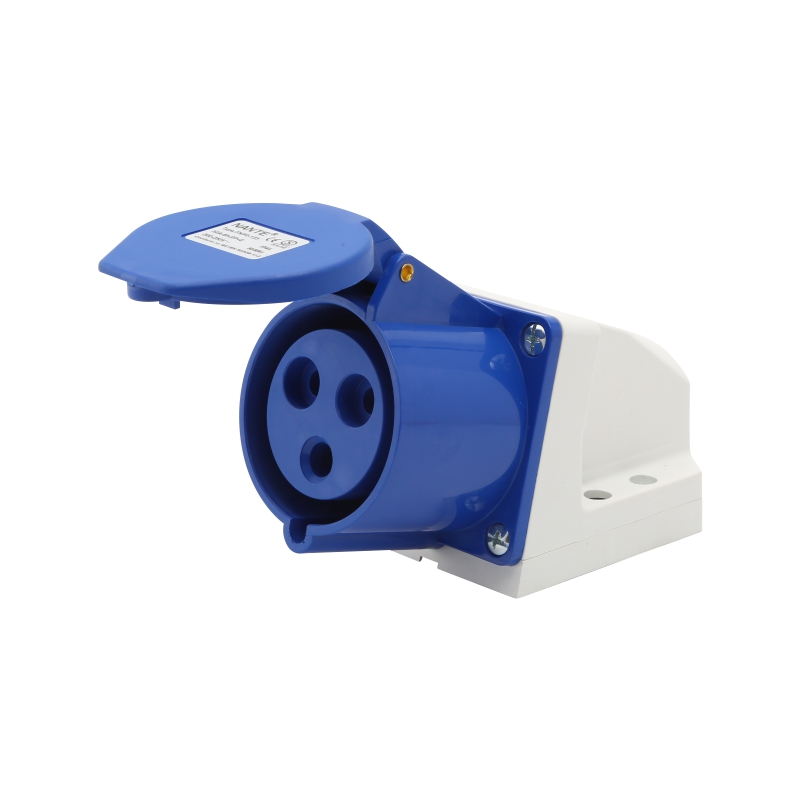
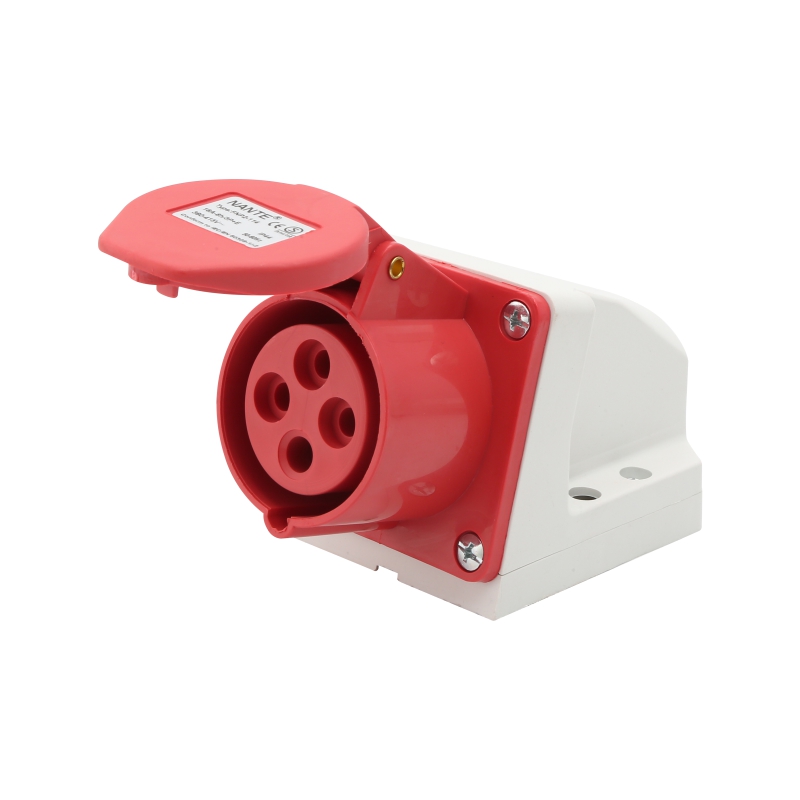
Yes. The socket has its own seals and needs a sound mounting. A compatible plug cannot make up for a cracked socket or an uncovered socket face left open between uses. A socket on a wall beside a wash area deserves the same attention as the plug.
The cable entry matters as well. A thin cable, a scored jacket, or a badly seated fitting opens a path for water to travel into the housing. Water can also pool at low points or run along a cable during cleaning, so inspect the whole assembly before replacing only the part where moisture shows.
Start with the working conditions. A plug in a sheltered indoor bay faces different demands from one near an outdoor wash area. Consider rain, splashing, dust, vibration, and cable movement, and ask how often the plug will be unplugged. Frequent disconnection makes the cap and storage routine a central part of selection.
Product documents should state protection in both connected and disconnected conditions. If they do not, ask the supplier or manufacturer before installation.
For maintenance, inspect the housing, lock, seals, cable entry, and cap for wear. Clean mating surfaces by approved methods and replace parts that no longer fit. Keep compatible caps stocked near the equipment so a missing one never becomes an excuse to leave a plug open.
Make sure workers understand that a seated plug and an open plug need different care. Clear instructions and consistent habits make it easier to spot when a connector is fit for continued use and when it should be pulled for inspection or replacement.
 +86-577-62731897
 shireen@nante.com
 No.688 chezhan Road, Liushi town, Wenzhou, China
Copyright © 2024 Fly-Dragon Electrical Co., Ltd. All Rights Reserved.
 浙公网安备33038202003041号
 Privacy
Outdoor Socket Box Factory & Outdoor Electrical Distribution Panel Factory



 English
 Español
 Português
 Deutsch