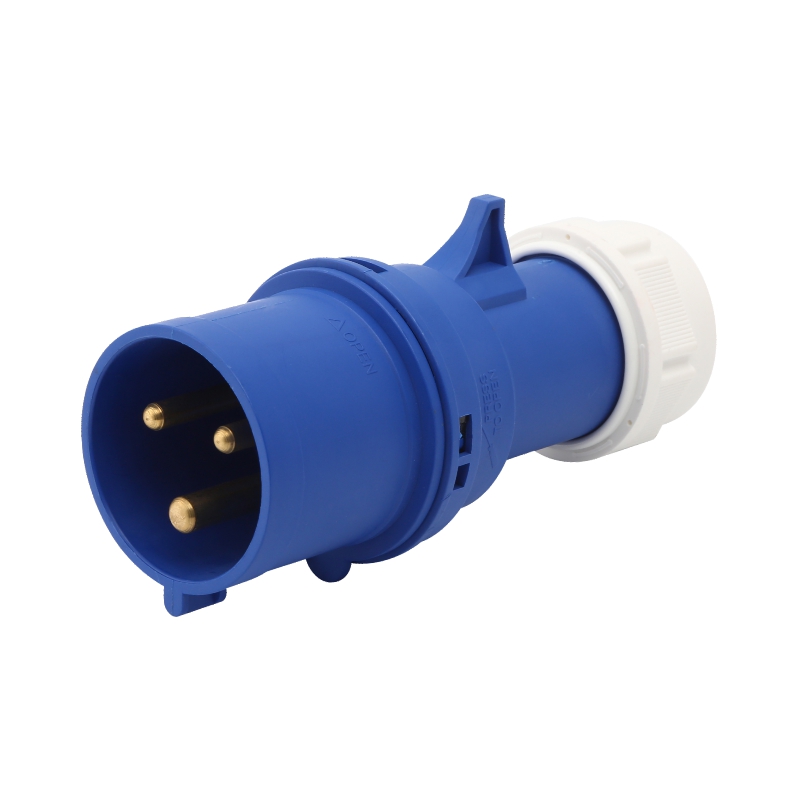
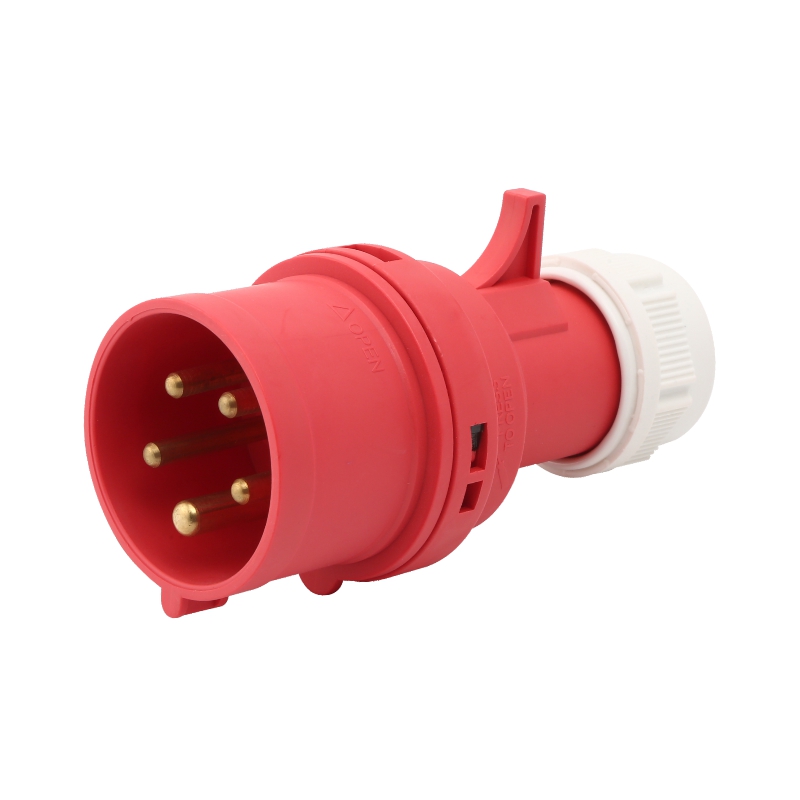
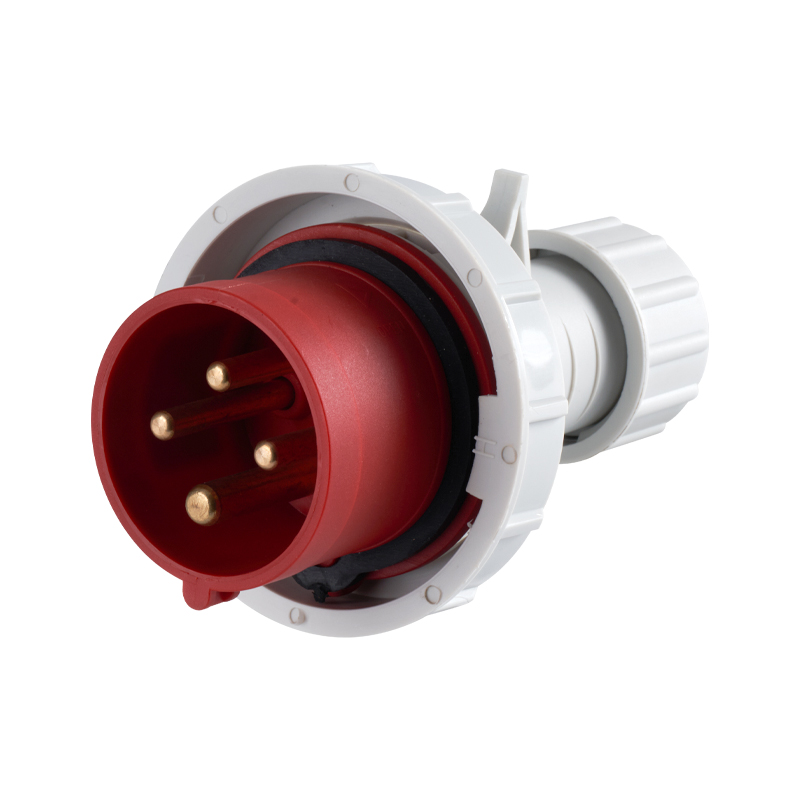
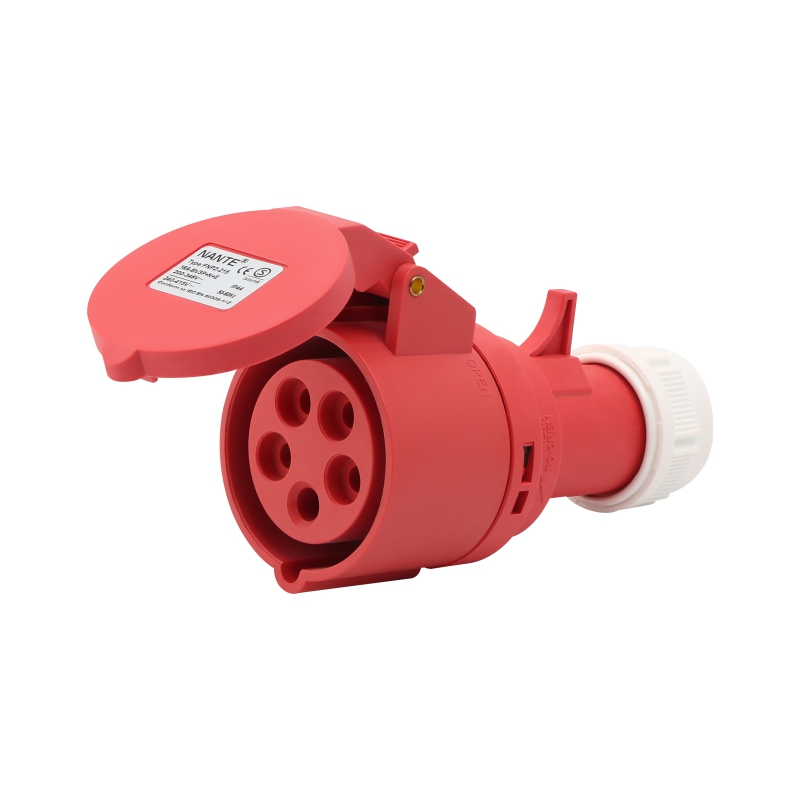
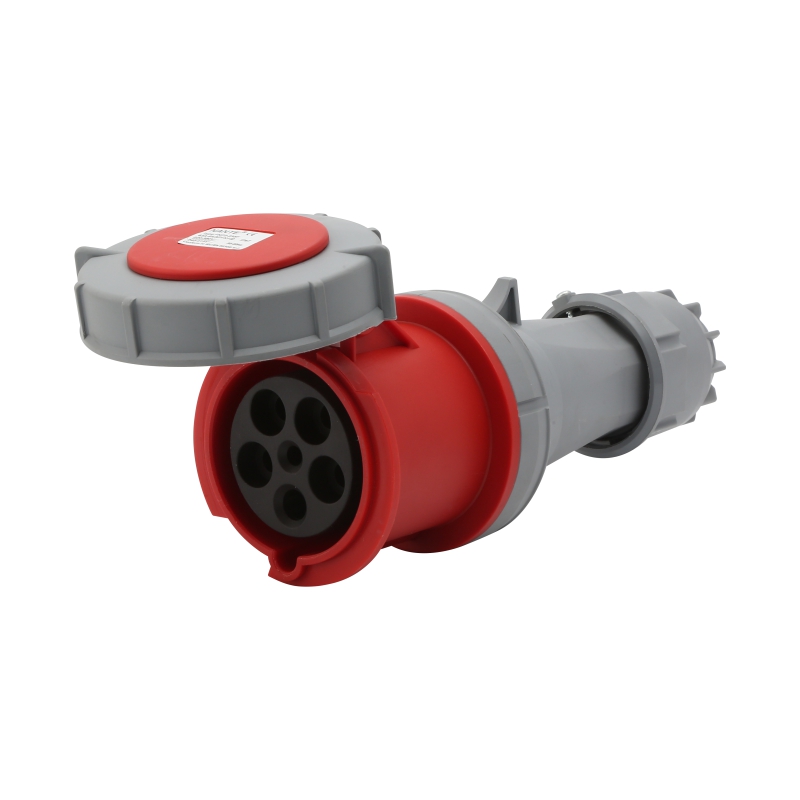
Why Does a Waterproof Industrial Plug Fail to Keep Water Ou
A pump motor trips on a rainy morning. The plug looks closed, the cable looks tight, and the housing shows no cracks. Yet a bead of moisture sits on the contacts inside. Cases like this usually trace back to three parts working together: the cable, the sealing ring, and the cable entry fitting.
A Waterproof Industrial Plug protects a connection only within its intended conditions of use. The outer housing is one piece of the answer. The cable must suit the entry opening, the ring must touch the jacket evenly, and the fitting must be assembled as the manufacturer describes. A small mistake in any of these can undo the work of the others.
The word suggests protection in every situation. In practice, performance depends on the design, the installation, the condition of each part, and the surroundings. A connector suited to light rain may struggle under regular washdowns, standing puddles, or condensation that builds up overnight.
Water takes several routes. It can pass through a gap around the cable, slip beyond a poorly seated ring, or enter through a housing joint that never closed fully. Damage from rough handling, a dropped plug, or a cable dragged across a concrete floor can open another path.
Leaks often stay hidden for a while. A plug may look dry on installation day and admit moisture weeks later, after repeated cable movement or seasonal weather changes. Water can also collect at a low point along the cable and creep toward the entry long before anyone notices a problem.
Disconnect the equipment from its power source and follow the site safety procedure. Wet contacts can cause shocks, short circuits, and damage to the machine behind the plug.
Do not reconnect a plug whose contacts have been wet until the cause is found and the assembly has been checked. A quick wipe with a rag may hide the evidence without removing the source. Take a photo of the entry area before disassembly, because it helps later when you compare the damage with the installation steps.
The ring must contact the jacket around its full circumference. A cable that is too thin leaves a gap, even when the ring looks compressed from the outside. Rain or splashing then finds that gap easily, and vibration can widen it over time.
A cable that is too thick compresses the ring unevenly or keeps the fitting from closing properly. Tightening harder rarely helps and may crack the seal or the plastic body. Shape counts too. A round cable suits a round ring, while a flat or scarred jacket gives uneven contact and leaves tiny channels along the surface.
Check the cable against the manufacturer's compatibility information. Passing through the opening proves nothing about sealing, and a snug feel in the hand can be misleading.
| Cable Condition | Possible Problem | What to Do |
|---|---|---|
| Too thin | Gap around the jacket | Confirm it suits the ring |
| Too thick | Uneven compression | Check compatibility before assembly |
| Damaged jacket | Poor seal contact | Inspect before fitting |
| Irregular shape | Inconsistent contact | Use a cable made for the entry |
| Pulled sideways | Seal disturbed by uneven load | Route the cable to reduce strain |
A suitable cable lets the sealing system work as designed. When the cable on hand does not match, changing the cable or choosing a compatible entry component is safer than forcing parts together.
A ring can twist, pinch, or shift during assembly, and the damage hides once the fitting is tight. The outside looks normal while the inner contact line has a break in it. Running a fingertip around the ring before closing the fitting can reveal a kink that the eye misses.
Dust, cable shavings, or residue on the contact surface can also open a tiny path. On a busy site, grit from drilling or sanding easily lands on an open plug, so clean the area before closing and keep the parts off dirty benches.
Age matters as well. Heat, sunlight, harsh cleaners, and oils can harden, swell, or crack rubber. A ring that still fits the housing may no longer seal, much like an old door gasket that looks intact but lets in a draft.
Replacement parts must match the connector. Extra sealant or an improvised ring can upset the designed assembly, so follow the manufacturer's instructions and avoid shortcuts that seem helpful in the moment.
The fitting holds the cable and keeps the ring in position. Check that every part belongs to the same connector, since similar components can differ in shape and function. Mixing parts from two plugs on a workbench is a common slip when several are open at once.
Prepare the cable as instructed, and avoid nicking the jacket where the ring will sit. A careless knife cut during stripping can leave a groove that no ring can close around. Then work through these steps:
Excessive force does not improve sealing. It can deform the ring, strip threads, or crack plastic parts, and the damage may only show after the next heavy rain.
They can. Repeated pulling, bending, or twisting shifts the ring and loads the fitting unevenly. A cable stretched tight between two points sends every tug straight to the plug, and a sharp bend beside the entry presses the ring to one side.
Position matters too. A plug facing upward on a wet floor can collect pooled water, and a cable running down from a higher point can guide water along its surface to the entry. Think of rain running down a clothesline toward a knot.
A sensible route helps, though it never replaces a correct seal. Leave a gentle loop of cable below the connector so drips fall away instead of following the jacket inward.
Replacing the entry seal alone fails when another path stays open. Check the whole connection, including pieces that seem unrelated to the cable.
| Area | Possible Concern | Action |
|---|---|---|
| Cable entry | Poor fit or loose fitting | Review compatibility and assembly |
| Sealing ring | Damage, dirt, wrong position | Clean or replace as directed |
| Housing | Cracks or deformation | Follow manufacturer guidance |
| Cover or gasket | Poor seating or wear | Check condition and fit |
| Mating interface | Incomplete connection | Confirm correct pairing |
| Cable route | Tension or water running along it | Improve support and routing |
A missing or badly seated protective cap leaves the plug face exposed when it is not in use. Nearby surfaces may also channel water or cleaning spray toward the connector, so look at what sits above and beside the plug.
Routine checks catch small faults early. Look for loose fittings, cracks, scuffed jackets, shifted rings, and moisture near the housing, especially after the cable has been moved or the machine has been serviced. Clean only with methods and products suited to the sealing material, and do not spray a connector unless it is designed for that exposure.
If moisture appears inside, keep the equipment disconnected. Wiping the surface dry does not remove water from internal contacts or from the space behind the ring. Find the cause, handle damaged parts as the manufacturer directs, and have a qualified person assess any leak whose source is unclear.
Keep notes on where water appeared, the weather or cleaning routine at the time, and whether the cable had been moved. A log kept by the maintenance team shows repeated patterns quickly. Those patterns point toward better routing, compatible parts, or a connector better suited to the site.
 +86-577-62731897
 shireen@nante.com
 No.688 chezhan Road, Liushi town, Wenzhou, China
Copyright © 2024 Fly-Dragon Electrical Co., Ltd. All Rights Reserved.
 浙公网安备33038202003041号
 Privacy
Outdoor Socket Box Factory & Outdoor Electrical Distribution Panel Factory



 English
 Español
 Português
 Deutsch