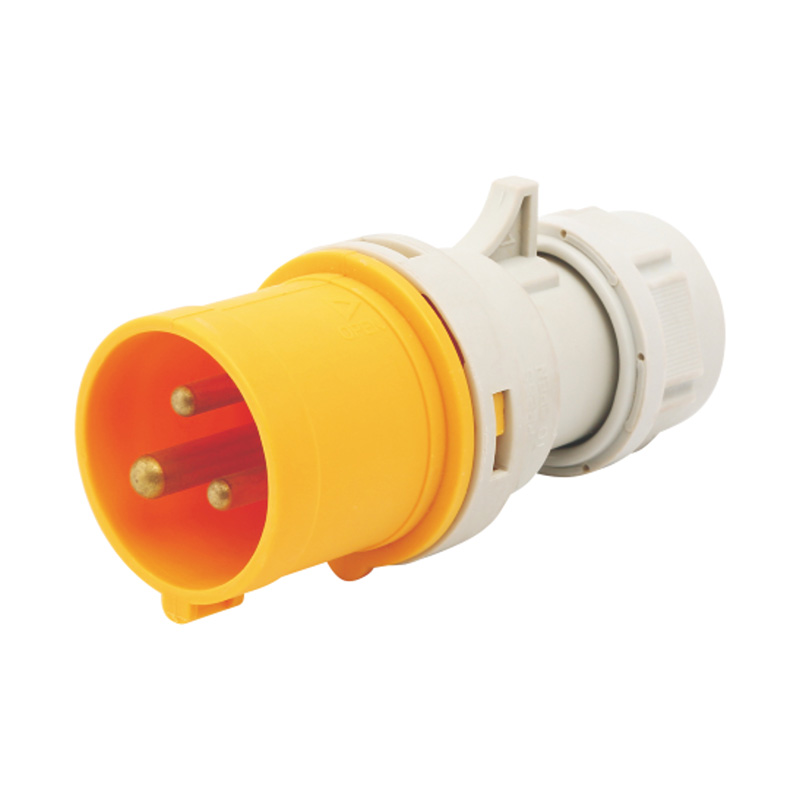
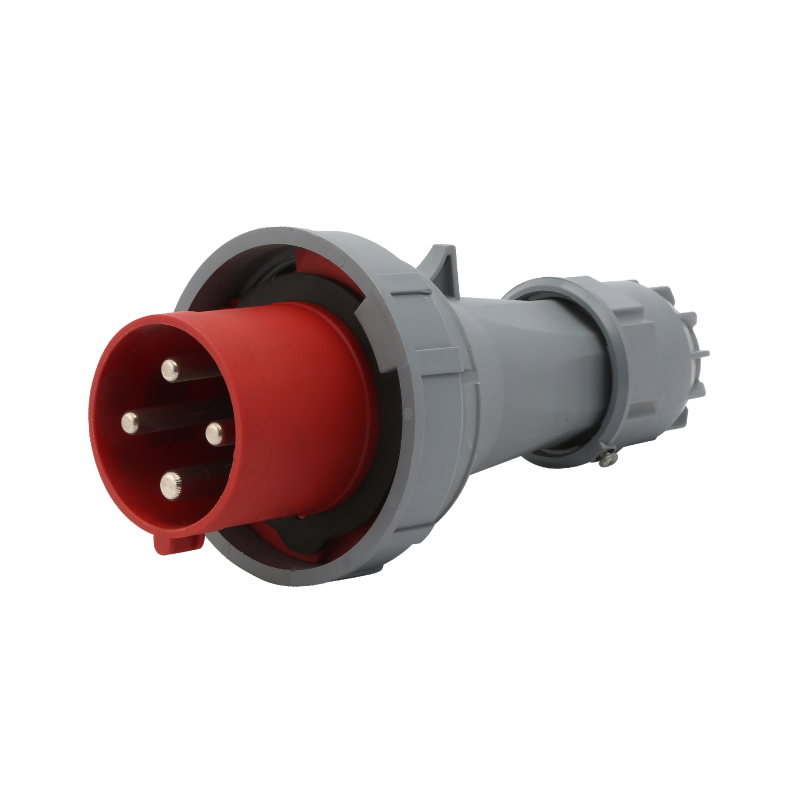
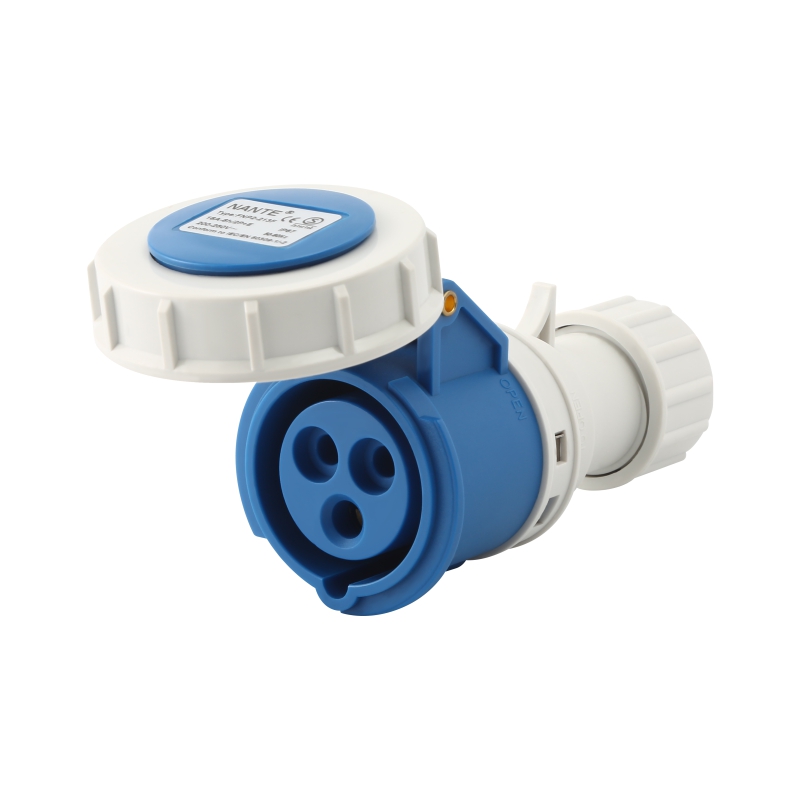
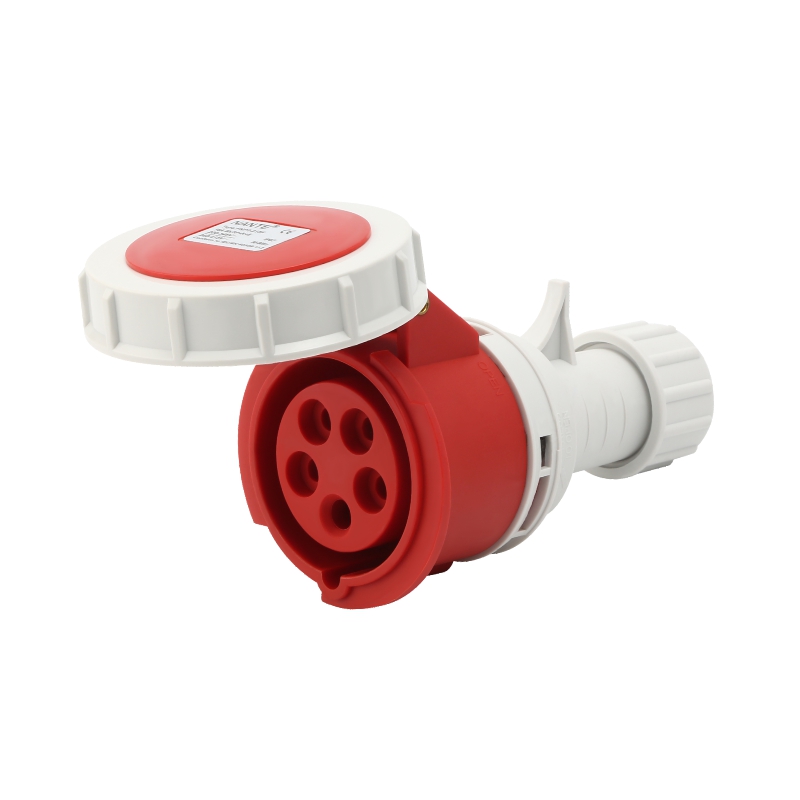
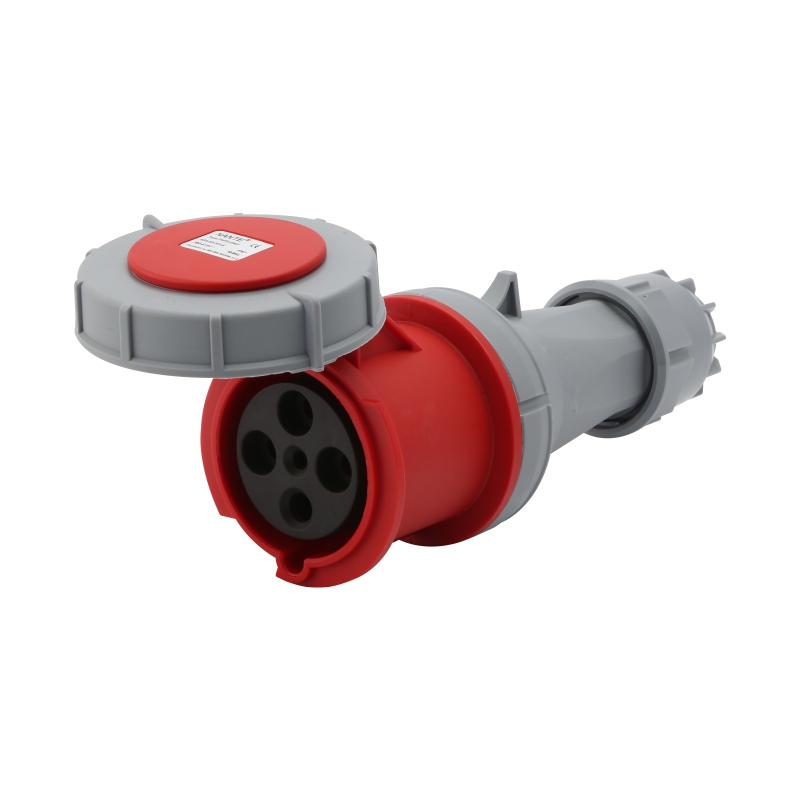
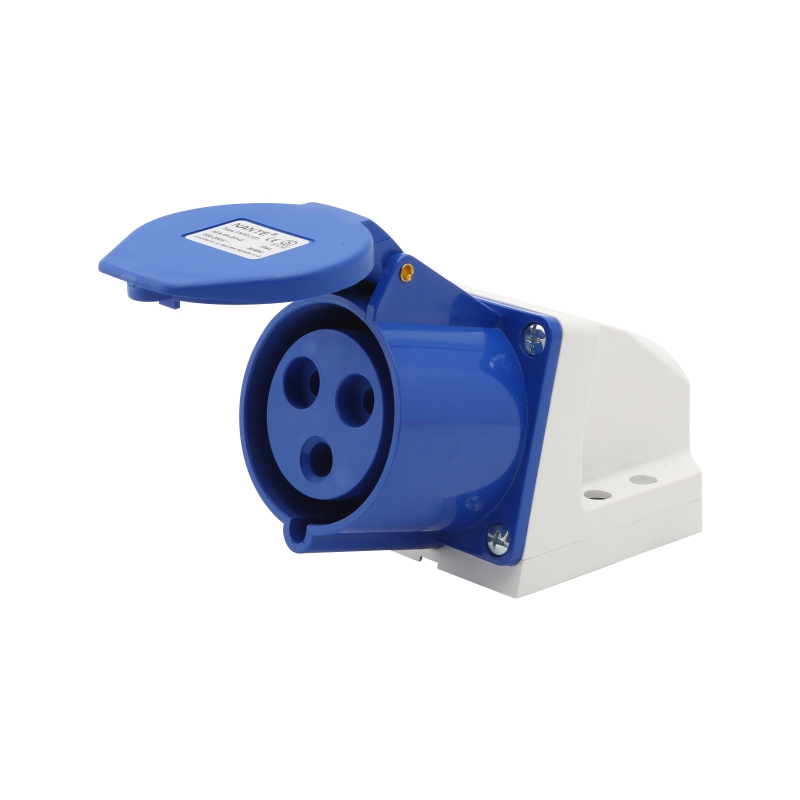
Indoor vs Outdoor Industrial Multiple Socket Outlet: What to Consider
Walk into a quiet workshop and look at the walls. Rows of socket outlets sit in place, often unnoticed. Move to a construction yard or an open-air loading zone, and the same idea appears again, though it looks and feels very different. The gap between indoor and outdoor Industrial Multiple Socket Outlet is not just about location. It reflects how electricity meets real working conditions.
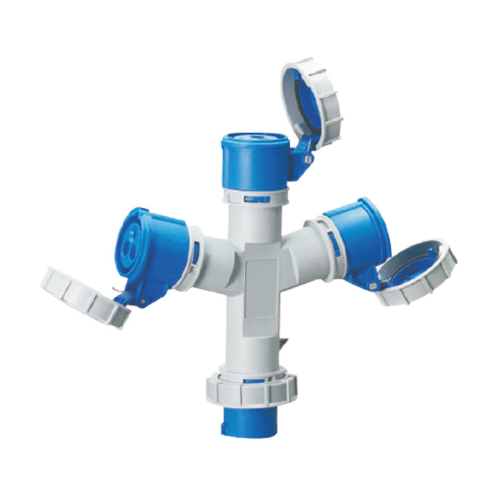
This topic keeps coming up in sourcing discussions, facility planning, and maintenance meetings. People are not only asking what to buy. They are trying to understand how small design choices shape safety, workflow, and long-term reliability.
Indoor industrial socket outlets tend to live in controlled environments. That does not mean the space is always clean or calm. Workshops can be dusty. Warehouses can be busy. Yet the conditions are still predictable compared to outdoor sites.
An indoor unit is often designed with stable surroundings in mind. It may sit on a wall, a column, or a workbench. Workers plug and unplug tools many times a day. Movement is frequent but somewhat organized.
The focus indoors is not only on protection. It is also about convenience. Shape, layout, and access matter. A socket that is easy to reach can save time across a full shift.
Some typical characteristics include:
Even in these spaces, unexpected factors appear. Fine dust settles slowly. Liquids spill. Tools hit against the casing. Indoor does not mean risk-free. It only means the risks are more consistent.
Step outside and the picture changes quickly. There is no stable environment. Conditions shift hour by hour. Sunlight, rain, wind, and temperature swings all play a role.
Outdoor industrial socket outlets are built with this uncertainty in mind. They are not just installed; they are expected to endure.
A unit placed near a loading dock may face water splash in the morning, heat in the afternoon, and dust carried by wind at night. In some areas, freezing and thawing cycles add another layer of stress.
What stands out in outdoor use is exposure. Nothing shields the outlet unless the design itself does.
Common features seen in outdoor-focused designs include:
These outlets are often handled with gloves, tools, or even wet hands. The design has to respond to that reality without becoming difficult to use.
It is easy to think of a socket as a simple connection point. In practice, it becomes part of a larger system shaped by its surroundings.
Environment affects more than appearance. It influences:
Consider moisture. Indoors, it may come from occasional spills or cleaning. Outdoors, it can arrive in many forms—rain, fog, or condensation. Each type behaves differently.
Dust tells a similar story. Indoor dust may settle slowly and can be cleaned on schedule. Outdoor dust often moves with the wind and finds its way into small gaps.
Temperature also plays a quiet role. Materials expand and contract. Over time, this movement can loosen parts or change how tightly a cover closes.
When choosing between indoor and outdoor options, the question is not only "where will it be used?" It becomes "what will it face over time?"
Materials shape the life of a socket outlet. They determine how it reacts to stress, contact, and exposure.
Instead of focusing on names or technical classifications, it helps to look at behavior.
| Consideration | Indoor Focus | Outdoor Focus |
|---|---|---|
| Surface durability | Smooth, easy to clean | Resistant to weather and surface wear |
| Structural strength | Handles frequent handling | Handles impact, pressure, and environmental stress |
| Sealing approach | Basic protection against dust or contact | Strong resistance to moisture and particles |
| Flexibility | Stable in controlled conditions | Adapts to temperature changes |
Construction details also matter. Hinges, covers, and joints are often overlooked, yet they carry daily stress. A loose hinge indoors may be an inconvenience. Outdoors, it can become a point where water enters.
The feel of the product often reveals its intent. A firm closure, a tight seal, or a reinforced edge speaks to how it was designed to perform.
Safety is always part of the conversation, though it takes different forms depending on the setting.
Indoors, safety concerns often revolve around human interaction. Workers move quickly. Tools are plugged in and removed throughout the day. A poorly placed outlet can find to accidental contact or strain.
Outdoors, safety expands to include environmental factors. Water and electricity share the same space. Wind can move cables. Surfaces may be uneven or wet.
Some practical differences can be seen in daily use:
The design of the outlet influences behavior. A well-covered outdoor unit encourages users to close it after use. A clearly arranged indoor panel helps prevent confusion.
Safety is not only built into the product. It emerges from how the product guides the user.
Even a well-designed socket can fall short if installation is not considered carefully.
Indoor installation often allows for more flexibility. Walls are stable. Surfaces are even. Tools and support are close at hand. Adjustments can be made with less pressure.
Outdoor installation tells a different story. Surfaces may be rough or uneven. Mounting points may shift over time. Weather can interrupt the process.
Placement becomes a key decision. A socket placed too low may be exposed to water accumulation. One placed too high may be hard to reach safely.
Cable routing also matters. Indoors, cables can follow structured paths. Outdoors, they may cross open areas or run along temporary setups.
A few practical aspects often come into play:
Installation is not just a technical step. It is part of how the product interacts with its environment from day one.
No socket outlet remains unchanged over time. Wear appears slowly. Small issues grow if ignored.
Indoor maintenance is often tied to routine schedules. Cleaning, visual checks, and occasional replacement form the core of the process.
Outdoor maintenance requires a more watchful approach. Conditions change quickly. What looked fine last week may not hold up after a storm or a period of heavy use.
Some common signs that call for attention include:
Inspection does not need to be complex. Regular observation during daily work can reveal early changes.
In many cases, users themselves notice the signs. Their feedback becomes part of the maintenance cycle.
Choosing between indoor and outdoor industrial socket outlets can feel overwhelming when too many factors are listed at once.
A simpler approach often works better. It starts with a clear picture of the actual use scenario.
Some guiding questions help narrow the choice:
From there, patterns begin to appear. A warehouse corner with steady conditions points toward one type of design. An open yard with changing weather suggests another.
It also helps to compare options side by side in practical terms rather than abstract descriptions.
| Question | Indoor-Oriented Answer | Outdoor-Oriented Answer |
|---|---|---|
| Is the environment stable? | Mostly yes | Rarely |
| Is exposure limited? | Generally controlled | Constant and varied |
| Is ease of access a priority? | Often important | Balanced with protection |
| Is protection from elements key? | Moderate concern | Major concern |
This kind of comparison keeps the decision grounded in real use instead of broad assumptions.
The line between indoor and outdoor products is not as fixed as it once was. Many buyers look for solutions that can adapt across different settings.
There is a quiet shift toward designs that blend usability with protection. An outlet used indoors today may be moved outdoors tomorrow as workspaces change.
Flexibility has become part of the conversation. Instead of choosing strictly one type, some users prefer designs that can handle a wider range of conditions.
At the same time, awareness has grown around long-term use. Buyers are paying closer attention to how products age rather than how they look at the start.
This shift shows up in small ways:
The conversation is no longer only about matching a product to a location. It is about understanding how that location may change.
The choice between indoor and outdoor industrial socket outlets rarely comes down to a single feature. It unfolds through daily use, environmental exposure, and human interaction. Each setting leaves its mark on the equipment, shaping how it performs and how it is perceived over time.
 +86-577-62731897
 shireen@nante.com
 No.688 chezhan Road, Liushi town, Wenzhou, China
Copyright © 2024 Fly-Dragon Electrical Co., Ltd. All Rights Reserved.
 浙公网安备33038202003041号
 Privacy
Outdoor Socket Box Factory & Outdoor Electrical Distribution Panel Factory



 English
 Español
 Português
 Deutsch