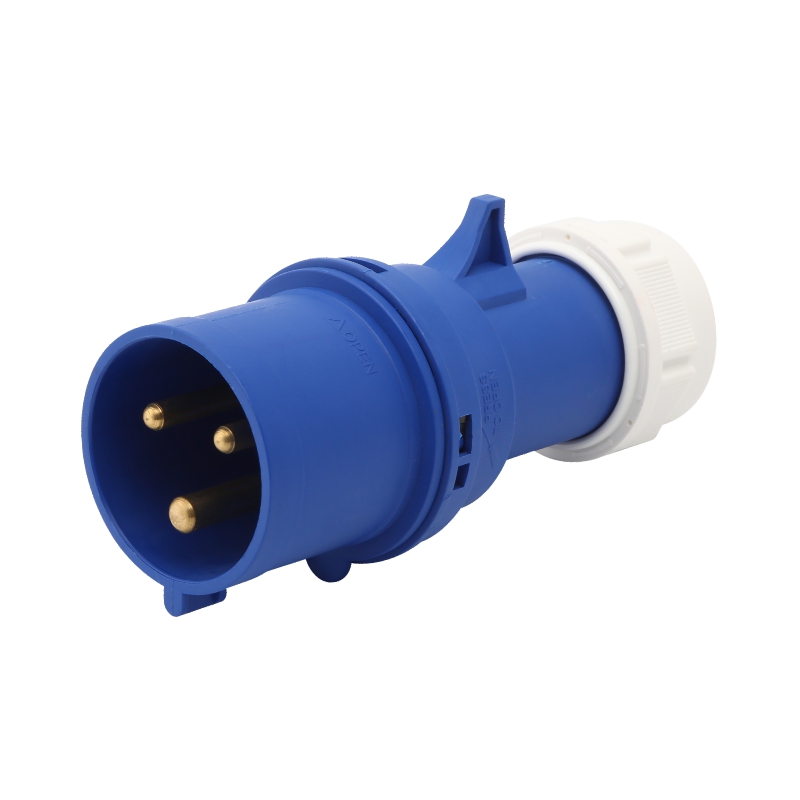
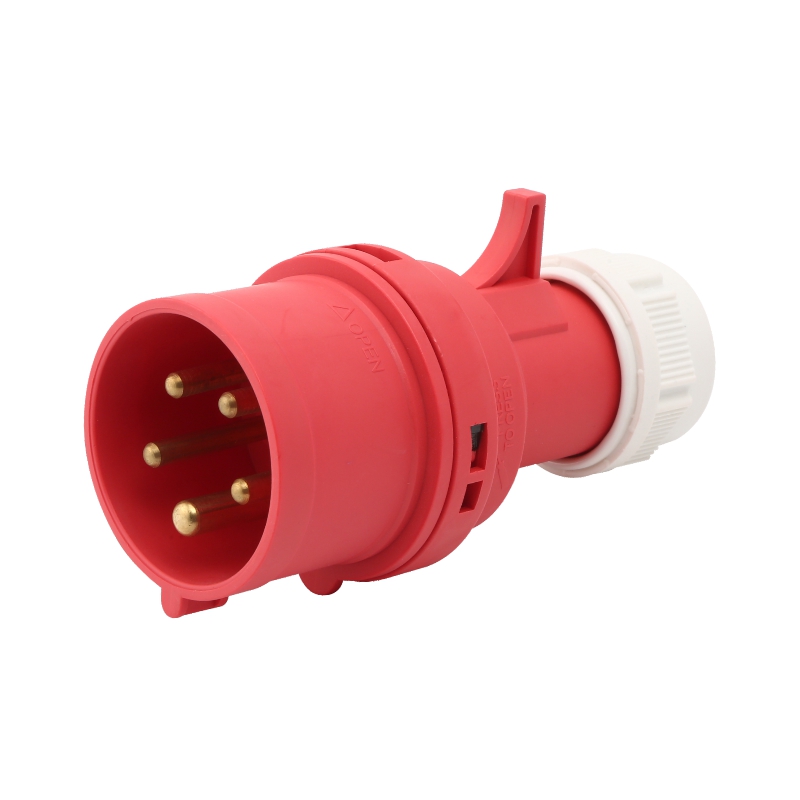
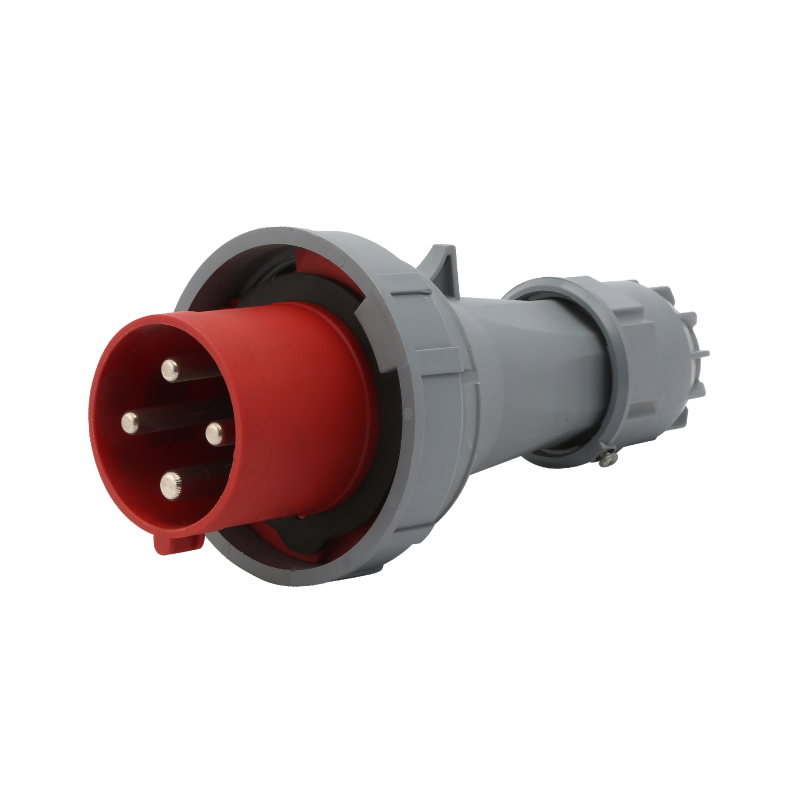
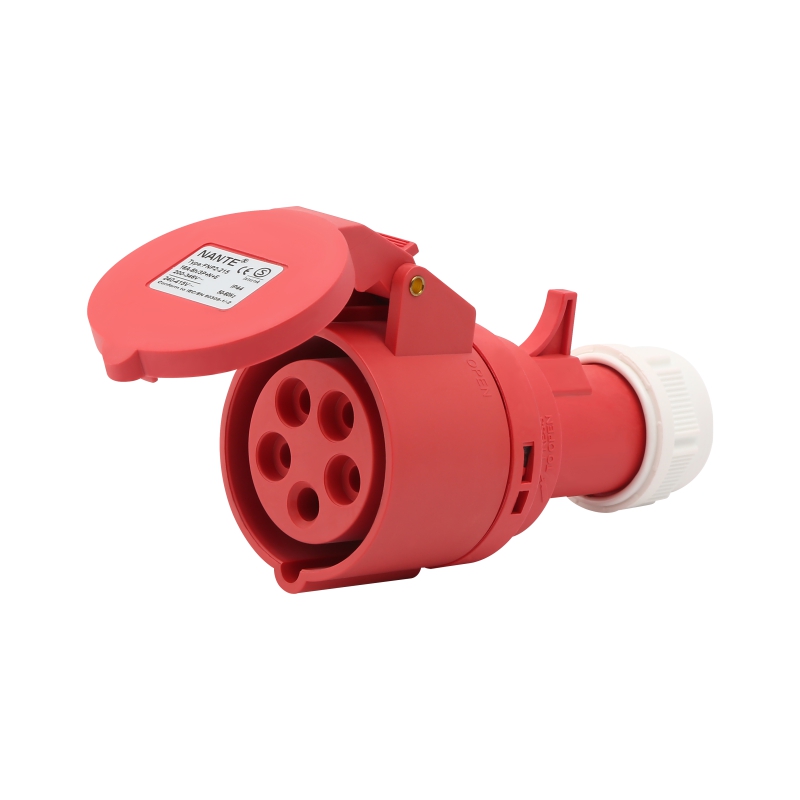
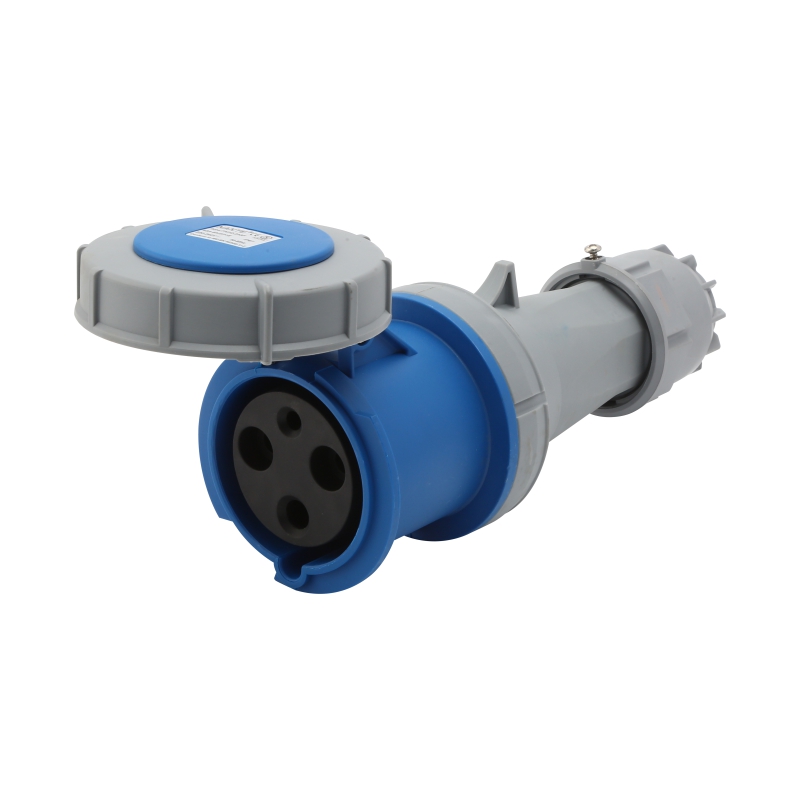
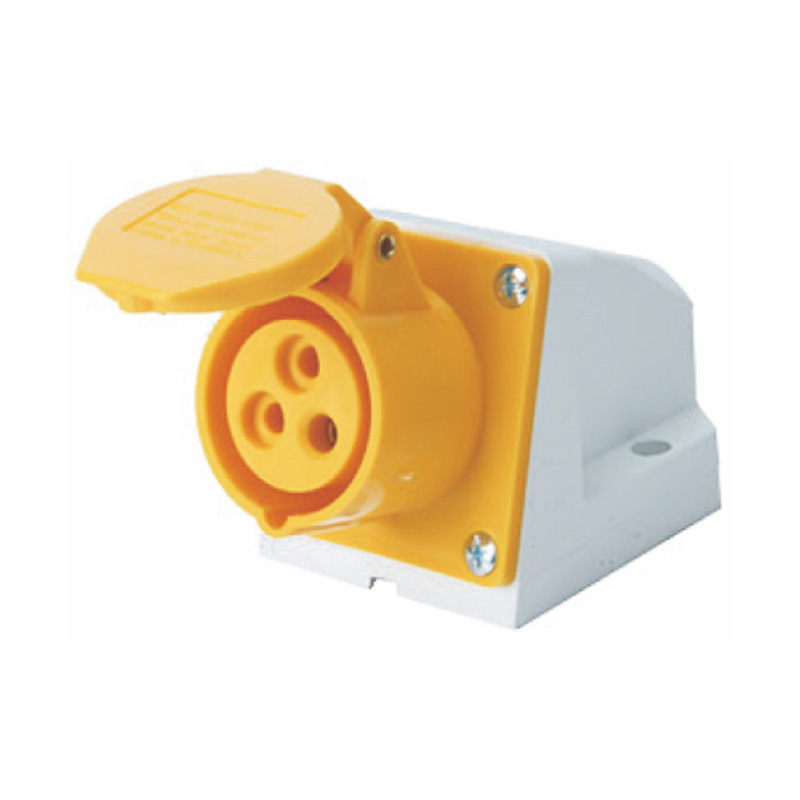
What Safety Features Should an Industrial Multi Plug Have
Walk into a workshop, a warehouse corner, or a temporary job site, and you will usually find power strips placed somewhere along the floor or mounted against a wall. They do not draw much attention. People plug in tools, machines start running, and work moves on.
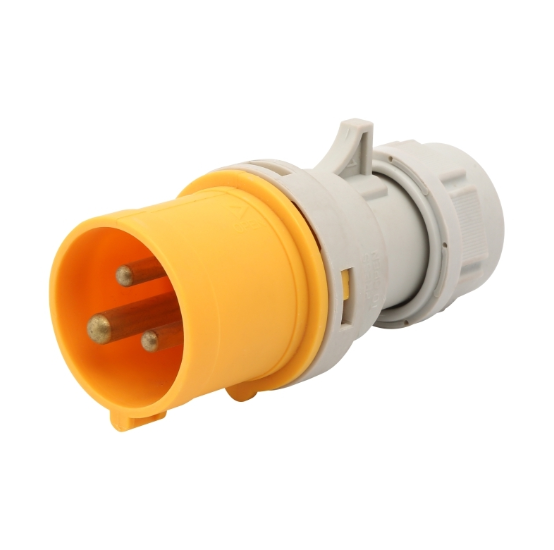
Industrial multi plug often stay in the background like this. Quiet, unnoticed, but constantly in use.
The reality is a bit different once you look closer. These devices sit between power supply and equipment. They carry load, deal with movement, and face conditions that are far from gentle. Dust settles on them. Cables get pulled. Sometimes they are stepped on or dragged across rough surfaces.
In that kind of setting, safety is not about adding one feature. It is about how the whole structure responds over time.
In a typical indoor environment, a power strip might sit under a desk and remain untouched for long periods. That kind of stability rarely exists in industrial spaces.
Here, things shift constantly.
A cable that was neatly placed in the morning may be stretched by the afternoon. A plug inserted once may be removed and reinserted several times during a shift. Equipment may be added or removed without much planning.
This creates a pattern of repeated stress. Not in a single moment, but continuous.
Under these conditions, safety is less about isolated events and more about endurance.
A multi plug needs to:
None of these factors stands alone. They overlap and influence each other.
At a glance, the outer shell seems like a simple casing. In practice, it carries more responsibility than it appears.
A weak housing may not fail immediately. It may show small signs first. A slight crack. A corner that loosens. A surface that begins to deform.
Over time, those small changes can expose internal parts or affect alignment.
A well-designed housing tends to show different behavior:
In some environments, tools or materials may come into contact with the plug unintentionally. A stable outer structure helps absorb those moments without passing stress inward.
The goal is not to make it rigid beyond use, but to keep it steady enough that daily contact does not change its form.
Heat rarely becomes obvious right away. It builds slowly.
When several devices are connected, each draws power. The combined effect creates internal warmth. In a short period, it may not matter. Over longer use, it becomes more relevant.
One of the challenges is that heat does not spread evenly. Certain points, especially around connections, may become warmer than others.
If that heat stays trapped, it can affect materials over time.
Some practical design responses include:
This is not about making the product feel cool to the touch. It is about avoiding conditions where heat quietly builds without release.
The internal structure is rarely visible once the product is assembled. Still, it plays a central role.
Every time a plug is inserted or removed, the internal contact points shift slightly. This movement is small but repeated many times.
If the internal design is not stable, these contact points may loosen. That can find to uneven contact, which may not be obvious at first.
Over time, this inconsistency can create small areas of resistance. Those areas may produce heat or reduce efficiency.
A more stable internal setup usually focuses on:
It is less about complexity and more about consistency.
In theory, users know how much load a device can handle. In practice, that awareness can fade during busy work.
Someone may add another tool to the same plug. Another user may connect equipment without checking what is already in use.
This is where overload protection becomes relevant.
Instead of relying entirely on human judgment, the system introduces a limit. When demand crosses that limit, the flow is interrupted.
This does not solve every issue, but it adds a layer of control.
In shared environments, where multiple people interact with the same equipment, this kind of safeguard becomes more meaningful.
Grounding is not something users think about during daily work. It does not change how the plug looks or feels.
Its role becomes important when something unexpected happens.
If an irregular condition occurs, grounding provides a path for energy to move away from users and sensitive components.
Without it, that energy may remain where it should not be.
Grounding contributes to:
It works in the background, but its presence shapes how the system reacts under stress.
The cable is often the exposed part of the multi plug. It is bent, pulled, and sometimes twisted without much thought.
Over time, this creates wear.
A cable that looks intact on the outside may weaken internally if it cannot handle repeated movement.
Particular attention is often given to the connection point between the cable and the plug body. This area tends to experience the stress.
Design approaches may include:
A failure in the cable can affect the entire system, even if other parts remain intact.
Industrial environments vary widely. Some are dry and controlled. Others include dust, moisture, or exposure to various substances.
These conditions do not always cause immediate failure. They act gradually.
Dust may settle into small openings. Moisture may reach surfaces that were not designed for it. Over time, these factors can influence performance.
Protective measures may involve:
The goal is not to block every external factor, but to reduce how much of it reaches sensitive areas.
Not all safety comes from internal features. Some of it comes from how people use the product.
A design that is difficult to handle may users to apply extra force. A crowded layout may encourage awkward positioning of Industrial Plug Supplier .
Small adjustments in design can change this:
When a product feels intuitive, users are less likely to misuse it.
No single feature defines safety on its own.
A strong housing without stable internal connections is not enough. Good internal structure without proper heat management can still find to issues.
Safety develops through interaction:
| Feature Element | Contribution To Overall Safety |
|---|---|
| Housing | Protects against physical impact |
| Internal Contact | Maintains consistent electrical flow |
| Cable | Supports stable power delivery |
| Heat Control | Reduces long-term material stress |
| Grounding | Manages irregular conditions |
Each part supports the others. When one area weakens, the overall system may be affected.
Testing provides useful insight, but real use often tells a fuller story.
A multi plug may perform well in controlled conditions, yet behave differently after months of daily handling.
Signs of change may include:
These signs do not always mean failure, but they indicate how the product responds over time.
Observation becomes part of safety awareness.
It is easy to focus on visible features. Shape, size, number of outlets.
Yet many safety aspects come from details that are not immediately obvious.
A slightly reinforced joint. A more stable internal alignment. A housing that does not deform under pressure.
Individually, these details may seem minor. Together, they influence how the product behaves after long use.
In industrial environments, where conditions are rarely ideal, these small differences tend to become more noticeable.
They do not stand out at the beginning. They show up gradually, through consistency or the lack of it.
 +86-577-62731897
 shireen@nante.com
 No.688 chezhan Road, Liushi town, Wenzhou, China
Copyright © 2024 Fly-Dragon Electrical Co., Ltd. All Rights Reserved.
 浙公网安备33038202003041号
 Privacy
Outdoor Socket Box Factory & Outdoor Electrical Distribution Panel Factory



 English
 Español
 Português
 Deutsch