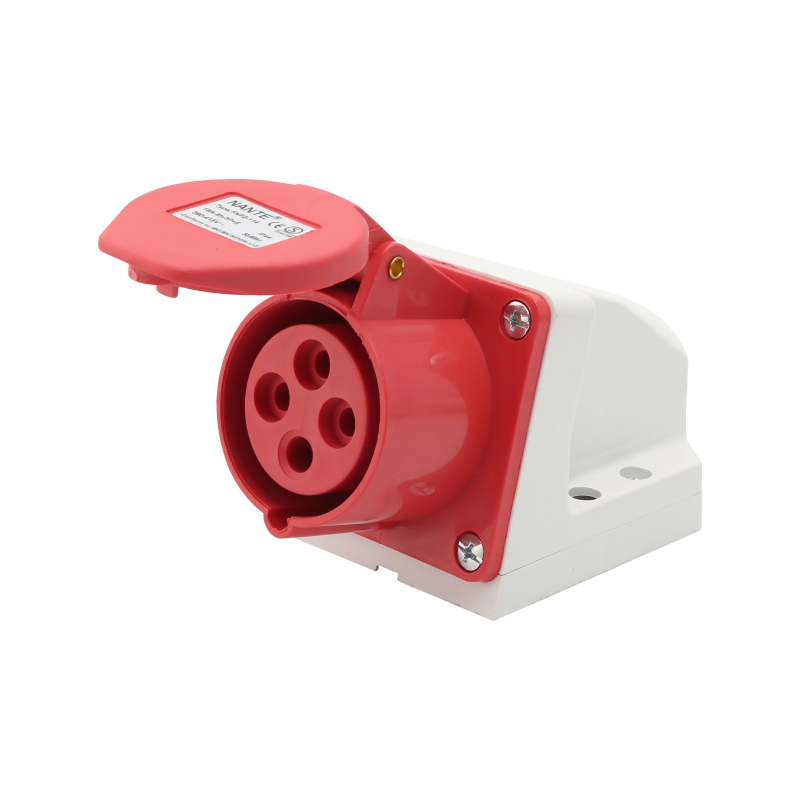
Is a Metal Socket Case the Right Solution for Harsh Environments
Walk through a site where work never really stops. The ground is not always clean. Fine dust floats in the air and settles on every surface. Moisture appears without notice, sometimes from weather, sometimes from daily operations. Equipment is moved, adjusted, and used again. There is little room for delicate handling.
Electrical components live quietly inside this setting. They are not always noticed, yet they carry constant responsibility. Power flows through them every day. Connections are made and broken again and again. Over time, even small external pressures begin to show their effects.
Dust may seem harmless at first glance. Yet it finds its way into narrow openings. It builds up slowly, layer by layer. Moisture works in a similar way. It does not always flood a surface. Instead, it lingers, forming a thin film that can change how materials behave. Add repeated physical contact, and the environment becomes even more demanding.
Socket cases stand at the front line of this exposure. They are not hidden deep inside machines. They are touched, seen, and used directly. Their outer surface becomes the first barrier between internal components and the outside world. When that barrier weakens, the inside is no longer protected in the same way.
Materials carry their own behavior. Some feel light and flexible. Others feel solid and firm. These qualities influence how a socket case responds to daily use.
In mild environments, many materials can perform in a similar way. The differences may not be obvious. In harsher surroundings, small contrasts become more visible. A casing that bends slightly under pressure may seem acceptable at first. After repeated stress, that flexibility can turn into weakness.
Surface behavior also matters. Some materials allow dust to cling more easily. Others may react to moisture in subtle ways, holding it longer than expected. Over time, these small reactions can affect the internal condition of the socket.
Metal presents a different profile. It does not depend on flexibility to absorb force. Instead, it resists change. Its surface tends to remain consistent under repeated contact. These traits influence how it performs when conditions are less forgiving.
Impact is rarely dramatic in these settings. It often comes from simple actions. A tool brushes against the casing. A cable is pulled at an angle. A unit is set down with a bit more force than intended. These moments repeat many times during a typical day.
A metal casing responds by holding its shape. It may show scratches or marks, but it is less likely to crack or split. This matters because even a small break can become a pathway for dust or moisture.
Other materials may absorb light impact in the beginning. Over time, repeated contact can lead to visible wear. Edges may chip. Corners may soften. Once the structure begins to change, the level of protection changes with it.
Metal does not prevent all forms of damage. It does, however, slow the process. It maintains a stable outer layer, even when the surface shows signs of use. This stability helps keep the inside protected over longer periods.
Dust and moisture rarely arrive alone. They work together, creating a steady challenge for exposed equipment. Fine particles settle into small spaces. Moisture follows, sometimes turning dust into a more persistent layer.
A metal socket case forms a firm outer boundary. When combined with proper sealing, it reduces the number of entry points. Its surface does not absorb moisture. Instead, water tends to remain on the outside, where it can dry or be removed.
This behavior supports a more stable internal space. When fewer external elements reach the inside, connections remain cleaner. This can help maintain consistent performance over time.
Design still plays a role. A well-made seal and proper installation are important. Even so, the nature of metal provides a reliable base. It supports the overall structure rather than working against it.
People often don't pay much mind to temperature shifts, but they constantly alter how materials hold up. Parts heat up while in use or sitting in the sun, then cool down when the surroundings change. This cycle repeats nonstop.
A lot of materials will turn soft or brittle after going through these cycles. Some expand unevenly and end up slightly bent out of shape. Over time, these minor changes will make outer casings fit loosely.
Metal acts far more consistently. It expands and shrinks in a regular pattern as temperatures rise and fall. What's more, it always returns to its original form and never loses its structural integrity. This dependable performance keeps the casing from warping.
This quality is especially valuable in areas where temperatures keep fluctuating. When the casing stays solid, seals work as they should, and gaps won't form along edges and connections. That keeps everything inside well protected from outside elements.
Durability is not only tested in situations. It shows itself in routine use. Each time a plug is inserted or removed, the casing experiences slight movement. Each time it is handled, it absorbs small amounts of force.
Over days and weeks, these actions build up. A casing that seems strong at first may begin to show wear. The surface may become uneven. The structure may loosen slightly.
Metal tends to handle this repetition with less visible change. Its surface may collect marks, but its shape remains stable. This consistency supports long-term use without frequent adjustment or repair.
Durability also connects to how often maintenance is needed. A casing that holds its form reduces the need for outer repairs. Attention can remain focused on internal checks rather than structural fixes.
Installation sets the tone for long-term use. A metal socket case brings a different feel during this stage. It is heavier than many alternatives. This weight can influence how it is mounted and secured.
Installers may need to ensure that the supporting surface can handle the load. Fixing points may require more attention. The process may take slightly more time, especially in tight spaces.
Once installed, however, the structure tends to remain stable. It does not shift easily. This reduces the need for frequent adjustments. The casing stays in place, even when exposed to regular handling.
The balance between effort during installation and stability during use often becomes clear over time. A more careful setup can lead to fewer issues later.
The way we maintain equipment ties closely to how materials stand up to the surrounding environment. Work areas full of dust or moisture mean surfaces need regular upkeep, and how easy a surface is to clean also decides how often staff will carry out the work.
Metal surfaces are hard and sleek. Dust can be wiped off effortlessly, and moisture won't sink into the material, so drying is quick and simple. It only takes basic steps to keep these surfaces clean on a daily basis.
Other types of materials are different. Their textured surfaces easily catch and hold dust particles, and moisture also takes longer to evaporate. As time goes on, cleaning these surfaces becomes far more time-consuming.
The following table outlines general observations from daily use:
| Aspect | Metal Socket Case | Other Common Materials |
|---|---|---|
| Surface condition | Stays firm under use | May soften or wear unevenly |
| Cleaning effort | Wipes clean with ease | May require more effort |
| Dust interaction | Limited adhesion | Particles may cling |
| Moisture behavior | Remains on surface | Can linger or spread |
| Maintenance focus | Internal inspection | Outer surface repair possible |
These patterns are not fixed rules, but they offer a view of how different materials behave over time.
Every material brings a mix of strengths and limits. Metal is no exception. Its weight can influence both installation and transport. In some situations, this may require additional planning.
Surface temperature is another factor. Metal can feel colder in low temperatures and warmer in high ones. This may affect handling, especially in environments where workers interact with the casing frequently.
There is also the question of design flexibility. Some materials allow for more variation in shape or form. Metal, while strong, may follow stricter design paths depending on how it is processed.
These points do not reduce its value. They simply highlight areas where careful consideration is useful. Matching the material to the environment remains the key step.
Certain environments place constant pressure on equipment. Outdoor work areas face weather changes. Industrial spaces deal with dust and repeated contact. Workshops combine movement, handling, and exposure in a single setting.
In these places, a stable outer casing becomes more than a preference. It supports daily operations. It reduces interruptions caused by wear or damage. Over time, this can make a noticeable difference in how smoothly work continues.
Even in less demanding spaces, occasional exposure to dust or moisture can lead to gradual wear. A stronger casing helps slow this process. It offers a margin of protection that becomes more visible with extended use.
The decision often comes down to exposure level. The more demanding the environment, the more relevant durability becomes.
Selecting a socket case involves more than comparing materials. It requires an understanding of daily use. How often will the socket be handled? What kind of exposure will it face? How important is long-term stability?
Metal cases offer a steady structure that responds well to impact, dust, and temperature changes. They ask for careful installation, but in return, they tend to hold their form over time.
Looking at the full picture helps guide the choice. Material, environment, and usage patterns all connect. When these elements align, the result is a casing that supports consistent performance in conditions that are far from gentle.
 +86-577-62731897
 shireen@nante.com
 No.688 chezhan Road, Liushi town, Wenzhou, China
Copyright © 2024 Fly-Dragon Electrical Co., Ltd. All Rights Reserved.
 浙公网安备33038202003041号
 Privacy
Outdoor Socket Box Factory & Outdoor Electrical Distribution Panel Factory



 English
 Español
 Português
 Deutsch