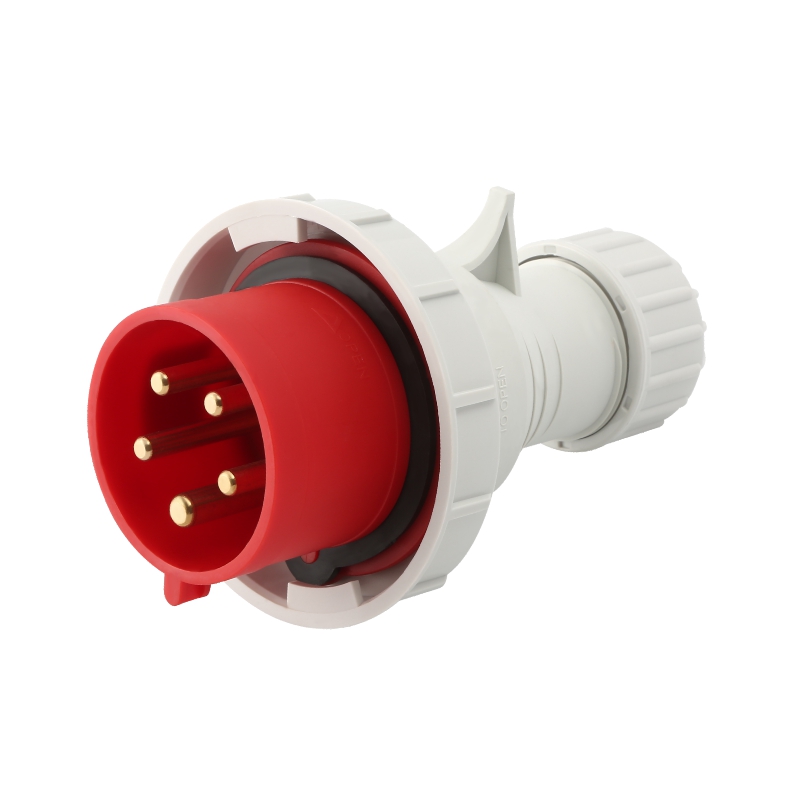
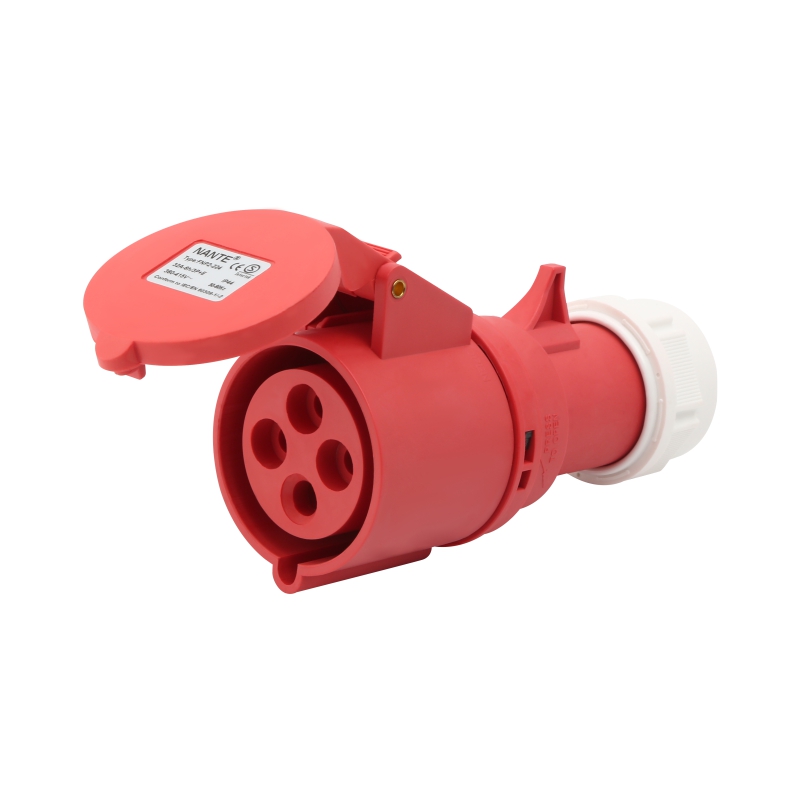
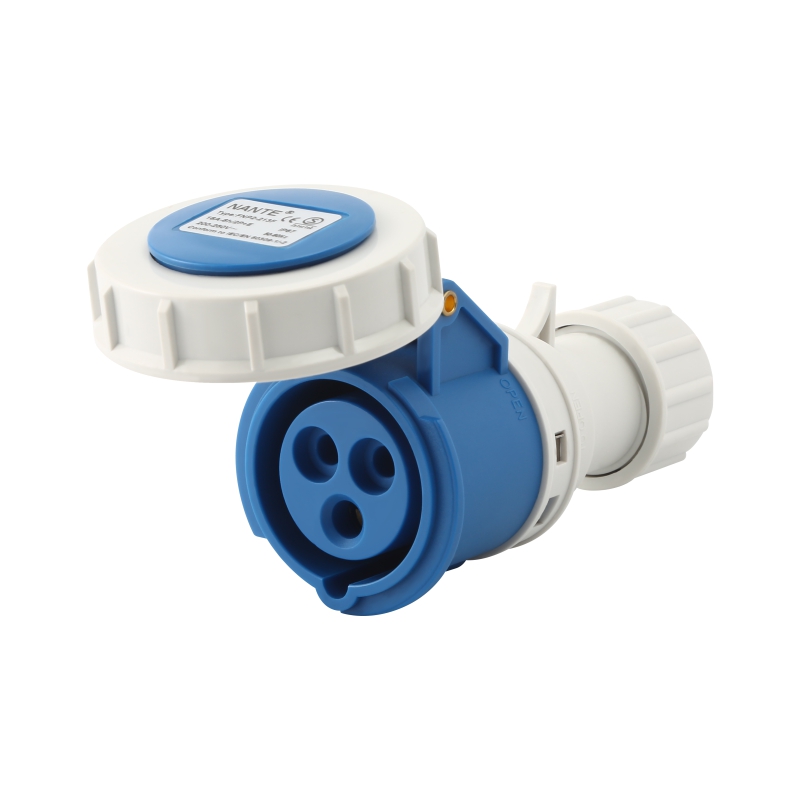
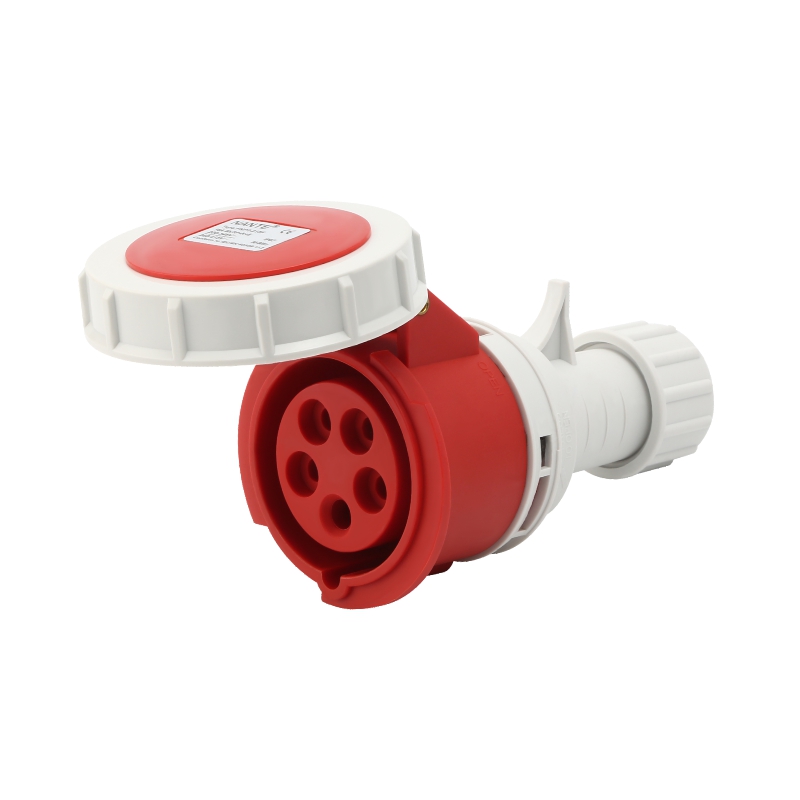
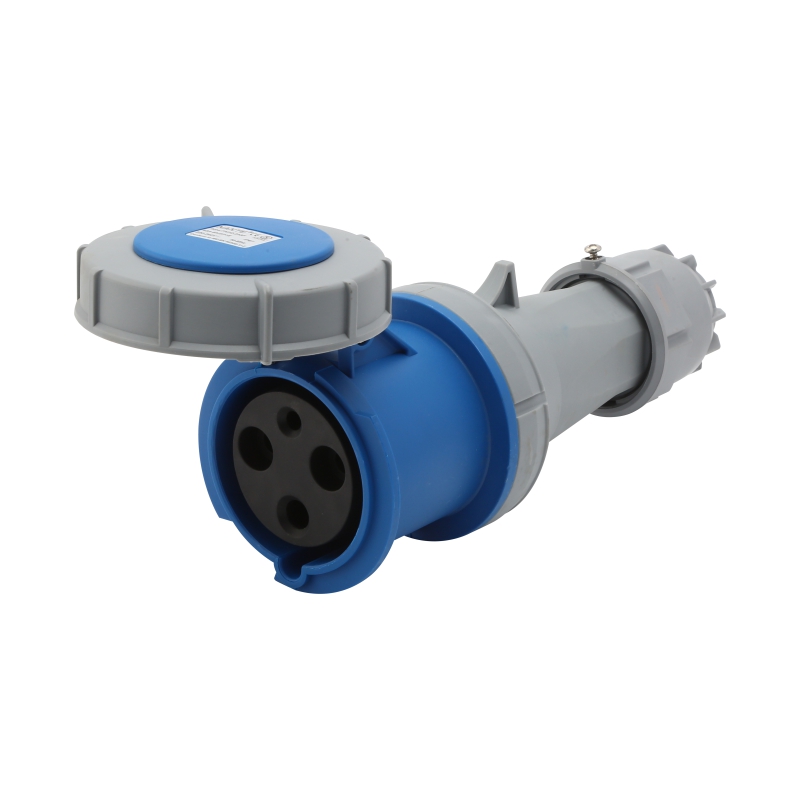
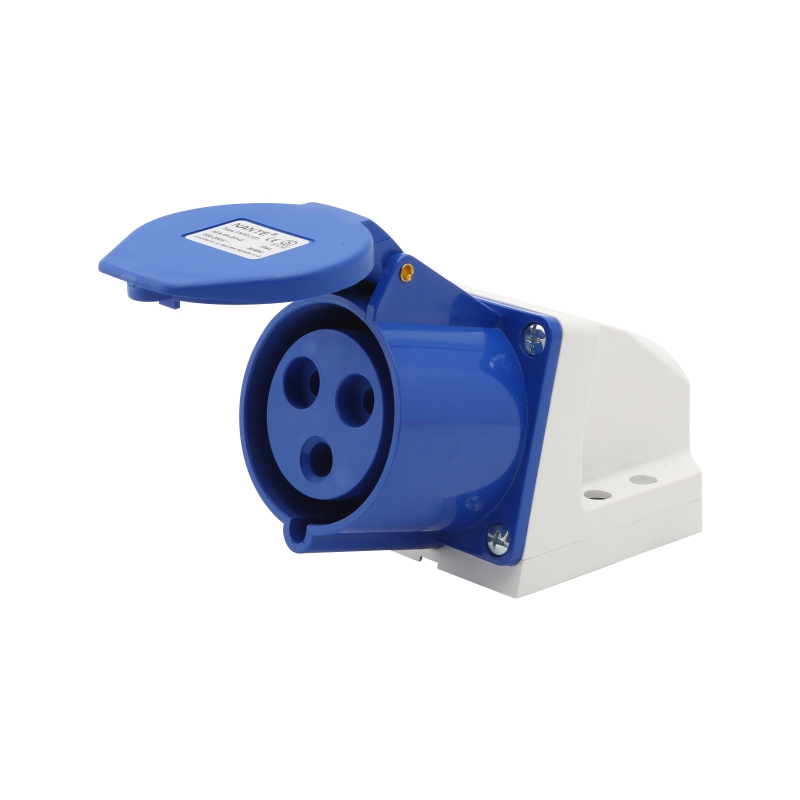
What Are the Advantages of Industrial Multiple Socket Outlet
Walk into a busy workshop, a storage facility, or a production floor, and one thing becomes obvious very quickly. Power is everywhere, but access to it is rarely simple. Machines change positions. Tools rotate between tasks. People move faster than the layout can adapt.
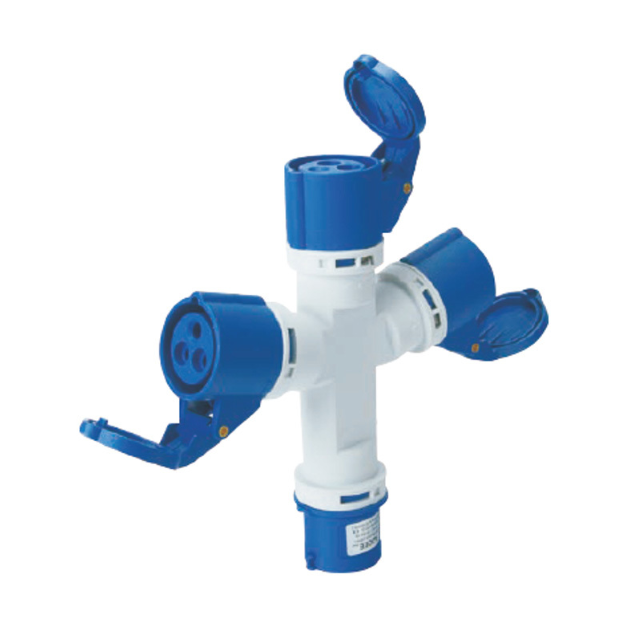
In that kind of environment, industrial multiple socket outlet are not a decorative detail. They quietly sit in the background, shaping how work is arranged and how smoothly it moves from one step to the next.
This discussion looks at their advantages from a practical, on-the-ground perspective, where convenience is less about comfort and more about keeping work uninterrupted.
Most industrial spaces are no longer built around a single fixed machine. Instead, they tend to grow into mixed-use areas where different tools appear and disappear depending on what needs to be done that day.
A cutting station in the morning might become an inspection area by the afternoon. A bench used for assembly may later hold testing equipment. In these shifting layouts, power access has to keep up.
That is where multiple socket outlets come into play. Instead of relying on scattered single points, a grouped connection area reduces the need to constantly rethink where power is coming from.
It sounds simple, but it changes how people move through their tasks. When power is predictable, setup time becomes shorter. When setup time becomes shorter, attention shifts back to the actual work.
It is easy to overlook how much time is spent just finding a usable socket.
One machine is plugged in at the corner. Another requires an extension from across the room. A third needs to be unplugged before anything else can start. None of this feels dramatic in isolation, but over a full working day, it adds friction.
Multiple socket outlets reduce that scattered feeling. Instead of chasing power across different walls or surfaces, devices come together at a shared point.
The effect is not only physical. It also changes the rhythm of work. People stop thinking in terms of "where is the socket" and start thinking in terms of "what is next."
In many spaces, yes—but not in the way people sometimes imagine.
It is not about forcing everything into a single point. It is about grouping access so that tools can operate in a more organized cluster.
Picture a small production station. One device handles shaping, another handles finishing, and a third is used for checking results. Instead of spreading these across different corners, a multiple socket outlet allows them to sit together.
That arrangement has a subtle effect. Cables become easier to trace. Movement between tools becomes shorter. Even communication between workers at the same station feels more natural because everything is within reach.
It is less about electrical distribution and more about shaping behavior in the workspace.
A workspace with too many independent power points often ends up visually busy. Cables stretch in different directions. Equipment gets placed wherever a socket happens to be available. Over time, the layout becomes reactive instead of planned.
Multiple socket outlets help reverse that pattern.
When power is grouped, equipment tends to follow. Workstations form around a defined point rather than spreading outward randomly. This creates a kind of structure without forcing rigid rules.
There is also a practical benefit during cleanup or reconfiguration. Instead of tracing multiple power paths, everything can be managed from fewer locations.
Even small changes, like moving a table or shifting a tool, become easier when the power structure underneath is consistent.
Flexibility in industrial environments is not about constant movement. It is about not being slowed down when movement is needed.
A tool that needs to be relocated should not require a full rearrangement of the space. It should unplug, move, and reconnect without creating extra steps.
That is where multiple socket outlets support flexibility in a very direct way.
They allow equipment to rotate between tasks without long interruptions. A device used in one area can be moved to another without searching for a new connection point. The workflow continues without losing momentum.
This becomes especially noticeable in shared environments where tools are not owned by a single station. Instead of assigning fixed power locations, the space becomes more fluid.
Safety in shared environments often depends on visibility and predictability.
When power connections are scattered, it becomes harder to track what is plugged in where. Cables cross paths. Devices are added or removed in different corners. The overall picture becomes harder to read.
Multiple socket outlets reduce that spread.
By concentrating connections, they make it easier to understand how power is being used in a given area. This does not remove risk on its own, but it supports clearer awareness.
There is also a behavioral effect. When people see a defined connection point, they tend to treat it as a shared resource rather than an improvised solution. That alone can reduce chaotic setups.
Few industrial environments operate at a constant level. Activity rises and falls. Some hours are busy with multiple devices running at once. Other periods require only minimal equipment.
Multiple socket outlets handle this variation without needing physical changes.
Instead of adding or removing power points, usage simply expands or contracts at the same location. Devices can be connected when needed and removed when not.
This makes the workspace more responsive without redesigning it every time requirements shift.
It also reduces reliance on temporary fixes. When power access is already grouped, there is less need to improvise with extra extensions or makeshift arrangements.
In larger environments, the challenge is not just access but coordination.
Different teams often operate in the same general space. Equipment moves between zones. Workstations overlap in function. Without some structure, power access can become difficult to manage.
Multiple socket outlets help define boundaries without physical walls.
A shared power point becomes a kind of anchor. Teams know where equipment can be connected. Movement becomes more predictable because connection points are familiar and consistent.
It also reduces visual noise in large spaces. Instead of many scattered access points, there are fewer but more intentional ones.
This makes navigation easier, especially in environments where people are constantly moving between tasks.
Modern industrial design tends to avoid fixed patterns. Spaces are expected to adapt. One area might serve several purposes across a single day or shift.
Multiple socket outlets fit into this idea without demanding structural change.
They support mixed-use environments where equipment is not tied to one location. They also allow spaces to be rearranged without rethinking the entire power layout.
As a result, they become part of a more flexible infrastructure approach. Not visible in a dramatic way, but present wherever adaptation is needed.
Over time, they quietly support a working style where change is normal, and stability comes from simple, repeatable connection points rather than rigid layouts.
 +86-577-62731897
 shireen@nante.com
 No.688 chezhan Road, Liushi town, Wenzhou, China
Copyright © 2024 Fly-Dragon Electrical Co., Ltd. All Rights Reserved.
 浙公网安备33038202003041号
 Privacy
Outdoor Socket Box Factory & Outdoor Electrical Distribution Panel Factory



 English
 Español
 Português
 Deutsch