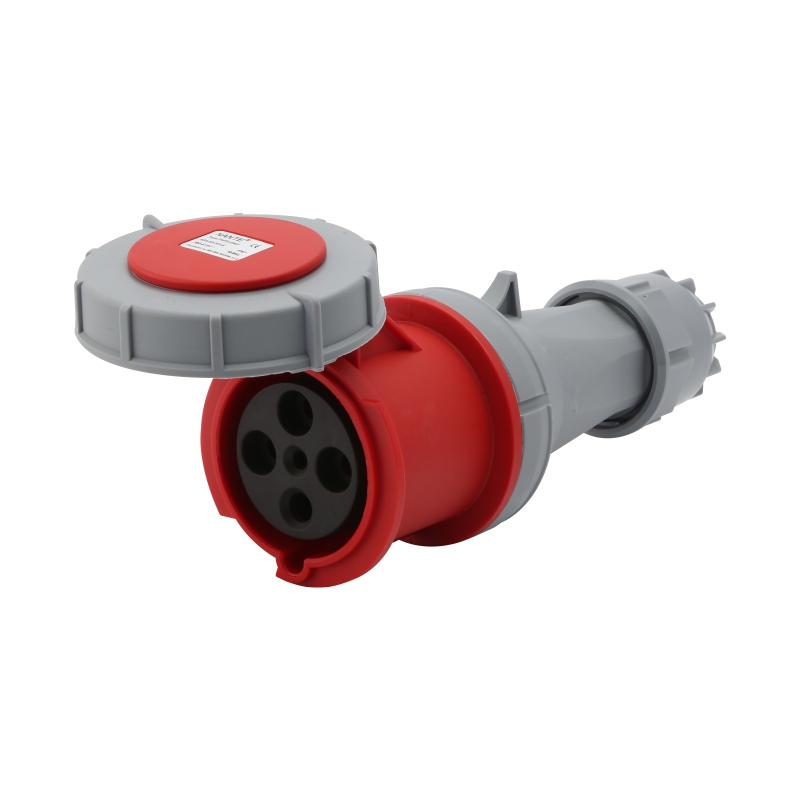
Locking Indoor Outlet Cover: A Simple Way to Reduce Unwanted Electrical Access
 Home / News / Industry News / Locking Indoor Outlet Cover: A Simple Way to Reduce Unwanted Electrical Access
 Indoor electrical systems are part of everyday life. Power points are found in homes, offices, shared buildings, and public indoor spaces. Most of the time, they are used without attention. Yet these small access points carry constant exposure risks.
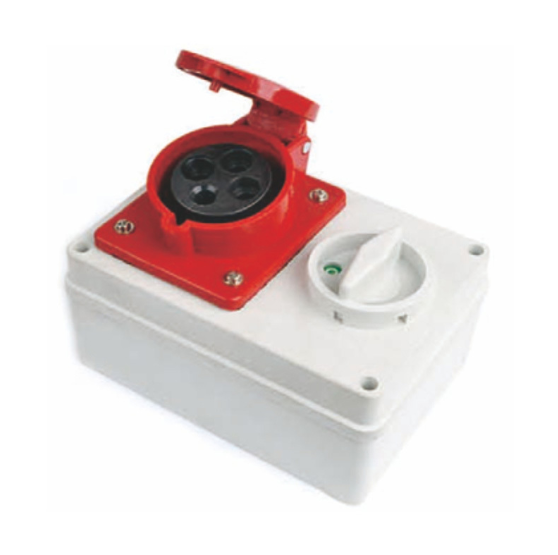
A locking indoor outlet cover appears as a simple protective layer placed over sockets. It does not change how electricity is used. It changes how access is controlled. This small adjustment is becoming more noticeable in spaces where safety awareness and controlled usage matter more than before.
In recent indoor safety discussions, more focus is placed on limiting unwanted contact rather than only improving power delivery. The outlet cover sits inside this shift, supporting a more controlled environment for everyday electrical use.
Indoor environments are shared more often today. A single space may be used by different people throughout the day. Offices, rental spaces, classrooms, and waiting areas all follow this pattern.
With shared use comes unpredictable interaction with electrical points. Outlets may be touched, adjusted, or exposed unintentionally. Even simple contact can create unnecessary risk.
The concern is not always about misuse. It is often about accidental access. A person may plug in or unplug devices without noticing surrounding conditions. In some cases, children or visitors may interact with outlets without understanding the risk.
Because of this, controlling access becomes part of space design. Not to limit usage, but to guide it more clearly.
This outlet cover has a simple core function: it puts a solid physical shield over the socket.
Unlike bare, uncovered wall outlets, this cover stays closed and secured over the sockets at all times. You have to unlock and lift it on purpose when you need to plug something in.
This simple design changes how people interact with wall outlets day to day:
Around homes and regular indoor spaces, this small design tweak alters daily habits. People won't absentmindedly touch exposed sockets, and they'll always pause before accessing power outlets.
Use of locking outlet covers is not limited to one type of space. It appears in many indoor settings where shared access or frequent movement is present.
Common environments include:
Each of these environments has different movement patterns. Some are quiet and controlled. Others are active and frequently changing.
The cover adapts to both types by adding a layer of access awareness without changing the structure of the electrical system.
Unwanted access does not always mean intentional interference. In many cases, it happens through simple actions.
A person may reach toward an outlet while cleaning. A child may explore surfaces out of curiosity. Equipment may shift and expose sockets unintentionally.
A locking cover changes this interaction. Instead of open access, the outlet becomes a controlled point.
The reduction happens in several ways:
This creates a more predictable environment around electrical points.
Common Indoor Risks and Outlet Cover Role
| Indoor Situation | Common Risk Type | Cover Contribution |
|---|---|---|
| Shared living spaces | Accidental contact | Adds physical protection layer |
| Office environments | Unintended usage | Reduces casual access |
| Educational spaces | Curiosity-based interaction | Limits direct exposure |
| Public indoor areas | High foot traffic exposure | Keeps outlets covered when idle |
Safety is not only about physical protection. Visual clarity plays a role as well.
When an outlet is clearly covered, its status is easier to understand. People do not need to guess whether it is in use or not. The surface itself communicates its condition.
This reduces hesitation and confusion. In shared spaces, that clarity is important.
A locking outlet cover creates a visible boundary. It signals that the point is controlled, not open by default.
Over time, users begin to recognize this pattern and adjust their behavior naturally.
oday's interior design favors tidy, streamlined spaces with every fixture serving a clear purpose—and that rule applies to power outlets just as much as furniture or lighting.
Designers aim to cut down messy, distracting details. Exposed wall sockets break the neat visual flow, especially in busy areas that get lots of foot traffic.
Locking outlet covers fix this issue well. They hide unsightly socket openings and keep wall surfaces looking consistent and uncluttered.
This matches the core idea behind modern interior styling: practical utility and clean visuals go hand in hand, instead of competing against each other.
Controlling access to power sockets matters most in shared areas, where different people come and go without coordinating with one another.
Electrical fittings need to stay in a set, safe state no matter who uses the room at any time.
Lockable covers keep outlets secured uniformly, unaffected by how individual people handle the space.
It makes managing shared rooms far easier. Staff won't need constant reminders or extra supervision, because the cover's built-in lock naturally guides everyone to use sockets properly.
Indoor cleaning involves movement near walls, corners, and fixed installations. Electrical outlets are often located in these areas.
Without protection, cleaning tools or hands may come into contact with sockets unintentionally.
A covered outlet reduces this exposure. Cleaning can continue without adjusting or avoiding electrical points constantly.
Maintenance checks also benefit from clearer structure. Covered outlets are easier to identify as controlled access points. This reduces confusion during inspection or arrangement tasks.
Modern indoor spaces are not static. They are used by different people with different habits throughout the day.
Because of this, uncontrolled access points can create small but repeated issues. Not always serious, but frequent enough to matter over time.
Controlled access helps reduce this variation. Instead of reacting to behavior, the environment guides it.
A locking outlet cover is part of this approach. It does not change usage needs. It shapes how those needs are met.
Behavior in indoor environments often adapts to structure. When something is covered or controlled, people tend to approach it differently.
At first, the change is small. People notice the cover and adjust interaction. Over time, it becomes normal to treat outlets as controlled points.
This creates a stable usage pattern. Outlets are only accessed when needed, not as part of casual interaction.
This kind of behavioral shift is subtle but consistent. It builds through repetition rather than instruction.
Multi-user spaces rely on predictable interaction. When many people use the same environment, clarity becomes important.
A locking outlet cover supports this by creating a shared understanding of access points. Everyone sees the same structure. Everyone follows the same visual cues.
This reduces misalignment between users. There is less uncertainty about how outlets should be handled.
Even without communication between users, the environment remains organized.
Indoor safety is often built through repeated small decisions. Covering outlets, organizing access points, and reducing unnecessary exposure all contribute to this pattern.
A locking outlet cover supports these habits by making the safe choice the default visible state.
Instead of relying on awareness alone, the structure reinforces behavior.
Over time, this becomes part of how indoor spaces are maintained and used.
The locking indoor outlet cover continues to appear in more indoor environments where shared use and structured access matter. It reflects a quiet shift in how electrical points are managed, focusing less on reaction and more on controlled everyday interaction.
 +86-577-62731897
 shireen@nante.com
 No.688 chezhan Road, Liushi town, Wenzhou, China
Copyright © 2024 Fly-Dragon Electrical Co., Ltd. All Rights Reserved.
 浙公网安备33038202003041号
 Privacy
Outdoor Socket Box Factory & Outdoor Electrical Distribution Panel Factory



 English
 Español
 Português
 Deutsch