Plastic Electrical Socket Box: Types, Uses, and Selection Factors
Walk into a finished house or office, and most electrical parts people notice are switches, sockets, and lighting fixtures. The small box hidden behind the wall is rarely mentioned. However, during the installation stage, the plastic electrical socket box is one of the parts that installers need to consider carefully.
Behind every switch and outlet is a space that needs to hold wires, connections, and electrical components in an organized way. The socket box creates that space and keeps the installation looking neat after the wall work is completed.
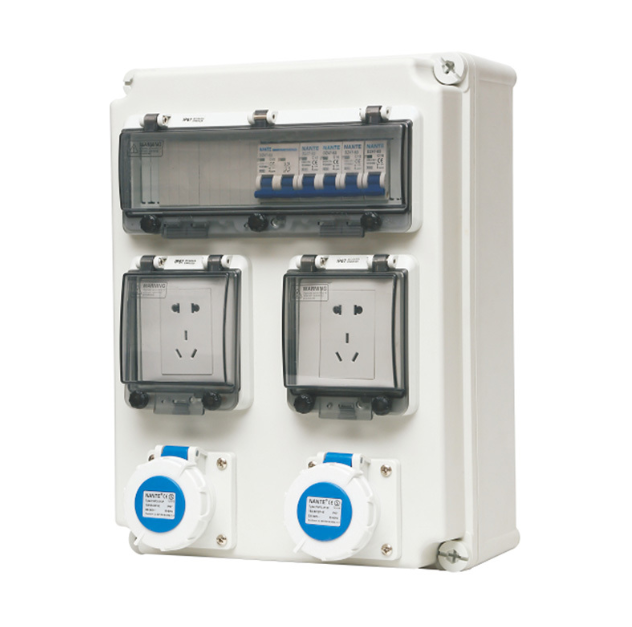
As building projects become more diverse, socket box requirements are also changing. Residential renovations, commercial construction, and customized electrical layouts all create different demands.
The choice is no longer only about finding a box that fits into the wall. Buyers are paying more attention to design, application, installation methods, and long-term practicality.
Tiny electrical fittings can make or break the progress of any wiring job, and socket back boxes are a good case in point.
On building sites, electricians need a sturdy housing to sort out all wiring leads before mounting switches and sockets. A well-fitted box keeps wiring tidy and cuts down endless rework further down the line.
Plastic socket boxes are widely used across construction work for their flexible installation. They are light and simple to carry, which saves plenty of hassle when fitting hundreds of them throughout a property.
They also stand out thanks to versatile design. Plastic can be moulded into all sorts of sizes and forms, so factories can produce variants to suit every installation scenario.
Whether it's a brand-new residential build or a renovation overhaul, contractors tend to pick these boxes as they fit the practical demands of today's electrical installations.
Once the wall finishes are up, these boxes stay hidden out of sight, yet they play a key role long before any wall covering goes on.
Not every electrical project uses the same type of socket box. The right choice depends on where the box will be installed and how the wiring system is arranged.
Some projects require boxes placed inside walls, while others may need external mounting solutions. Different designs have developed to match these situations.
Common types include:
| Type | Common Application |
|---|---|
| Flush Mount Socket Box | Used when the box is installed inside the wall surface |
| Surface Mount Socket Box | Suitable for external installation areas |
| Single Socket Box | Designed for one electrical point |
| Multiple Socket Box | Used when several connections are arranged together |
| Junction Box Style | Used for organizing wire connections |
Flush mount designs are often seen in residential construction because they create a cleaner appearance after installation.
Surface mount options are useful in places where cutting into the wall is not practical or where external wiring arrangements are preferred.
Multi-point designs can be helpful in areas where several electrical connections are needed in one location.
Choosing the right type depends on the actual installation situation rather than simply selecting the common option.
The use of socket boxes extends across many building environments.
In residential projects, they are found behind wall switches, power outlets, and other electrical points. Every room may have different requirements, so the installation layout needs careful planning.
In commercial buildings, electrical points are often more numerous. Offices, retail spaces, and public areas may require organized wiring systems to support different equipment and functions.
Renovation projects also create strong demand for socket boxes. Older buildings may need updated electrical layouts, and installers often need products that can work with existing structures.
| Application | Typical Use |
|---|---|
| Homes | Wall switches and power outlets |
| Offices | Equipment and lighting connections |
| Retail Areas | Display and service electrical points |
| Renovation Projects | Replacement and upgrading work |
The wide range of applications shows why there is no single solution for every project.
A product suitable for one environment may not be the right choice for another. Understanding the installation background is an important part of the selection process.
A socket box may look simple, but several details can influence whether it fits a project properly.
Many buyers begin with price comparison, but experienced purchasers usually look at the complete situation.
The installation environment is one of the main points.
A box used in a new building project may have different requirements from one used during renovation. Wall conditions, installation methods, and wiring plans can all affect the choice.
The internal space of the box is another consideration. Electrical connections need enough room for proper arrangement. A design that is too limited may create difficulties during installation.
The structure of the box also matters. Features such as fixing methods and overall design can influence how easily installers complete their work.
Important selection points include:
The better choice is not always the one with the low purchase cost. A suitable product should match the actual working conditions.
Little design touches on electrical fittings really change how smooth an electrician's fitting work goes.
Socket boxes have to fit well with wall frames and matching electrical fixtures. If the design doesn't suit the way tradesmen usually install them, workers end up spending extra time modifying each unit on site.
Well-thought-out layouts make tidying wiring far simpler, and help electricians finish each fitting much faster.
These small advantages add up massively on big construction sites. A single build can require hundreds, even thousands of power points, so every box needs to be uniform and reliable.
The space layout inside each box also dictates how cables sit neatly. A well-organized interior gives installers plenty of room to run wires without tangles.
That's why experienced tradespeople always check out socket box designs ahead of kicking off a wiring job.
No one sees these boxes once walls are plastered and decorated, yet the whole ease of installation hinges on their design long before the final wall finishes go up.
Material selection influences how a socket box performs during installation and use.
Plastic has become a widely used option because it offers flexibility in manufacturing and allows different designs to be created.
For construction projects, handling convenience is also a practical concern. Workers often need to install many components within a limited period, so easy handling can make the process smoother.
Plastic materials also allow manufacturers to develop products for different applications. This flexibility helps meet the needs of various building designs.
However, material alone does not decide whether a socket box is suitable.
A good selection involves looking at the complete product design, installation conditions, and project requirements.
The material is only one part of the decision-making process.
Electrical systems are becoming more organized as buildings require more connections and equipment.
Modern construction is not only focused on installing electricity. It also considers how electrical systems can remain manageable during future use and maintenance.
Electrical socket boxes contribute to this process by creating dedicated spaces for electrical points.
In renovation work, flexible installation solutions are especially valuable. Older buildings often have different layouts, and installers need products that can adapt to changing conditions.
Commercial projects also benefit from organized electrical planning. Offices and business spaces usually require many connection points, making proper installation preparation important.
As building designs continue to develop, small components like socket boxes are receiving more attention from contractors and buyers.
When comparing products, buyers often focus on visible factors such as appearance and price. However, hidden details can affect the final decision.
A practical comparison may include:
| Consideration | Reason |
|---|---|
| Product Design | Determines installation suitability |
| Application Match | Ensures the box fits the project environment |
| Material Choice | Relates to handling and usage needs |
| Supplier Reliability | Influences future purchasing consistency |
| Installation Requirements | Affects construction efficiency |
For contractors, distributors, and project managers, choosing the right socket box is part of creating a smoother installation process.
A small component inside the wall can influence the quality and organization of the entire electrical system.
The plastic electrical socket box may not be visible after construction is complete, but its role begins long before the finished building is ready for use.
 +86-577-62731897
 shireen@nante.com
 No.688 chezhan Road, Liushi town, Wenzhou, China
Copyright © 2024 Fly-Dragon Electrical Co., Ltd. All Rights Reserved.
 浙公网安备33038202003041号
 Privacy
Outdoor Socket Box Factory & Outdoor Electrical Distribution Panel Factory



 English
 Español
 Português
 Deutsch