What Components Are Inside Distribution Board and How Do They Work
A distribution board is usually one of the least noticed parts of an electrical system. It sits quietly on a wall, behind a cover, while lights, appliances, and equipment continue working throughout a building.
Open the cover, however, and the structure becomes much more interesting. Inside are different electrical parts arranged in a careful order. Each one has a specific job. Some control the incoming power. Some separate circuits for different areas. Some keep connections clear and manageable.
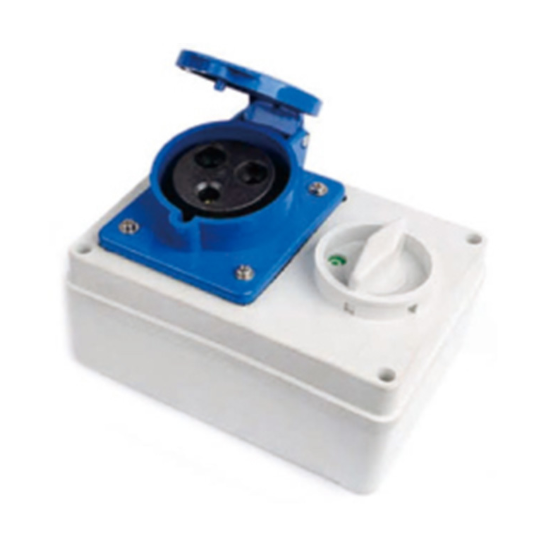
For many people, the outside of a distribution board is the only part they ever see. In electrical projects, the internal arrangement often receives more attention because it affects how the whole system is managed.
As buildings become more dependent on electricity, understanding what happens inside a distribution board has become useful for property owners, buyers, and project teams.
Electrical systems are no longer limited to a few basic connections. Homes, offices, shops, and industrial spaces often have many separate electrical needs.
A single building may include lighting circuits, equipment connections, and different areas that need independent control. The distribution board provides a place where these circuits can be arranged.
The internal space of the board works like a small electrical management area. Every wire and component has its own position.
When the arrangement is clear, checking the system becomes easier. When changes are needed later, technicians can understand the circuit structure more quickly.
This is one reason buyers are paying more attention to internal design instead of only looking at the outer appearance.
A distribution board is not simply a container. The parts inside decide how electricity is controlled after it enters a building.
Although designs can vary depending on different applications, many distribution boards contain several common components.
Each part has a different function. Together, they create a system that controls and separates electrical circuits.
| Component | Purpose Inside the Distribution Board |
|---|---|
| Main Switch | Controls the connection of the incoming electricity |
| Circuit Protection Devices | Manage separate circuits and respond to electrical issues |
| Busbar System | Provides an organized connection path |
| Neutral Bar | Keeps neutral connections arranged |
| Earth Bar | Provides grounding connection points |
| Mounting Structure | Holds internal parts in the correct position |
The arrangement of these parts is not random. A well-planned layout allows electricity to move through different circuits in a more controlled way.
For installers, the internal structure affects how easily the board can be connected. For maintenance teams, it affects how quickly they can understand the system.
Main switches are normally fitted right at the power inlet of a distribution box.
Its job is simple: it cuts or connects the main power feed leading into all the internal wiring.
Flip the switch to the on position, and power flows from the mains terminal to every separate circuit inside. Turn it off, and the whole power supply gets disconnected at once.
That's why this main switch acts as the core power cutoff point.
It's vital to have an easy way to shut down power when carrying out electrical checks or repairs. Engineers always locate this main switch first before touching any other parts inside the panel.
The main switch won't split power out to individual circuits on its own, but every electrical path within the box runs through it first.
Where it's mounted and how it links up with other parts are all carefully planned out in the panel's internal layout.
Inside a distribution board, different circuits usually have their own protection components.
A building does not normally rely on one single electrical path. Separate circuits allow different areas and equipment to be managed independently.
Circuit protection devices help monitor these individual sections. When an electrical problem occurs, the affected area can be identified more easily.
This arrangement is practical for everyday use. A problem in one part of a building does not always require the entire electrical system to be checked.
For example, maintenance workers can focus on a specific circuit instead of searching through every connection inside the board.
The position and organization of these devices influence how easy the system is to understand.
A crowded internal layout may create difficulties. A clear arrangement allows each circuit to be recognized more quickly.
Distribution boxes don't have much room inside. All kinds of wiring terminals have to fit neatly in the casing, while staying simple enough for workers to handle.
Busbar systems fix this cramped layout problem perfectly.
Rather than scattering messy separate wire joints all over the panel, busbars arrange all power connections in a tidy unified structure.
This keeps the whole internal layout neat and orderly.
When fitting the panel up, this streamlined setup cuts down wiring mix-ups. Later on for repairs, electricians can quickly tell every terminal apart without guessing.
Most people never notice busbars since they're tucked away under the panel cover. Even so, they're critical parts that keep the box interior well-organized.
Electrical setups keep growing more complex these days, so manufacturers pay far more attention to internal layout when designing new distribution boards.
Neutral and earth bars may not be familiar to many users, but they are common parts found inside distribution board .
The neutral bar provides a place where neutral wires from different circuits can be connected and arranged.
The earth bar is used for grounding connections. It plays a role in creating a safer electrical setup.
These components mainly focus on organization. Without clear connection points, the internal wiring could become difficult to follow.
For technicians, a properly arranged neutral and earth connection area makes inspection work more convenient.
The importance of these parts is often noticed during installation or maintenance rather than daily operation.
They may not attract attention, but they are necessary pieces of the internal structure.
A distribution board can contain many parts in a small space. Because of this, internal layout becomes an important consideration.
A clear arrangement allows technicians to identify switches, protection devices, and connection areas without unnecessary confusion.
Maintenance is not only about repairing problems. It also involves checking connections, making adjustments, and understanding how the electrical system is arranged.
A practical internal layout can save time during these tasks.
Some common layout considerations include:
These details may seem small when looking at a finished distribution board, but they can influence the experience of using and maintaining the system.
When purchasing a distribution board, many buyers focus on the external box, installation location, or general appearance.
The internal structure deserves the same attention.
Different projects have different electrical requirements. A small residential building and a commercial space may need different circuit arrangements.
Before making a choice, buyers can consider several questions:
A good selection process starts with understanding the actual project requirements.
The distribution board should fit the electrical system rather than simply filling a basic installation need.
Electrical demand continues to change. Buildings now use more devices, more connected equipment, and more complex power arrangements.
Because of this, distribution boards are receiving more attention in project planning.
The basic purpose remains the same. Electricity enters the board and is divided into different circuits. However, the internal organization is becoming more important.
Manufacturers and electrical professionals are focusing more on cleaner layouts, easier maintenance, and practical designs.
For buyers, this means the inside of a distribution board is becoming just as important as the outside.
The switches, connection points, and protection components hidden behind the cover all work together to create a manageable electrical system. Understanding these parts gives users a clearer view of how power is organized inside modern buildings.
 +86-577-62731897
 shireen@nante.com
 No.688 chezhan Road, Liushi town, Wenzhou, China
Copyright © 2024 Fly-Dragon Electrical Co., Ltd. All Rights Reserved.
 浙公网安备33038202003041号
 Privacy
Outdoor Socket Box Factory & Outdoor Electrical Distribution Panel Factory



 English
 Español
 Português
 Deutsch