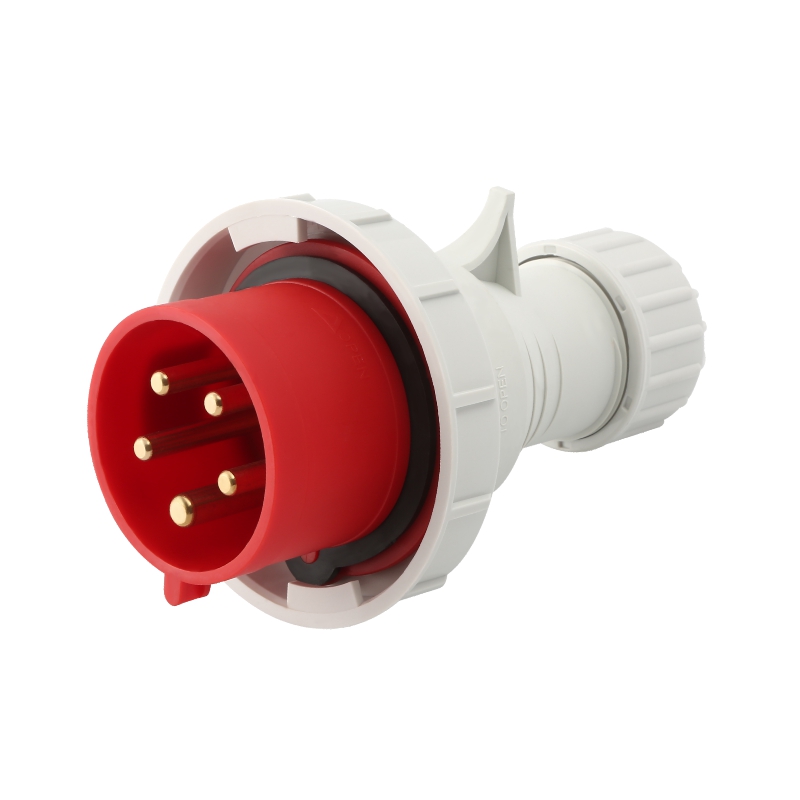
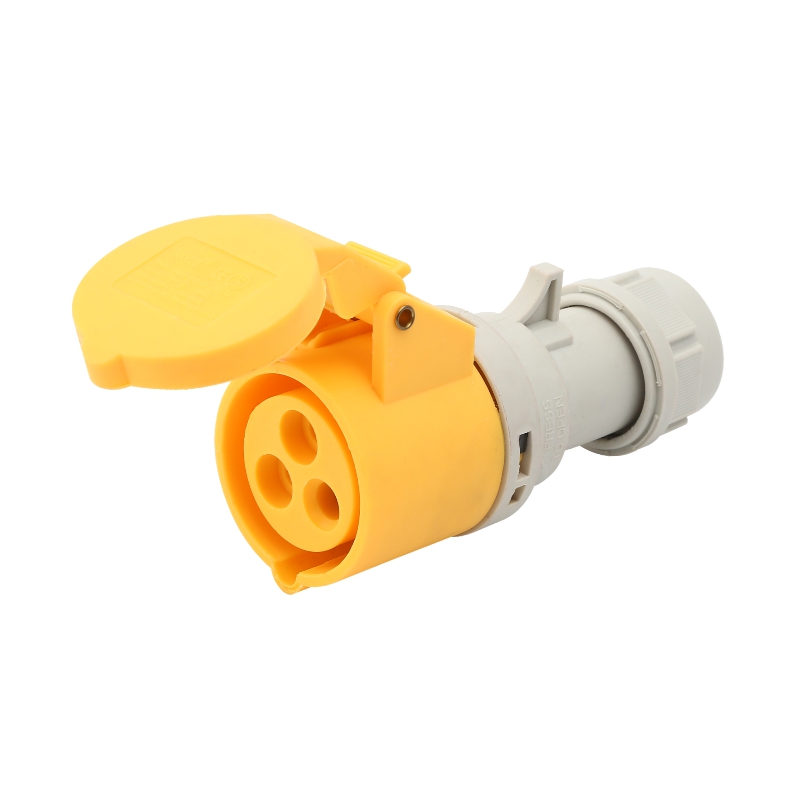
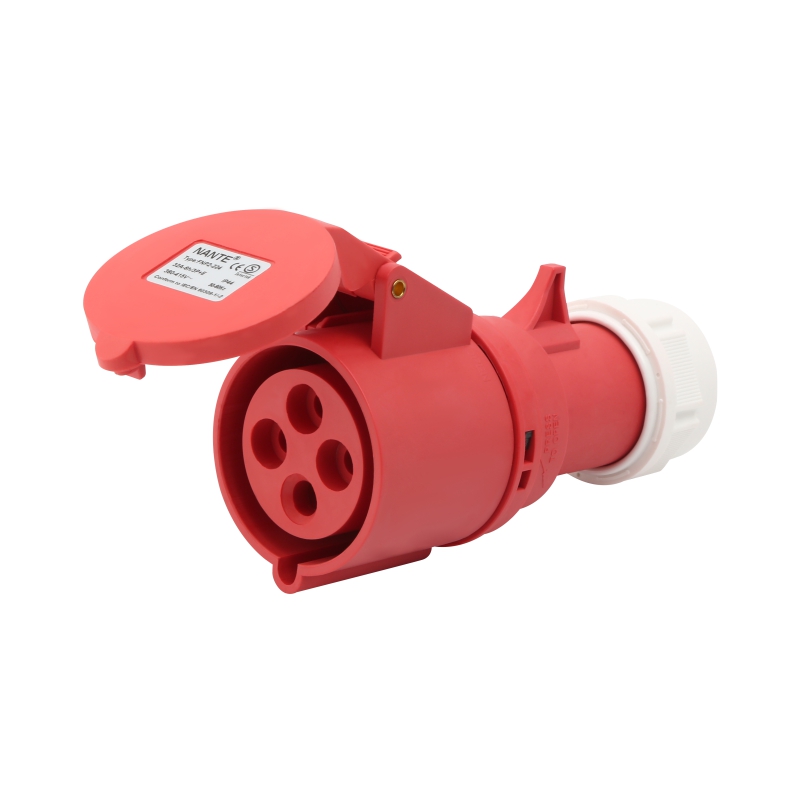
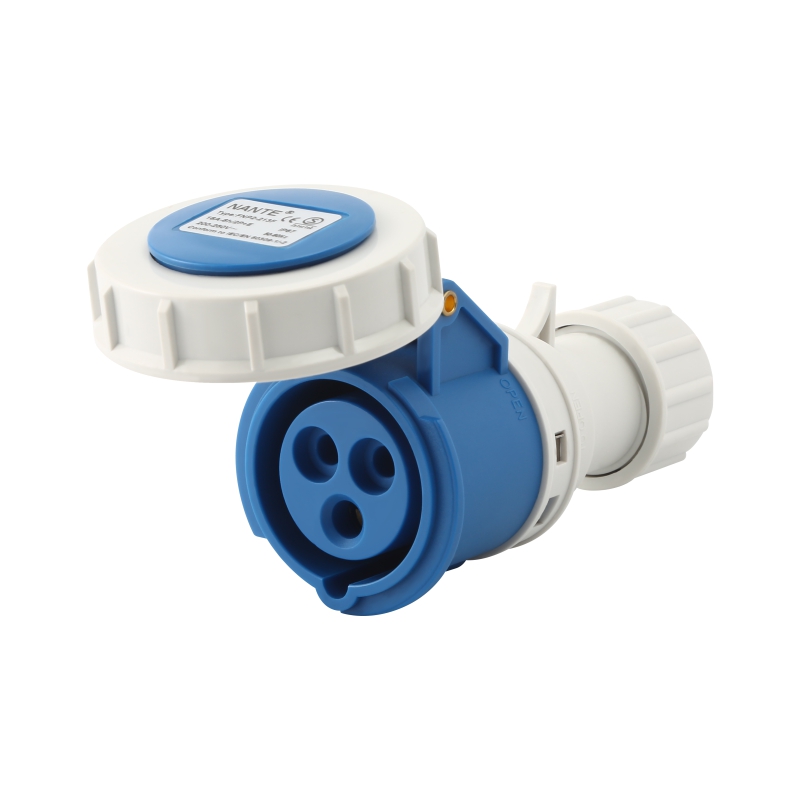
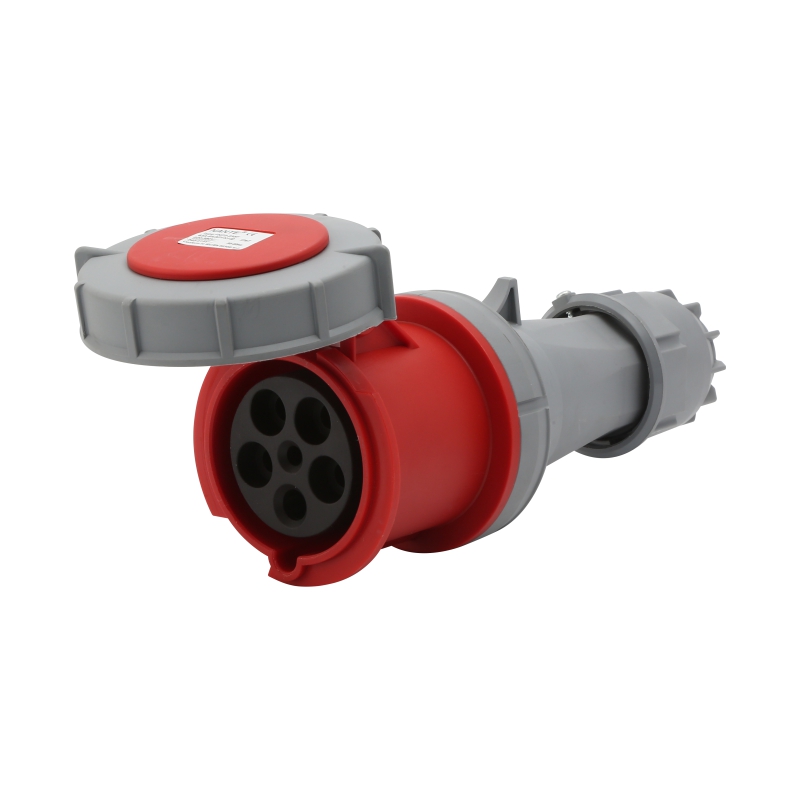
If you're running any kind of power outside—whether it's for the mower, Christmas lights, or a pump in the shed—don't mess around with safety. A proper weatherproof socket box is the one thing that keeps water and crud from turning a simple setup into a real danger.
What is an Outdoor Waterproof Socket Box?
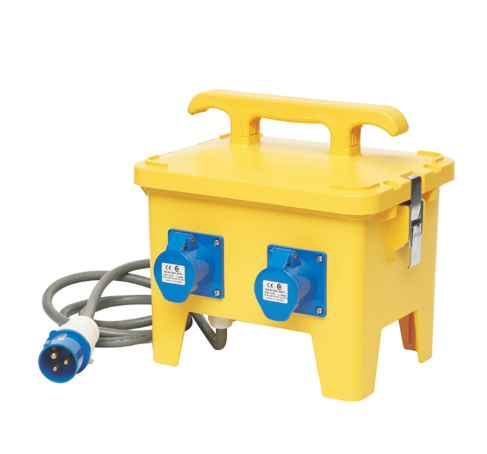
It's basically a rugged cover designed specifically for outdoor electrical outlets, switches, or wiring junctions. The purpose is to protect the live parts from water, debris, dirt, and temperature changes. These are usually built from strong materials like impact-resistant plastic, aluminum, or sealed composites that won't rust or crack easily over time.
Why Do You Need One?
Standard indoor sockets aren't made for outdoor exposure—leaving them unprotected can quickly lead to problems like corrosion, faulty wiring, or worse. Here's the main reasons a proper weatherproof enclosure is worth it:
- Blocks the Elements: Stops rain, snow, moisture, and grime from getting inside and causing damage.
- Better Safety: Cuts down the chances of shocks, short circuits, or electrical fires by keeping everything dry.
- Longer Lifespan: Your outlets and cables stay in good shape longer, meaning fewer fixes down the line.
- Staying Legal: Most areas have rules requiring weatherproof covers for outdoor electrics to meet basic safety codes.
Putting in a decent weatherproof box gives you reliable power outside without worrying about the weather turning things risky.
Key Features to Look for When Choosing an Outdoor Waterproof Socket Box
Navigating the range of outdoor weatherproof socket boxes available can be challenging. To assist you in selecting the best option for your requirements, we have highlighted the primary features that determine performance, safety, and longevity, based on proven results from real installations.
- IP Rating – Protection Standards
- The IP (Ingress Protection) rating is the recognised benchmark for resistance to dust and water. This rating, clearly marked on every compliant unit, uses two digits to specify protection levels.
- First digit: Covers solids and dust. Ratings of 5 or 6 are required for outdoor use; a 6 indicates complete dust-tight sealing that stops particles from affecting contacts or wiring.
- Second digit: Details water protection. IPX4 handles splashing water, IPX5 resists directed jets, IPX6 copes with intense water projection and prolonged heavy rain, while IPX7 permits short-term submersion. We generally recommend at least IP65 for external applications, with IP66 delivering outstanding reliability in fully exposed positions.
- Always check the actual marking on the product to confirm it suits the level of exposure at your installation site.
- Material Composition
- The material used in construction plays a major role in overall durability and resistance to environmental stress.
- Polycarbonate: Strong, impact-resistant, and UV-stabilised plastic that remains effective across temperature extremes. It is lightweight yet highly durable, making it our standard recommendation for most domestic and light-duty commercial projects.
- ABS Plastic: Provides robust impact resistance and solid weather protection at an accessible price point, performing well in partially sheltered locations.
- Stainless Steel: Delivers superior strength and complete corrosion resistance. Best suited to coastal installations, industrial sites, or areas at risk of mechanical damage or unauthorised access.
- Aluminium (protected finish): Offers an excellent balance of low weight and high corrosion resistance, particularly valuable in marine or elevated mounting scenarios.
- Material selection should reflect local conditions — metallic constructions are preferable in harsh or saline environments, whereas high-quality plastics offer dependable service in typical residential gardens, patios, and driveways.
- Dimensions and Layout Options
- Correct internal capacity is vital for safe wiring practice and ease of installation. Sufficient space must be allowed for the socket mechanism, cable glands, and proper cable bends to avoid strain.
- Consider the intended usage when deciding on configuration:
- Single, double, or multiple socket (gang) versions to match the number of devices you expect to connect at once.
- Selected models now incorporate sealed USB charging outlets, enabling direct outdoor charging of phones, tablets, and other devices without separate adaptors.
- Planning the right size and specification upfront guarantees a clean, compliant installation and avoids the inconvenience of later upgrades or replacements.
- Ease of Installation
- A well-designed weatherproof socket box should install quickly and without complications. Look for models supplied with comprehensive fitting instructions, all required fixings (screws, seals, wall plugs), and any mounting brackets needed.
- Many units are engineered for simple surface mounting on walls, posts, or fences, while others may suit flush installation. Always confirm compatibility with your existing cables and socket types before purchase. If in doubt, we strongly recommend consulting a qualified electrician to guarantee full compliance with local wiring regulations.
- Security and Safety Mechanisms
- For installations in accessible or public areas, consider boxes equipped with a key-lockable cover to prevent unauthorised access and minimise risks.
- Additional useful safety features include spring-loaded or self-closing flap covers that automatically seal the sockets when not in use, providing ongoing protection against rain, dust, and debris even when no plug is inserted.
- UV Stability
- Constant sunlight exposure can degrade lower-quality plastics and seals, leading to cracking, brittleness, and loss of weatherproofing. Choose enclosures specifically rated as UV-resistant or UV-stabilised to maintain structural integrity, colour, and sealing performance throughout years of outdoor service.
Types of Outdoor Weatherproof Socket Boxes Available
We offer a range of configurations to suit different applications:
- Single-Gang Boxes: Compact units housing one standard socket – perfect for basic requirements such as garden lighting or occasional tool use.
- Double or Multi-Gang Boxes: Larger enclosures accommodating two or more sockets, ideal for areas needing simultaneous power for several devices.
- Surface-Mounted Boxes: Fixed directly onto walls, fences, or posts – straightforward to install and widely used for retrofits or exposed locations.
- Recessed (Flush-Mounted) Boxes: Set into the wall or surface for a discreet, integrated appearance, commonly specified in patios, decking, and new-build projects.
Choosing the correct outdoor weatherproof socket box involves balancing your specific usage requirements with essential safety and durability criteria. Key elements include the IP rating, construction material, physical size, installation practicality, and any additional features such as integrated USB ports or lockable covers.
At Nante, our team is always available to provide expert guidance and help you identify the most suitable solution for your project. Investing in a quality weatherproof socket box ensures safe, dependable power for garden tools, lighting, audio systems, and more – delivering years of reliable service in all weather conditions.
We take pride in supplying premium products that prioritise both performance and safety. With a Nante weatherproof socket box, you gain lasting convenience and complete confidence in your outdoor electrical setup.
 +86-577-62731897
 shireen@nante.com
 No.688 chezhan Road, Liushi town, Wenzhou, China
 浙公网安备33038202003041号
 Privacy



 English
 Español
 Português
 Deutsch