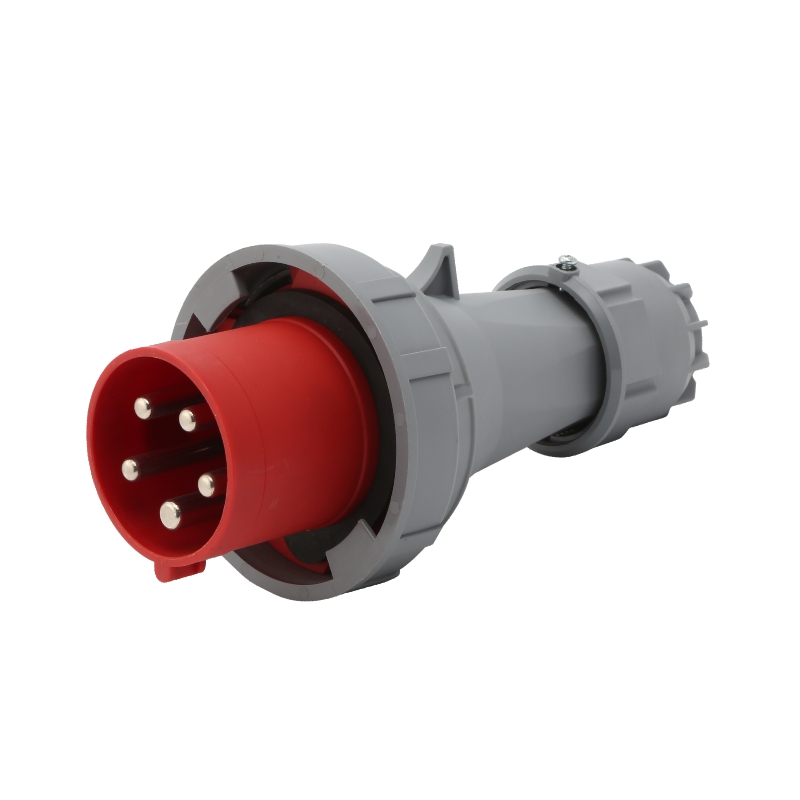
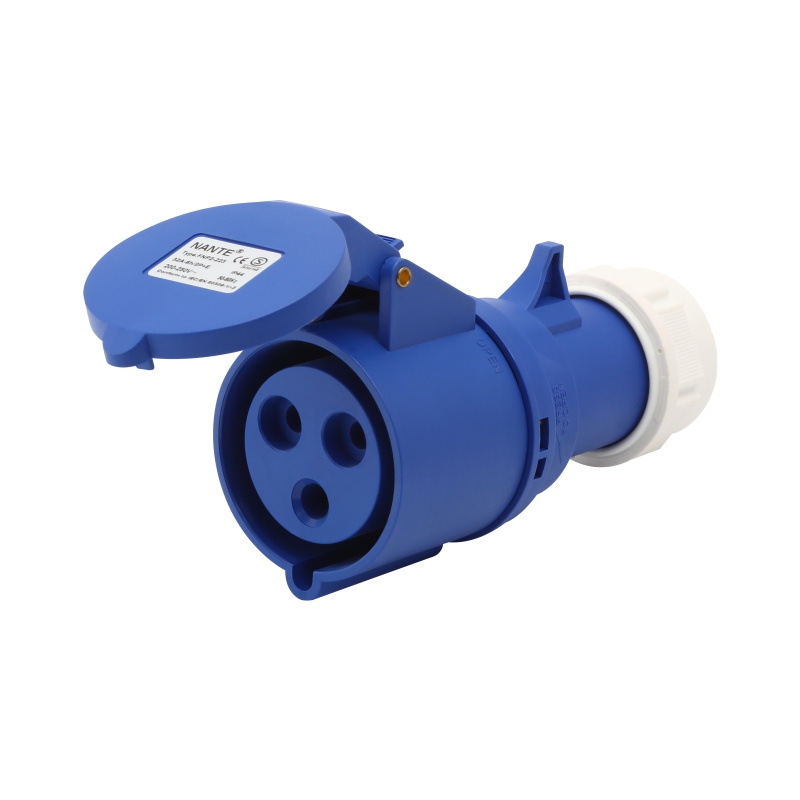
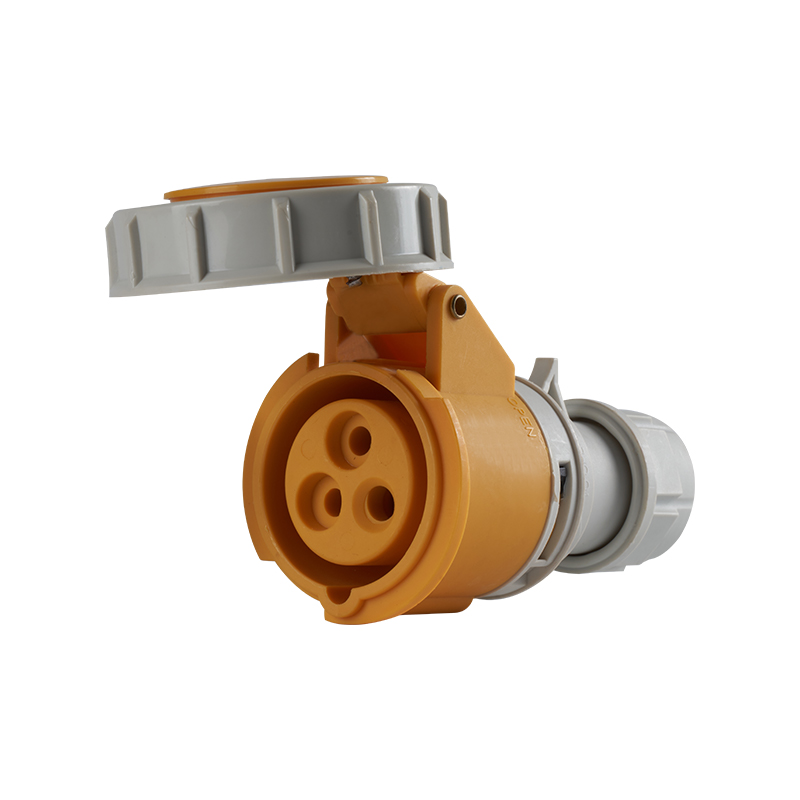
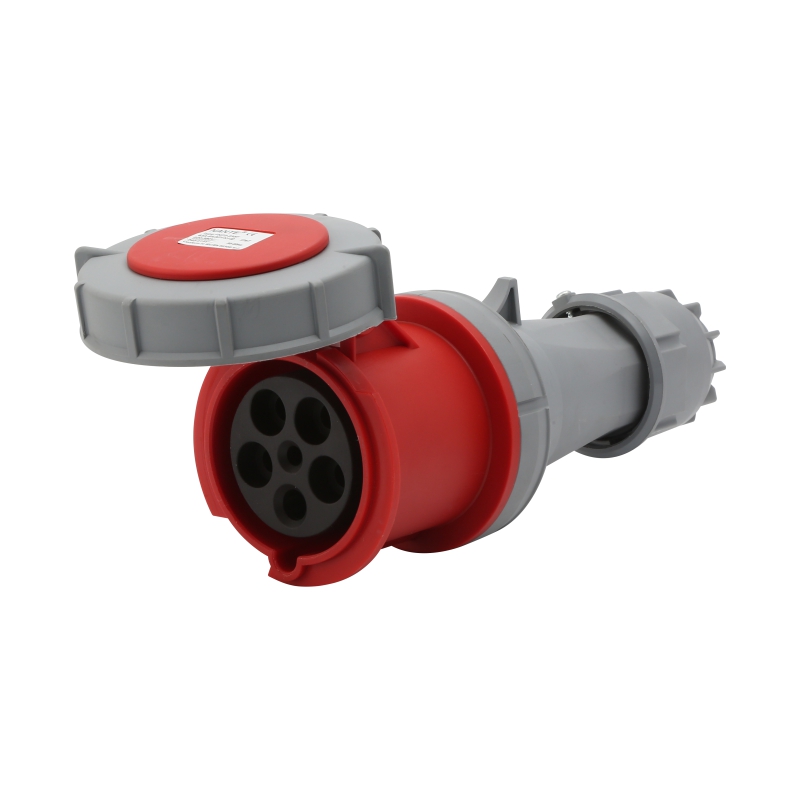
Weatherproof Electric Box for Outdoors: Protecting Electrical Components in Changing Environments
 Home / News / Industry News / Weatherproof Electric Box for Outdoors: Protecting Electrical Components in Changing Environments
 Modern residential and commercial spaces rely heavily on outdoor electrical setups these days. People install landscape lighting around homes, mount exterior power equipment for commercial buildings, and run all kinds of electrical devices in open-air areas. This common shift has pushed up real demand for durable protective gear that can stand up to ever-shifting outdoor conditions.
Outdoor settings differ drastically from controlled indoor spaces. Wind, rain, humid air, dust buildup and constant sunlight all wear away at exposed electrical connections over time. Without proper shielding, outdoor wiring and components become prone to faults. This not only makes routine repairs harder but also complicates daily site management for electrical systems.
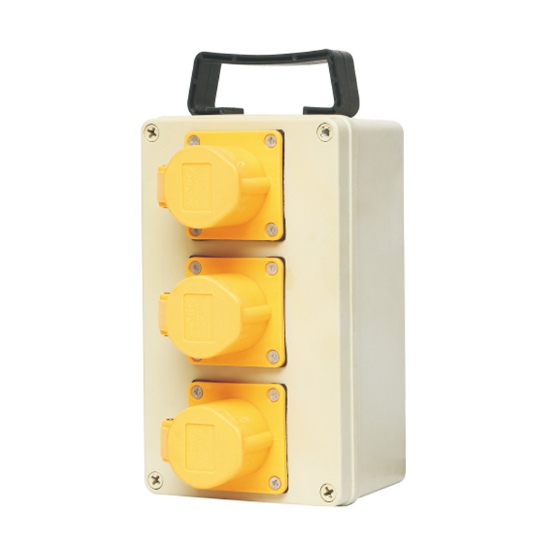
A weatherproof electric box for outdoors solves this practical problem well. It safeguards all kinds of outdoor electrical parts while keeping on-site wiring neat and orderly. Workers can store exposed wiring joints, control modules and other external electrical components inside this fully shielded enclosure, securing stable performance in open environments year-round.
As outdoor electrical gear becomes more mainstream, end users and construction teams have raised their standards for protective enclosures. Modern projects no longer settle for basic protective products. Instead, they need tailored solutions that fit unique space layouts, speed up field installation, and match specific on-site working conditions.
Outdoor electrical installations face far more environmental interference than indoor ones. Indoor devices work in stable, fixed conditions, while outdoor equipment has to endure unpredictable weather changes throughout every season.
Moisture poses the biggest daily threat. Rainwater and lingering humidity can corrode unprotected electrical joints and trigger connection failures. Open-air sites also accumulate large amounts of floating dust and debris, which build up on component surfaces and gradually compromise system performance.
A weatherproof electric box for outdoors creates a solid barrier between internal electrical parts and harsh external elements. It helps organize messy outdoor wiring layouts and lets field workers manage external electrical connections in a much cleaner, more systematic way.
These practical enclosures serve a wide range of on-site scenarios, covering residential, commercial and industrial projects:
| Application | Installation Purpose |
|---|---|
| Outdoor lighting systems | Protecting wiring and connection areas |
| Garden equipment | Supporting outdoor electrical arrangements |
| Security devices | Keeping electrical parts protected |
| Commercial facilities | Managing outdoor electrical installations |
| Industrial areas | Supporting equipment placed in open environments |
With more electrical devices moving outdoors every year, protective enclosures are no longer just optional accessories. They have evolved into a fundamental component of complete outdoor electrical construction plans.
Conditions outside never stay consistent. One quick swing in the weather can bring a whole set of ongoing headaches for wiring and gear that's left uncovered.
Rain is easy to spot as a threat, yet moisture from muggy air and trapped condensation often flies under the radar. Even if water never splashes directly on components, damp air slowly eats away at wire joints, leading to spotty power flow down the line.
Dust buildup creates another common, underrated problem. Roads, garden plots, building sites and factory yards kick up way more floating debris than indoor spaces. This grit settles onto electrical hardware, wearing surfaces down, breaking connections and opening the door to equipment breakdowns.
Lots of outdoor wiring setups get tucked into tight crevices, out-of-sight nooks or awkward spots that are tough to access later. That's why the shape and build of your protective box make such a big difference to how easy the whole system is to use years after installation.
Tradesmen regularly deal with these outdoor wiring hurdles:
A solid weatherproof box fixes many of these issues. It creates a stable, clean space for all outdoor components, keeps wiring neat and cuts down the hassle of day-to-day checks and repairs.
No two outdoor construction projects are exactly alike. Every installation site has unique spatial conditions, functional goals and long-term operating environments.
Home garden lighting projects prioritize quick installation and a low-profile look that blends with landscapes. Commercial buildings require multiple distributed outdoor power points to support facility operations. Industrial sites need robust solutions to sustain large-scale electrical systems in open work areas.
Since project needs vary so widely, flexible, scenario-specific electrical protection solutions have become indispensable. A weatherproof electric box for outdoors adapts perfectly to diverse job requirements through practical, targeted structural tweaks.
Residential Outdoor Areas
Home outdoor setups usually include landscape lighting, exterior surveillance cameras and automatic garden systems. Enclosures for residential use focus on reliable component protection while maintaining a clean, unobtrusive look that fits residential outdoor aesthetics.
Commercial Spaces
Commercial outdoor electrical equipment powers building signage, exterior lighting and public facility systems. These devices need regular routine checks, so corresponding enclosures are designed for easy access and standardized wiring management to cut down maintenance time.
Industrial Environments
Industrial outdoor sites feature complex equipment layouts and harsh working conditions. Protective enclosures used here need strong environmental adaptability to ensure industrial electrical systems run steadily for years on end.
This strong versatility across residential, commercial and industrial fields explains why weatherproof electric boxes are widely adopted across the construction industry.
Picking the right outdoor electrical box starts with a full assessment of on-site installation conditions. Different project types call for customized design and configuration solutions rather than one-size-fits-all products.
Installation location tops the list of key factors. Enclosures fitted in residential gardens, commercial exteriors and industrial work zones all require distinct protection grades and structural designs.
Internal space layout also makes a huge difference. A well-planned internal structure allows neat placement of electrical components and orderly cable routing, making both initial installation and later upkeep much simpler.
Users also need to factor in future maintenance frequency. Some systems require monthly routine checks, while others only need annual inspections, which determines the enclosure's access structure and opening design.
| Consideration | Why It Matters |
|---|---|
| Installation location | Determines the suitable product design |
| Internal arrangement | Keeps electrical parts organized |
| Maintenance access | Supports easier future management |
| Installation method | Matches different project conditions |
| Custom requirements | Provides more flexibility |
A qualified outdoor electrical box is never just a basic protective shell. It must coordinate fully with the entire electrical system to guarantee stable, long-term field operation.
Generic electrical boxes handle basic, straightforward jobs well enough, yet they rarely fit complex outdoor setups with special space or layout limits.
Most outdoor job sites come with odd layout shapes, barely enough room for mounting, bespoke cable paths and specific spots to fit hardware—none of which standard ready-made boxes can properly accommodate.
Custom weatherproof electrical enclosures fix these pain points by being built around actual site conditions. Builders can adjust a wide range of features as needed:
Take landscaping work as an example: installers want slim, unobtrusive boxes that don't ruin the look of garden decor. Commercial premises, meanwhile, lean toward quick-access lids to cut time on regular service runs. At its heart, custom work ensures the housing sits naturally within its surroundings and matches how crews will use the equipment day to day.
Trustworthy suppliers will sit down with customers to hash out every detail ahead of manufacturing. By sorting out all on-site usage demands upfront, they craft custom units that solve real field problems instead of delivering generic, ill-fitting casings.
Developing a high-quality Waterproof Outdoor Box for Sockets involves far more than simple shell manufacturing. Manufacturers have to simulate real-world outdoor operating conditions strictly to guarantee stable field performance.
The whole development process starts with in-depth demand research. Production teams collect key details including installation location, equipment matching standards and maintenance cycles to finalize the practical design scheme.
A complete, user-centric product development workflow covers four core aspects:
Understanding the Application
Different outdoor environments bring unique operational challenges. Manufacturers must clarify local climate features, spatial limits and potential environmental hazards to define accurate protection standards.
Improving Product Design
Product structures are optimized to balance robust protective performance and installation convenience. This design logic fully shields internal electrical components while reducing on-site construction workload for workers.
Supporting Different Project Requirements
Residential, commercial and industrial clients all have distinct functional expectations. Flexible manufacturing modes allow factories to deliver exclusive solutions for diverse application scenarios.
Considering User Experience
Installation efficiency and daily maintenance simplicity are key indicators of product quality. Every structural optimization is designed to make field operation easier for construction and management personnel.
Close communication and cooperation between manufacturers and end users remain the foundation of high-quality outdoor electrical protection products.
Material selection directly determines an outdoor electrical enclosure's protective capability and service lifespan. Different application environments require matched material properties to sustain long-term stable operation.
All materials used for outdoor electric boxes are specially optimized for open-air use. The final material selection depends on actual installation surroundings and daily operating conditions, striking a balance between durability, practicality and cost efficiency.
General residential and commercial scenarios favor lightweight, easy-to-install materials, while harsh industrial sites require high-strength structural materials. Professional surface treatments also greatly boost resistance against ultraviolet rays, corrosion and aging in outdoor settings.
| Material Consideration | Application Focus |
|---|---|
| Lightweight materials | Suitable for many general outdoor uses |
| Strong structural materials | Used for demanding installation areas |
| Protective finishes | Considered for outdoor environments |
Manufacturers keep upgrading material formulas and surface processing techniques to better balance protection performance, usability and installation efficiency. For buyers, analyzing specific on-site environments before material selection is essential to avoid mismatched products and ensure long-term operational stability.
Outdoor electrical applications are expanding rapidly across all industries. Residential communities, commercial venues and public facilities are adding more outdoor electrical equipment every year, driving steady growth in demand for reliable protective solutions.
Outdoor lighting systems, external monitoring devices, outdoor control panels and various electromechanical installations all fuel this market expansion trend.
As application scenarios grow more diverse, users no longer settle for basic standard products. They prefer flexible, customizable electrical boxes that adapt to unique site conditions and simplify installation and daily maintenance.
Four key market trends are pushing industry development forward:
Weatherproof electric boxes for outdoors have gone beyond basic protective functions. They serve as core system components that standardize outdoor electrical layouts and cut down long-term operational costs.
As outdoor installation environments grow increasingly complex, practical, flexible and highly adaptable electrical enclosures will remain the top choice for various outdoor electrical construction projects.
 +86-577-62731897
 shireen@nante.com
 No.688 chezhan Road, Liushi town, Wenzhou, China
Copyright © 2024 Fly-Dragon Electrical Co., Ltd. All Rights Reserved.
 浙公网安备33038202003041号
 Privacy
Outdoor Socket Box Factory & Outdoor Electrical Distribution Panel Factory



 English
 Español
 Português
 Deutsch