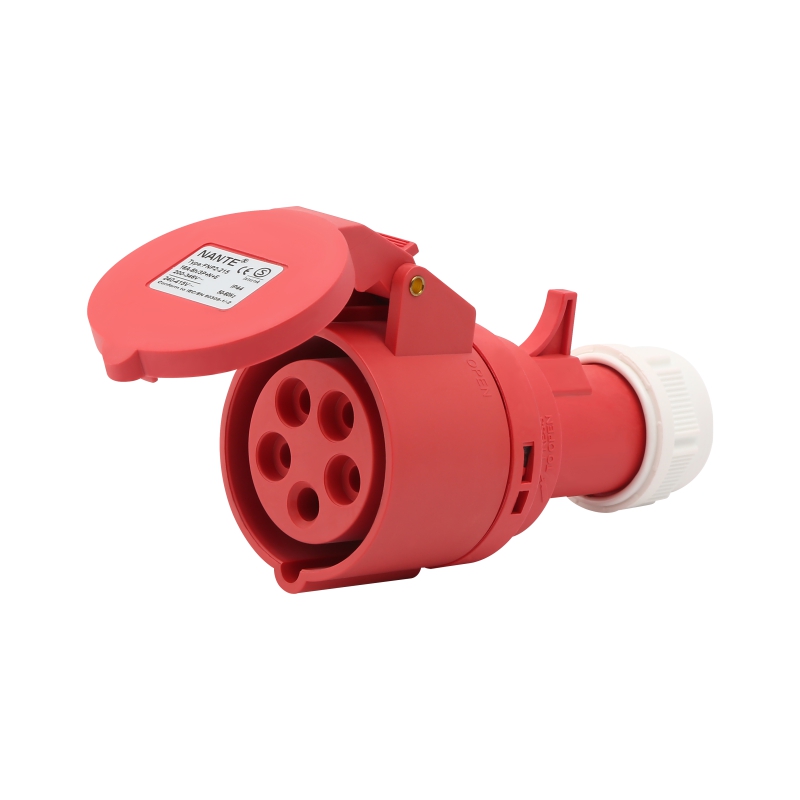
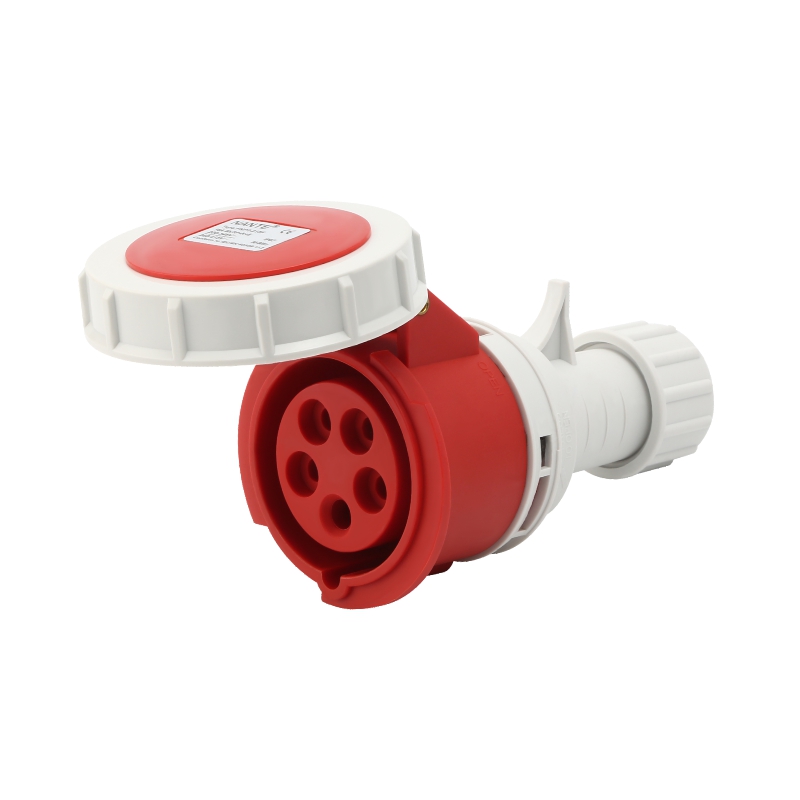
What Is an Outdoor Sealed Electrical Box and Why Is It Used
Electrical facilities installed in open-air environments have become ubiquitous in modern daily spaces. Pathway garden lights, building entrance surveillance cameras, and various outdoor operational equipment all require stable and safe electrical connection systems. Unlike indoor electrical wiring that is well-protected, outdoor circuit layouts are exposed to complex and variable environmental factors. Fluctuating weather, floating dust, persistent moisture and accidental physical impact can all gradually undermine the stability and safety of exposed electrical connections. Against this backdrop, small yet highly practical protective components have become indispensable in outdoor electrical construction, among which the outdoor sealed electrical box stands out as a core protective and organizing device.
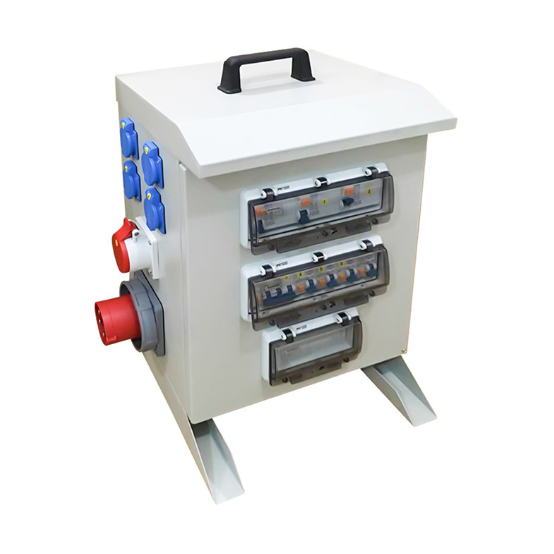
An electrical box is a specialized protective enclosure designed to cover and standardize outdoor circuit joints and wiring components. Though far less eye-catching than large electrical equipment, it effectively standardizes scattered outdoor wiring, reduces environmental interference, and greatly simplifies later inspection and maintenance work. With outdoor electrical applications expanding rapidly in residential, commercial and public infrastructure projects, a clear understanding of the functions and application value of sealed electrical boxes has become essential for property owners, construction installers and engineering planners.
An electrical box refers to a fully enclosed protective casing tailored for outdoor electrical connection scenarios. Its core function is to isolate circuit joints, wires and matching electrical parts from open external environments, avoiding direct exposure to harsh outdoor conditions. Indoor electrical components are naturally shielded by building walls, ceilings and indoor structures, while outdoor wiring lacks fixed protective barriers and is vulnerable to various environmental disturbances. The sealed structure of the electrical box builds a stable, independent protective space for all outdoor circuit connections.
This practical electrical accessory is widely adopted in multiple scenarios involving outdoor power layout, with typical application scenarios and core values listed below:
| Application Area | Common Usage |
|---|---|
| Outdoor lighting | Managing connections for garden and pathway lights |
| Residential spaces | Supporting exterior electrical arrangements |
| Commercial buildings | Organizing outdoor power points |
| Garden projects | Connecting outdoor devices and equipment |
| Public areas | Helping maintain structured electrical layouts |
The working principle of the sealed electrical box is straightforward and practical. It concentrates scattered electrical connection points in a closed protective space, effectively reducing the erosion and damage of outdoor environmental factors to circuits, and laying a foundation for standardized outdoor electrical construction.
Outdoor electrical construction and maintenance are far more demanding than indoor work, mainly due to the uncertainty and variability of open-air environments. Exposed outdoor circuits have to endure alternating weather conditions—dry and dusty on sunny days, humid and wet on rainy days. Temperature differences, pedestrian and equipment activities, and accidental collisions all pose potential threats to the stability of electrical components.
Moisture interference is the prevalent hidden danger for outdoor circuits. Even without direct rain soaking, long-term ambient humidity and damp ground conditions can penetrate unprotected wiring joints, causing circuit aging, short circuits or poor contact. In addition, outdoor environments accumulate large amounts of dust, soil particles, fallen leaves and other sundries, which can easily invade exposed wiring gaps, block circuit interfaces and affect normal power transmission.
Beyond environmental erosion, messy wiring management is another major problem. When multiple outdoor electrical devices are installed in the same area, scattered and unorganized wires will overlap and tangle together, greatly increasing the difficulty of daily inspection, fault troubleshooting and later equipment upgrading. The electrical box precisely solves these pain points by providing a unified, centralized and fully protected wiring carrier for outdoor circuits.
The core value of electrical boxes lies in standardizing and optimizing the entire outdoor electrical installation system. Instead of leaving wires and joints scattered and exposed outdoors, the enclosure integrates all connection points in a fixed, closed space, making the whole circuit layout clearer, more orderly and easier to manage. Its practical advantages in actual engineering applications are reflected in three key aspects.
Standardized Circuit Organization
Outdoor electrical systems are usually gradually expanded with the upgrading of outdoor facilities. New landscape lights, monitoring equipment and entertainment devices are often added in batches in later stages. Without unified wiring planning and protective boxes, circuits will become increasingly messy and disorderly. The sealed electrical box provides a fixed wiring node for outdoor systems, realizing centralized management of circuits and facilitating subsequent incremental construction.
Simplified Daily Maintenance
Outdoor electrical equipment requires regular inspection and maintenance to eliminate potential safety hazards. Centralized wiring inside the sealed box allows maintenance personnel to quickly locate circuit joints and key nodes, without sorting through a large number of exposed messy wires. This greatly improves maintenance efficiency and reduces the difficulty of fault investigation and repair.
Optimized Outdoor Aesthetics
Disordered exposed cables and scattered electrical joints will destroy the overall neatness of outdoor landscapes and building exteriors. The sealed electrical box integrates all wiring points in a hidden and standardized manner, making the outdoor power layout more regular and unified. This advantage is particularly prominent in residential courtyards, commercial outdoor landscapes and public scenic areas with high aesthetic requirements.
Different outdoor scenarios have distinct environmental characteristics and electrical layout demands. Whether it is small-scale residential outdoor facilities or large industrial and public outdoor projects, sealed electrical boxes are essential supporting facilities for safe and standardized power use. The main applicable scenarios and corresponding usage requirements are as follows:
| Location | Reason for Use |
|---|---|
| Gardens and yards | Helps manage outdoor lighting connections |
| Building exteriors | Keeps outside wiring points arranged |
| Parking areas | Supports outdoor equipment connections |
| Industrial spaces | Helps organize electrical layouts |
| Outdoor entertainment areas | Provides a suitable connection location |
In small residential scenarios, sealed electrical boxes are mainly used for simple outdoor lighting and small household equipment circuits. In large-scale commercial and public projects, they serve as key nodes of the overall electrical system, undertaking centralized management of multiple circuit connections. Regardless of the scenario, their core value is to create a safe, orderly and controllable working environment for outdoor electrical connections.
Modern residential outdoor spaces are no longer limited to simple landscape decoration. More families are equipping their courtyards and exteriors with diversified electrical equipment, including garden landscape lighting, outdoor monitoring systems, courtyard water facilities and leisure entertainment equipment, generating a growing number of outdoor power demand scenarios.
For household renovation and courtyard upgrading projects, electrical boxes are highly practical and can be widely applied in backyard transformation, garden lighting layout, exterior wall equipment installation and outdoor space renovation. A well-placed sealed box standardizes household outdoor circuits, avoids messy exposed wiring, and facilitates equipment adjustment and function upgrading in the later stage. When adding new outdoor electrical devices, the centralized wiring node can effectively reduce repeated wiring and circuit modification, saving renovation cost and time.
It is worth noting that the sealed electrical box is only a part of the outdoor electrical system. Scientific overall planning, standardized installation construction and regular daily inspection are still essential guarantees for safe household electricity use.
Commercial outdoor environments feature more complex equipment configurations and denser electrical layouts compared with residential scenarios. Commercial venues usually need to operate outdoor lighting systems, security monitoring equipment, commercial display devices and supporting service facilities simultaneously, putting forward higher requirements for the stability, orderliness and maintainability of electrical systems.
The electrical box provides a unified and standardized wiring solution for commercial outdoor power layouts, bringing multiple practical advantages for commercial operation: it enables staff to quickly identify and manage various circuit connection points, maintains a neat and professional appearance of commercial outdoor spaces, simplifies daily maintenance and regular inspection plans, and realizes orderly management of multiple electrical equipment circuits.
Commercial outdoor areas usually have frequent personnel activities and regular equipment iteration, including equipment replacement, function upgrading and layout adjustment. The standardized circuit structure built by sealed electrical boxes can effectively adapt to dynamic commercial operation demands, reducing the difficulty and cost of later equipment adjustment and system optimization.
Outdoor spaces are becoming more functional. They are no longer only areas for decoration or simple lighting.
Modern outdoor environments may include:
As more electrical products move outdoors, the need for organized connection solutions grows.
Electrical boxes fit into this change because they help integrate electrical systems into outdoor designs without creating unnecessary clutter.
The focus is shifting from simply adding power to creating better-managed outdoor spaces.
This change can be seen in residential, commercial, and public projects. Electrical planning is becoming a larger part of outdoor design discussions.
Lack of standardized sealing and protection for outdoor electrical connections will trigger a series of hidden dangers and usage problems in long-term operation. Unprotected scattered wires and exposed joints are prone to environmental erosion, resulting in accelerated circuit aging and frequent equipment failures.
In actual operation and maintenance, unstandardized wiring will find to four prominent problems: disorderly and overlapping circuit layout that affects overall aesthetics and safety; difficult fault troubleshooting as chaotic wires make it hard to locate abnormal nodes; long-term exposure to wind, rain, dust and humidity that increases circuit damage risks; and extremely inconvenient daily repair and equipment upgrading that raises later maintenance costs.
It should be clarified that the sealed electrical box cannot replace standardized construction specifications and regular maintenance work. It serves as an effective auxiliary measure for outdoor electrical protection. Only by matching high-quality protective equipment with scientific installation technology and complete inspection mechanisms can the long-term stable operation of outdoor electrical systems be guaranteed.
Choosing the right outdoor electrical box depends on where and how it will be used.
A box installed near a garden may face different conditions compared with one used near industrial equipment.
Several points deserve attention.
Location
The installation environment affects what type of protection is needed. Outdoor areas vary greatly in exposure and usage.
Space Requirements
The internal area should allow connections to be arranged clearly. Crowded spaces may make later maintenance more difficult.
Installation Needs
A practical design can make installation and inspection easier.
Long-Term Use
Outdoor equipment is expected to remain useful over time. A suitable enclosure should match the demands of the project.
The right choice comes from understanding the actual working environment rather than selecting only based on appearance.
The continuous expansion of outdoor electrical application scenarios and the upgrading of safety construction standards have promoted the widespread popularity of outdoor sealed electrical boxes. Modern families pursue neat and safe courtyard electricity use, commercial venues pay attention to standardized and manageable outdoor electrical systems, and public infrastructure puts forward higher requirements for the safety and orderliness of outdoor power layouts.
As a simple, efficient and low-cost protective solution, the sealed electrical box perfectly solves various pain points of traditional outdoor exposed wiring. It does not increase excessive construction complexity, but effectively standardizes circuit management, reduces environmental erosion risks, and simplifies later maintenance work.
With the continuous upgrading of modern outdoor space construction, this small but practical electrical accessory has become a key basic component of standardized outdoor electrical engineering, and its application scope and market importance will continue to improve in the future.
 +86-577-62731897
 shireen@nante.com
 No.688 chezhan Road, Liushi town, Wenzhou, China
Copyright © 2024 Fly-Dragon Electrical Co., Ltd. All Rights Reserved.
 浙公网安备33038202003041号
 Privacy
Outdoor Socket Box Factory & Outdoor Electrical Distribution Panel Factory



 English
 Español
 Português
 Deutsch