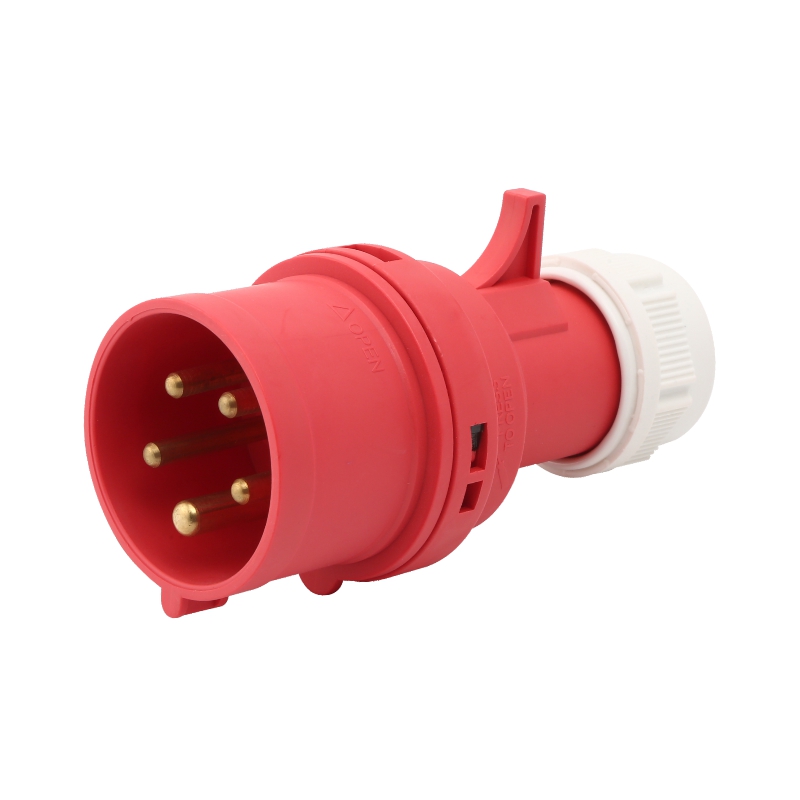
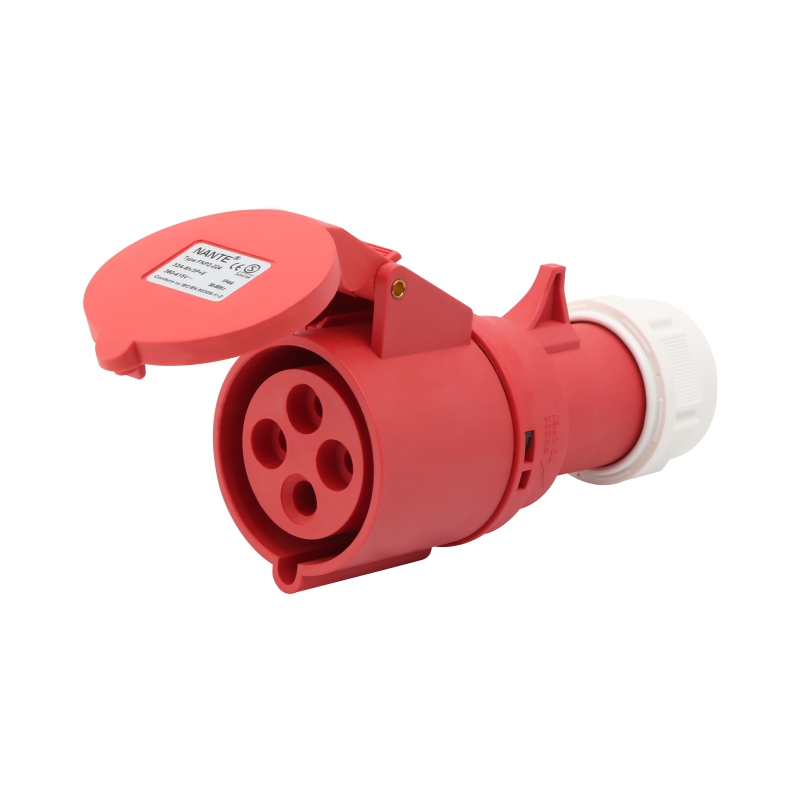
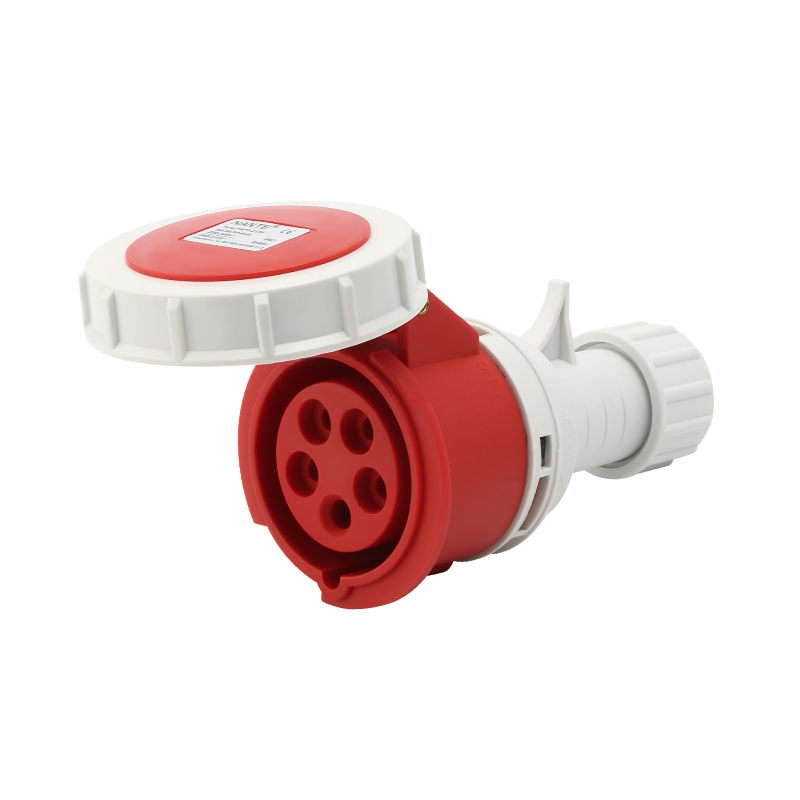
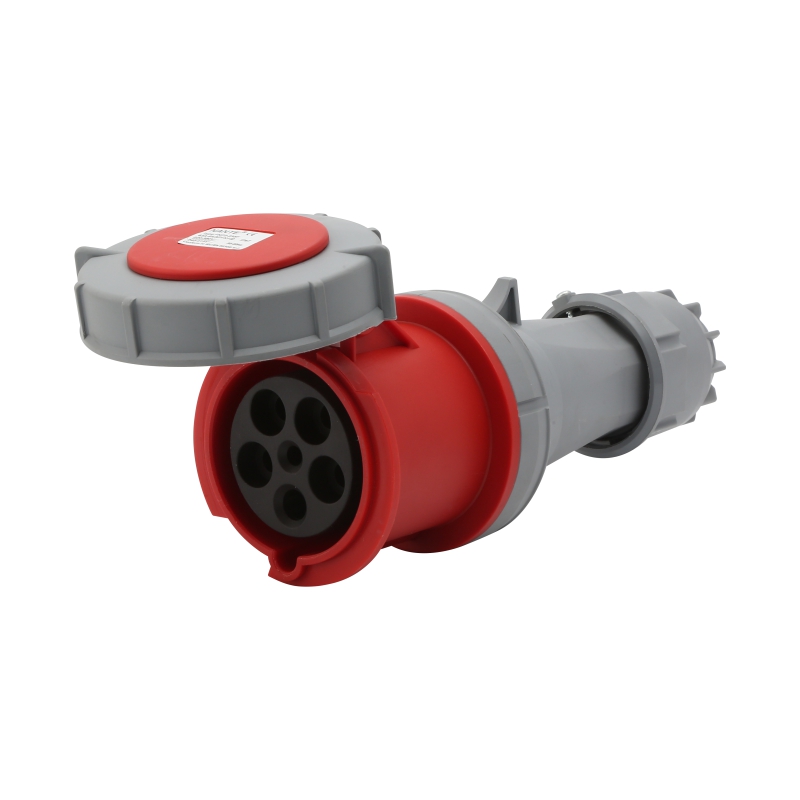
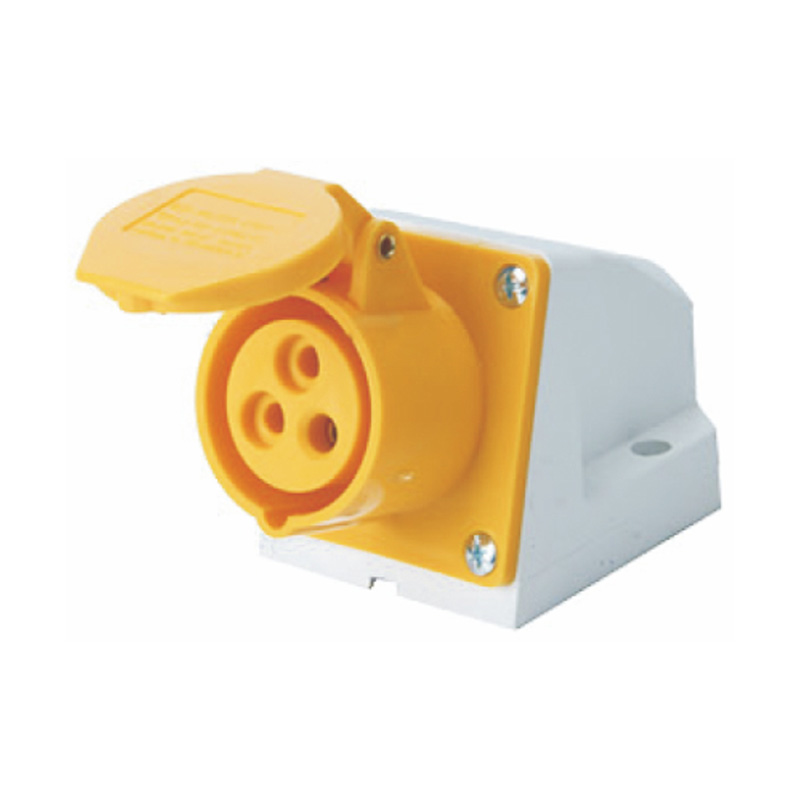
What Are Waterproof Industrial Plug Failure Warning Signs
A connector can keep delivering power for months while it slowly degrades. On a busy shift, a slightly warm plug or a yellowed housing often goes unnoticed. Yet in factories, outdoor installations and washdown areas, a Waterproof Industrial Plug can show early trouble through small physical changes. These changes can point to loose contacts, an overloaded circuit, damaged insulation or a failing seal. This guide covers what those signs look like, when a plug must come out of service, and what to verify before you fit a replacement.
Many plug failures give notice in advance. The difficulty is that the signals are subtle and easy to explain away.
A plug that is warm after a long run may be within its normal range. A plug that is noticeably hotter than it was last month, or hotter than the identical plug on the next machine, needs attention. Common causes include:
Other symptoms usually accompany the heat: a faint burning smell, power that cuts out when the cable is touched, a housing that looks slightly distorted, or marks around the contact area. If you see smoke, melting or a sharp burning odor, stop the equipment, isolate the supply following site procedures, and call a qualified electrician. Do not postpone action until the next scheduled check.
Color change tells you something, but only when you consider where it appears.
| Appearance | Likely cause | Response |
|---|---|---|
| Yellowed housing | Heat or material aging | Schedule an inspection |
| Brown or black marks | Possible overheating | Stop use and investigate |
| Corroded contacts | Moisture or contamination | Qualified inspection |
| Melted housing | Thermal damage | Remove from service |
| Cracked insulation | Physical deterioration | Replace as required |
Wiping off a dark mark makes the plug look cleaner, but it does nothing for burned contacts or compromised insulation. Identify the cause before deciding whether the plug can return to service.
The seal is what makes a Waterproof Industrial Plug resistant to water. Sunlight, temperature cycling, cleaning chemicals and constant moisture can stiffen rubber over time. Look for:
The outer shell can look intact while the seal underneath has failed, so don't judge a plug by its housing alone.
Some conditions call for action rather than continued observation.
| Condition | Required response |
|---|---|
| Smoke or burning odor | Stop operation, isolate the supply |
| Melted housing | Remove from service |
| Exposed conductors | Isolate power, repair or replace |
| Severely burned contacts | Qualified inspection |
| Water inside the connector | Keep disconnected until assessed |
| Cracked housing or insulation | Replace as required |
| Repeated power interruptions | Investigate before further use |
Avoid pulling a damaged plug out while it is under load, unless the equipment is designed for that. Follow your site's isolation procedure beforehand.
A normal-looking housing does not guarantee healthy internals. Call for a professional inspection if the plug runs warm without an obvious reason, power drops out intermittently, or the connection feels less secure than before. A technician can check contact condition, insulation integrity, continuity and cable termination, and confirm the connector suits the equipment it serves. Thermal imaging under normal load is a quick way to find a hot spot before it becomes a failure.
Follow the manufacturer's approved procedures. A worn gasket can often be replaced if the housing and sealing faces are undamaged. Melted insulation, burned contacts, cracked structural parts or damaged internal conductors usually mean replacing the whole connector. A cosmetic fix that hides electrical or structural damage can be riskier than leaving the fault visible, because it conceals the warning signs.
Fixing the symptom without finding the cause usually means repeating the same repair within months.
Vibration and repeated movement gradually loosen terminals and wear contact surfaces. Resistance rises at the weak point, and that resistance turns into heat. The heat softens nearby plastic and makes the connection looser. Correct termination, proper tightening and regular checks break this cycle.
Before installing a Waterproof Industrial Plug, confirm these parameters against the equipment:
A mismatch in these parameters can cause overheating, even if the plug fits the socket physically.
Outdoor machinery faces sun and rain. Washdown areas face detergents and high-pressure water. Humid production halls face condensation. Each condition affects sealing compounds differently, and once a seal is compromised, corrosion can follow. Choose and maintain the plug with its real environment in mind.
Isolate the equipment before inspection. Internal electrical checks belong to qualified personnel. For visual checks, cover the following:
| Inspection point | What to look for |
|---|---|
| Housing | Cracks, deformation, discoloration |
| Sealing ring | Hardening, cuts, loss of shape |
| Cable entry | Loose fittings, damaged insulation |
| Housing joints | Gaps or incorrect assembly |
| Protective cover | Missing or damaged parts |
| Locking mechanism | Wear or unreliable engagement |
Pay extra attention to the cable just behind the plug, where repeated bending causes damage over time. The plug should engage smoothly without force. If it keeps working loose or disconnects during normal operation, take it out of service until you know why.
Match the plug to the application. Check voltage, current, cable dimensions and pole layout. Follow the installation instructions and keep tension and sharp bends away from the cable entry.
Choose a suitable protection level. Indoor equipment, outdoor machinery and washdown lines have different needs. Consider rain, dust, cleaning water, condensation and chemicals. Also check whether the rated protection applies when the plug is mated, unmated, or fitted with its cover.
Keep simple records. Note the equipment reference, housing condition, seal condition, contact findings, work done and follow-up actions. Patterns show up quickly on paper, such as a machine that needs a new plug every few months.
Set inspection frequency by working environment, usage and the manufacturer's recommendations.
A failed plug is a chance to address the root cause, not just swap in something that looks the same.
Confirm electrical ratings, cable dimensions, pole arrangement and the mating configuration with the existing socket.
Make sure the compounds can handle the local temperature, moisture, sunlight and cleaning chemicals. Look closely at the cable entry and housing joints, since protection often fails at these points.
Review technical data, certifications, housing construction, contact materials and installation instructions. A reliable supplier can explain the intended operating conditions clearly.
A suitable Waterproof Industrial Plug for your site is one that fits the real electrical load, environment and maintenance routine, not simply one that resembles the old part.
 +86-577-62731897
 shireen@nante.com
 No.688 chezhan Road, Liushi town, Wenzhou, China
Copyright © 2024 Fly-Dragon Electrical Co., Ltd. All Rights Reserved.
 浙公网安备33038202003041号
 Privacy
Outdoor Socket Box Factory & Outdoor Electrical Distribution Panel Factory



 English
 Español
 Português
 Deutsch