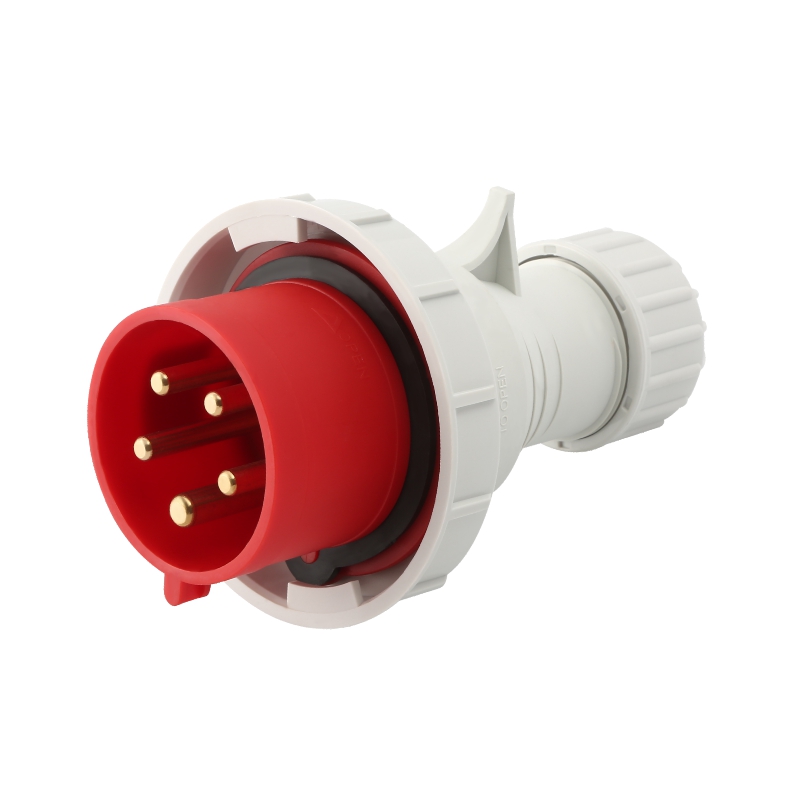
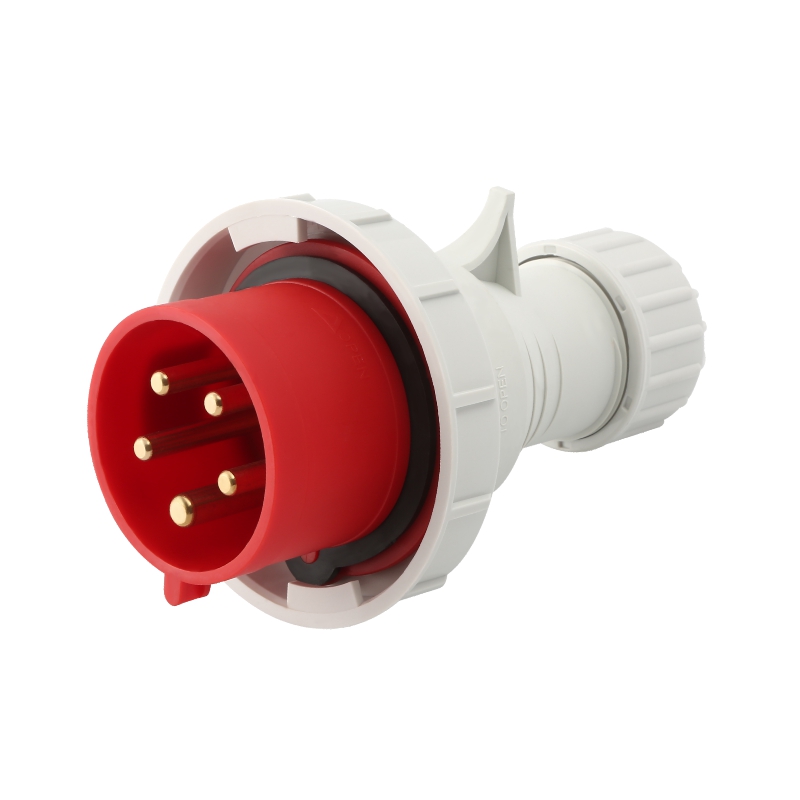
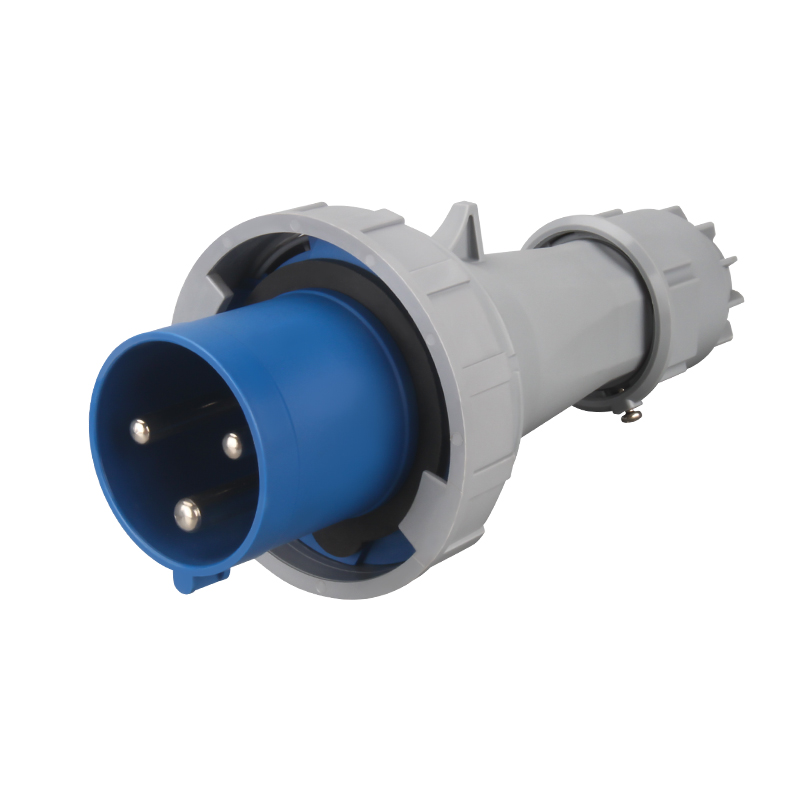
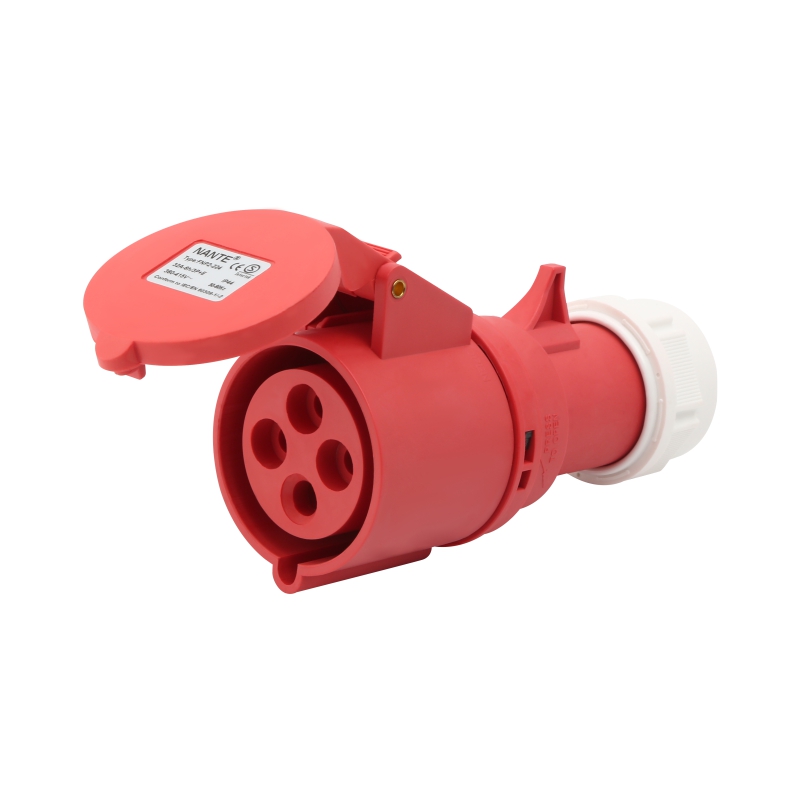
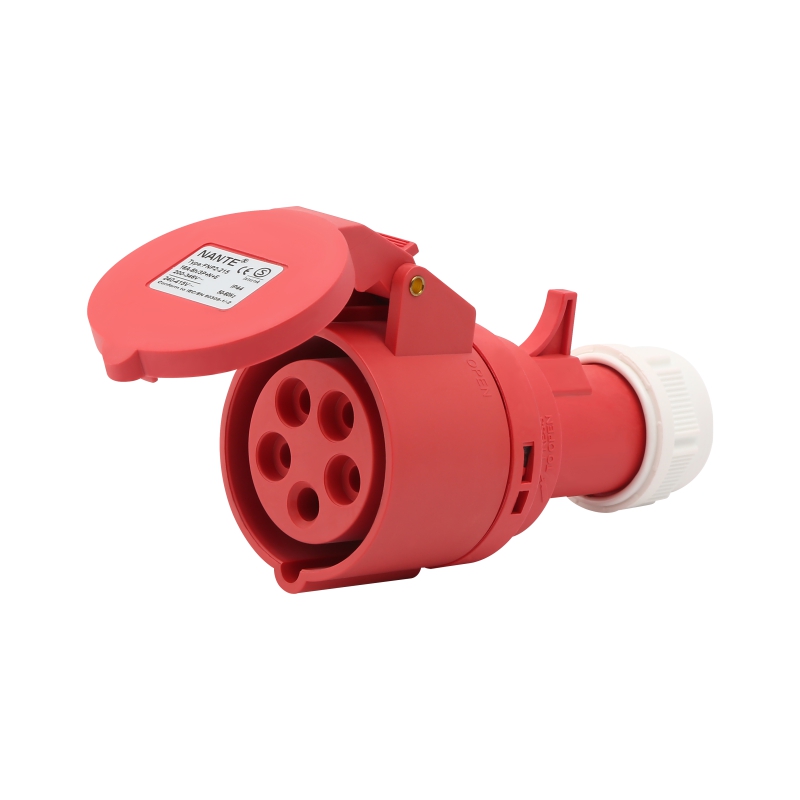
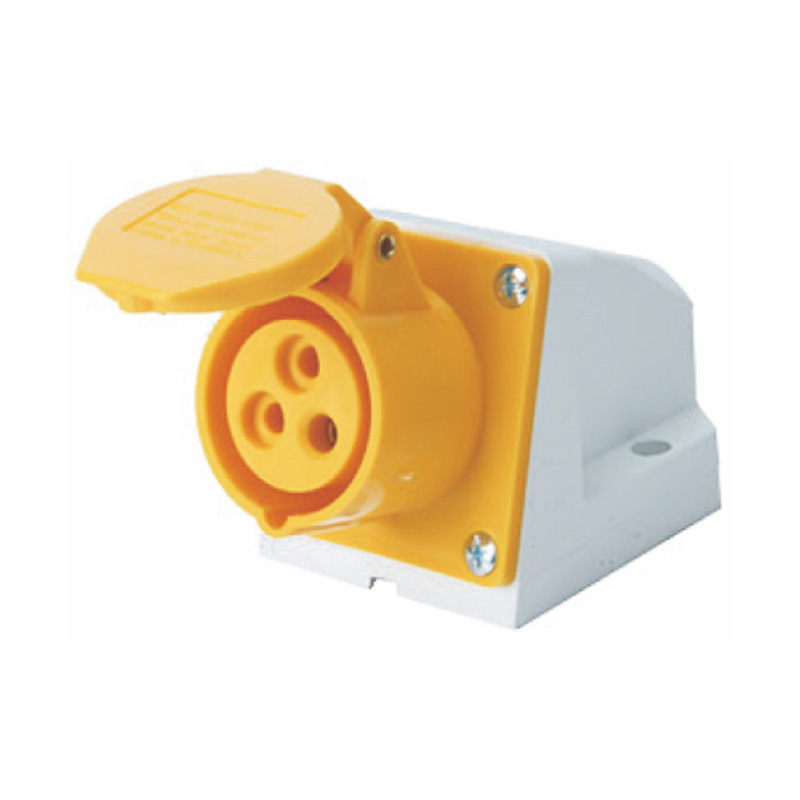
What Is a Waterproof Industrial Plug and Where Is It Used
In many working environments, electricity is not used in clean or controlled conditions. Water, dust, and changing weather often become part of the setting. Under these circumstances, a standard electrical connection may not hold up well over time.
This is where a waterproof industrial plug comes into view. It is not a complicated idea. It is simply a type of plug designed to keep the connection protected when exposed to moisture or similar conditions.
At a glance, it may look similar to other plugs. The difference is not always obvious from a distance. It becomes clearer when looking at how it is built and how it behaves during use.
The word "waterproof" can feel a bit vague if taken at face value. In practice, it does not mean the plug can be used in every situation involving water. It usually refers to the ability to resist moisture entering the connection during normal use.
This protection comes from how the plug is formed. The outer casing tends to be more enclosed. Open gaps are reduced. The connection area is often shielded so that water cannot easily reach the internal parts.
Sealing elements play a quiet but important role. They sit where two parts meet, helping to block the path that moisture might follow. These details are not always visible, but they affect how the plug performs.
The result is not about making the plug completely immune. It is about reducing the chance of water interfering with the electrical connection.
At a basic level, both types serve the same purpose. They connect equipment to a power source. The difference lies in how they handle the surrounding environment.
A standard industrial plug is usually built for stable, indoor use. It works well when conditions are dry and predictable. A waterproof version is designed with less predictable surroundings in mind.
The structure tends to be more enclosed. The contact points are better protected. The outer surface may also be shaped to guide water away rather than allowing it to settle.
Handling can feel slightly different too. Some waterproof plugs require a more deliberate connection. This is not a drawback. It is part of ensuring that the seal is properly formed.
These plugs appear in places where moisture is difficult to avoid. The list is broader than many people expect.
Outdoor work areas are a common example. Construction sites, temporary setups, and repair zones often deal with changing weather. Rain can arrive without warning, and equipment needs to remain usable.
Industrial settings also make use of them. Areas where cleaning is frequent may involve water exposure. In such cases, connections need to remain stable even when surfaces are wet.
Agricultural environments present similar challenges. Equipment may be used near water sources or in damp conditions. A more protected connection helps maintain continuity.
Marine-related work is another situation where moisture is constant. Even without direct contact with water, the surrounding air can carry enough moisture to affect standard connections.
Water itself does not always cause immediate failure. The issue often comes from how it interacts with the connection over time.
Moisture can enter small gaps. Once inside, it may to instability in the connection. The effect may not be noticeable right away. It can build slowly, affecting performance in subtle ways.
There is also the matter of surface condition. When water mixes with dust or other particles, it can form a layer that interferes with contact points.
In some cases, repeated exposure leads to wear that would not occur in dry conditions. The connection may feel less secure, or it may behave inconsistently.
Waterproof industrial plugs aim to reduce these risks by limiting how much moisture can reach the critical areas.
The design is often a combination of small elements rather than one single feature.
A tighter outer casing is one part. It reduces open space where water could enter. The fit between connected parts is also more controlled.
The entry point of the cable is another area that receives attention. If this section is not protected, water may travel along the cable and reach the inside of the plug.
Some designs include a locking mechanism. This helps keep the connection secure once it is made. It also supports the sealing effect by maintaining consistent pressure between parts.
Surface texture can play a role as well. A slightly shaped surface can guide water away instead of letting it collect.
Yes, although the differences are not always sharply defined. They tend to vary based on how they are used rather than strict categories.
| Type | General idea | Typical situation |
|---|---|---|
| Fixed plug | Stays attached to equipment | Long-term installations |
| Portable plug | Designed for frequent movement | Temporary setups |
| Locking plug | Secures connection in place | Areas with vibration or movement |
| Compact plug | Smaller and easier to handle | Limited space conditions |
| Heavy-duty plug | Built for repeated exposure | Harsh outdoor environments |
These types often overlap. A single plug may combine several features depending on its purpose.
Even a well-designed plug depends on how it is used. Installation plays a large role in how effective the waterproof aspect will be.
If the connection is not fully secured, the sealing elements may not work as intended. Small gaps can remain, allowing moisture to enter.
Cable positioning also matters. If the cable is bent sharply near the entry point, it can weaken the protective area over time.
Clean surfaces help as well. Dirt or debris at the connection point can interfere with how tightly the parts fit together.
These are not complex steps, but they influence the overall result.
The difference is subtle. They are not difficult to use, but they often require a bit more attention.
Connecting the plug may take slightly more effort. This is usually due to the tighter fit and any locking feature that keeps it in place.
Disconnecting may also feel different. A firm grip is often needed, especially if the plug has been in place for a while.
Regular checking is part of normal use. Not in a technical sense, but simply noticing whether the connection feels stable and unchanged.
These habits develop naturally with use.
Over time, the environment leaves its mark on any equipment. Waterproof plugs are no exception.
Repeated exposure to moisture can affect the outer surface. It may show signs of wear, even if the internal connection remains stable.
Sealing parts may also change gradually. They can become less flexible or slightly worn, depending on how often the plug is used.
The change is usually gradual. There is rarely a sudden shift. Instead, small differences appear, such as a connection that feels less tight than before.
Paying attention to these changes helps maintain consistent use.
The answer is not complicated. They fit into environments where standard connections might struggle.
The design focuses on reducing exposure rather than eliminating it completely. This approach works well in real-world conditions, where complete isolation is not always possible.
Different industries face different challenges, yet the need for a stable electrical connection remains the same. Waterproof plugs provide a way to maintain that connection even when conditions are less controlled.
They are not specialized in a narrow sense. Instead, they adapt to a range of situations where moisture is part of daily work.
When seen in use, the differences become clearer than when viewed on a shelf.
Some plugs are used in fixed positions, rarely moved. Others are handled frequently, connected and disconnected throughout the day.
In wet conditions, certain designs maintain their grip more consistently. Others may require more attention to ensure a proper connection.
The environment often shapes how the plug is used. A sheltered space allows for simpler handling. An exposed area calls for more careful setup.
These observations come from everyday use rather than controlled testing.
| Aspect | Standard plug | Waterproof industrial plug |
|---|---|---|
| Outer structure | More open | More enclosed |
| Moisture handling | Limited | Reduced exposure |
| Connection feel | Straightforward | Slightly tighter |
| Typical setting | Dry indoor areas | Mixed or wet environments |
| Maintenance attention | Basic | Slightly more awareness |
In working environments where water and electricity meet, the connection between them becomes something that cannot be ignored. A waterproof industrial plug does not remove that interaction. It manages it, shapes it, and makes it more predictable under conditions that are not always stable.
 +86-577-62731897
 shireen@nante.com
 No.688 chezhan Road, Liushi town, Wenzhou, China
Copyright © 2024 Fly-Dragon Electrical Co., Ltd. All Rights Reserved.
 浙公网安备33038202003041号
 Privacy
Outdoor Socket Box Factory & Outdoor Electrical Distribution Panel Factory



 English
 Español
 Português
 Deutsch