What Problems Can a Waterproof Electrical Box Help Prevent on Boats
Boats operate in environments where moisture is always present. Unlike indoor electrical systems, marine electrical equipment faces continuous exposure to water, humidity, changing weather, and movement. These conditions create challenges that require careful planning and suitable protection.
Electrical systems support many important functions on boats. Lighting, navigation equipment, communication devices, and other onboard systems all depend on reliable electrical connections. When these connections are affected by moisture or poor protection, problems may appear during operation.
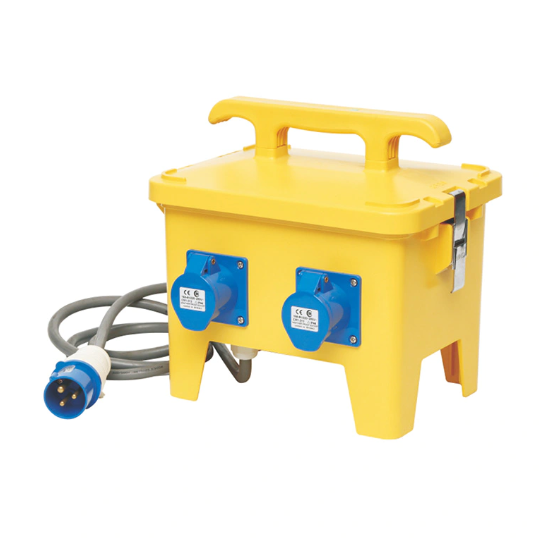
A waterproof electrical box for boat provides a protective space for electrical connections and components. It helps reduce the impact of water exposure and supports a more organized installation process.
As marine activities continue to grow, the need for practical electrical protection solutions has become more noticeable. Boat owners and professionals are paying more attention to how equipment is protected, not only how it performs.
Water is genuinely the biggest challenge marine electrical systems face — and it doesn't take much of it to start causing real trouble.
A waterproof electrical box works by creating a physical barrier between sensitive electrical parts and whatever the boat's dealing with outside — splashing waves, rain, general dampness in the air.
| Potential Problem | How a Waterproof Electrical Box Helps |
|---|---|
| Water entering electrical connections | Provides a protected enclosure |
| Humidity affecting components | Reduces direct exposure to moisture |
| Corrosion around connections | Helps keep electrical areas cleaner and more protected |
| Unstable electrical performance | Supports a more controlled environment |
Boats deal with splashing, rain, and general dampness pretty much constantly. Without a proper enclosure, electrical connections end up genuinely exposed and vulnerable — which is exactly the gap a good waterproof box closes.
Corrosion is one of those problems that sneaks up gradually in marine settings — saltwater and moisture work slowly on metal parts and connection points until, eventually, you've got a real issue on your hands.
Leave electrical components exposed, and corrosion tends to build up right around connection points, turning into a genuine maintenance headache and gradually degrading how the whole system performs.
A waterproof electrical box cuts that risk down significantly by limiting how much direct contact electrical parts actually have with the surrounding environment. That protected space translates directly into better long-term management of the whole electrical setup.
This matters even more for boats that see regular use. Constant water exposure basically means electrical protection needs to become a routine part of equipment care, not an afterthought.
There's a secondary benefit here too — a cleaner, better-protected electrical area is just easier to inspect. When problems are easier to spot, maintenance stops being such a guessing game.
Electrical connections need stable conditions to actually function well, and boats are pretty much the opposite of stable — constant movement and shifting environmental conditions throw extra stress into the mix.
Common connection issues on boats include:
A waterproof electrical box solves a lot of this simply by consolidating connections into one protected, organized location — making the whole system genuinely easier to manage and inspect.
Boats just aren't like buildings in this regard. Vibration, temperature swings, and constant motion are part of the deal, and a proper enclosure gives electrical components a much more suitable space to actually hold up under those conditions.
Organized wiring pays off during troubleshooting too — when everything's arranged sensibly, tracking down a specific connection takes a lot less guesswork.
Marine electrical systems cover a lot of ground, and waterproof boxes end up supporting protection across most of it.
Lighting systems
Boat lighting often sits in open, exposed spots, and protecting those connection points keeps the whole installation cleaner and more reliable.
Battery and power connections
Power systems demand careful management, and a protective enclosure helps keep those components organized and shielded from outside conditions.
Navigation equipment
Navigation gear needs genuinely stable electrical support, and protecting the wiring connections goes a long way toward keeping that reliability intact.
Control systems
Modern boats often pack multiple control devices into tight spaces, and those setups need well-organized, protected connections to function properly.
Outdoor equipment areas
Some components just live in spots with direct weather exposure — a waterproof enclosure gives them the extra layer of protection those locations demand.
That range of applications is exactly why waterproof electrical boxes have become such a standard part of marine electrical planning.
Safety matters for any electrical system, but on a boat, the constantly shifting environment makes electrical problems genuinely harder to manage once they start.
A waterproof electrical box supports safer operation in a few concrete ways:
Better electrical organization
A properly structured setup makes it a lot easier to identify and manage individual connections.
Reduced exposure risks
Keeping electrical parts shielded cuts down significantly on direct contact with moisture and debris.
Easier inspection
A dedicated enclosure gives you one clear place to check on electrical components, rather than hunting around.
Improved maintenance planning
Protected systems are simply easier to monitor and keep on top of over time.
Electrical safety on a boat isn't just about any one component holding up — it comes down to how the entire system is arranged and protected as a whole.
Not every boat faces the same challenges — a weekend recreational boat and a working commercial vessel deal with pretty different demands. But moisture protection stays relevant across all of them.
| Environment | Common Challenge |
|---|---|
| Coastal areas | Salt and moisture exposure |
| Open water use | Rain and water splashing |
| Storage locations | Humidity and temperature changes |
| Frequent operation | Increased wear from movement |
A waterproof electrical box adapts across all these scenarios, which is really the point. For boats regularly exposed to changing conditions, that kind of consistent protection becomes even more important, giving electrical connections a genuinely stable environment to operate in regardless of what's happening outside.
Picking the right protection setup really comes down to understanding how the boat's actually going to be used.
Installation location
Where the box sits determines how much exposure it'll actually face — anything closer to the waterline needs stronger protection built in.
Space availability
Boats rarely have room to spare, so the box needs to fit the available space without cramping proper wire organization.
Maintenance requirements
Easy access makes future inspections a lot less of a hassle — a practical design pays off every time you need to check on things.
Usage conditions
A boat out on the water constantly has different demands than one used occasionally for weekend trips.
Electrical system requirements
The enclosure needs to genuinely match whatever electrical components it's protecting — no sense oversizing or undersizing the fit.
Taking the time to weigh these factors properly means the box actually supports the real working environment instead of creating awkward compromises down the line.
A waterproof box provides real protection, but it's not a set-it-and-forget-it solution — regular care still matters.
Marine environments are relentless. Salt, dirt, and moisture keep working on equipment over time regardless, and skipping maintenance eventually catches up with even a well-built enclosure.
Worth keeping on a regular checklist:
None of this needs to be complicated or time-consuming. A few quick checks now and then catch small issues well before they turn into expensive problems.
Boat owners who fold electrical protection into their normal maintenance routine end up managing their equipment a lot more effectively over the long run.
Boats keep getting more electronically sophisticated, and that trend brings more electrical connections that all need organizing and protecting properly.
A waterproof electrical box gives marine electrical systems a genuinely practical way to manage that complexity — tackling moisture, corrosion, organization, and maintenance all through one straightforward solution.
Whether it's a small personal boat or a larger commercial vessel, reliable electrical protection remains central to safe, dependable operation. A well-chosen enclosure supports smarter planning and helps keep the whole onboard electrical system safer and genuinely easier to manage.
 +86-577-62731897
 shireen@nante.com
 No.688 chezhan Road, Liushi town, Wenzhou, China
Copyright © 2024 Fly-Dragon Electrical Co., Ltd. All Rights Reserved.
 浙公网安备33038202003041号
 Privacy
Outdoor Socket Box Factory & Outdoor Electrical Distribution Panel Factory



 English
 Español
 Português
 Deutsch