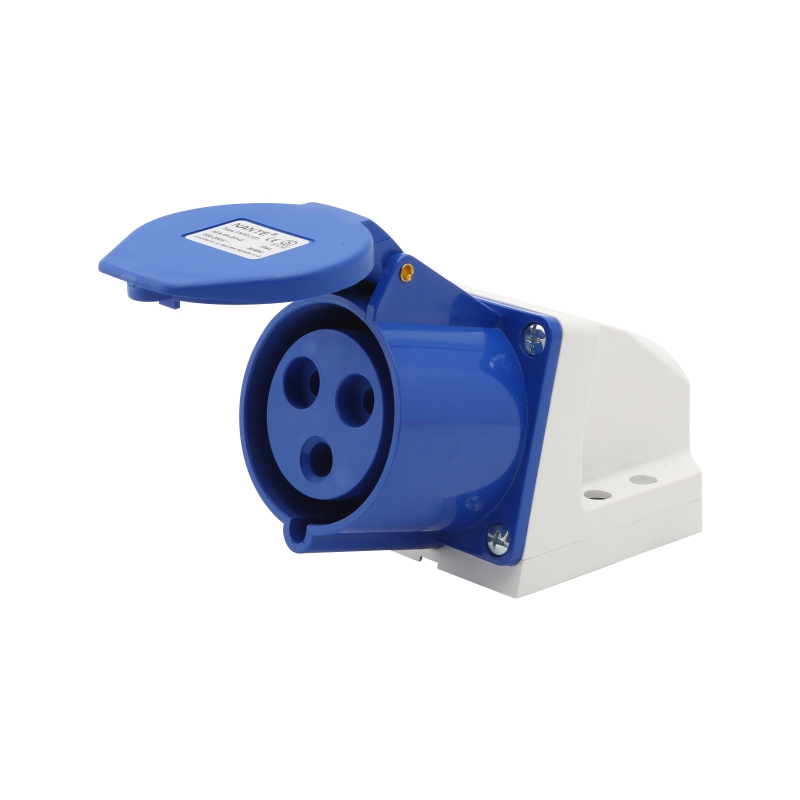
Waterproof Electrical Distribution Boxes Bring Practical Protection to Demanding Work Environments
 Home / News / Industry News / Waterproof Electrical Distribution Boxes Bring Practical Protection to Demanding Work Environments
 Outdoor electrical work rarely takes place in a perfectly controlled setting. Construction areas can become dusty. Agricultural locations may be exposed to moisture. Temporary work areas can face changing weather conditions. Industrial spaces may also contain water, dirt, and other materials that can affect electrical equipment.
These conditions have increased attention on practical electrical protection. A waterproof electrical distribution box is designed to organize electrical connections while helping shield internal components from environmental exposure.
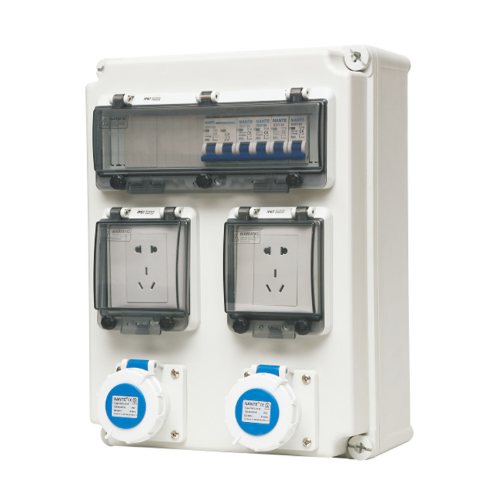
The role of this type of enclosure goes beyond simply covering electrical parts. It can help create a more organized installation and provide a physical barrier between electrical connections and the surrounding environment.
As outdoor power requirements continue to appear across different industries, waterproof electrical distribution boxes are becoming a useful consideration for projects where environmental conditions cannot be ignored.
Electrical equipment genuinely reacts to its surroundings. Moisture, dust, dirt, and accidental contact all create real headaches for electrical installations.
Take a construction site, for instance. Workers often need temporary electrical connections while construction materials, tools, and equipment keep shuffling around the site. Dust hangs in the air throughout the working area. Rain hits outdoor sections too.
Agricultural environments bring their own set of challenges. Irrigation areas, greenhouses, storage spaces, and farm buildings can all expose electrical equipment to moisture or dirt. The equipment genuinely needs to fit naturally into an environment where cleaning and routine outdoor work happen constantly.
Commercial and industrial areas deal with demanding conditions too. Equipment might get installed near washing areas, outdoor machinery, storage locations, or other spots where environmental exposure is genuinely a risk.
A well-suited enclosure genuinely helps separate electrical components from all these surrounding conditions.
That's exactly why waterproof electrical distribution boxes find applications across such a wide range of workplaces.
The basic role of a distribution box is to organize electrical connections in one location. The enclosure adds another layer of physical protection.
A waterproof design is intended to help reduce the chance of water entering the enclosure during normal use in suitable environments. The exact level of protection depends on the product design and its intended application.
This distinction matters. Waterproof does not mean that an electrical box can be placed anywhere without considering environmental conditions. Buyers and installers still need to follow the manufacturer's instructions and applicable electrical requirements.
The enclosure can also help reduce exposure to dust and dirt. In busy workplaces, keeping electrical components enclosed can make the installation easier to manage.
Protection can therefore involve several practical aspects:
| Environmental Challenge | Role of a Suitable Enclosure |
|---|---|
| Moisture | Helps reduce unwanted water exposure |
| Dust | Helps keep electrical components enclosed |
| Dirt | Creates a barrier around internal connections |
| Outdoor use | Supports organized electrical installations |
| Accidental contact | Helps keep electrical parts separated from the surrounding area |
| Worksite activity | Provides a more controlled location for electrical connections |
The purpose is not to eliminate every possible risk. It is to provide an appropriate physical enclosure for the electrical installation.
The applications are broad because many industries need electrical connections outside clean indoor environments.
Construction Sites
Construction projects often require temporary or semi-permanent power arrangements. Electrical connections may need to be positioned near tools, work areas, lighting, or other equipment.
The worksite can change as construction progresses. An enclosure that keeps connections organized can make the electrical setup easier to manage.
Outdoor sections may also experience rain and dust. A suitable waterproof electrical distribution box can help protect enclosed components when used according to its intended application.
Agriculture and Farming
Farms contain many areas where electricity is needed. Watering systems, storage spaces, agricultural equipment, and processing areas may all require electrical connections.
Moisture is a natural part of many agricultural environments. A suitable enclosure can help separate electrical components from surrounding conditions.
The installation still needs to match the specific location. A box designed for one environment may not be appropriate for another.
Gardens and Landscaping
Landscaping projects may involve outdoor lighting, pumps, garden equipment, and other electrical systems.
These installations can be close to soil, plants, water, and outdoor pathways. A protected enclosure can help keep electrical connections organized and separated from the immediate environment.
Industrial and Commercial Facilities
Factories, warehouses, workshops, and commercial properties may have electrical installations in areas where dust, moisture, or routine cleaning is present.
In these settings, the enclosure needs to fit the overall electrical layout. Accessibility, installation location, and maintenance should all be considered.
Choosing an enclosure should begin with the environment rather than the appearance of the product.
Buyers can consider where the box will be installed, what conditions it may face, and what type of electrical equipment needs to be housed inside.
The installation location is particularly important. A box placed under a covered structure may face different conditions from one positioned in an exposed outdoor area.
The surrounding environment should also be considered. Is the area dusty? Is water likely to be present? Will the box be exposed to cleaning activities? Could people or equipment come into contact with it?
These questions can help narrow the available choices.
The size and internal arrangement also matter. The enclosure should provide enough room for the intended electrical components while supporting an organized installation.
Buyers can review several practical points:
Installation environment
Understand where the box will be placed and what conditions it may encounter.
Protection needs
Consider the expected exposure to moisture, dust, dirt, and accidental contact.
Internal arrangement
Make sure the enclosure can accommodate the intended electrical components in an orderly way.
Access requirements
Consider whether electricians or maintenance personnel will need regular access.
Material and construction
Select an enclosure appropriate for the environment and intended application.
Installation method
Check whether the enclosure can be positioned securely in the planned location.
This approach can make the buying process more practical.
Protection is important, but everyday usability should not be overlooked.
An electrical distribution box may need to be opened for inspection or maintenance. If access is difficult, routine work can become less convenient.
The door or cover should provide suitable access while maintaining the intended protective function when closed. Fasteners, seals, and other enclosure components should work together as part of the overall design.
Internal organization also matters. Electrical connections should not be crowded unnecessarily. A well-organized installation can make inspection and maintenance easier.
The exterior design can influence installation as well. Depending on the application, the enclosure may be mounted on a wall, structure, panel, or other suitable surface.
Buyers should therefore look beyond the word "waterproof." The enclosure needs to work as part of a complete electrical installation.
A product that provides protection but is difficult to access may not fit a workplace that requires regular inspection. Likewise, an enclosure that is easy to install may not be appropriate if the environmental conditions exceed its intended use.
The material used to make an electrical enclosure can influence its suitability for different environments.
Outdoor electrical boxes are commonly made from materials selected for their ability to withstand normal environmental exposure. The appropriate choice depends on factors such as location, surrounding conditions, installation requirements, and expected use.
Plastic-based enclosures can be useful where a lightweight and corrosion-resistant option is appropriate. Metal enclosures may be selected for applications where a more rigid housing is needed.
Neither material should be treated as suitable for every situation.
The important question is whether the material and construction match the environment.
For example, an enclosure located near moisture may need to be suitable for that type of exposure. An enclosure used in an area with frequent cleaning may face different demands from one installed in a dry indoor workspace.
Buyers should review the product information carefully and confirm that the selected material is intended for the planned application.
Even a well-designed waterproof electrical distribution box depends on proper installation.
The enclosure needs to be positioned according to the manufacturer's instructions. Openings for cables and connections should be handled appropriately. Covers and seals should remain correctly fitted.
An installation that changes the enclosure's protective structure can reduce its ability to perform as intended.
This is why electrical work should be handled by qualified professionals who understand the relevant local requirements.
The surrounding area should also be considered. The box should not be placed where it can easily be struck by moving equipment or exposed to conditions beyond its intended application.
Installation is therefore part of the protection strategy.
A suitable box in an unsuitable location may not provide the expected result. A suitable location with poor installation can create similar problems.
The enclosure, installation method, electrical components, and working environment need to work together.
Boxes are designed to reduce environmental exposure, but they still require appropriate inspection and care.
The exterior can collect dust, dirt, or other materials over time. Seals and covers may also need inspection as part of routine electrical maintenance.
Maintenance teams can look for visible signs of damage, loose components, or changes around the enclosure. Any issue that could affect the protective function should be addressed according to the manufacturer's instructions and relevant electrical practices.
Cleaning should also be handled carefully. Using unsuitable cleaning methods can damage enclosure components or affect seals.
Regular inspection is especially useful in demanding workplaces. Conditions can change after installation. Construction activity may introduce more dust. Agricultural operations may increase moisture exposure. Outdoor equipment can also be moved or repositioned.
A maintenance routine helps keep the electrical installation under observation rather than leaving it unnoticed for long periods.
Outdoor electrical installations are becoming part of many different work processes. Construction teams need flexible site power. Agricultural businesses rely on electrical equipment across working areas. Landscaping projects increasingly include pumps, lighting, and other powered systems. Commercial facilities may also extend electrical equipment into outdoor spaces.
These changing requirements create demand for practical ways to organize electrical connections.
A waterproof electrical distribution box can serve as a controlled enclosure for those connections when its design matches the application.
The key is understanding that protection is only one part of the selection process. Installation conditions, accessibility, material choice, internal space, maintenance needs, and local electrical requirements all influence whether a particular enclosure is suitable.
For buyers and project planners, the focus is shifting toward practical application. Instead of asking only whether an electrical box is waterproof, they can consider how it will function within the complete work environment.
That approach supports more informed product selection and helps electrical installations fit the realities of construction sites, agricultural areas, landscaping projects, commercial facilities, and other demanding workplaces.
 +86-577-62731897
 shireen@nante.com
 No.688 chezhan Road, Liushi town, Wenzhou, China
Copyright © 2024 Fly-Dragon Electrical Co., Ltd. All Rights Reserved.
 浙公网安备33038202003041号
 Privacy
Outdoor Socket Box Factory & Outdoor Electrical Distribution Panel Factory



 English
 Español
 Português
 Deutsch