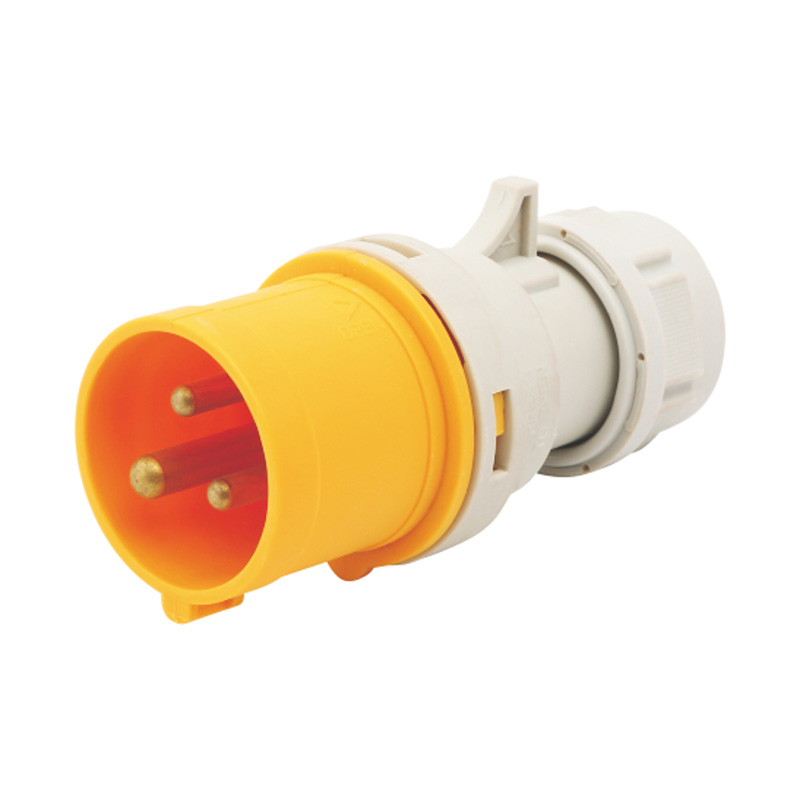
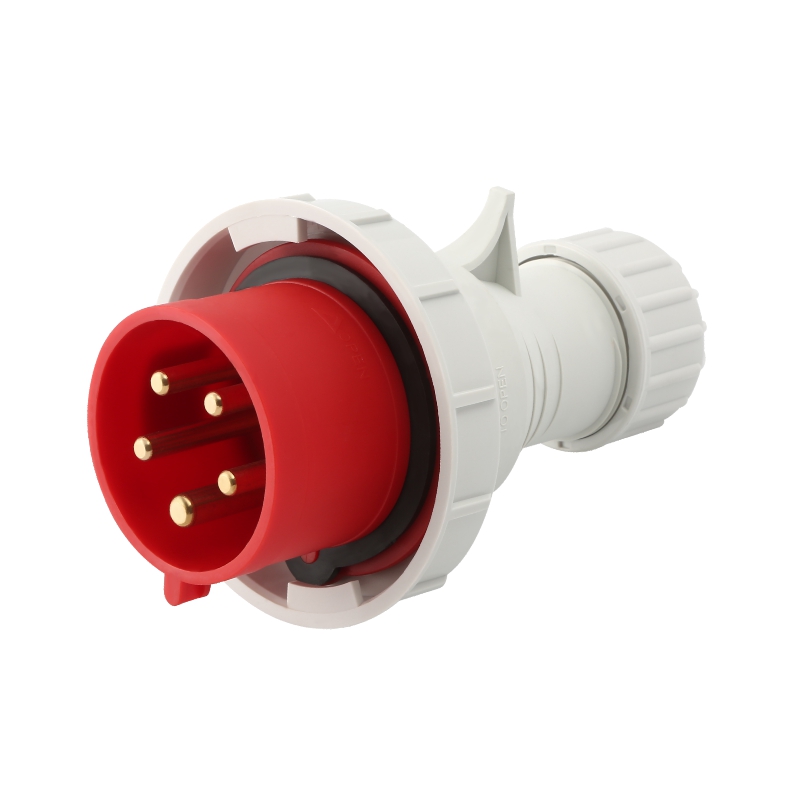
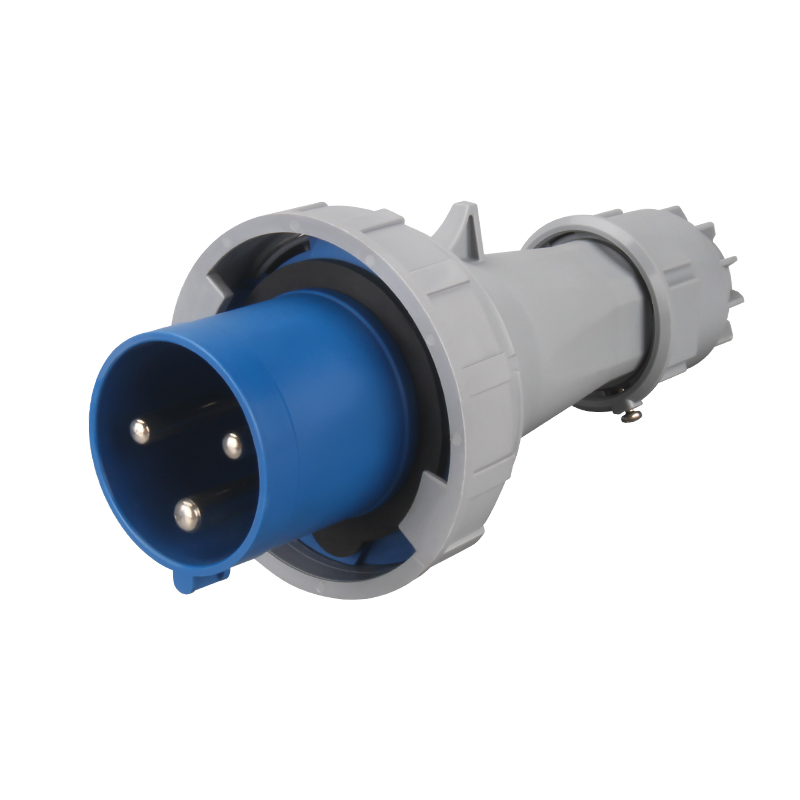
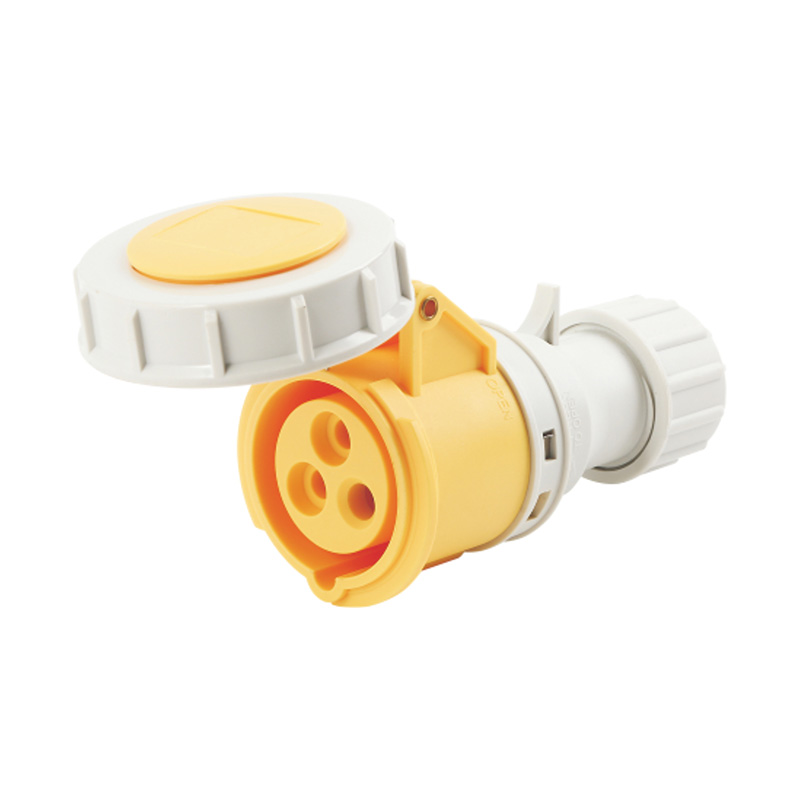
What Should Buyers Check in a Waterproof Industrial Plug
A washdown area, a damp workshop, and an outdoor machine pad all raise the same instinct: pick a plug that resists water. Moisture protection matters in these places, but it answers only one question. The connection must also suit the supply, the equipment, and the way the site is used.
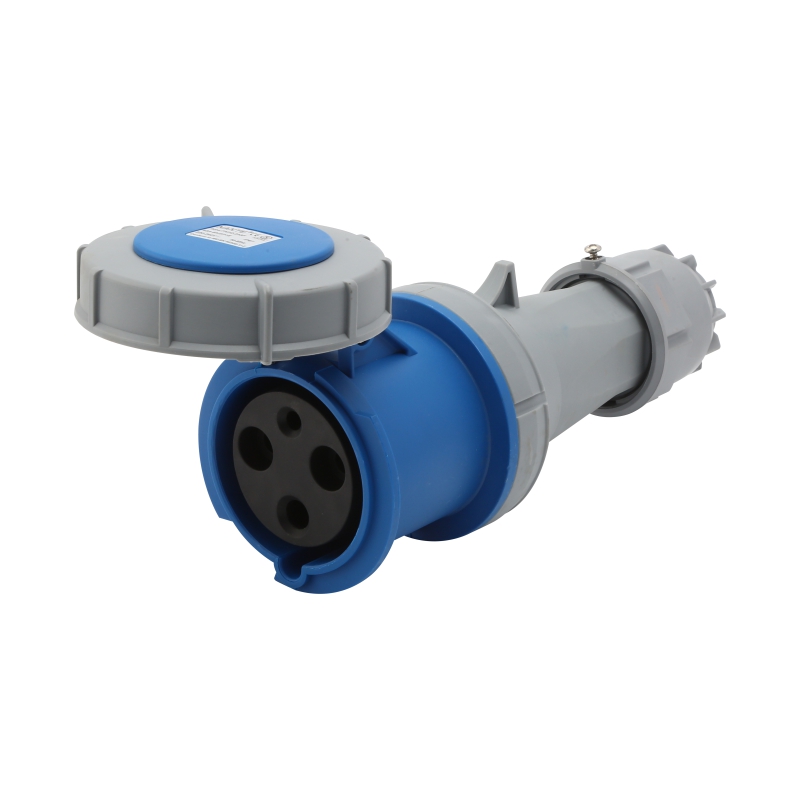
A Waterproof Industrial Plug helps protect a connection from water within its stated limits. It says nothing about whether the plug fits a given circuit. Rated current, rated voltage, pole configuration, and grounding decide that. Equipment buyers, installers, and maintenance teams save time when they check these items before ordering.
Industrial plugs serve production lines, workshops, outdoor machinery, and temporary power points. A plug's environmental protection describes how its enclosure limits the entry of water or other material under specified conditions. It does not confirm that the electrical ratings match the equipment.
Picture a machine in a damp packing area. The enclosure may suit the room, yet the connection is still wrong if the current rating falls short of the circuit's needs, the pole layout differs from the socket, or the earth contact is missing.
| Selection Factor | What It Helps Confirm |
|---|---|
| Waterproofing | Suitability for the expected exposure |
| Rated current | Compatibility with the required current |
| Rated voltage | Compatibility with the supply |
| Pole configuration | Match between plug, socket, and circuit |
| Grounding arrangement | Availability of the protective earth connection |
| Physical design | Suitability for handling and cable entry |
These factors work together. The enclosure addresses surroundings, while the electrical and mechanical features decide whether the plug can serve the system correctly.
Rated current is the current a plug is designed to carry under specified conditions. A plug that looks like the old one may still be unsuitable if its rating differs. Check the equipment documentation and compare it with the plug's stated figure.
Operating pattern matters too. A pump running through a whole shift places different demands on a connector than a tool used briefly. Surrounding temperature, cable choice, and protective devices all influence suitability. When load or circuit details are uncertain, a qualified electrical professional should review the selection.
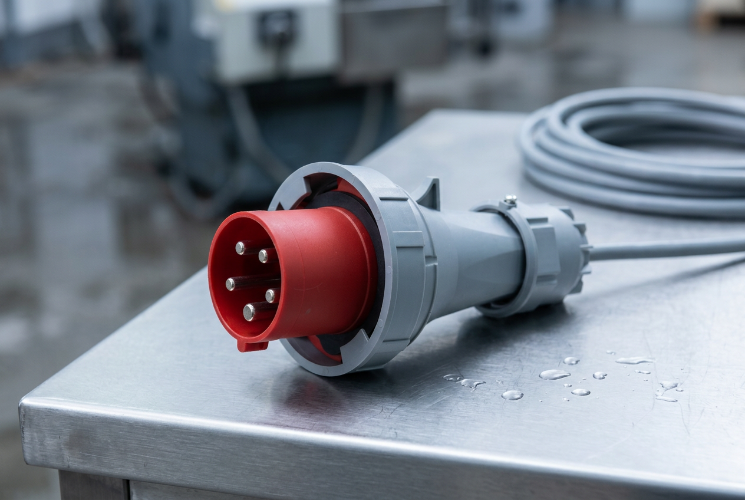
Rated voltage is the supply voltage for which the plug is intended. Similar-looking connectors can be built for different supplies, so shape and size prove nothing. Read equipment labels, electrical drawings, and existing installation records, then assess the plug, socket, cable, and machine as one system.
Current and voltage answer separate questions. A suitable current rating does not make the voltage rating suitable, and the reverse is also true.
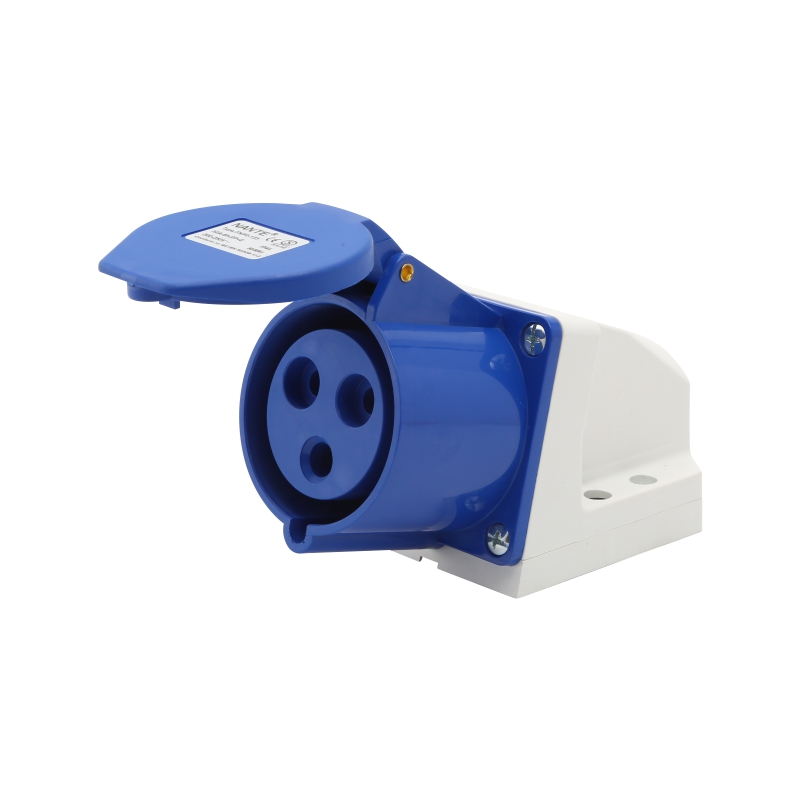
Pole configuration is the arrangement of contacts inside the plug. Some connections serve a single-phase supply, others a three-phase supply, and some include a separate protective earth contact. The circuit decides the layout, not the exterior.
Connectors with different arrangements may not mate at all. Even when they can be forced together, the contacts must still match the electrical function. Adapters should not be used to get around a mismatch unless the arrangement is confirmed as permitted and safe.
A practical check before purchase:
A small mismatch can delay commissioning or trigger replacement orders when equipment is ready to run.
Protective earthing gives fault current a path so that protective devices can act as intended. Its role differs from the conductors that carry normal power. Industrial machines often have exposed metal parts that depend on this connection. If a live conductor touches a metal housing, the earth path and protective devices help manage the fault.
A plug built for a connection with protective earth should never be swapped for one without the contact. Removing or bypassing the earth connection creates a serious safety risk. The number of contacts alone does not show which one is the earth, so rely on diagrams, contact markings, and supplier documentation. Connection should be carried out by a qualified person following the manufacturer's instructions.
Waterproofing claims apply to the conditions a product was designed or tested for. A plug in a sheltered corridor faces different exposure from one hit by rain, cleaning sprays, or standing water. Seal condition and complete assembly also count. A sealed body cannot make up for a damaged seal, a loose cable gland, or a connector left half open.
Choose the product according to the exposure expected at the site. If conditions go beyond what the supplier describes, confirm suitability before use.
The cable is part of the connection. If it is unsuitable or the entry point is not secured properly, strain, damage, or water entry may follow. Pulling and bending during routine use stress poorly supported cables.
| Assembly Area | What to Review |
|---|---|
| Cable compatibility | Suits the plug design and circuit |
| Cable entry | Components fit and seal correctly |
| Strain relief | Cable protected from pulling |
| Enclosure seal | Seals intact and assembled as instructed |
| Contact connections | Conductors on the correct terminals |
Follow the product instructions, and have a qualified person handle installation.
A short sales description helps with browsing but rarely supports a final decision. Useful documents include drawings, rating labels, assembly instructions, wiring diagrams, and relevant test information. They should refer to the supplied product and not just a similar one. Good records also help technicians identify a compatible replacement years later without relying on appearance.
Rank products by the whole specification and not a single feature. A site checklist keeps comparisons consistent and exposes missing information early.
| Comparison Area | Question for the Supplier |
|---|---|
| Electrical ratings | Are current and voltage clearly stated? |
| Pole arrangement | Does it match the required supply? |
| Grounding | Is the protective earth contact provided? |
| Environmental protection | Are intended exposure conditions described? |
| Cable entry | Does it suit the installation cable? |
| Documentation | Are drawings and instructions available? |
| Product identification | Can the model be matched to its documents? |
Wholesale buyers benefit from consistent model identification, since receiving teams and installers can then separate connector types intended for different jobs.
Even a well-chosen plug needs routine inspection. Vibration, dirt, moisture, and handling wear on seals, cables, and contact areas. Technicians can look for cracks, damaged seals, loose cable entries, signs of overheating, and corrosion. Remove a suspect connector from service following site safety procedures. Never open or handle a plug while energized unless procedures permit it and qualified staff do the work. Records of recurring damage can show that the connector or its placement does not suit the real working conditions.
When asking a supplier for a recommendation, describe the supply, equipment requirements, connector layout, cable type, and expected exposure, and not only the wish for a waterproof model. Photographs show space and the existing connector but do not replace verified electrical specifications. Mention whether the connection is fixed inside an enclosure or moved during maintenance. A detailed request makes it easier to compare options, and it keeps waterproofing in its place alongside the electrical and grounding requirements that decide suitability.
 +86-577-62731897
 shireen@nante.com
 No.688 chezhan Road, Liushi town, Wenzhou, China
Copyright © 2024 Fly-Dragon Electrical Co., Ltd. All Rights Reserved.
 浙公网安备33038202003041号
 Privacy
Outdoor Socket Box Factory & Outdoor Electrical Distribution Panel Factory



 English
 Español
 Português
 Deutsch