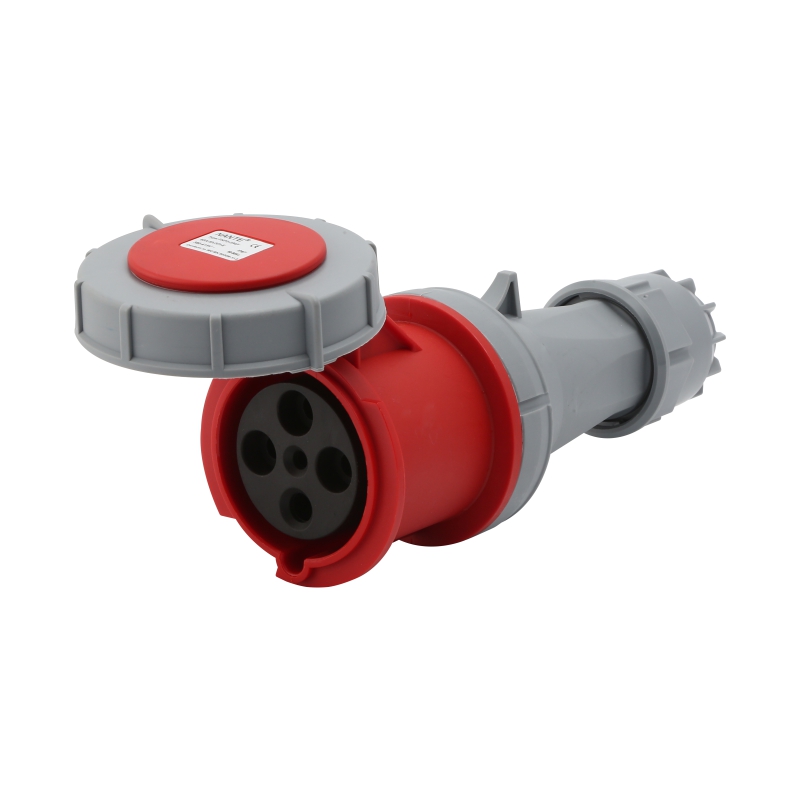
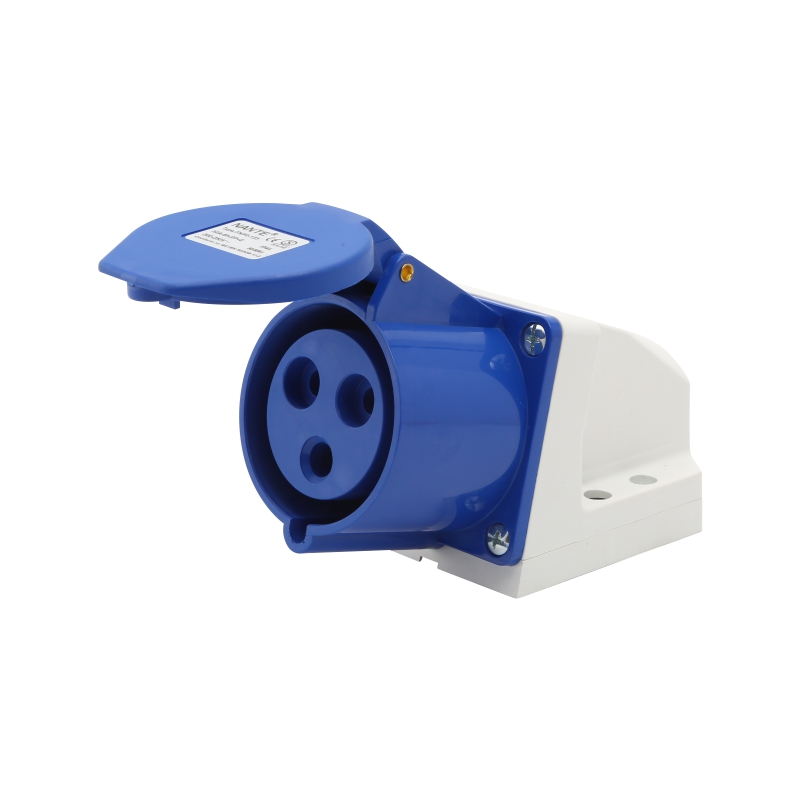
What Makes an Industrial Waterproof Connector Reliable
Industrial equipment wiring usually gets discussed around cables, power supplies, control systems, and electrical components. Yet plenty of connection problems actually start at a much smaller point: the spot where two electrical parts meet. A cable might suit its intended job perfectly, and a machine might run fine during initial testing, but an improperly fitted connection can still cause trouble once the equipment settles into daily use.
The detail getting overlooked is often the relationship between the connector, the cable, and the surrounding installation. These parts need working together rather than just fitting into the same space side by side. Poor cable support, incomplete locking, unsuitable sealing, or inconsistent assembly can all affect electrical continuity and make maintenance genuinely harder down the line.
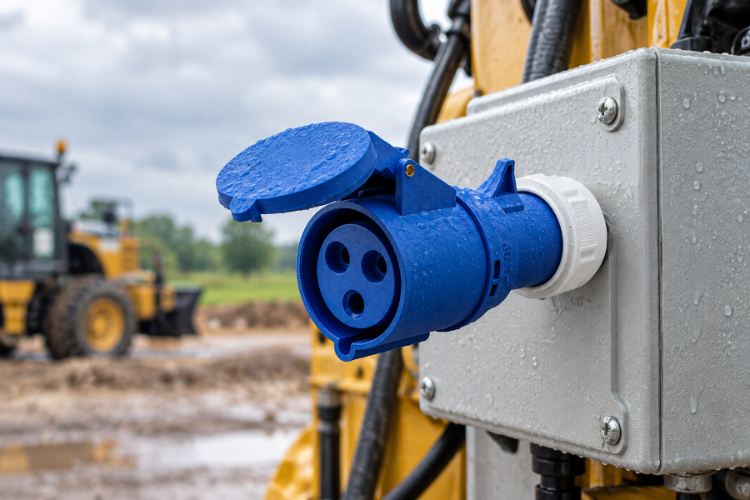
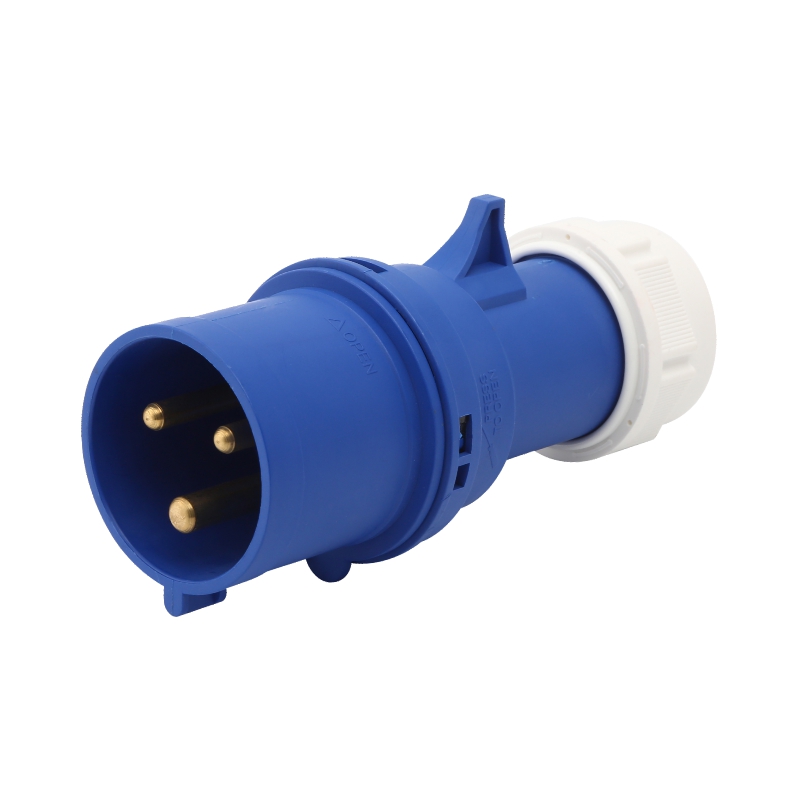
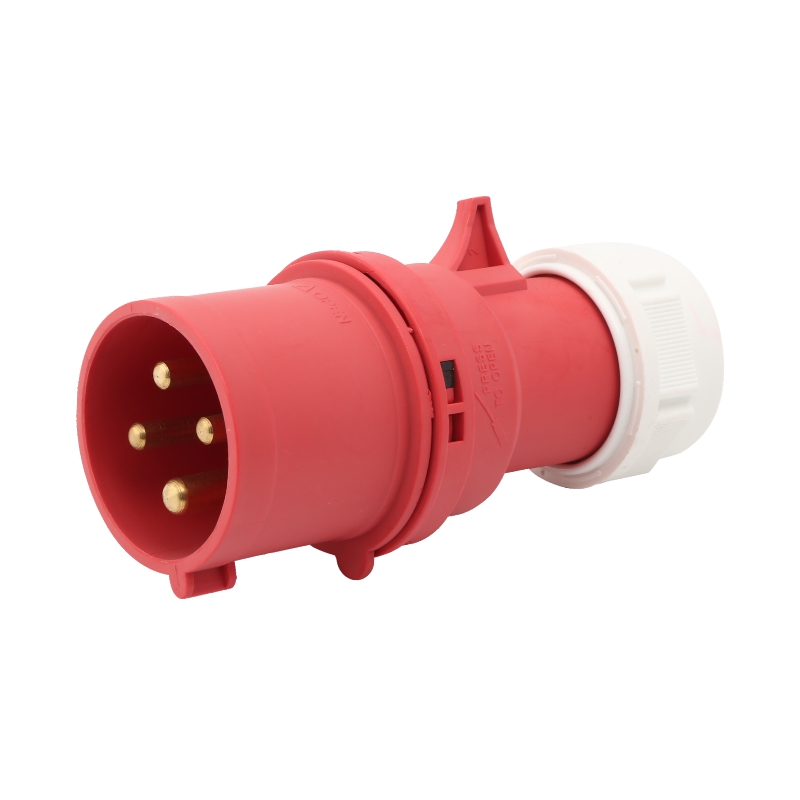
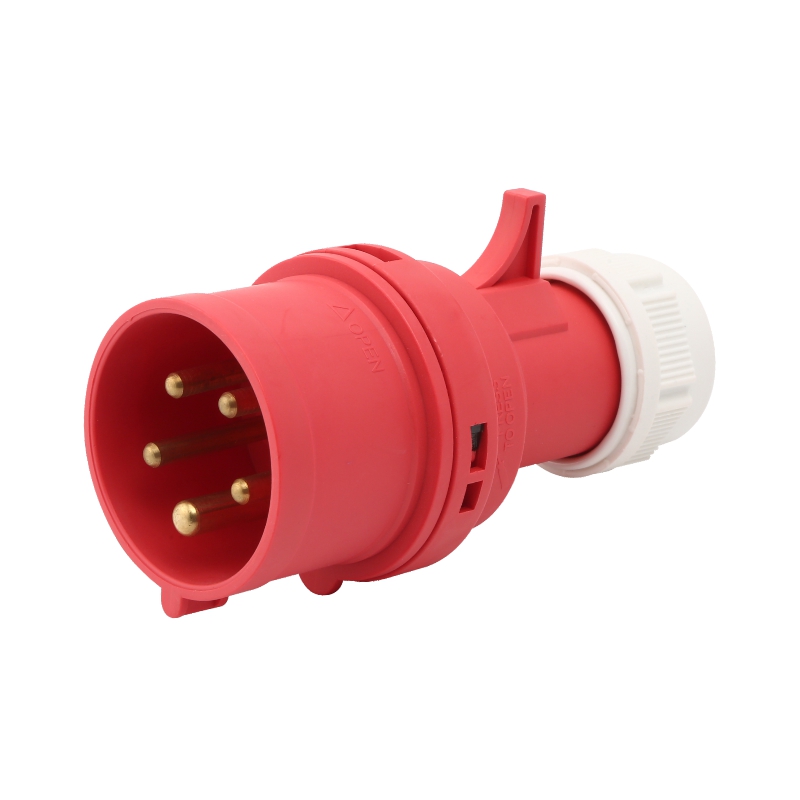
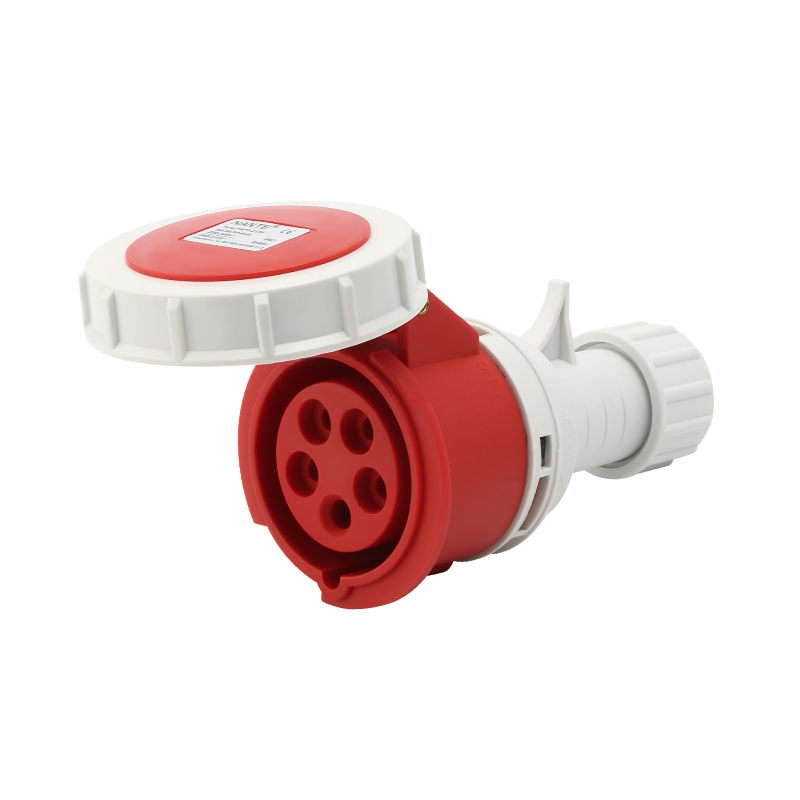
For equipment manufacturers and industrial buyers, this issue deserves attention during product selection and installation alike. An industrial power connector needs matching the electrical needs of the equipment, while an industrial waterproof connector also needs providing suitable protection against environmental exposure wherever the application calls for it. Neither product delivers its intended function if the connection gets assembled or used incorrectly.
Getting a handle on these small details helps production teams spot potential weaknesses before they turn into interruptions, repairs, or replacement work nobody actually needed.
Electrical wiring usually gets planned around a machine's main functions. Engineers and buyers tend focusing on the power supply, control cabinet, cable routing, and equipment layout, since these elements sit visible in the overall design. The connection point often gets less attention, even though it forms the actual link between those larger components.
A connector can look secure from the outside while its internal contacts aren't fully engaged underneath. A cable might enter the housing but sit under constant tension. A sealing component might be present yet sit incorrectly in its intended spot. These problems aren't always obvious during a quick glance.
The difficulty is that a connection isn't one single part at all. It's an assembled relationship between several components, each carrying its own role in the whole.
| Connection Detail | Why It Matters |
|---|---|
| Contact engagement | Supports a stable electrical path |
| Cable support | Reduces unnecessary pulling on the connection |
| Locking structure | Helps prevent unintended separation |
| Sealing arrangement | Limits environmental exposure when required |
| Housing fit | Keeps components positioned as intended |
| Assembly quality | Helps maintain consistent results across installations |
A wiring system therefore calls for attention stretching well beyond picking individual components alone. Reviewing the complete connection reveals problems that often stay hidden once each part gets evaluated separately.
Cable support is easy underestimating because cables get designed to bend and move freely. Flexibility doesn't mean a cable should carry unnecessary mechanical loads through its connector, though. Once a cable hangs freely from a connection or gets pulled during equipment movement, that force transfers straight into the housing, cable entry, and internal contact area.
Over time, repeated movement can loosen parts, damage the cable jacket, or disturb the connection entirely. In equipment facing vibration, the problem often grows more noticeable, since the cable and connector experience repeated movement throughout operation day after day.
A suitable installation gives the cable a practical route and supports it wherever necessary. Cable clamps, guides, or other approved support methods help keep excessive force away from the connector itself. The right arrangement depends on equipment layout, cable flexibility, and expected movement patterns.
Several installation habits help cut down avoidable strain: routing cables without sharp bends or unnecessary tension, using suitable support wherever cables could pull on connectors, keeping moving cables clear of sharp edges and hot surfaces, allowing enough movement for equipment that travels or vibrates, and checking cable entries for visible damage or signs of pulling.
These steps protect both the cable and the connection together. They also make it genuinely easier identifying whether a recurring fault traces back to electrical contact, cable damage, or poor installation support.
A connector can look properly assembled without actually delivering a reliable electrical connection underneath. The outer housing might sit aligned, yet the internal contacts might not have reached their intended position at all. This happens when incompatible parts get combined, when assembly stays incomplete, or when a contact gets displaced during cable preparation.
Poor contact engagement interrupts the intended electrical path. It can also create unwanted resistance at the connection, which contributes to heat during operation. The actual risk depends on connector design, electrical load, condition of the contacts, and the quality of the assembly work itself.
This is exactly why a visual check shouldn't get treated as the only form of inspection available. The connector needs assembling according to its instructions, and any required electrical checks should get completed before equipment goes into service.
The relevant checks depend on the product and application, but often include confirming correct parts are in use, verifying contacts sit properly seated, and checking the completed connection meets the equipment's requirements overall.
For buyers, clear assembly instructions and consistent product construction make these checks genuinely easier. For manufacturers, contact retention and assembly control deserve attention during product development and production inspection alike.
Industrial equipment faces vibration, movement, and repeated handling as a matter of course. If a connector relies only on the initial fit between two parts, these conditions can gradually disturb the connection over time. A locking structure keeps the mating components together through normal operation.
Different designs use different locking methods across the board. Some connectors carry threaded couplings, while others use latches or turning mechanisms instead. The suitable option depends on how the equipment is installed, how often the connection needs accessing, and what kind of movement it faces regularly.
The locking mechanism needs full engagement according to the manufacturer's instructions. Users shouldn't assume a connector is secure simply because two housings appear to meet at a glance. A loose coupling or damaged latch can allow movement affecting both the mechanical fit and the electrical interface together.
| Locking Detail | Practical Check |
|---|---|
| Threaded coupling | Confirm proper engagement without forcing the parts |
| Latch | Check that the locking feature closes as intended |
| Turning mechanism | Follow the specified connection movement |
| Retention components | Inspect for damage or wear |
| Mating parts | Confirm compatibility before assembly |
Locking features also shape maintenance down the line. A connector that releases easily in the intended way simplifies servicing, while an unsuitable mechanism can tempt users into pulling on the cable or forcing the housing apart. Correct handling protects the connection and cuts down avoidable damage.
In outdoor and wet environments, the sealing arrangement carries weight equal to the electrical contact itself. Water, dust, and dirt can enter through the mating interface or cable entry if the sealing parts aren't fitted correctly. A connector's protective design depends on that seal sitting in the right position and staying in suitable condition throughout.
Sealing problems often arise from small mistakes nobody notices at the time. A ring might get twisted during assembly, a mating surface might carry dirt, or a cable might not match the connector's intended entry arrangement. A damaged housing can also create a path letting unwanted material in.
An industrial waterproof connector gets designed limiting environmental ingress under defined conditions. Its actual protection depends on the product's construction, the applicable rating, whether the connection is mated, and whether installation followed the manufacturer's instructions closely.
Buyers shouldn't treat the term waterproof as a guarantee the connector withstands every form of exposure out there. Oil, cleaning chemicals, prolonged sunlight, vibration, and immersion conditions often need additional product information beyond a general waterproof claim on the box.
Practical sealing checks cover confirming the seal is compatible with the connector, inspecting the sealing surface before assembly, checking the cable entry matches the intended design, following the specified locking and tightening procedure, replacing damaged sealing parts as directed, and confirming which environmental conditions the product is actually designed handling.
These details carry particular relevance for outdoor lighting, agricultural machinery, construction equipment, and other installations where environmental exposure can shift during operation.
An industrial power connector needs suiting the electrical requirements of whatever equipment it serves. Picking a product based only on shape, mounting style, or ease of installation can overlook real differences in current capacity, voltage rating, contact arrangement, and cable compatibility.
The connection also needs fitting the mechanical demands of the application at hand. Equipment installed in a fixed cabinet carries different requirements than a machine that moves or faces repeated vibration. Where moisture or dust shows up, the connector's protection features should match the operating environment too.
Buyers can run a structured review avoiding reliance on appearance alone: identifying the electrical task by confirming what the connector needs to supply or connect; checking component compatibility to ensure the connector, cable, and mating part are intended working together; reviewing installation conditions covering space, movement, vibration, and environmental exposure; understanding protection claims by checking the conditions tied to any stated ingress protection rating; reviewing assembly requirements to confirm how contacts, seals, and locking parts should get fitted; and planning maintenance by considering inspection access and availability of suitable replacement components.
This process helps buyers compare products against the actual job they need performed. It also cuts down the risk of choosing a connector that fits the installation physically but misses the equipment's operating requirements entirely.
The connector and cable form one connected assembly, so their compatibility needs weighing together rather than separately. If the cable is unsuitable for the entry design, the fit can turn loose or the cable jacket can suffer damage during installation. Either problem affects the mechanical support and, where applicable, the sealing arrangement too.
Cable construction also varies according to intended use across different products. Some cables get designed for fixed installation, while others are meant to flex or move during operation regularly. Choosing a cable without considering the equipment's movement places unnecessary stress on the connector, even when the connector itself is perfectly suitable otherwise.
The cable entry should match the intended cable and follow the product's installation instructions closely. Users should avoid forcing a cable into an opening or modifying the entry in an unapproved way just to make parts fit together. Such changes can affect the connection's mechanical integrity or environmental protection down the line.
For manufacturers assembling equipment in batches, clear cable specifications improve consistency across the board. Procurement teams should hand suppliers the intended cable requirements and confirm the selected connector supports the planned assembly from the start.
A connection design can be perfectly suitable, yet inconsistent assembly still creates problems down the line. One unit might carry a properly seated contact and secure cable entry, while another contains a loose component or a damaged seal. These differences stay difficult to spot if production inspection focuses only on external appearance.
Assembly quality depends on clear instructions, suitable tools, trained personnel, and inspection methods matching the product itself. The process should explain how the cable gets prepared, how contacts get fitted, how sealing parts get positioned, and how the connector gets secured in place.
For industrial equipment manufacturers, repeatable assembly methods cut down variation between finished products. Inspection can then focus on the parts of the connection that actually influence its intended function, rather than relying on a general visual review alone.
| Assembly Stage | Potential Issue | Quality Control Focus |
|---|---|---|
| Cable preparation | Damaged jacket or exposed conductor | Check preparation against instructions |
| Contact fitting | Contact not seated correctly | Verify placement and retention |
| Seal installation | Twisted or displaced seal | Inspect position and condition |
| Connector mating | Incomplete engagement | Confirm correct assembly |
| Final inspection | Visible damage or missing parts | Check the complete connection |
| Electrical verification | Unstable or incorrect connection | Perform required checks |
The inspection plan should reflect the connector type and its application honestly. Some connections call for additional electrical or environmental checks, while others get covered by the equipment's established acceptance process already in place.
Some industrial systems need connectors capable of disconnecting during routine maintenance or equipment changes. In these cases, a quick-connect or quick-disconnect design helps cut handling time and makes access genuinely easier. The real value depends on how often the connection sees use and whether the design suits the working environment.
Ease of connection shouldn't get confused with suitability for every task that comes along. The connector still needs meeting the electrical requirements and providing appropriate mechanical retention throughout. Where environmental protection matters, the design should also maintain its intended protection once assembled, handled according to its instructions each time.
Repeated mating and unmating affects contacts and seals over time regardless of design quality. A connector seeing frequent use should therefore get selected with its intended service pattern in mind from the start. Protective caps or covers might also be needed once a connection sits open, depending on the product design itself.
Before choosing a quick-connect option, buyers should weigh access, handling, protection requirements, and maintenance procedures together. These factors help determine whether a convenient connection method also fits the equipment's long-term needs down the road.
Connections change condition during service, whether anyone's watching closely or not. Vibration can loosen components, cables can rub against nearby surfaces, and seals can deteriorate after repeated exposure over time. Regular inspection helps catch visible signs of these changes before they turn into larger equipment problems down the line.
The inspection process should follow the equipment and connector manufacturer's guidance closely. Personnel can watch for damaged housings, loose locking parts, cracked cable jackets, corrosion, or signs of overheating during routine checks. Any electrical testing or servicing should get carried out by qualified personnel following the required safety procedures.
Inspection should also weigh the surroundings carefully. A connector sitting near a moving machine part might need different cable support than one installed inside a protected cabinet elsewhere. Repeated damage at the same location often points toward a routing or installation issue rather than a defect in the connector itself.
Maintenance teams can record recurring faults alongside the conditions in which they occur. This information helps spot patterns and supports decisions around cable routing, connector selection, replacement intervals, or changes to the installation method going forward.
Industrial procurement involves genuinely more than checking whether a connector looks suitable at a glance. Buyers often need consistent products across batches, clear documentation, packaging protecting components during transport, and information supporting installation and acceptance down the line.
A supplier should explain the connector's intended application, electrical ratings, cable compatibility, protection conditions, and assembly requirements clearly. When the product gets customized, the buyer should also confirm which changes are supported and whether they affect the product's stated characteristics in any way.
OEM customization might involve cable length, contact arrangement, housing shape, or other connection details. These changes deserve reviewing against actual equipment requirements rather than treated as purely cosmetic adjustments nobody needs worrying about. Any claims around electrical performance or environmental protection should get backed by documentation for that relevant configuration specifically.
Buyers can ask practical questions before confirming an order: Is the connector compatible with the intended cable and mating component? What installation conditions does the product support? Which environmental protection claims apply to the assembled connection? Are assembly and maintenance instructions available? How are product consistency and incoming inspection handled? Can the supplier document the agreed custom configuration?
Clear communication helps both sides understand the required product and acceptance conditions upfront. It also makes tracing a problem genuinely easier if a connector doesn't perform as expected once installation's complete.
Connection quality is easier managing once it forms part of the normal wiring process rather than an afterthought. If teams wait until equipment testing examining cable support, contact engagement, and sealing, correcting an issue might mean dismantling an assembly already installed and bolted down. Folding these checks into preparation and assembly makes the whole process genuinely more orderly.
A practical checklist can get adapted to the connector type and equipment at hand. It should cover component compatibility, cable condition, contact placement, locking engagement, seal position, and any required electrical verification along the way. The checklist should also spell out clearly which tasks need qualified personnel and which safety procedures apply throughout.
Teams should avoid treating a completed connection as permanently trouble-free once it's installed. Equipment conditions change over time, and connectors may need inspection after movement, repair, or exposure to unusual conditions on site. A clear process for reporting and reviewing recurring faults keeps small connection details visible throughout the equipment's entire service life.
 +86-577-62731897
 shireen@nante.com
 No.688 chezhan Road, Liushi town, Wenzhou, China
Copyright © 2024 Fly-Dragon Electrical Co., Ltd. All Rights Reserved.
 浙公网安备33038202003041号
 Privacy
Outdoor Socket Box Factory & Outdoor Electrical Distribution Panel Factory



 English
 Español
 Português
 Deutsch